The Lenzing Group completed the second pilot production plant for its innovative filament yarn TENCEL Luxe. The new pilot production line, which was put into operation in the middle of December 2019, gives Lenzing sufficient capacity for commercial programs and further application development. Innovation in the eco-couture segment Thanks to TENCEL Luxe, Lenzing is able to embed the issue of sustainability in the premium luxury market in combination with superior aesthetics. The properties of the fine filament yarn can be compared to those of silk due to its airy feeling on the skin and the matte finish. At the same time, TENCEL Luxe also stands out because of its extensive strength and high level of environmental compatibility. It is perfectly suited for very fine fabrics and as a blending partner for silk, cashmere and wool. For example, the yarn is used for making blouses and shirts, dresses, scarves, ties and the inner lining of suits. “TENCEL Luxe opens up new markets for Lenzing and thus contributes to the successful implementation of our sCore TEN corporate strategy. At the same time, we are setting new standards in the luxury segment of the fashion industry with respect to sustainability”, says Stefan Doboczky, Chief Executive Officer of the Lenzing Group. “Many luxury brands have already realized what opportunities they would have by using this yarn made of the renewable raw material wood. The second pilot plant enables us to further press ahead with opening up new areas of application in collaboration with our customers”, Stefan Doboczky adds. Important basis for further growth, the new pilot production line will build upon the knowledge gained from operating the predecessor facility and leverage completely new and innovative automation models. The pilot plant developed by Lenzing and the knowhow acquired during the construction phase will comprise the basis for the company’s further expansion in the field of sustainable filament yarns. This will also comprise the starting point for the planned construction of a large commercial production plant at the Lenzing site.


- 1
- 2
- 3
- 4
- 5
- 6
- 7
- 8
- 9
- 10
Europe cuts apparel volumes and prices, testing South Asian suppliers
European apparel sourcing entered 2026 under simultaneous volume and price pressure, forcing suppliers to absorb a decline that is reshaping... Read more
FICCI-TAG 2026: Mandatory reporting & Textile ID rolled out; Non-Compliance …
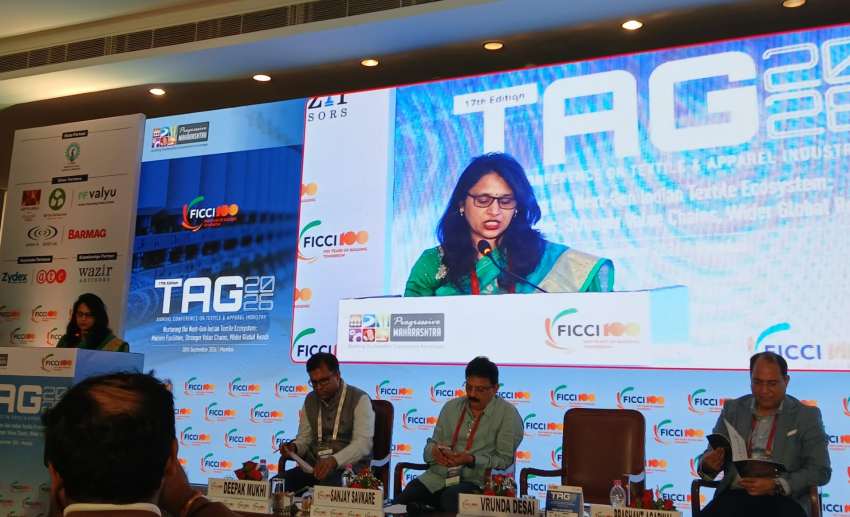
In a stern regulatory announcement aimed at creating a robust statistical backbone for India's textile sector, Textile Commissioner Vrunda Manohar... Read more
India’s apparel exporters face a new US tariff risk as margins shrink

The enactment of the Lindsey O. Graham sanctioning Russia and Iran Act of 2026 in Washington has introduced a fresh... Read more
Cellulosics challenge polyester dominance in global fibre market
The global textile raw-materials market has entered a phase where plant-based and regenerated cellulosic fibres have gain ground against fossil-fuel-derived... Read more
From cotton to MMF cost equation is rewriting global textile trade
The global textile and apparel trade has grown from $560 billion in 2006 to $914 billion in 2025, reveals the... Read more
Polyethylene stretch yarn challenges elastane’s hold on activewear

The global activewear, denim and intimate apparel markets have built a substantial business around stretch. But the same fibre combinations... Read more
Automation Meets Italian Design: FFI Srl unveils ‘Next-Gen Robotics’ to help bra…
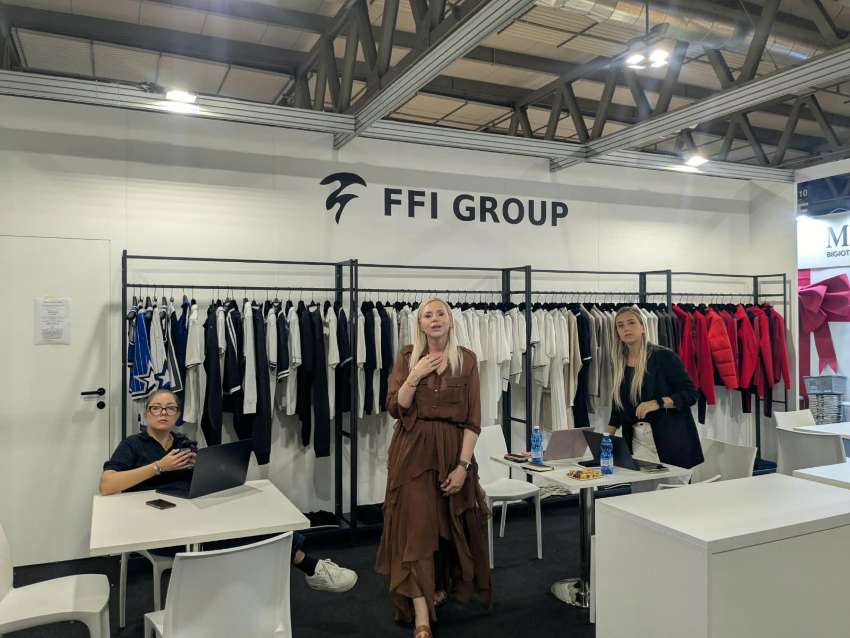
At the recently concluded autumn edition of Ready to Show inside Hall 10 at Fiera Milano-Rho—staged alongside the Milano Fashion... Read more
From Dhaka to Milan: Mascom Composite backs Southern Europe’s sports and lifesty…
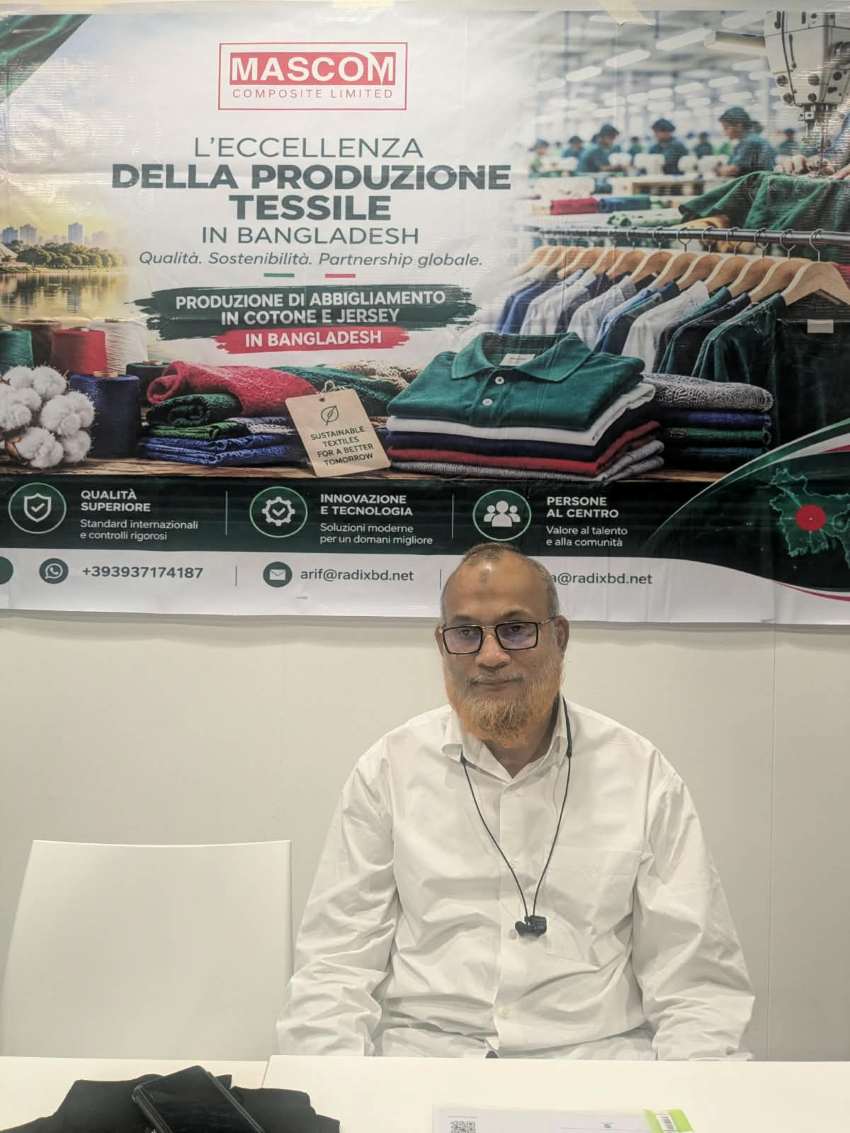
While the trade floor of Ready to Show Milano inside Hall 10 at Fiera Milano-Rho placed a heavy spotlight on... Read more
How surging silver prices are reshaping ‘Mid-Tier’ fashion jewellery
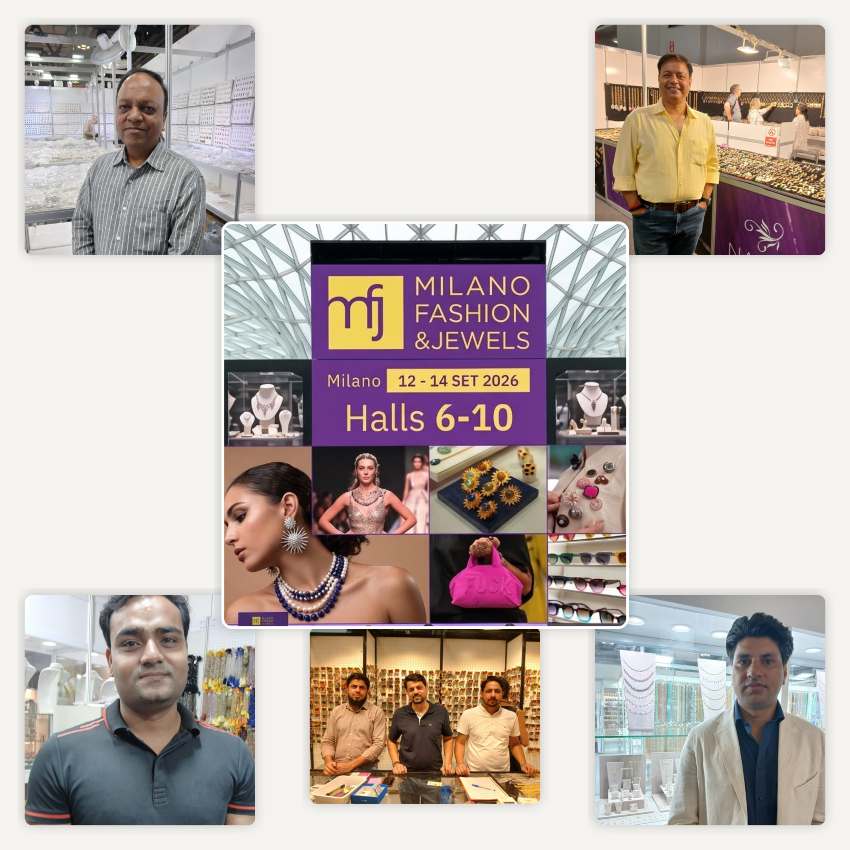
Escalating global bullion volatility and raw material pricing pressures are forcing a fundamental reassessment across the mid-tier fashion jewellery trade.... Read more
Milano Fashion & Jewels: How ‘Re-Engineered’ heritage crafts are driving hig…
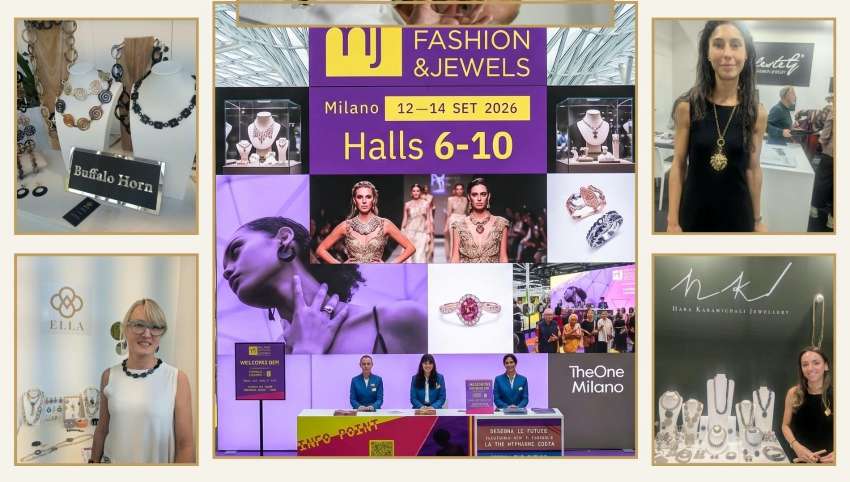
A counter-movement against industrial uniformity is reshaping European bijouterie, transforming authentic craftsmanship into a powerful lever for high-margin boutique growth.... Read more
