Pakistan is introducing new technology in the textile industry. Sectors such as spinning, weaving, processing and value addition are being revamped. The industry is facing many problems such as frequent power outages, gas load- shedding, inflation and lack of technology and infrastructure.
Textile exports make up 60 per cent of total shipments from Pakistan. The textile sector contributes 10 per cent to the total GDP whereas it is also employing 39 per cent of the labor force. Of the total exports worth 17 billion dollars, the textile sector contributes more than ten billion dollars.
During the period of textile quotas, the country mostly exported thread-cum-cloth and exports did not exceeded four billion dollars. With the end of the quota system, the country has a chance to concentrate on value addition.
R&D support is being given to the industry. Garment cities will come up in Karachi, Lahore and Faisalabad. Under a program 40,000 unskilled laborers would be trained. Manufacturers have been made to realize that induction of modern machinery and technology is essential for them to maintain their competitive edge.
Technical textiles is another area Pakistan is focusing on. In the near future the country’s cotton crop would be utilised in value addition.





Pakistan revamps textile sector
- 1
- 2
- 3
- 4
- 5
- 6
- 7
- 8
- 9
- 10
Rethinking Textile's Future: Innovations in sustainable fibers and circularity
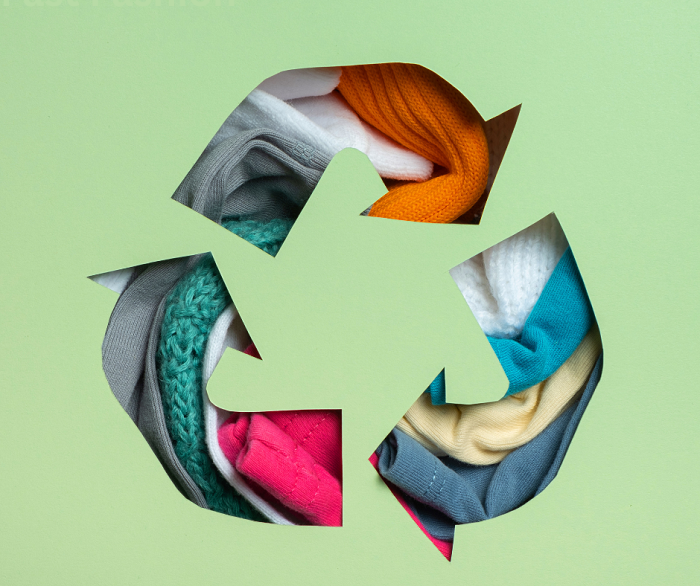
The textile industry is increasingly focusing on natural fibers and circularity, with new research and initiatives pointing towards a more... Read more
IHKIB hosts successful ‘Turkish Apparel Industry’s Transformation Journey’ event…

Customs Union modernisation key to EU competitiveness Mustafa Gültepe, Chairman of the Turkish Exporters Assembly (TIM) and Istanbul Apparel Exporters’ Association... Read more
Where do your old clothes really go? Unraveling the secondhand clothing journey
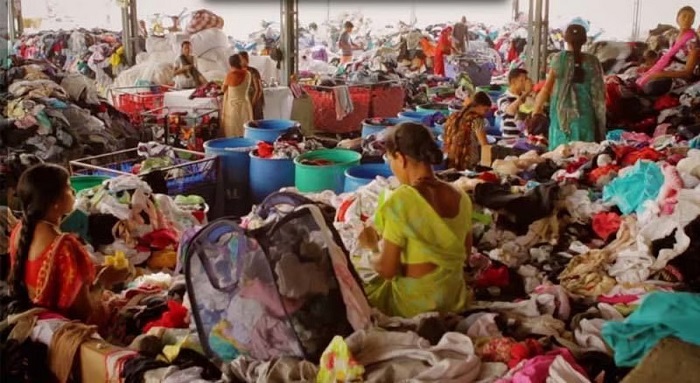
The fate of our old clothes is often shrouded in misconception. A widely held belief suggests that most donated garments... Read more
Theory of Constraints, weaving success in global apparel and textiles sector

In the fast-paced, ever-evolving world of fashion, apparel, and textiles, efficiency and agility are paramount. The Theory of Constraints (TOC),... Read more
Gartex Texprocess India 2025 Mumbai edition draws record crowd, sparks industry …

Gartex Texprocess India 2025 concluded with a record-breaking turnout, reaffirming its importance as a key sourcing and technology platform for... Read more
LuxExperience: How the Mytheresa-YNAP merger will reshape online luxury retail

The digital scenario of luxury retail has irrevocably altered with the successful completion of Mytheresa's acquisition of Yoox Net-a-Porter (YNAP)... Read more
US Apparel Imports: Scenario changes subtly as China's dominance reduces
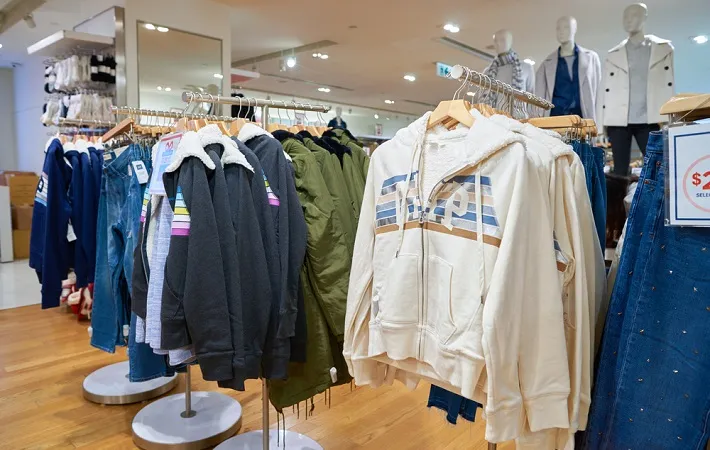
For years, China reigned supreme as the undisputed king of US apparel imports. While still the largest supplier in aggregate... Read more
US Apparel Imports: Scenario changes subtly as China's dominance reduces
For years, China reigned supreme as the undisputed king of US apparel imports. While still the largest supplier in aggregate... Read more
Built to Break: Is our ‘waste problem’ just a design flaw?
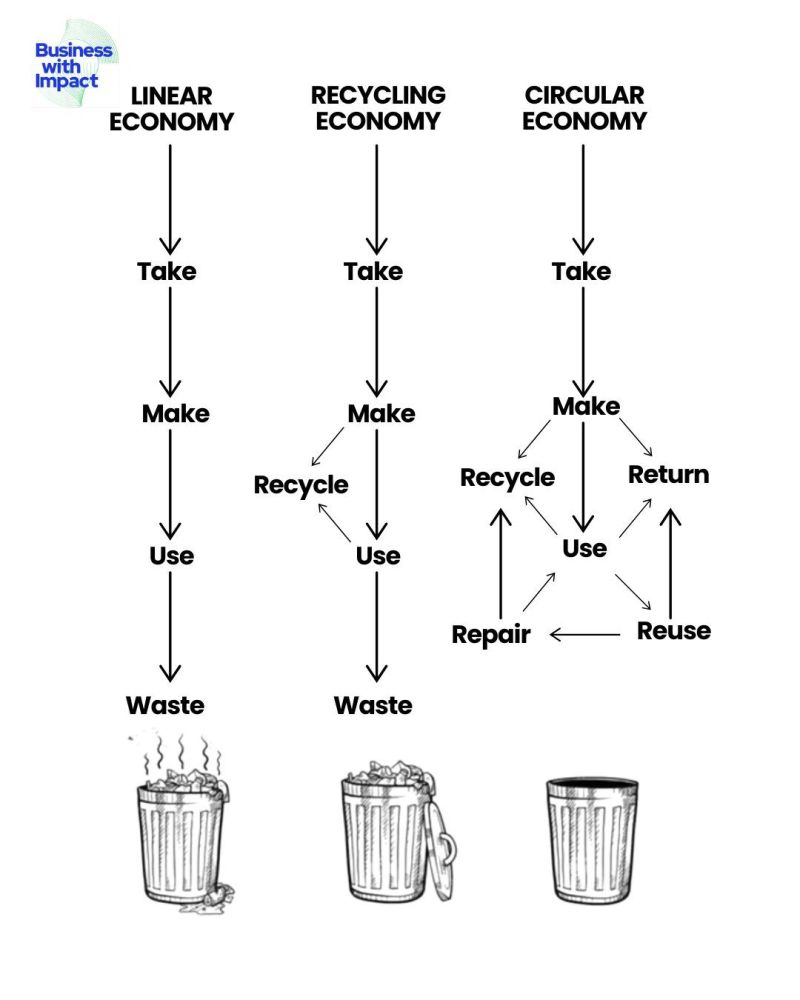
The air in numerous pockets of the country hangs thick with the stench of discarded refuse, a stark testament to... Read more
From Importer to Global Leader: Brazil’s cotton revolution
Brazil’s ascent from a net cotton importer to the world’s largest cotton exporter is one of the most compelling success... Read more

