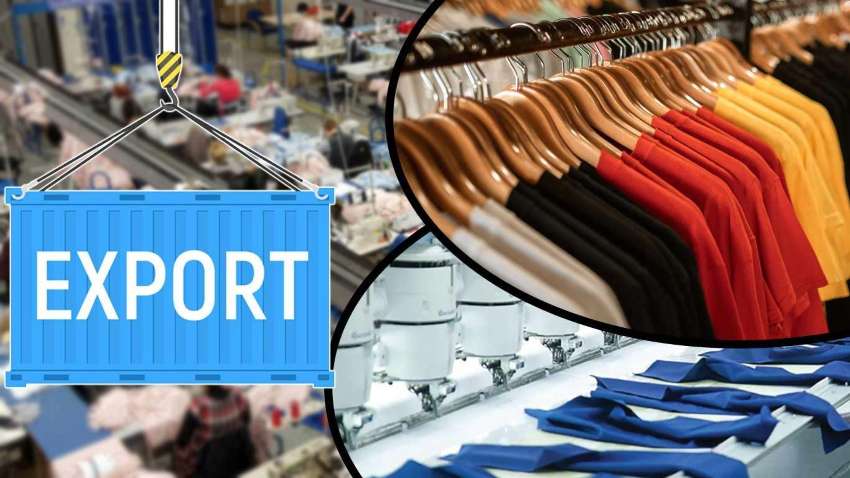

Portuguese textile and apparel exports expanded by 2.4 per cent Y-o-Y to reach €3.78 billion through the first eight months of 2026. The growth reflects a strategic rotation away from low-margin commodity inputs toward finished, high-value garments. While traditional European buyers showed mixed demand - deliveries to Spain edged down 0.1 per cent to €873.3 million—shipments to non-European markets experienced accelerated momentum. Exports to the United States increased by 3.1 per cent to €300.9 million, while emerging trade corridors saw rapid expansion, with Vietnam rising by 88.2 per cent to €20.5 million and Mexico increasing by 71.7 per cent to €43.4 million.
Value-added wovens outpace upstream raw materials
A distinct product divergence underscores Portugal’s manufacturing shift. Exports of non-knitted tailored apparel rose by 8.5 per cent to €696.5 million, supported by European fashion houses relying on Iberian nearshoring for rapid lead times. Conversely, man-made staple fiber shipments declined by 26.4 per cent to €112.8 million as high energy tariffs squeezed upstream primary processors.
Nearshoring agility secures competitive advantage
Brand owners are prioritizng 4-to-8-week production turnarounds and smaller batch sizes over bulk Asian imports to mitigate inventory risks," noted a European fashion supply chain analyst. To capture this demand, Portuguese mills are integrating digital prototyping and low-water finishing technologies under national modernization initiative000s.
Maintaining stable export earnings
Portugal’s textile and clothing industry produces premium woven apparel, technical fabrics, and home textiles. Centered in northern industrial clusters, the sector targets high-end European and North American retail markets. Growth plans emphasize digital manufacturing and circular chemistry, maintaining stable multi-billion-euro annual export earnings despite elevated regional energy overheads.