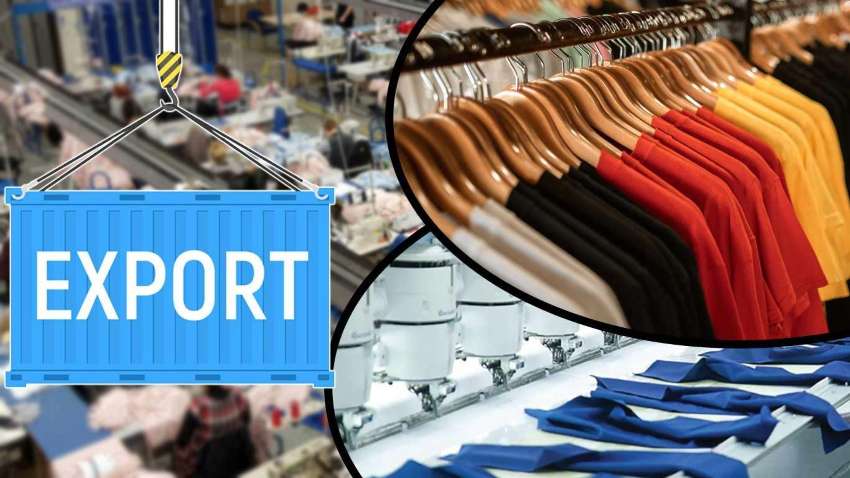

Pakistan’s textile and apparel (T&A) export sector registered a modest recovery in Q1 FY27, reaching $5.026 billion - a 5.26 per cent increase compared to $4.775 billion recorded in the same period last year. This upward movement builds on FY26 total shipments of $17.93 billion, where performance split sharply between raw intermediate products and value-added apparel. While ready-made garment exports expanded 3.87 per cent to $4.288 billion and cotton yarn shipments grew 12.4 per cent to $765 million, basic woven fabrics contracted 7.55 per cent to $1.672 billion. The shift indicates that international buyers are prioritizing fully finished, price-competitive garments while scaling back orders for unprocessed fabric.
Utility overhead and freight disruptions compress margins
Operational margins remain constrained by elevated energy tariffs - averaging 13 to 15 cents per kWh compared to lower subsidized rates in competing regional hubs - alongside escalating freight surcharges caused by persistent West Asia maritime disruptions. Furthermore, domestic cotton crop volatility forced mills to step up foreign fiber procurement, elevating landed raw material costs.
Value-addition strategic alignment
Navigating global supply chain friction requires domestic mills to transition from low-margin gray cloth sales to high-value functional garments and sustainable home textiles, noted a South Asian trade policy analyst. To protect order volumes, integrated manufacturers like Gul Ahmed and Yunus Textile Mills are deploying bio-based pigments and GRI-aligned sustainability reporting to retain European tier-one buyers.
Targeting high-value garment production
Pakistan's textile manufacturing sector produces cotton yarns, woven fabrics, apparel, and home textiles for Europe, North America, and Asia. The export-driven industry targets high-value garment expansion despite elevated energy tariffs. In FY26, the sector generated $17.93 billion in total export revenue.