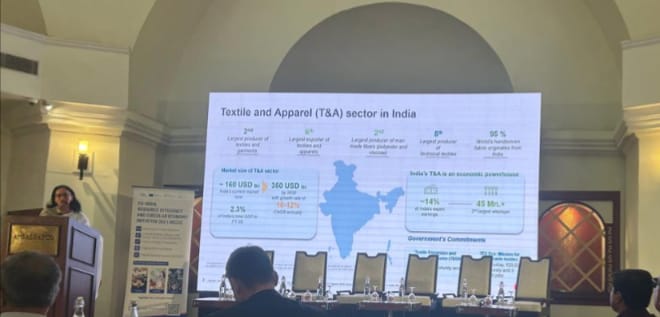
Ebitda margins of leading Indian textile and apparel companies have risen by one per cent during the current fiscal. Their employee cost index and raw material cost index have also increased by six per cent and two per cent respectively. This shows constraints on resources, and companies have to rework on their costing and reengineer their systems.
Among these companies are Arvind, Vardhman, Welspun, Trident and Raymond. The textile industry is a labor-intensive industry. So its growth plays a vital role in job creation. Textile exports from many Indian states have contracted in the last five years.
During this period, exports of textile and apparel commodities have shown a decline of seven per cent. The downtrend of exports of fibers, filaments, yarns and home textiles continues. Fiber export and yarn export are down by 47 per cent and 30 per cent respectively. Notably, fabric and apparel exports increased eight per cent and one per cent recepectively. As far as imports are concerned, India’s imports of textile and apparel commodities have increased by 16 per cent in this period. Fabric imports were down by three per cent, while fiber, filament, yarn, apparel and home furnishing imports increased. Fiber imports increased by 53 per cent and yarn imports increased 18 per cent.

- 1
- 2
- 3
- 4
- 5
- 6
- 7
- 8
- 9
- 10
Circular Samvaad 2.0 aims to transform Indian textiles from linear waste to glob…
On the occasion of World Environment Day, industry leaders, policymakers, and international experts gathered in the capital yesterday for Circular... Read more
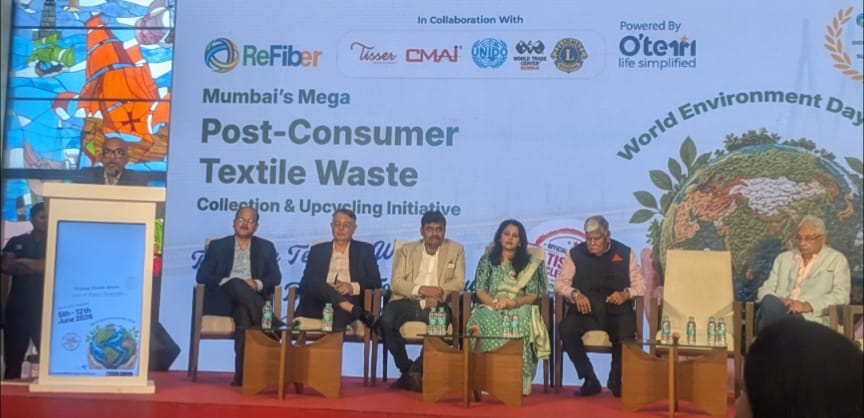
From Sentiment to Sustainability: How Mumbai’s ‘Mega Post Textile Waste Initiat…
Walk into almost any Indian household, and you will find wardrobes harboring clothes that haven’t been worn in years. They... Read more
CMAI launches new initiative to combat waste and formalize textile recovery acro…
In a landmark move to address the mounting crisis of post-consumer textile waste, the Clothing Manufacturers Association of India (CMAI)... Read more
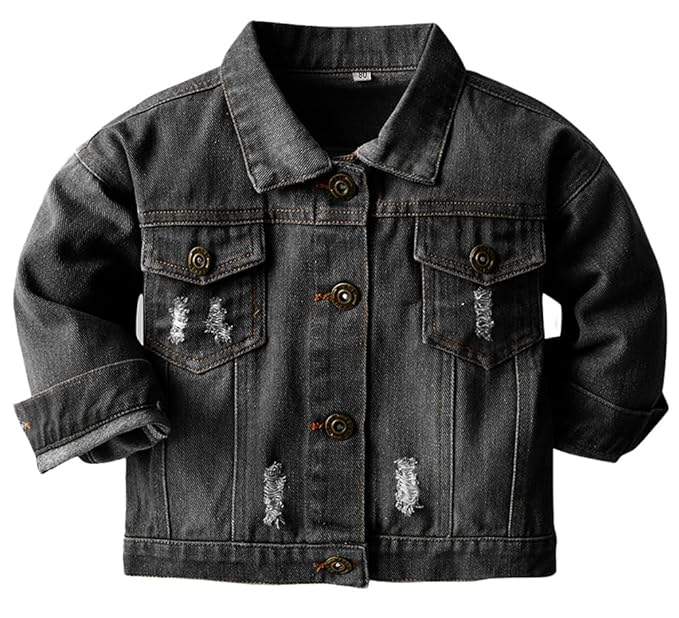
Trends-Fabrics (Denim-Kidswear) trends for Spring/Summer 2026-27 by Drapers
For the Spring/Summer 2026-27 season, the kidswear denim market is defined by a shift toward lightweight comfort, playful aesthetics, and... Read more
Cost spiral across fibers, chemicals and logistics squeezes India’s apparel expo…
India’s textile manufacturing sector has entered one of its most financially strained periods in recent years as increasing fiber, yarn,... Read more
How India’s textile recycling network is becoming a global ESG blueprint
India’s textile industry is mounting an aggressive defence against growing international criticism that developing economies are becoming dumping grounds for... Read more
Cotton trade under pressure as war risks and tariff chaos raise apparel costs
The global textile and apparel industry is entering a high-stakes period of volatility as the ongoing Iran war creates a... Read more
Copenhagen GFA summit 2026 signals reset in global apparel finance
" " The global apparel, textile, and fiber manufacturing industries are entering a decisive phase of financial and operational realignment, as... Read more
Global apparel supply chains realign as India navigates trade volatility
The global apparel and textile sector is experiencing a significant structural shift, as major manufacturers and retailers move away from... Read more
India’s textile sector targets global supply chain shift with $100 bn export pus…
As global brands push up efforts to diversify sourcing beyond traditional manufacturing hubs, India is repositioning its textile industry through... Read more