India's next generation FTA - the Economic and Technical Cooperation Agreement - with Sri Lanka seems to be running into rough weather. Sri Lanka's trade and industry has not been happy with the earlier FTA that was signed in 2000 with India. Sri Lanka’s exports to India have grown 275 per cent since 2005-06. And India's exports to Sri Lanka have grown 96.48 per cent during the same period.
Negotiations on both sides are on to iron out differences on the upgraded Free Trade Agreement of 2000 to include services, investment and technological trade. There are reasons for India to guard its flanks while negotiating a second generation free-trade agreement with Sri Lanka.
China has evinced interest in an FTA with Sri Lanka as well. This has given India pause, as it wants to see the details of that deal. This could include Chinese companies setting up manufacturing bases in Sri Lanka and using the India-Lanka FTA to push Chinese goods into India. In many segments, Chinese products have already flooded Indian markets.
Tariff and non-tariff barriers to protect local industries, visa regulations, entry barriers to investment are some of the important reasons South Asian regional trade has remained fragmented.

- 1
- 2
- 3
- 4
- 5
- 6
- 7
- 8
- 9
- 10
Circular Samvaad 2.0 aims to transform Indian textiles from linear waste to glob…
On the occasion of World Environment Day, industry leaders, policymakers, and international experts gathered in the capital yesterday for Circular... Read more
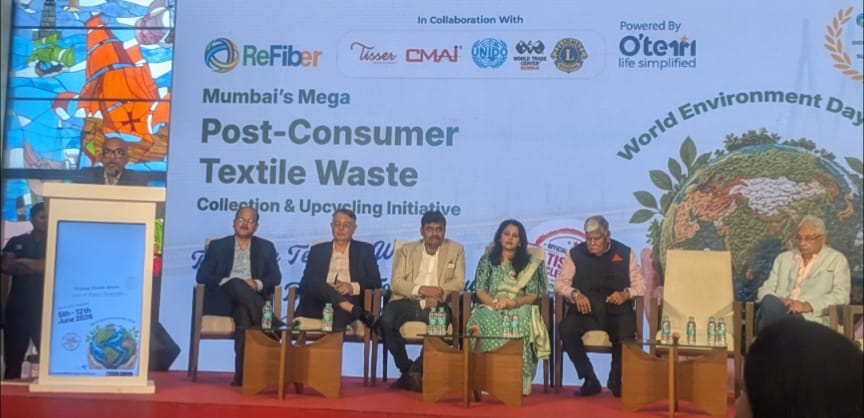
From Sentiment to Sustainability: How Mumbai’s ‘Mega Post Textile Waste Initiat…
Walk into almost any Indian household, and you will find wardrobes harboring clothes that haven’t been worn in years. They... Read more
CMAI launches new initiative to combat waste and formalize textile recovery acro…
In a landmark move to address the mounting crisis of post-consumer textile waste, the Clothing Manufacturers Association of India (CMAI)... Read more
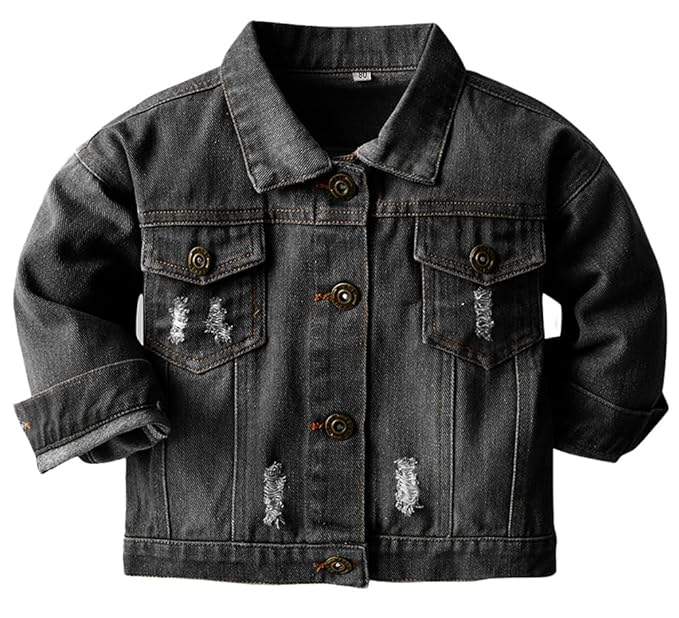
Trends-Fabrics (Denim-Kidswear) trends for Spring/Summer 2026-27 by Drapers
For the Spring/Summer 2026-27 season, the kidswear denim market is defined by a shift toward lightweight comfort, playful aesthetics, and... Read more
Cost spiral across fibers, chemicals and logistics squeezes India’s apparel expo…
India’s textile manufacturing sector has entered one of its most financially strained periods in recent years as increasing fiber, yarn,... Read more
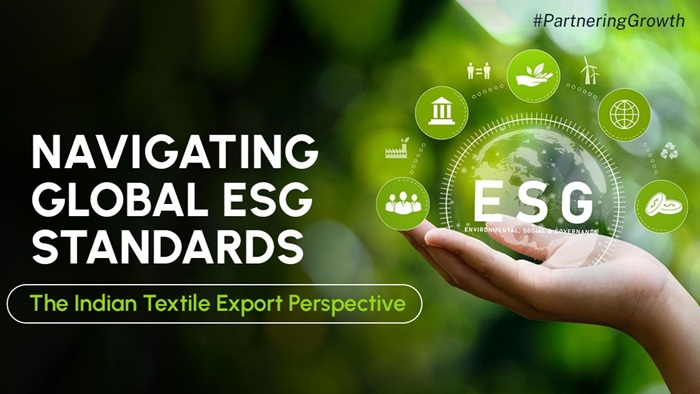
How India’s textile recycling network is becoming a global ESG blueprint
India’s textile industry is mounting an aggressive defence against growing international criticism that developing economies are becoming dumping grounds for... Read more
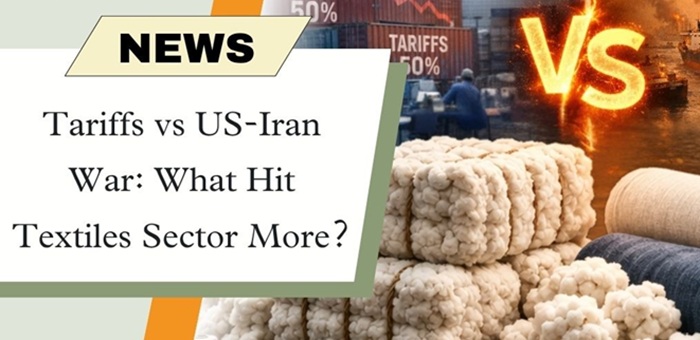
Cotton trade under pressure as war risks and tariff chaos raise apparel costs
The global textile and apparel industry is entering a high-stakes period of volatility as the ongoing Iran war creates a... Read more
Copenhagen GFA summit 2026 signals reset in global apparel finance
" " The global apparel, textile, and fiber manufacturing industries are entering a decisive phase of financial and operational realignment, as... Read more
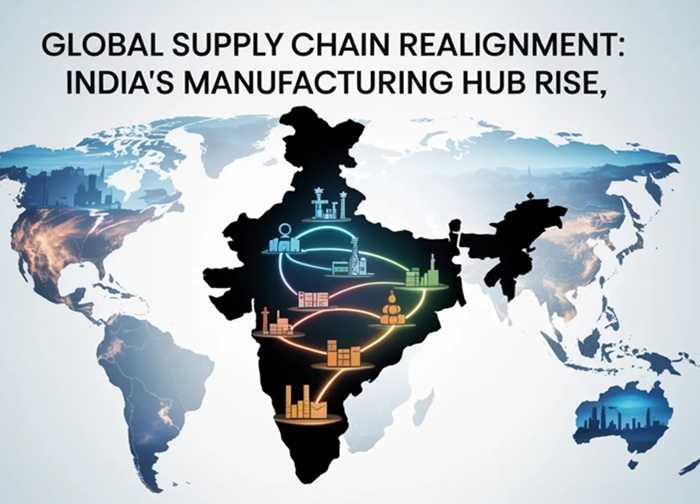
Global apparel supply chains realign as India navigates trade volatility
The global apparel and textile sector is experiencing a significant structural shift, as major manufacturers and retailers move away from... Read more
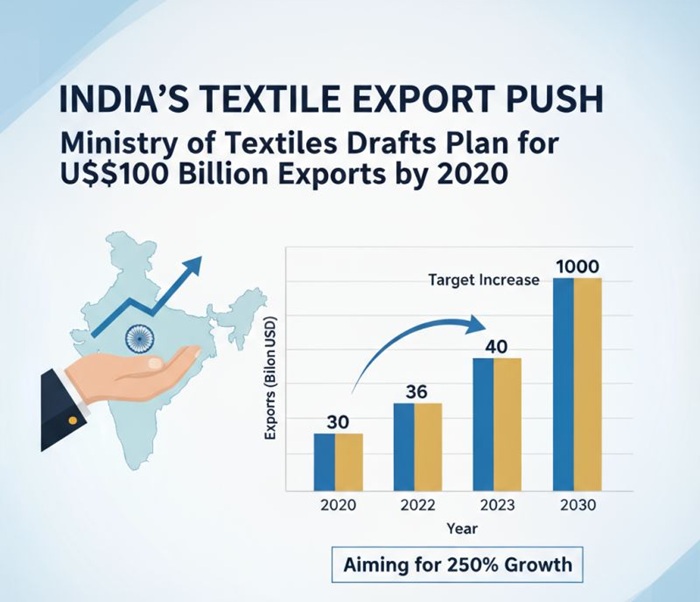
India’s textile sector targets global supply chain shift with $100 bn export pus…
As global brands push up efforts to diversify sourcing beyond traditional manufacturing hubs, India is repositioning its textile industry through... Read more