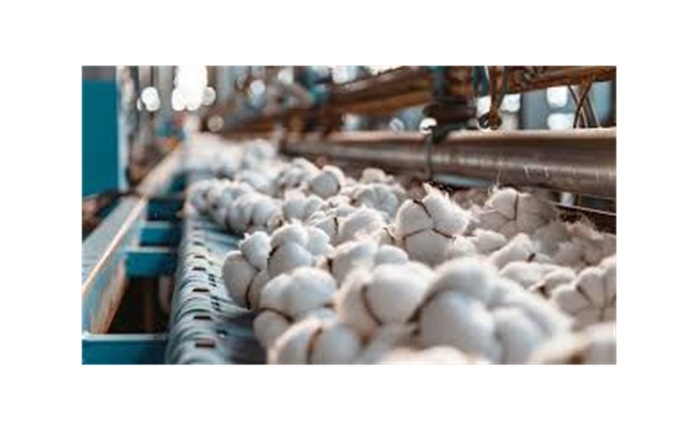
The land allotted to cotton cultivation in India has increased this year compared to 2016. Farmers who have basic irrigational access harvest about 12 to 15 quintals per acre, depending upon the availability of drip irrigation. Cotton is relatively harder than soybean, which can be washed off in heavy rainfall. It can also be picked four to five times despite rains and at least twice if the weather isn’t favorable.
Cotton is sowed after the second week of June, with the first harvest or picking taking place 120 days post sowing, in its 175 to 180 day span. Farmers generally have to bear the cost of picking which comes at Rs 6000 per acre. Pesticides like Confidor, Actara and Polo amount to Rs 4000 an acre, excluding the Rs 200 labor on each round of spraying the chemical. Other expenses include weeding, fertilizer, and seeding.
This year the best among the crop choices left for a farmer which yield better returns in the kharif season was cotton. Farmers require immediate compensation for picking the cotton and using pesticides. Traders themselves came to buy the kapas (raw unginned cotton) straight from farmers at Rs 5600 per quintal this February compared with Rs 4000 in the previous year.
- 1
- 2
- 3
- 4
- 5
- 6
- 7
- 8
- 9
- 10
The £7 Billion Question: Who pays for fashion’s ‘free rental’ habit?
The global fashion industry is facing an uncomfortable paradox: its most valuable customers may also be its most destructive. A... Read more
India, China Bangladesh face fresh headwinds as global apparel markets rebalance
Global apparel trade is entering a more uneven recovery phase, with demand growth persisting but losing uniform momentum across major... Read more
Global cotton enters a deficit year in 2026 as supply drop meets logistics risk
The global cotton economy has entered a fragile and sensitive phase. Early projections for the 2026-27 season suggest that world... Read more
India’s textile trade gets a Pacific push as New Zealand FTA removes tariff barr…
India and New Zealand have inked a ‘once-in-a-generation’ Free Trade Agreement (FTA), one that will have a profound impact on... Read more
Lululemon’s world-first nylon circularity push signals a new apparel arms race
The global apparel industry’s circularity narrative is entering a more technically demanding phase. Polyester recycling once the flagship of sustainable... Read more
Beyond the DTC Rush: Levi’s hybrid channel strategy sets a new retail benchmark
The global apparel sector is entering a phase where channel strategy is no longer a tactical lever but a core... Read more
The New Rules of Resale: EPR turning secondhand into fashion’s strategic growth …
The global fashion industry is facing a decisive regulatory and commercial reset. What began as a sustainability narrative around reuse... Read more
The 2027 Mandate: Why denim’s future hinges on verifiable data
For decades, the global denim industry has relied on a narrative of durability, heritage, and authenticity. That narrative is now... Read more
Europe’s textile core unravels as costs, imports and policy pressure bite
Europe’s textile and apparel sector, long seen as a benchmark for craftsmanship and industrial depth, is slipping into a prolonged... Read more
Automation, innovation, regulation are the forces shaping textiles in 2026
The global textile sector has entered a new era. Early 2026 saw the industry breach a $1.06 trillion valuation, reflecting... Read more