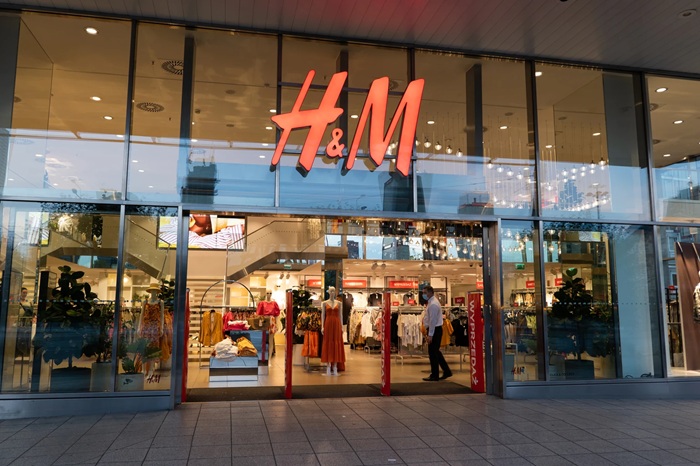
Twenty years after their landmark inaugural partnership, H&M and Stella McCartney have reunited to launch a nostalgic yet technically advanced Spring 2026 collection. Unlike the aesthetic-focused collaborations of the past, this 2026 engagement serves as a commercial testbed for textile circularity. The collection utilizes 80 per cent recycled glass for embellishments and introduces Bailu-Eco and Ecojilin viscose, materials derived from agricultural waste. This collaboration is a strategic component of H&M’s broader objective to reach 100 per cent sustainably sourced materials by 2030. By integrating McCartney’s strict ‘no animal leather or fur’ mandate into a high-volume supply chain, H&M is demonstrating that ethical constraints can coexist with global commercial scalability.
The governance of Green fashion
A critical evolution in this partnership is the establishment of the Sustainability Insights Board, a multi-stakeholder governance body chaired by McCartney and H&M leadership. This initiative addresses the ‘standardization fatigue’ in sustainability reporting by inviting activists, tech innovators, and journalists to interrogate supply chain ethics. Commercially, H&M’s focus on material innovation is already yielding financial dividends; the group reported a 41 per cent reduction in Scope 1 and 2 emissions for FY25, while maintaining a gross margin of 55.4 per cent. This suggests, the decoupling of revenue growth from virgin resource consumption is becoming a viable operational reality for the Swedish retailer.
Navigating regulatory and supply hurdles
The primary challenge remains the operationalization of these innovations across H&M’s vast global footprint. While the Spring 2026 collection highlights high-performance recycled polycotton, scaling these ‘next-gen’ feedstocks requires significant capital expenditure - H&M invested 2.8 billion Swedish kronor in decarbonization last year alone. However, the opportunity is driven by tightening EU transparency regulations, which reward early adopters of traceable supply chains. By positioning this collection as a ‘journey through fashion history’ reworked for a carbon-conscious era, H&M is moving beyond transient trends to build a long-term, data-backed value proposition for the modern, ethical consumer.
Accelerating circular retail
Headquartered in Stockholm, H&M Group is a global fashion leader operating over 4,000 stores. The company specializes in accessible apparel across brands like H&M, COS, and Arket. Currently targeting a 50 per cent recycled material share by 2030, the group reported a 2025 operating profit rise, driven by robust cost control and a 31 per cent growth in its resale markets.