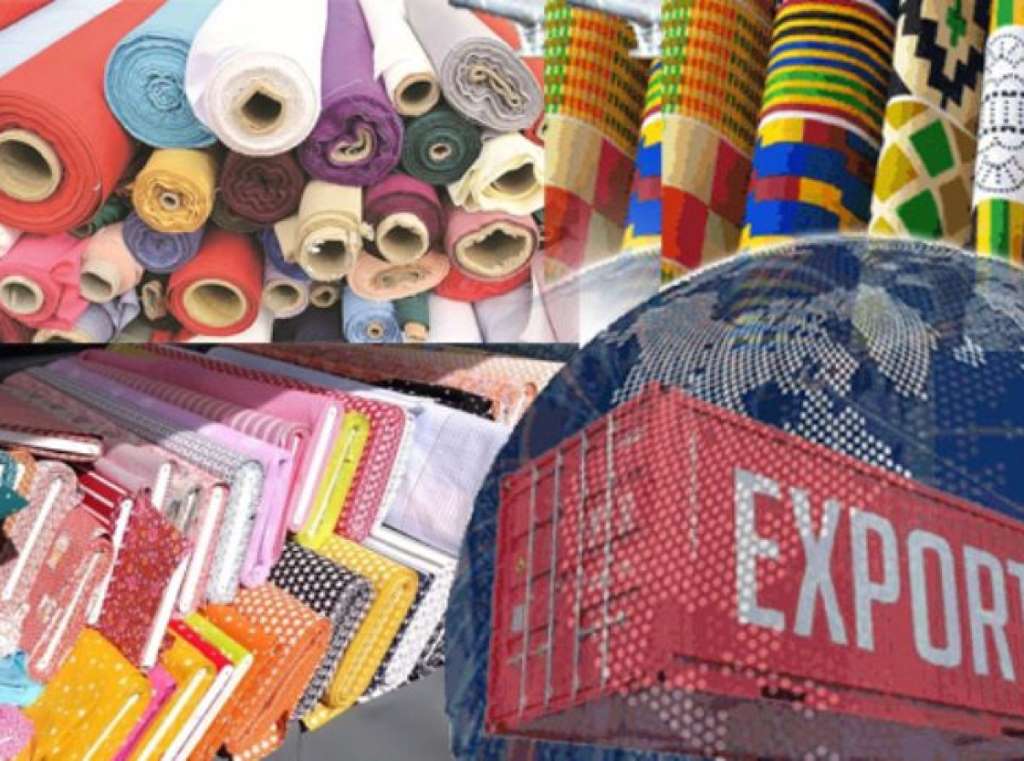
World fiber production in 2018 rose by four million tons over previous year. The share of natural fibers in world fiber production fell from 41 per cent in 2008 to less than 30 per cent in 2018.
Jute markets in Bangladesh and India increased in value and decreased in volumes terms in 2018. Lower jute production caused by poor weather means consumption exceeds production, and stocks are being reduced. It is likely that prices could continue to increase during 2019.
Prices for sisal have shown a downward trend since the last quarter of 2017 with lowest price level from July onwards. Production of wool fell in 2018 because of drought in sheep-raising areas of the southern hemisphere. Wool production has been on the decline since 2000, with global warming and lower rainfall patterns causing the lowest wool sheep numbers since 1920. Global wool production is expected to remain stable or contract slightly during 2019. The fine wool price has been on a constant upward trend during the past five years. The opposite remains true of the strong wool sector, with prices still well below average and stocks remaining high.
World production of synthetic filament is 50 million tons; of this polyester filament alone is about 45 million tons.

- 1
- 2
- 3
- 4
- 5
- 6
- 7
- 8
- 9
- 10
Status, Rewired: Health, AI and experience are displacing heritage luxury
The global luxury industry is not facing a demand fall it is confronting a redefinition of value. As bellwethers like... Read more
No More Easy Wins: Why global retailers are losing ground in China
China’s retail sector has entered a new phase, one defined not by aspiration, but by scrutiny. The long-standing advantage enjoyed... Read more
India’s 45°C economy is reshaping apparel retail and consumer spending
The intensifying heatwaves sweeping across the Indian subcontinent are no longer mere meteorological anomalies; they have become the primary engineers... Read more
FY26 Textile Scorecard: Integration, specialization are winning the margin battl…
As the curtains close on FY2025-26, India’s textile industry is revealing a sharp divide. On one side stand integrated and... Read more
Intertextile Shenzhen 2026: Pioneering the Future of Textile Innovation
As Shenzhen cements its status as China’s premier hub for manufacturing, artificial intelligence, and startup cultivation, Intertextile Shenzhen Apparel Fabrics... Read more
The Devil Wears Prada 2 reflects fashion’s power shift, where consumers replace …
" " The release of The Devil Wears Prada 2 has sparked a debate far bigger than a Hollywood sequel. What... Read more
The 30-minute problem reshaping the $63 bn leggings market
The global leggings makers are racing to solve one of the apparel industry’s most expensive hidden problems: discomfort that appears... Read more
Why the resale explosion is failing to slow apparel production
The global apparel industry is confronting an uncomfortable paradox. The explosive rise of the resale economy, once viewed as a... Read more
Can India’s textile sector convert FTAs into global dominance?
What began as a cautious China Plus One sourcing strategy for global apparel trade, has now evolved into a full-scale... Read more
No More Easy Wins: Why global retailers are losing ground in China
China’s retail sector has entered a new phase, one defined not by aspiration, but by scrutiny. The long-standing advantage enjoyed... Read more