Turnover, orders and foreign trade are on the upswing for the German textile and clothing industries. Textile turnover for the first quarter of 2017 was up 0.8 per cent. Clothing turnover was up 0.4 per cent. Both sectors combined showed an increased turnover of 0.6 per cent.
For the entire 2017 the combined turnover is expected to rise by 1.7 per cent –two per cent for textiles and 1.5 per cent for clothing.
In the two sectors there are 0.3 per cent more people employed than in 2016. Effective working hours increased in March 2017 by 2.1 per cent (textiles 2.7 per cent and clothing 0.9 per cent).
Domestic production was up in textiles by 4.3 per cent in the first quarter, and 7.1 per cent for the clothing sector.
The order intake situation has markedly improved in the textile sector and in the clothing sector. At the end of March the figure for textiles was 15 per cent and for clothing 3.8 per cent.
Producer prices were up in both segments over the past months, and as per March 2017, the price levels increased by 0.3 per cent in both sectors.
Textile imports fell in the first quarter by 5.6 per cent whereas clothing imports improved by 0.9 per cent.





German sectors see better days
- 1
- 2
- 3
- 4
- 5
- 6
- 7
- 8
- 9
- 10
Viscose transforms from ‘Artificial silk to sustainable innovation
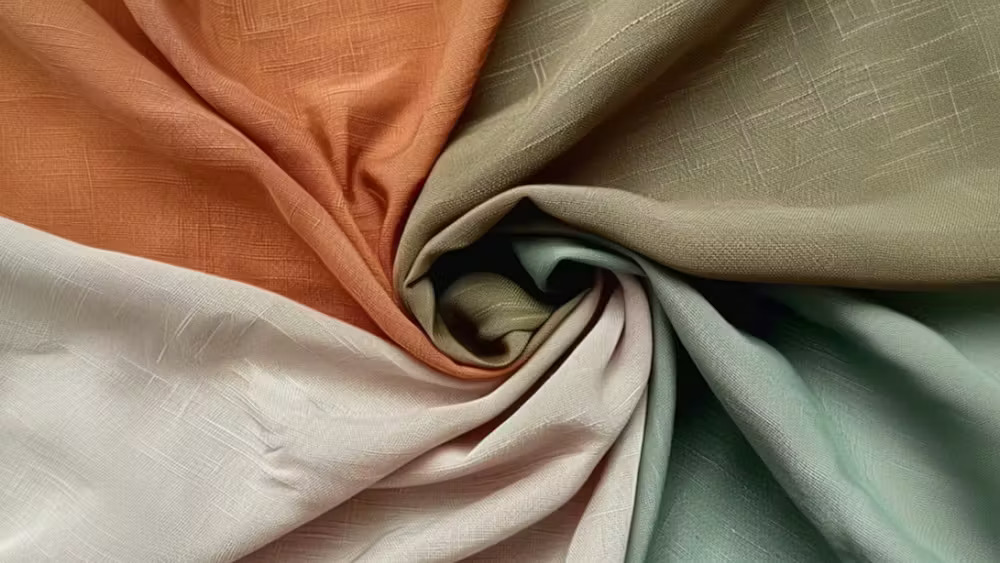
Viscose, often dubbed ‘artificial silk’ earlier, has a long and complex history in the textile industry. A regenerated cellulose fiber,... Read more
Rethinking Textile's Future: Innovations in sustainable fibers and circularity
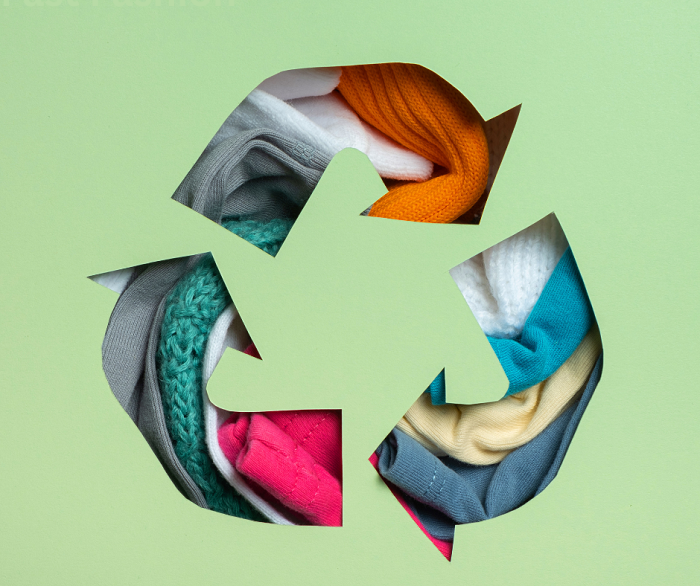
The textile industry is increasingly focusing on natural fibers and circularity, with new research and initiatives pointing towards a more... Read more
IHKIB hosts successful ‘Turkish Apparel Industry’s Transformation Journey’ event…

Customs Union modernisation key to EU competitiveness Mustafa Gültepe, Chairman of the Turkish Exporters Assembly (TIM) and Istanbul Apparel Exporters’ Association... Read more
Where do your old clothes really go? Unraveling the secondhand clothing journey
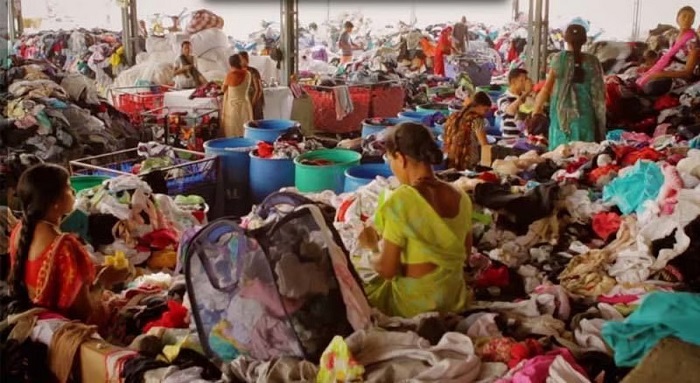
The fate of our old clothes is often shrouded in misconception. A widely held belief suggests that most donated garments... Read more
Theory of Constraints, weaving success in global apparel and textiles sector

In the fast-paced, ever-evolving world of fashion, apparel, and textiles, efficiency and agility are paramount. The Theory of Constraints (TOC),... Read more
Gartex Texprocess India 2025 Mumbai edition draws record crowd, sparks industry …

Gartex Texprocess India 2025 concluded with a record-breaking turnout, reaffirming its importance as a key sourcing and technology platform for... Read more
LuxExperience: How the Mytheresa-YNAP merger will reshape online luxury retail

The digital scenario of luxury retail has irrevocably altered with the successful completion of Mytheresa's acquisition of Yoox Net-a-Porter (YNAP)... Read more
US Apparel Imports: Scenario changes subtly as China's dominance reduces
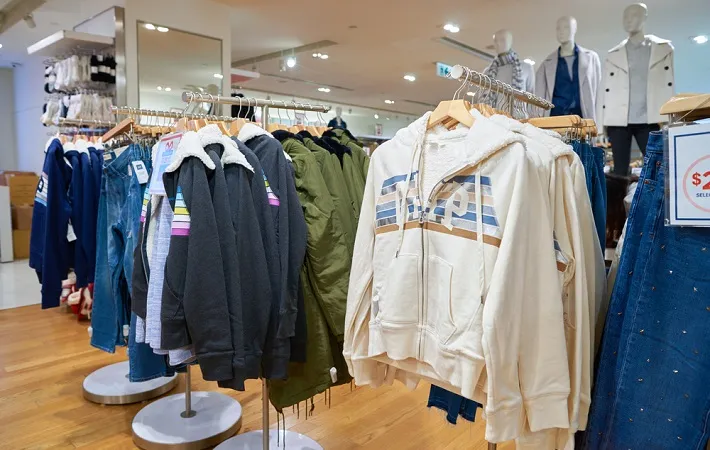
For years, China reigned supreme as the undisputed king of US apparel imports. While still the largest supplier in aggregate... Read more
US Apparel Imports: Scenario changes subtly as China's dominance reduces
For years, China reigned supreme as the undisputed king of US apparel imports. While still the largest supplier in aggregate... Read more
Built to Break: Is our ‘waste problem’ just a design flaw?
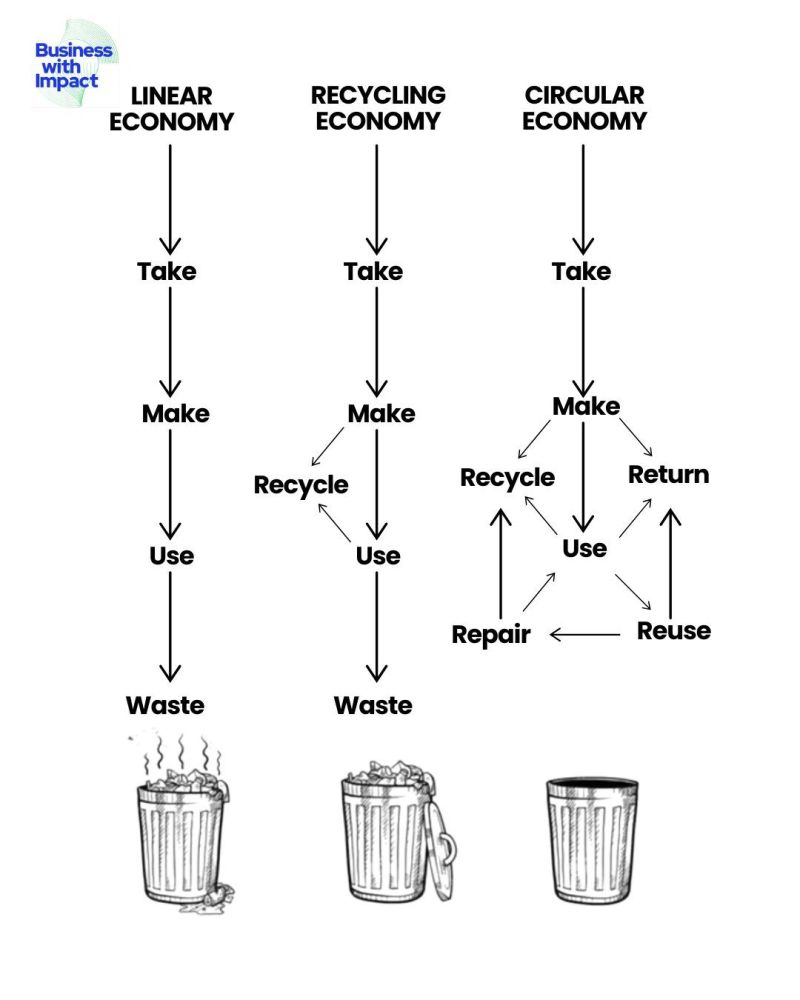
The air in numerous pockets of the country hangs thick with the stench of discarded refuse, a stark testament to... Read more

