Whether China will continue with the cotton subsidy this year is unknown. However, farmers hope it continues. They feel if there is no subsidy, it won't be possible for them to grow cotton. Each year, authorities set a target price for cotton and pay farmers the difference if the market price falls short. Rising labor costs, bad weather and a lack of water to irrigate the crop have turned the 2016-2017 harvest into a particularly hard one.
Even with the subsidy, it is hard for farmers to make a living. After deducting labor cost for the cotton pickers, farmers hardly make a profit. The subsidy regime was established as a three-year pilot scheme in 2014-2015. In that year, the government needed to replace a disastrous price support program, which had been introduced with the aim of stabilizing the world market. As farmers sold their cotton to state reserves for more than the market price, China's textile mills imported cheaper cotton from abroad, leaving the government with a stockpile that peaked at 11 million tons. So the government opted for a direct subsidy to farmers instead.
It’s estimated that the subsidy costs Chinese government $4 billion in direct payments to cotton farmers in 2014-2015 alone. In addition, hundreds of millions of dollars are spent each year in subsidies for high quality seeds, and for transporting the crop from China's far northwest to the mills and factories in the east.

- 1
- 2
- 3
- 4
- 5
- 6
- 7
- 8
- 9
- 10
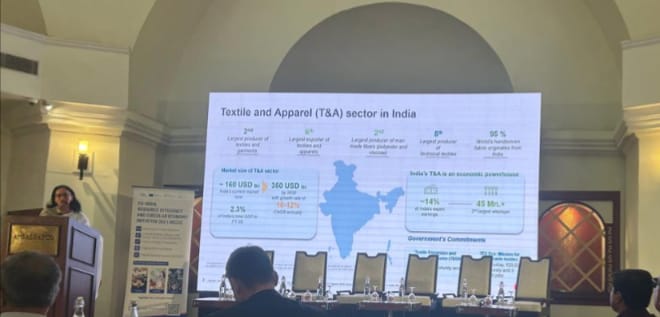
Circular Samvaad 2.0 aims to transform Indian textiles from linear waste to glob…
On the occasion of World Environment Day, industry leaders, policymakers, and international experts gathered in the capital yesterday for Circular... Read more
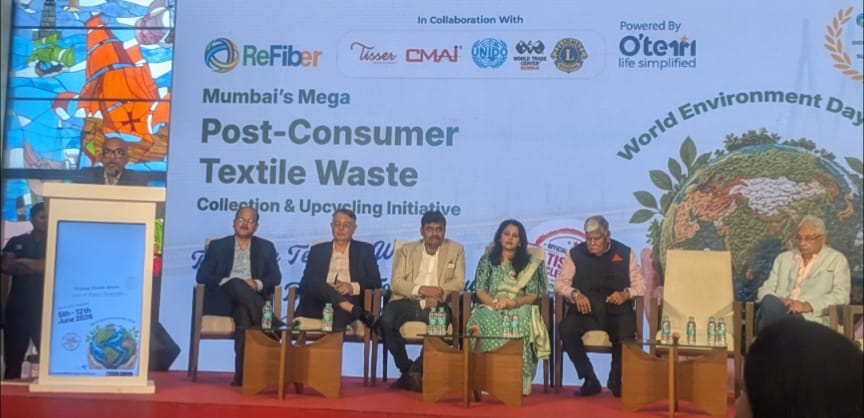
From Sentiment to Sustainability: How Mumbai’s ‘Mega Post Textile Waste Initiat…
Walk into almost any Indian household, and you will find wardrobes harboring clothes that haven’t been worn in years. They... Read more
CMAI launches new initiative to combat waste and formalize textile recovery acro…
In a landmark move to address the mounting crisis of post-consumer textile waste, the Clothing Manufacturers Association of India (CMAI)... Read more
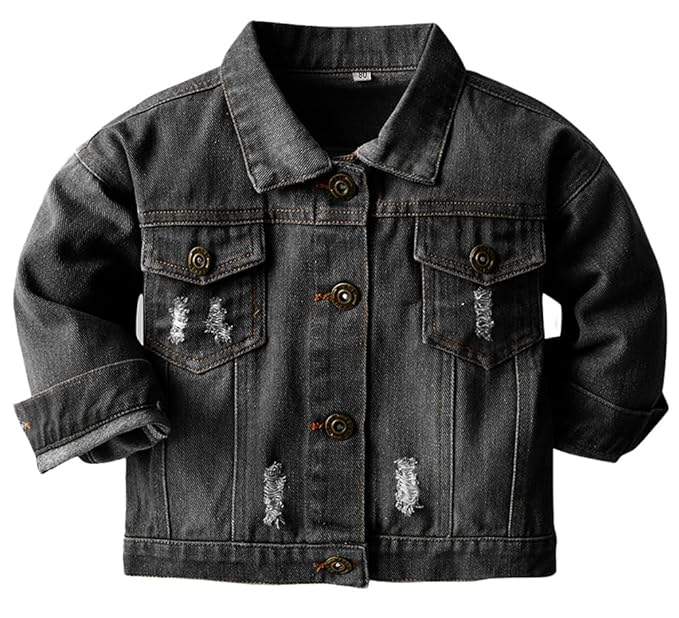
Trends-Fabrics (Denim-Kidswear) trends for Spring/Summer 2026-27 by Drapers
For the Spring/Summer 2026-27 season, the kidswear denim market is defined by a shift toward lightweight comfort, playful aesthetics, and... Read more
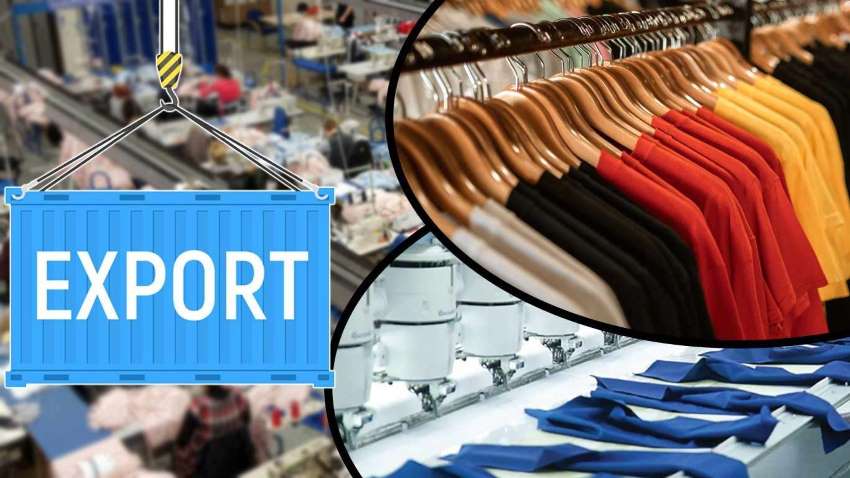
Cost spiral across fibers, chemicals and logistics squeezes India’s apparel expo…
India’s textile manufacturing sector has entered one of its most financially strained periods in recent years as increasing fiber, yarn,... Read more
How India’s textile recycling network is becoming a global ESG blueprint
India’s textile industry is mounting an aggressive defence against growing international criticism that developing economies are becoming dumping grounds for... Read more
Cotton trade under pressure as war risks and tariff chaos raise apparel costs
The global textile and apparel industry is entering a high-stakes period of volatility as the ongoing Iran war creates a... Read more
Copenhagen GFA summit 2026 signals reset in global apparel finance
" " The global apparel, textile, and fiber manufacturing industries are entering a decisive phase of financial and operational realignment, as... Read more
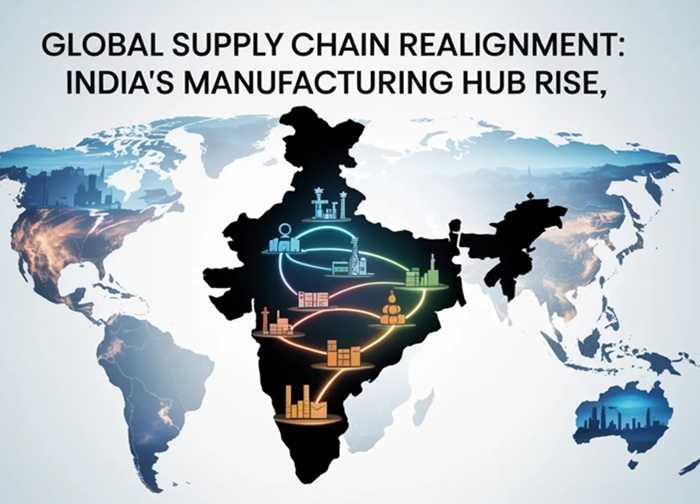
Global apparel supply chains realign as India navigates trade volatility
The global apparel and textile sector is experiencing a significant structural shift, as major manufacturers and retailers move away from... Read more
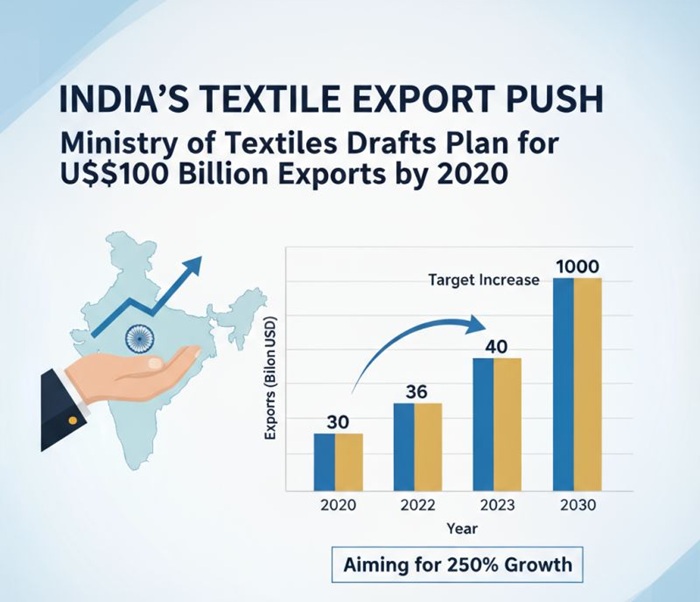
India’s textile sector targets global supply chain shift with $100 bn export pus…
As global brands push up efforts to diversify sourcing beyond traditional manufacturing hubs, India is repositioning its textile industry through... Read more