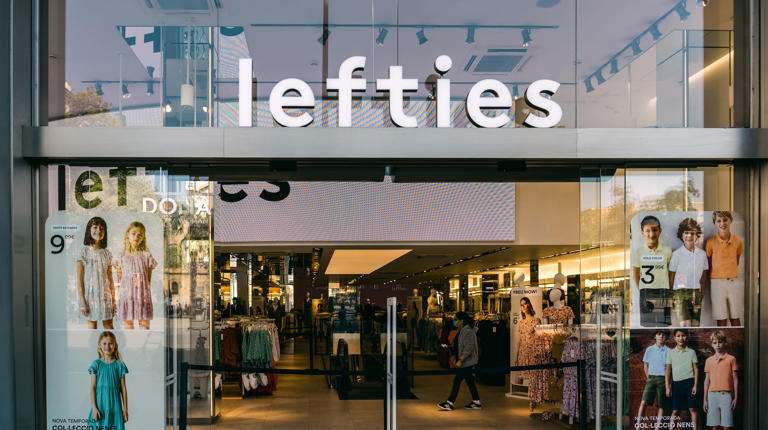
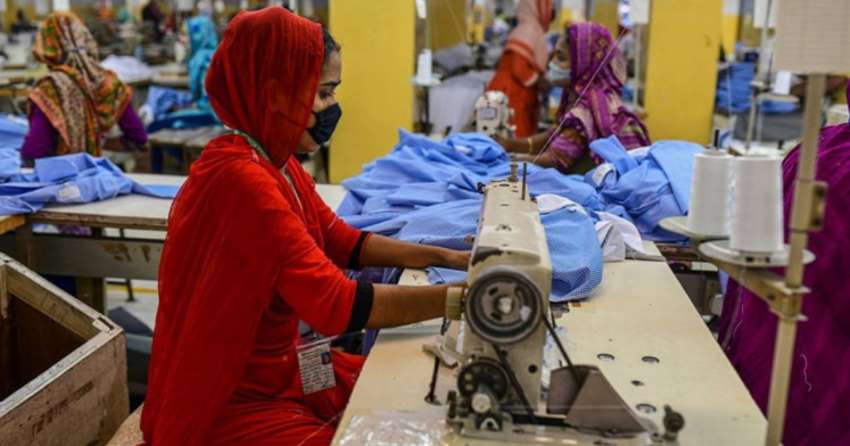
Worker abuses have been detected at factories in Ethiopia that supply brands like Tommy Hilfiger and Calvin Klein. Ethiopian workers who make clothes for their high-street stores routinely face verbal abuse and discrimination. Workers in PVH supplier factories in Ethiopia are forced to do unpaid overtime and lose pay for drinking water at their work stations. Hiring managers at one factory felt the stomachs of job applicants to see if they were pregnant.
PVH, which runs Tommy Hilfiger and Calvin Klein, is one of the world’s top clothing companies, with about a million garment workers in its supply chain. PVH has helped finance the flagship manufacturing hub in the Ethiopian town of Hawassa.
One of the poorest nations in Africa, Ethiopia is pushing to switch its economic focus from agriculture to manufacturing, in the face of increased scrutiny over labor conditions and rates of pay in the supply chains of global fashion brands. As labor, raw material and tax costs rise in Asian factories, Ethiopia is seeking to offer a cheaper alternative, attracting big brands such as US chain Gap and Sweden’s H&M. Ethiopia does not have a minimum wage but companies sourcing from Ethiopia have a code of conduct prohibiting abuse.
- 1
- 2
- 3
- 4
- 5
- 6
- 7
- 8
- 9
- 10
ICRA sees apparel export recovery in FY27 as margin pressure eases, FTAs gain tr…
India’s apparel export sector is moving out of a year defined by tariff-led disruption and into one shaped by market... Read more
From Price to Purpose: India’s textile leaders chart a sustainable future at CMA…
The Indian textile industry is standing at a historic crossroads. For decades, the sector has been fueled by its reputation... Read more
Industrial automation and AI take center stage at Garment Technology Expo (GTE) …
The conclusion of the 39th Garment Technology Expo (GTE 2026) in Greater Noida has signalled a decisive shift in South... Read more
The End of Geographic Masking: Shein and peers reclaim Made in China as a strate…
The era of the corporate ghost is ending. For years, the world’s most aggressive retail disruptors operated under ambiguity, relocating... Read more
$120 Crude, Zero Margin: How India’s textile hubs are paying the price
For India’s textile clusters, the current West Asia crisis is no longer a distant geopolitical headline. In Surat’s polyester corridors... Read more
Luxury under pressure as stagflation and geopolitics redefine the winners’ circl…
The 2025 earnings for Europe’s listed luxury majors have delivered a verdict that has far more implications than the prevailing... Read more
Luxury resale goes global, sneakers, handbags, archival fashion redrawing border…
The luxury resale market in 2026 is no longer a monolithic global block. According to the RB Insights January 2026... Read more
China out but can India deliver? The realities of the global sourcing shift
With the US imposing a flat 15 per cent tariff on Chinese imports under Section 122 as of February 2026,... Read more
Luxury in Retreat: Why the aspirational consumer is gone for good
The global luxury industry is confronting an unprecedented situation. The active consumer base, which peaked at 400 million in 2022,... Read more
The Invisible Bleed: How a single chemical is slowing India’s apparel machine
The global fashion industry has spent the better part of the past two years obsessing over visible disruptions viz. volatile... Read more