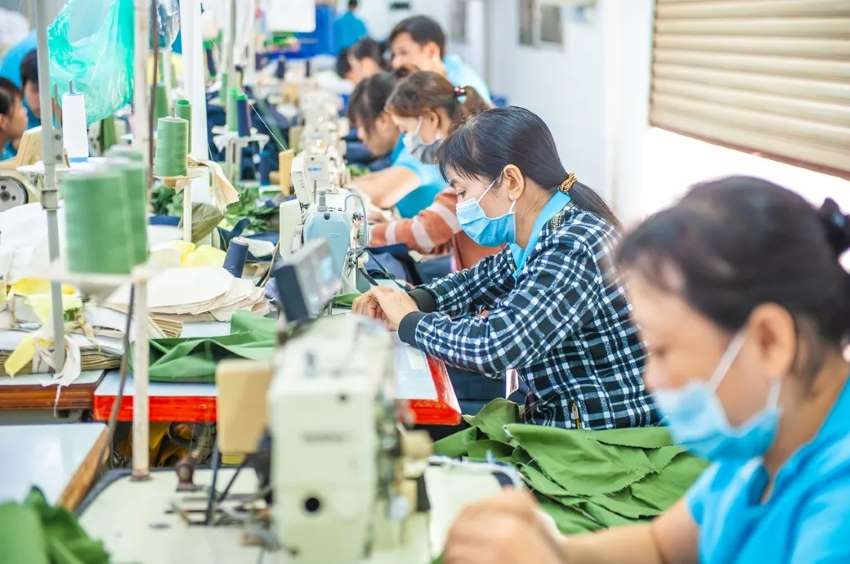
Vietnam’s earnings from exporting textiles and garments in the first 11 months of 2022 were up 18 percent from the same period last year. In November 2022 alone, however, Vietnam’s textile and garment export earnings decreased eight percent year on year.
Inflation, currency devaluation and decrease in purchasing power of major countries are among the risks for Vietnam’s textile and garment sector. These factors have forced Vietnamese textile and garment enterprises to seek and diversify export markets. Despite difficulties, many businesses are still growing in production. The country’s textile and garment industry is hopeful of meeting its export targets this year. In 2021, Vietnam’s export turnover from textile and garment products was up nine percent from 2020.
Vietnam’s largest export markets include China, Japan, the European Union, South Korea, and the United States. Vietnam’s textile and garment exports rose by 21 per cent during January 2022 to October 2022.The exchange rate is expected to continue to drop in the second half of 2022, negatively affecting businesses, particularly those with high expenses calculated in dollars. As of now Vietnamese enterprises are seeking ways to diversify material supply sources as well as export markets. In 2021 Vietnam’s textile and garment exports grew by nine per cent while yarn exports grew by 50 per cent.