A Coimbatore court has said exotic forex derivatives sold by banks to garment exporters during the global financial crisis in 2008 were illegal. The Tirupur Forex Derivatives Consumer Forum, which was formed by 25 exporters from Tirupur, who lost more than Rs 400 crores in the issue, moved court in Coimbatore saying that as many as 19 banks were involved in the fraud by selling the product that was not authorised by the Reserve Bank of India.
The court observed that the products sold by the banks were against the country’s laws and public policy, and also against RBI rules and guidelines. Garment exporters incurred losses due to fluctuations in currency rates while getting payments from overseas buyers. Banks were involved in the fraud, which was responsible for at least Rs 38,750 crores moving out of the country.
Exporters are now upping the ante seeking a CBI probe into the issue. In 2007-08, the rupee appreciated sharply to 39 to the dollar from 46 in just 15 days. At Rs 25,000 crores, Tirupur accounted for 45 per cent of total exports of readymade garments from the country last year. Exports fell short of the targeted Rs 30,000 crores with Brexit and the subsequent fall in the pound value upsetting calculations of exporters.
- 1
- 2
- 3
- 4
- 5
- 6
- 7
- 8
- 9
- 10
China out but can India deliver? The realities of the global sourcing shift
With the US imposing a flat 15 per cent tariff on Chinese imports under Section 122 as of February 2026,... Read more
Luxury in Retreat: Why the aspirational consumer is gone for good
The global luxury industry is confronting an unprecedented situation. The active consumer base, which peaked at 400 million in 2022,... Read more
The Invisible Bleed: How a single chemical is slowing India’s apparel machine
The global fashion industry has spent the better part of the past two years obsessing over visible disruptions viz. volatile... Read more
The Closet Paradox: How ‘nothing to wear’ is driving global overconsumption
In an era of overflowing wardrobes and instant fashion gratification, a striking paradox has emerged: the more clothes we own,... Read more
US trade rulings and labor slowdown reshape 2026 cotton supply chains
The global cotton industry is entering a period of adjustment, shaped by legal rulings, trade policy recalibrations, and a softening... Read more
Zero-tariff paradigm drives strategic re-sourcing at Global Sourcing Expo 2026
Projected to reach a valuation of $30.3 billion this year, the Australian textile and apparel market is entering a period... Read more
Strategic manufacturing takes center stage at Gartex Texprocess Mumbai 2026
A $179 billion industrial cornerstone contributing 2 per cent to the national GDP, the Indian textile and apparel sector is... Read more
The Hidden Tax on Fashion: 2026’s EPR rules squeeze margins and shake supply cha…
As the 2026 enforcement deadlines for California’s SB 707 and the European Union’s harmonized Waste Framework Directive loom, the global... Read more
Guess? Inc. retreats from China as American cool hits a cultural wall
For more than two decades, Guess? Inc., the emblem of ‘accessible American cool’, maintained an ambitious footprint in China. At... Read more
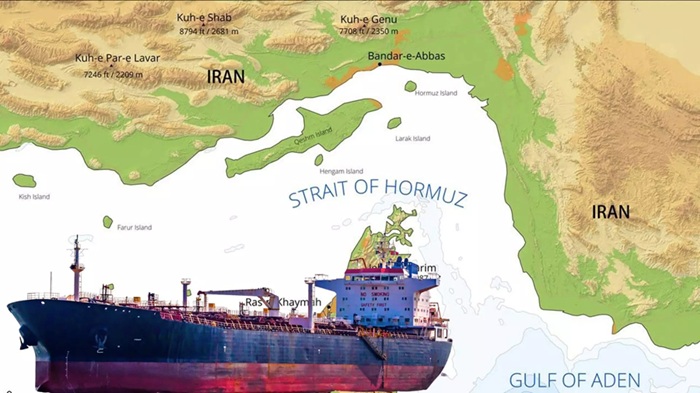
The Hormuz Effect: Why a distant war is shaking Bangladesh’s garment exports
The immediate impact of the Iran- Isarel-US conflict is being felt in the logistics arteries that connect Bangladesh’s factories with... Read more