Bangladesh has revised wages in six grades for garment workers. This resolves the unrest in the country's largest foreign export earning sector. Unrest hit the sector in 2016 when workers began protests demanding a new wage board. Around 350 unions for more than 4,500 active garment factories is a scanty number. Factory managements do not encourage formation of unions.
Cordial industrial relations have been missing in the sector for over 40 years since garment trade took off in the country. In almost every factory, the elected participation committees are present for the sake of compliance. In most cases these participation committees are inactive and only exist on paper under pressure from buyers.
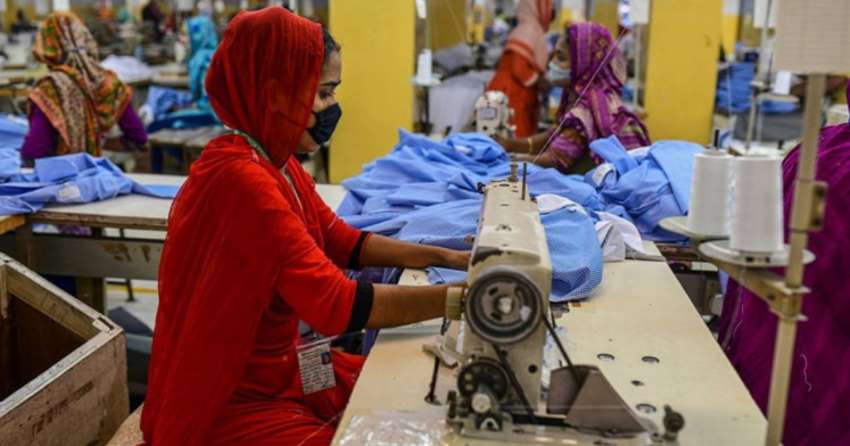
The latest spell of protests against disparity in wages was not guided by union leaders and it was evident when the demonstrating workers refused to return to work despite repeated calls from the leaders. After the last pay hike in 2013, many factories increased production target for workers and the work pressure built up tremendously. So relentless was the pressure that workers did not have even a minute to drink water or use the restroom during their shift. Bangladesh has emerged as a key hub for garment manufacturing, as prices in China have increased dramatically in recent years.

- 1
- 2
- 3
- 4
- 5
- 6
- 7
- 8
- 9
- 10
The End of Fibre Blends: Why retailers are moving toward 100% recyclable apparel
The apparel industry is entering a redesign phase as sustainability goals, regulatory pressures, and resource security unite around one central... Read more
Recycled polyester’s next growth phase will be driven by data, not fiber
For much of the last decade, recycled polyester was one of the easiest sustainability wins available to brands. Replacing virgin... Read more
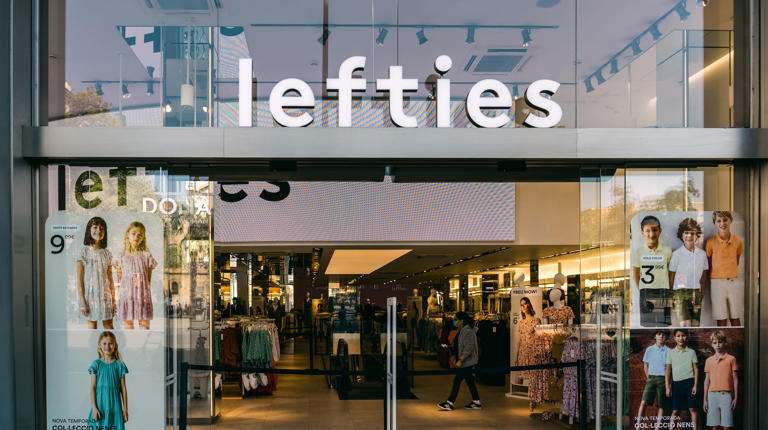
Lefties becomes Inditex's new weapon against Primark and Shein
While much of the global apparel industry has focused on the rapid rise of digital-first retailers such as Shein and... Read more
Bangladesh’s apparel export model hits a breaking point as price wars reduce mar…
Bangladesh's apparel industry, long regarded as the world's manufacturing hub for affordable, high-volume garments, is facing one of its most... Read more
EU textile labeling crackdown exposes apparel supply chain compliance risks
The European apparel industry is facing a major compliance challenge after a coordinated market surveillance exercise by the European Commission... Read more
Can Surat overcome raw material volatility to become a global MMF hub?
Surat remains the undisputed heart of India's man-made fibre (MMF) textile industry. The Gujarat cluster produces nearly 65 per cent... Read more
Emerging markets redraw the global fashion spending map
The global apparel industry is facing a geographic realignment as rising middle-class in developing economies reshape consumer spending patterns. New... Read more
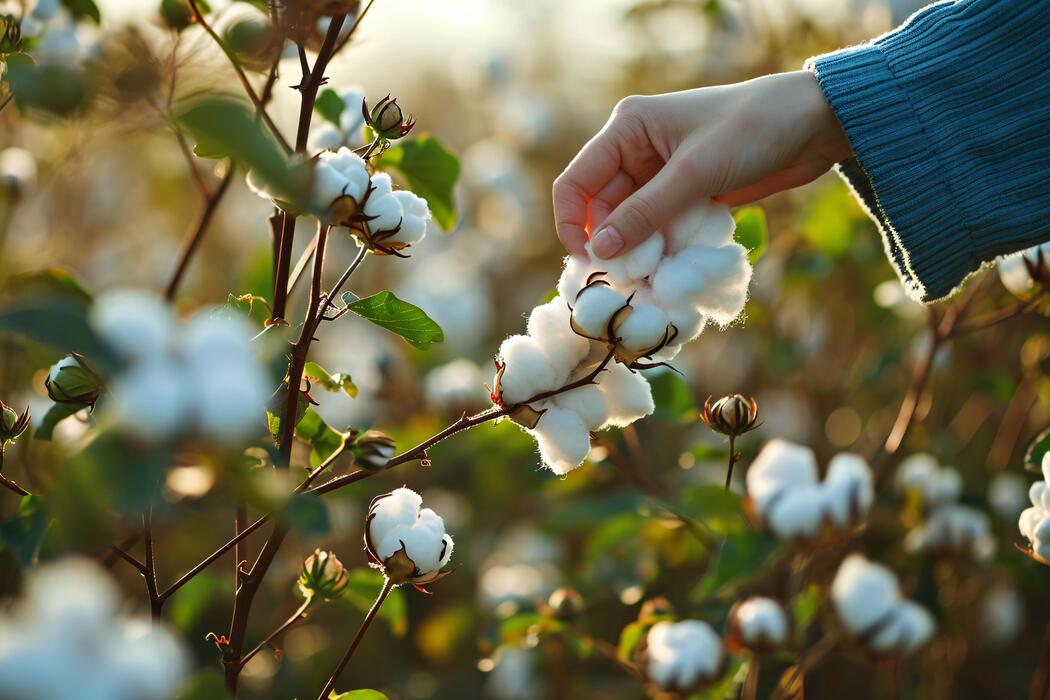
Shrinking cotton harvest puts global textile supply chains under pressure
The global textile industry is heading into another challenging procurement cycle as falling cotton production and shrinking cultivation areas threaten... Read more
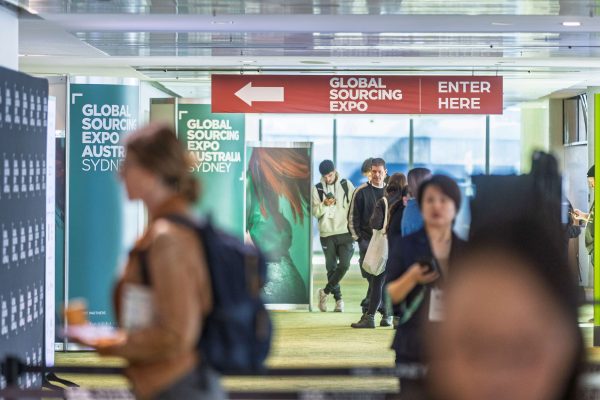
Global Sourcing Expo Sydney 2026 reports 20% growth in attendance
The Global Sourcing Expo Sydney 2026 has officially concluded, marking a watershed moment for Australia’s textile and apparel trade sector.... Read more
Bharat Tex 2026: Setting the global standard for textile commerce and innovation
As the industry prepares for a major milestone, Bharat Tex 2026 is set to strengthen its position as the premier... Read more