H&M (Hennes & Mauritz) sales including VAT increased by five per cent in local currencies in April 2016 compared to the same month the previous year.The total number of stores amounted to 4,035 on April 30, 2016, compared to 3,610 on April 30, 2015.
The cold spring which continued into April in several of H&M’s large markets has had an unfavorable impact on sales of transitional garments.
The company plans to open 50 stores in India.
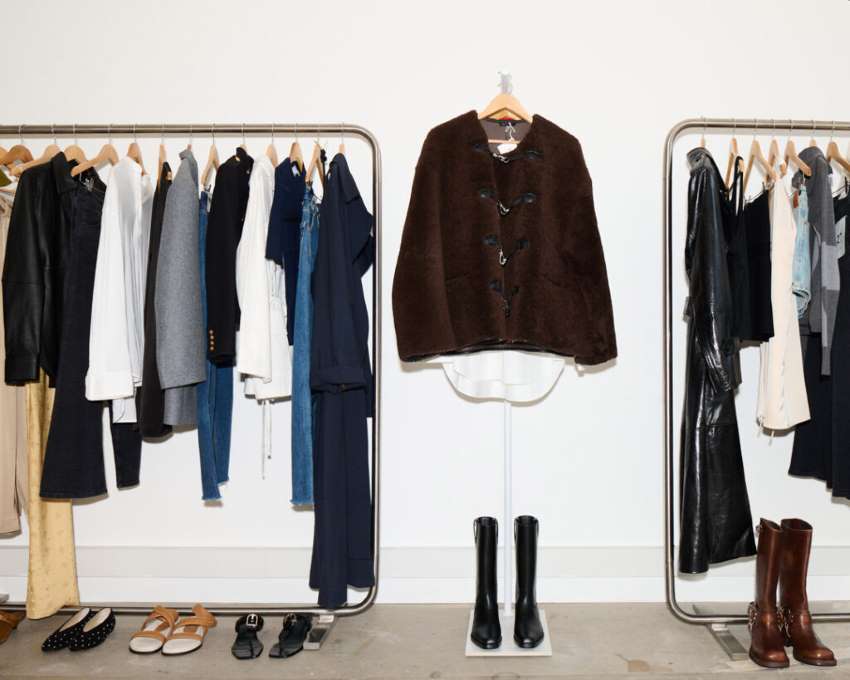
H&M features a wide range of fashion using many different concepts, from updated classics and basics, to clothes that reflect the very latest international trends.
H&M was founded in Sweden in 1947. It offers fashion and quality at the best price in a sustainable way. It’s a pioneer of design collaborations with style icons such as Karl Lagerfeld, Stella McCartney, Viktor & Rolf, Roberto Cavalli, and Comme des Garçons. H&M offers a varied assortment for the entire family, including concepts for women, men, teenagers and children. The products include clothing, accessories, footwear, sportswear, cosmetics, and home textiles.
In addition to H&M, the group includes the brands Other Stories, Cheap Monday, COS, Monki and Weekday as well as H&M Home. The group has more than 4,000 stores in 61 markets including franchise markets. The number of employees is more than 1,48,000.

- 1
- 2
- 3
- 4
- 5
- 6
- 7
- 8
- 9
- 10
The €2,150 Question: Can Europe afford circular fashion at scale?
Europe's push to build a circular textile economy is facing an uncomfortable commercial truth. The technology capable of producing virgin-quality... Read more
From cotton peaks to polyester pressures, textile supply chains face a reset
The assumption that textile supply chains can absorb periodic swings in cotton prices has become untenable. During the first seven... Read more
Global sourcing reset exposes India’s apparel competitiveness gap
The assumption that global apparel sourcing would naturally shift from China to India is proving increasingly misplaced. Fresh trade data... Read more
The new fashion equation, quality, agility and value replace speed and discounts
The traditional order that once separated low-cost fast fashion from premium luxury is steadily breaking down as consumers become more... Read more
AI goes invisible as fashion brands rewire design studios
The fashion industry's digital transformation is entering a new phase. After investing heavily in sophisticated 3D computer-aided design (CAD) platforms... Read more
Natural fibers gain ground as global retail pushes back against polyester
A change is underway across the global textile industry as consumer preferences begin to alter sourcing decisions that have long... Read more
From exclusivity to engagement, luxury retail rewrites its growth strategy for 2…
The global luxury industry is entering a different growth cycle. After years of post-pandemic spending riding on affluent consumers and... Read more
Shaping the future of fashion at BRICS+ 2026
The upcoming BRICS+ Fashion Summit in Moscow promises to be a pivotal international gathering, offering a dedicated platform for fast-growing... Read more
The 10.3 mn-tonne cotton trade boom will be driven by scarcity, not surplus
The global cotton trade is entering an unusual expansion phase. Trade volumes are expected to rise steadily over the next... Read more
From Volume to Value: How fashion supply chains are defending margins through 20…
For decades, the global textile and apparel industry measured success through factory utilisation. Full order books, high machine occupancy and... Read more