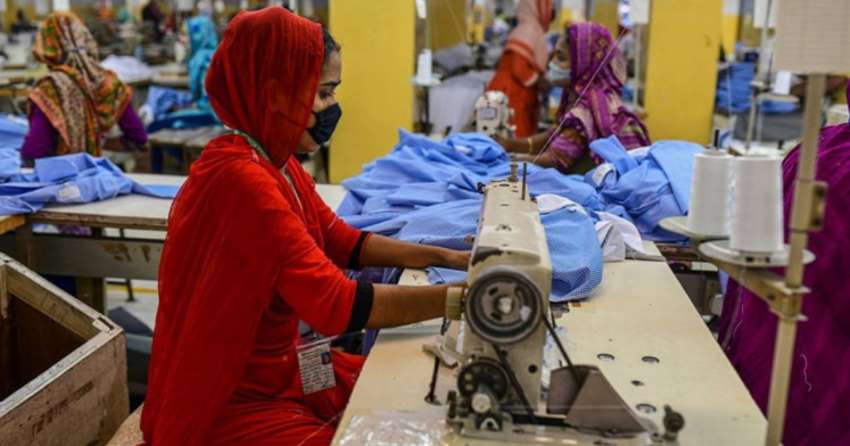
A bill in Bangladesh has proposed labor-friendly measures. Some of the salient features of the bill are: giving workers more facilities — including reducing the percentage of workers’ participation required for forming trade unions at factories from 30 per cent to 20 per cent, prohibiting children from working in factories, and giving employees who work during festivals leave and wages for two days.
It also says support of 51 per cent workers would be needed as against the present two-thirds to call a strike. In case of natural death the family of the worker concerned will get enhanced compensation. In case of injury too the compensation amount has been hiked. Mentally and physically-challenged laborers cannot be employed in any risky work.
Registration has to be given to a trade union within 55 days of receiving the application. Earlier it was 60 days. The labor court has to deliver judgment in a case within 90 days from the date of filing. If it is not possible to announce the verdict in the stipulated time, the court will have to pass its order within 90 days. If a female worker gives birth before informing the authorities she will get an eight-week leave within three days after informing the authorities.

- 1
- 2
- 3
- 4
- 5
- 6
- 7
- 8
- 9
- 10
Women’s wear power global apparel growth as big brands rework retail strategies
For years, the world's largest apparel companies built their businesses around men's denim, workwear and outdoor clothing. That strategy is... Read more
The End of Fibre Blends: Why retailers are moving toward 100% recyclable apparel
The apparel industry is entering a redesign phase as sustainability goals, regulatory pressures, and resource security unite around one central... Read more
Recycled polyester’s next growth phase will be driven by data, not fiber
For much of the last decade, recycled polyester was one of the easiest sustainability wins available to brands. Replacing virgin... Read more
Lefties becomes Inditex's new weapon against Primark and Shein
While much of the global apparel industry has focused on the rapid rise of digital-first retailers such as Shein and... Read more
Bangladesh’s apparel export model hits a breaking point as price wars reduce mar…
Bangladesh's apparel industry, long regarded as the world's manufacturing hub for affordable, high-volume garments, is facing one of its most... Read more
EU textile labeling crackdown exposes apparel supply chain compliance risks
The European apparel industry is facing a major compliance challenge after a coordinated market surveillance exercise by the European Commission... Read more
Can Surat overcome raw material volatility to become a global MMF hub?
Surat remains the undisputed heart of India's man-made fibre (MMF) textile industry. The Gujarat cluster produces nearly 65 per cent... Read more
Emerging markets redraw the global fashion spending map
The global apparel industry is facing a geographic realignment as rising middle-class in developing economies reshape consumer spending patterns. New... Read more
Shrinking cotton harvest puts global textile supply chains under pressure
The global textile industry is heading into another challenging procurement cycle as falling cotton production and shrinking cultivation areas threaten... Read more
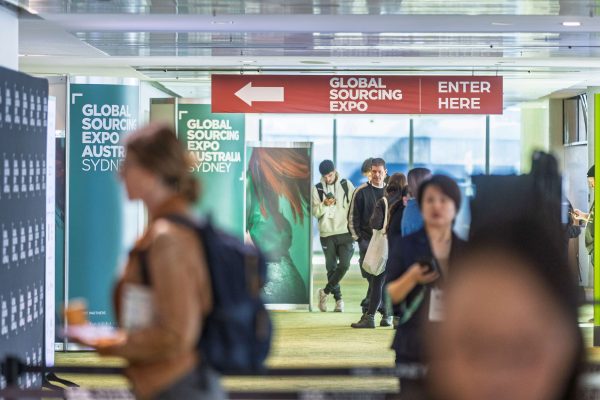
Global Sourcing Expo Sydney 2026 reports 20% growth in attendance
The Global Sourcing Expo Sydney 2026 has officially concluded, marking a watershed moment for Australia’s textile and apparel trade sector.... Read more