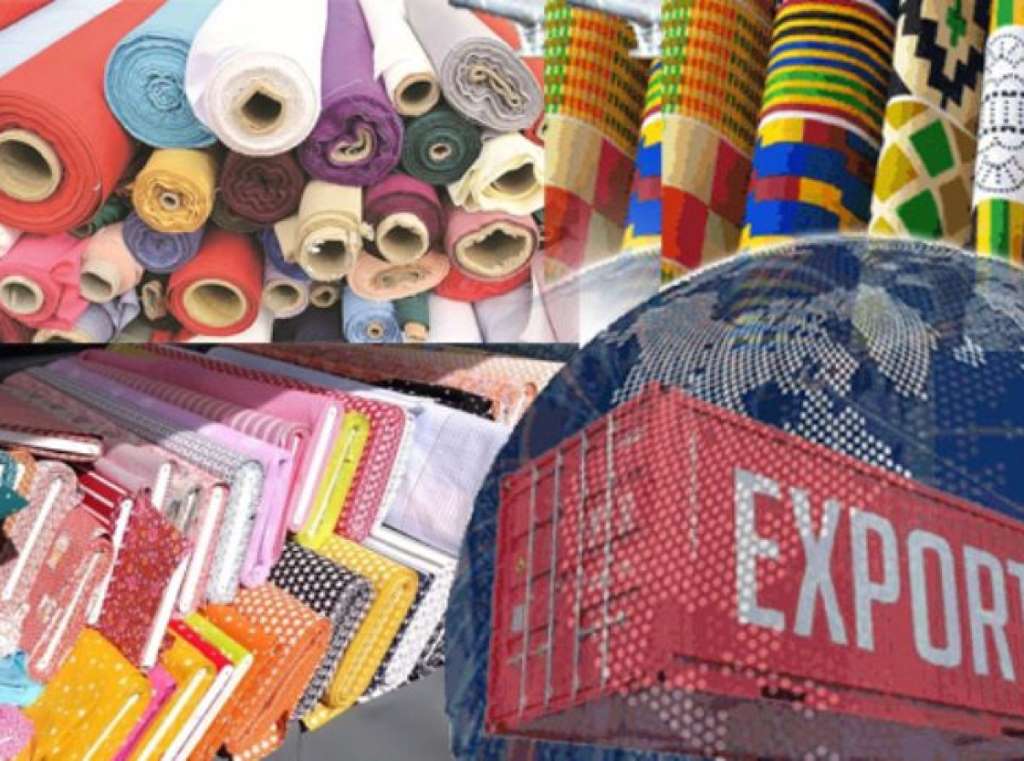
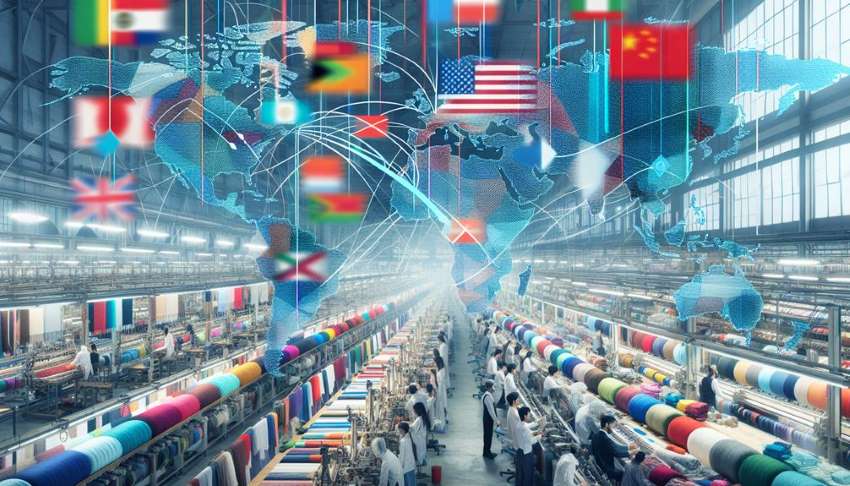
Bangladesh has set a target of reaching $50 billion in readymade garment exports by 2021. This is not unrealistic, given the potential and growth momentum of the sector over the years. But at the same time the setbacks triggered by the incidents of fire, factory collapse and labor unrest in recent years have cast an ominous shadow.
The situation prevailing now, reflects numerous difficulties and challenges that might have a multiplier negative effect on both production and exports. The readymade garment sector is the key contributor to the country's economy. Like other manufacturing sectors, it faces shortage of energy, skilled manpower and poor infrastructure, those that are equally challenging relate to wage and workplace safety constraints compounded by demands of labor unions and rights group activists.
Movement of cargo from factory sites to ports is extremely time-consuming. Producing goods for export has become expensive. Inspection of factories by Accord and Alliance, the EU and US-based retailer groups respectively, will require most factories to spend a lot to meet safety standards.
The sector needs a roadmap to negotiate ahead. Given that the basic infrastructure needs cannot be met overnight, efforts must be wholehearted to improve the situation as quickly as possible.
- 1
- 2
- 3
- 4
- 5
- 6
- 7
- 8
- 9
- 10
$120 Crude, Zero Margin: How India’s textile hubs are paying the price
For India’s textile clusters, the current West Asia crisis is no longer a distant geopolitical headline. In Surat’s polyester corridors... Read more
Luxury under pressure as stagflation and geopolitics redefine the winners’ circl…
The 2025 earnings for Europe’s listed luxury majors have delivered a verdict that has far more implications than the prevailing... Read more
Luxury resale goes global, sneakers, handbags, archival fashion redrawing border…
The luxury resale market in 2026 is no longer a monolithic global block. According to the RB Insights January 2026... Read more
China out but can India deliver? The realities of the global sourcing shift
With the US imposing a flat 15 per cent tariff on Chinese imports under Section 122 as of February 2026,... Read more
Luxury in Retreat: Why the aspirational consumer is gone for good
The global luxury industry is confronting an unprecedented situation. The active consumer base, which peaked at 400 million in 2022,... Read more
The Invisible Bleed: How a single chemical is slowing India’s apparel machine
The global fashion industry has spent the better part of the past two years obsessing over visible disruptions viz. volatile... Read more
The Closet Paradox: How ‘nothing to wear’ is driving global overconsumption
In an era of overflowing wardrobes and instant fashion gratification, a striking paradox has emerged: the more clothes we own,... Read more
US trade rulings and labor slowdown reshape 2026 cotton supply chains
The global cotton industry is entering a period of adjustment, shaped by legal rulings, trade policy recalibrations, and a softening... Read more
Zero-tariff paradigm drives strategic re-sourcing at Global Sourcing Expo 2026
Projected to reach a valuation of $30.3 billion this year, the Australian textile and apparel market is entering a period... Read more
Strategic manufacturing takes center stage at Gartex Texprocess Mumbai 2026
A $179 billion industrial cornerstone contributing 2 per cent to the national GDP, the Indian textile and apparel sector is... Read more