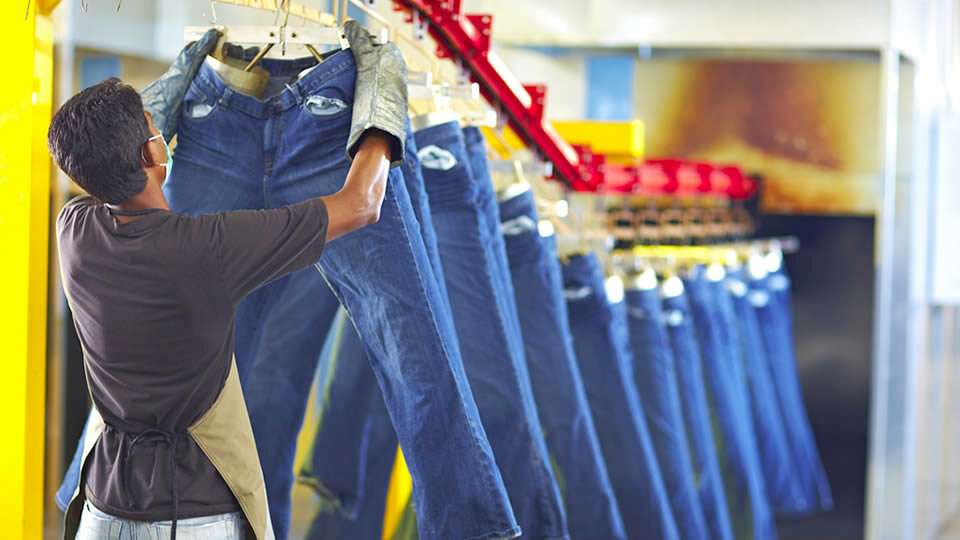
The global textile and apparel market is observing a strategic transformation as the 20th Bangladesh Denim Expo convenes in Dhaka. With the industry’s central theme, ‘Frontline to Future,’ the event highlights a critical shift from volume-driven production to high-value, innovation-led manufacturing. As Bangladesh approaches its graduation from Least Developed Country (LDC) status, the nation’s denim sector is aggressively diversifying beyond basic cotton commodities into technical textiles and synthetic fibers. This transition is essential for maintaining market share in the European Union and United States, which together absorb the vast majority of the country's apparel exports.
Addressing structural transitions
Industry leaders are currently prioritizing green investment and circular economy models to mitigate the risks associated with post-LDC trade agreements. Mostafiz Uddin, Founder and CEO, emphasized, the sector is actively building its future rather than passively reacting to global demand. For four decades, the apparel industry has absorbed immense pressure to deliver value. Now, it is shifting to responsible manufacturing and product diversification to ensure long-term competitiveness, notes Uddin. Manufacturers are increasingly integrating 3D virtual prototyping and automated laser-cutting to reduce wastage and lead times, addressing the urgent global demand for sustainable, ethical, and traceable supply chains.
Navigating global market dynamics
Despite macroeconomic headwinds such as fluctuating energy costs and logistical challenges, the sector continues to demonstrate resilience. The shift toward vertical integration - where factories control processes from yarn spinning to the final garment - is serving as a core mechanism to mitigate supply chain volatility. By fostering stronger linkages between technology providers and local producers, the exhibition aims to resolve the ‘blind spot’ of visibility, proving that Bangladesh is capable of spearheading design and material innovation. Policymakers and industry stakeholders are utilizing these forums to negotiate future trade frameworks, ensuring that the transition to a higher-value economy remains both just for the workforce and profitable for global retail partners.
Bangladesh serves as the world's second-largest apparel exporter, with the textile and garment sector accounting for over 84 per cent of national export earnings. The industry specializes in denim, knitwear, and technical apparel. With an annual export value exceeding $45 billion, the country is currently scaling production through high-tech manufacturing, LEED-certified facilities, and strategic product diversification. Historically rooted in small-scale sewing workshops, the sector has evolved into a global powerhouse, now focusing on sustainable, circular-economy practices and synthetic fiber integration to maintain its competitive advantage in the global market.