A premature cessation of Accord’s operations in Bangladesh would be a major setback for worker safety in the country. Over the past two months, at least 95 people have died in fires in buildings. The same combination of owners’ negligence of building regulations and authorities’ failure to inspect buildings and enforce regulations that made Rana Plaza possible is still a daily reality in Bangladesh. Authorities fail to notice or act on the knowledge that buildings have no safety licenses, violate building construction rules, have no fire-protected exits and keep many of their emergency doors locked, despite earlier fires.
The 193 Accord signatory companies have a binding obligation to only source from factories where Accord has verified that the fire, electrical, and structural safety remediation process is on track. Cognizant of that obligation, brands have made clear that a premature termination of Accord could endanger the safety of workers employed in the garment industry.
The Accord on Fire and Building Safety in Bangladesh is an enforceable agreement signed by apparel brands and trade unions following the Rana Plaza building collapse of April 2013 that killed 1,134 garment workers. Accord provides independent safety inspections, transparent remediation protocols as well a worker complaint mechanism and training. As a result, unprecedented safety improvements have been made to factories across the country.





Bangladesh: Accord should be allowed to continue
- 1
- 2
- 3
- 4
- 5
- 6
- 7
- 8
- 9
- 10
Is recycled polyester from bottles a broken narrative?
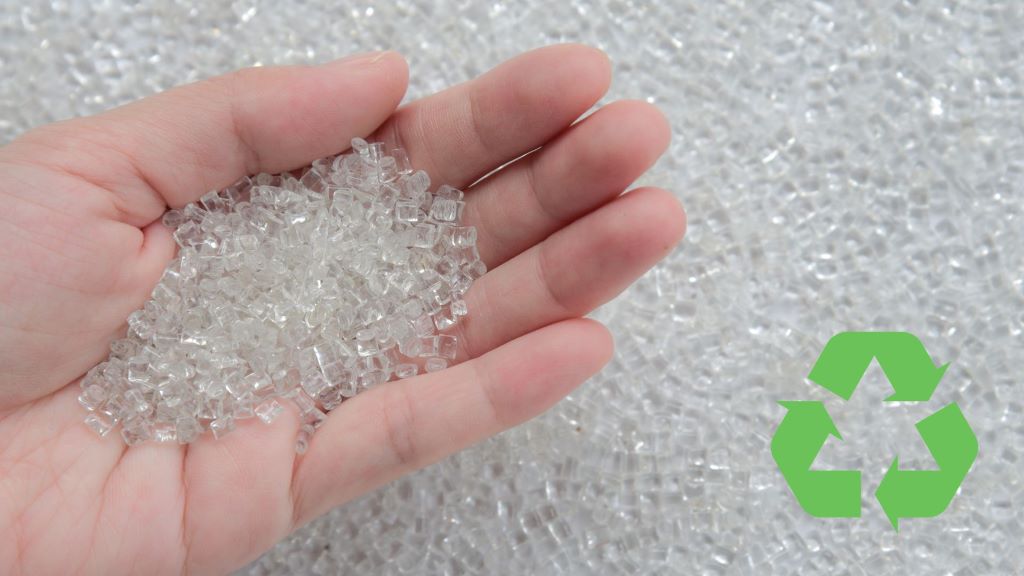
The fashion industry's long-standing reliance on recycled polyester from plastic bottles is facing scrutiny as its drawbacks become apparent. Initially... Read more
Home Textile Exports: A revival story across India, Pakistan & Bangladesh
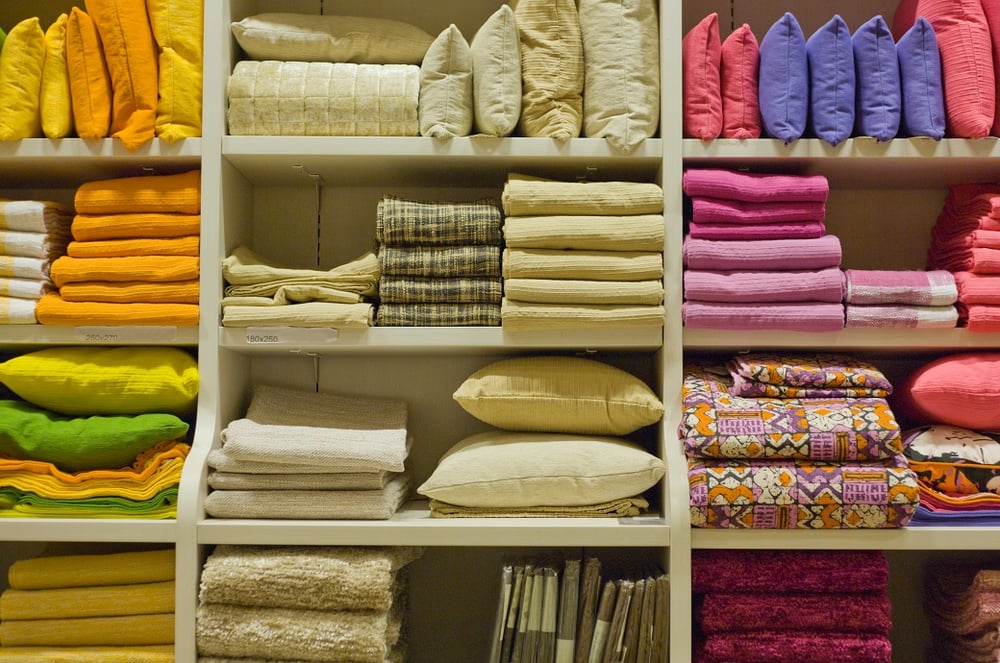
The home textile industry, once a bright spot in global exports, faced a slump for over a year. However, there... Read more
China's luxury e-com boom fizzles as shoppers drive up returns
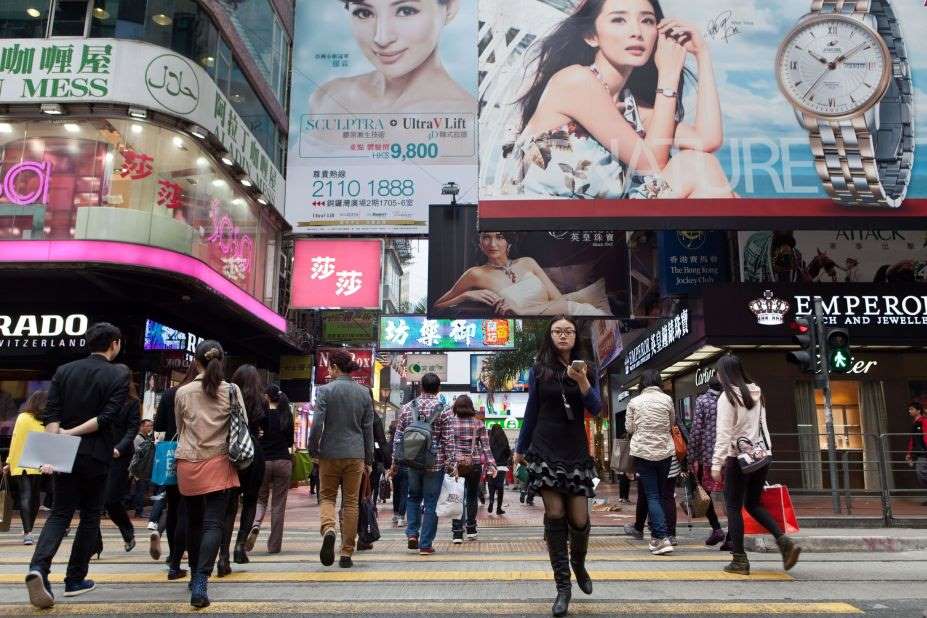
China's luxury e-commerce market, once a golden goose for high-end brands, is facing a new challenge: skyrocketing return rates. Shoppers... Read more
Dynamic growth and evolution of the women’s apparel market
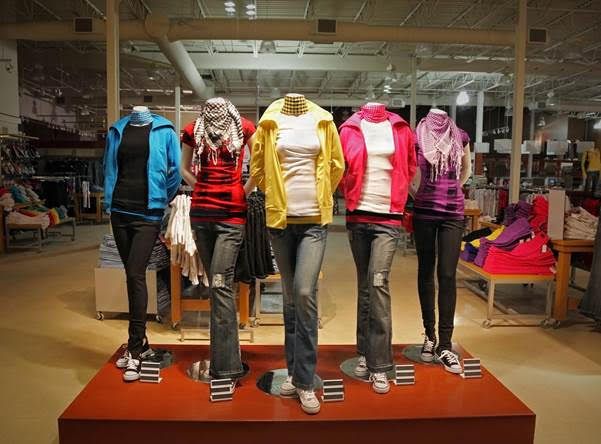
The Women’s Apparel market stands as a dynamic force within the global fashion industry, embracing a plethora of clothing and... Read more
Bangladesh shifts cotton sourcing from India to Africa, as it impact global cott…
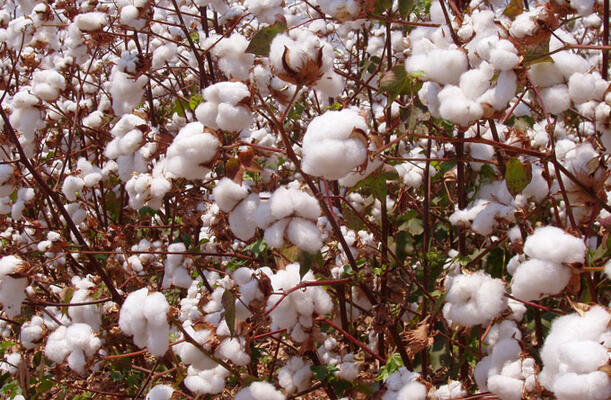
Bangladesh, the world's second-largest garment exporter after China, is undergoing a significant shift in its cotton import strategy. Traditionally, India... Read more
Global Apparel Trade Slowdown: Waning consumer demand paints bleak economic pict…
Wazir Advisors April 2024 report on global apparel trade paints a worrying picture, with major markets like the US, EU,... Read more
China's fabric exports to India shrink with rising domestic demand
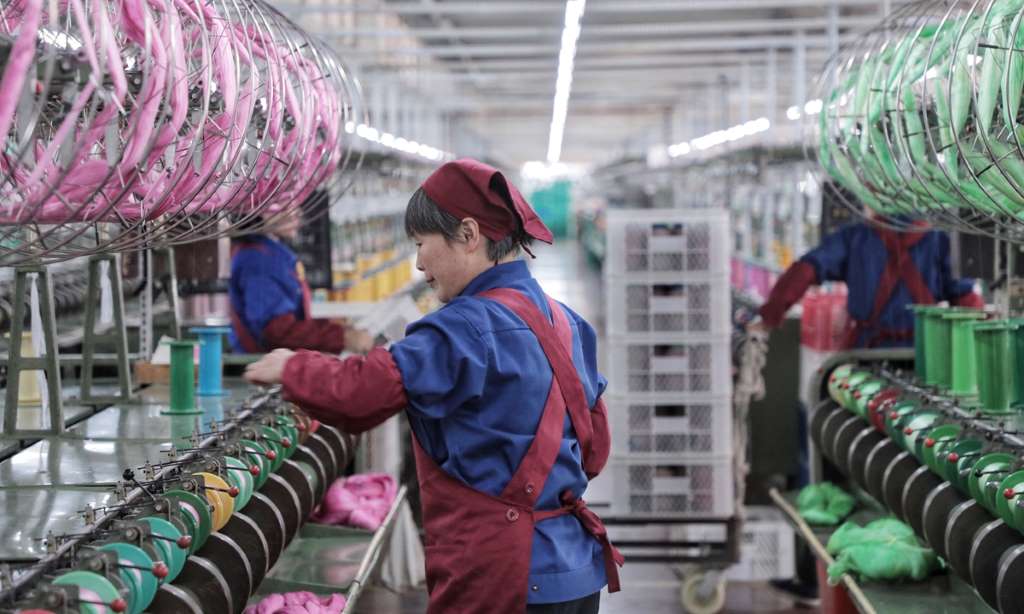
While China remains the world's leading textile producer, its grip on India's fabric import market appears to be loosening. Data... Read more
Levi's makes big bet on DTC sales, embraces baggy denim trend
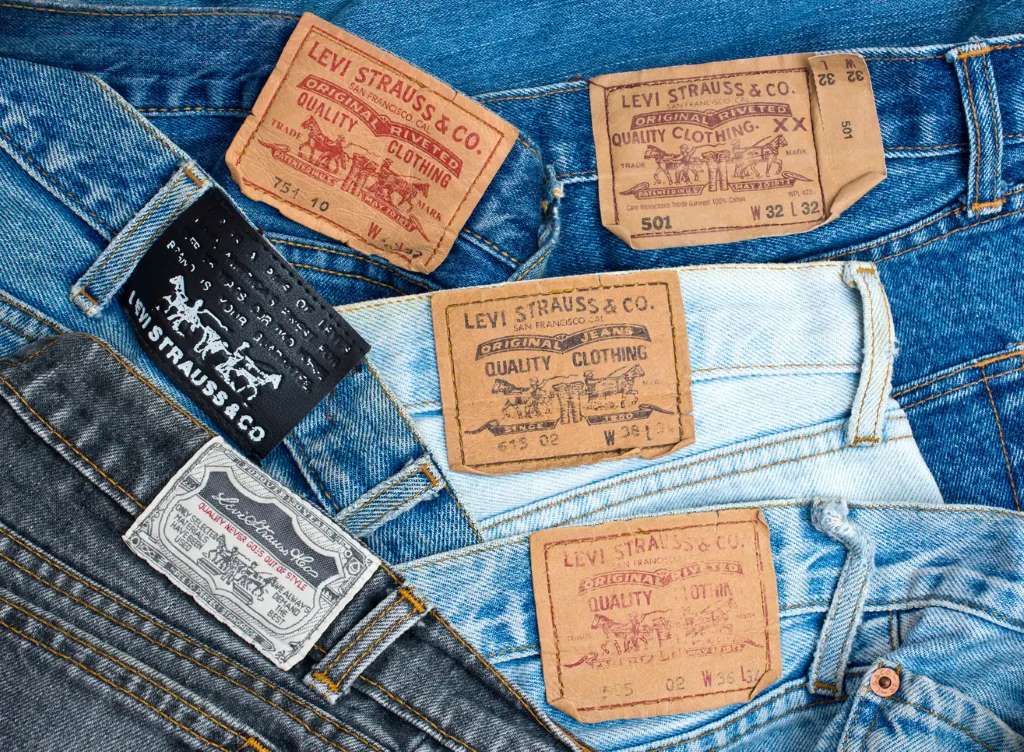
Levi Strauss & Co. (Levi's) is experiencing a positive shift in its business strategy, with a strong focus on direct-to-consumer... Read more
Fashion InStyle, Home InStyle showcase lifestyle trends and sustainability effor…
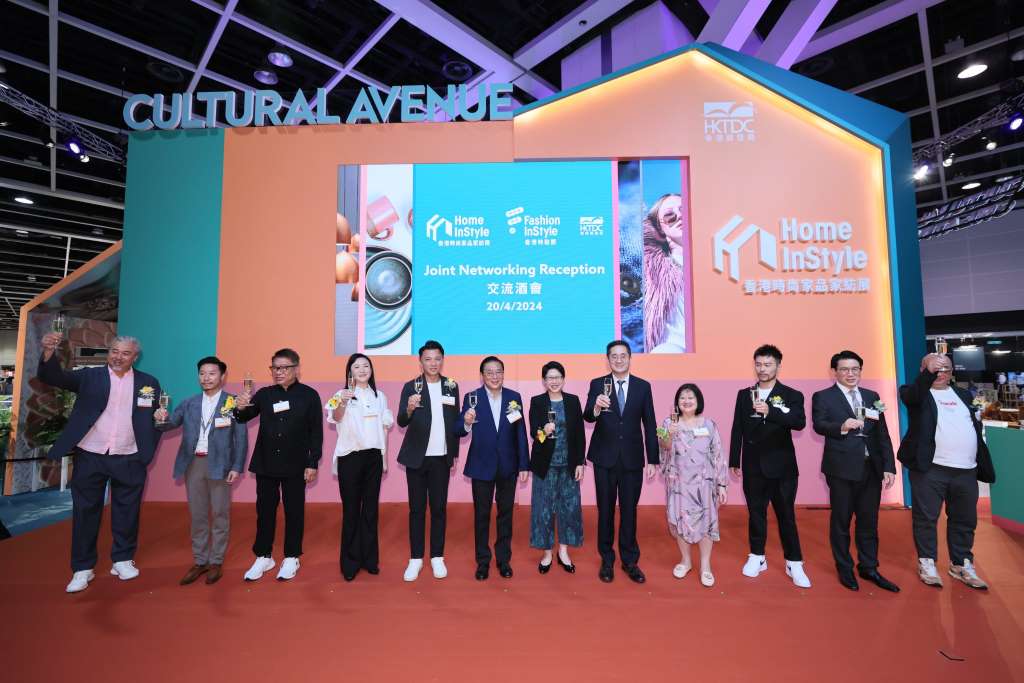
The Hong Kong Trade Development Council (HKTDC) is hosting a week-long extravaganza of lifestyle products and creative industries, featuring two... Read more
Shenzhen Underwear Fair (SIUF) Wraps Up Showcasing Expanding Focus: Beyond linge…

The 2024 China (Shenzhen) International Brand Underwear Fair (SIUF) concluded yesterday, April 21st, marking the end of a three-day event... Read more