FW
Empel goes global: Enters Korean market with Hwasung International
Green Theme Technologies (GTT), renowned for its Empel water-free and PFAS-free textile finishing platform, has marked another milestone in its growth trajectory through a strategic partnership with Hwasung International, a leading Korean-based global textile innovator. This collaboration sees Hwasung becoming the first Korean mill to integrate Empel technology into its offerings, catering to both global footwear giants and regional clients.
Traditionally, sustainability in textile finishes often came at the cost of performance. However, GTT's Empel platform defies this notion, as highlighted by Martin Flora, GTT's President of Global Business Development. He emphasizes that Empel not only enhances sustainability but also bolsters performance, presenting a win-win scenario for manufacturers, partner brands, and the environment.
Empel's versatility extends across various textile sectors, including outdoor gear, high fashion, footwear, automotive, and military applications. By eliminating water from the treatment process, Empel not only enhances sustainability but also aids in reducing pollution and waste in textile manufacturing.
DK Lee, President of Hwasung International, lauds Empel's compatibility with their innovative textiles, which merge sustainability with cutting-edge solutions.
With Hwasung International onboard, GTT strengthens its position in combating textile-related water pollution and eliminating harmful chemicals from global supply chains. This partnership underscores a collective commitment to sustainable practices in the textile industry, marking a significant step towards a greener future.
Green Theme Technologies, Inc. (GTT) is a US-based textile innovation company committed to enhancing performance and reducing pollution worldwide. Their Empel textile finishing platform offers water-free and PFAS-free solutions that surpass existing technologies in water repellency, stain-release, and anti-wick properties. Empel ensures exceptional durability, extending the lifespan of textiles and products it treats.
H&M to nominate Helena Saxon to the board of directors
Hennes & Mauritz AB's (H&M ) nomination committee has finalized its recommendations for the upcoming annual general meeting on May 3, 2024. The committee proposes Helena Saxon as a new addition to the board of directors, alongside the re-election of current members. Notably, Karl-Johan Persson is set to retain his position as the board's chair.
Helena Saxon, a finance professional with extensive experience in tech, investments, and communications, is hailed as a valuable asset by the committee. Saxon's tenure as CFO at Investor AB since 2015, coupled with her diverse board affiliations, including SEB, Sobi, and the Stockholm School of Economics, underlines her aptitude for strategic leadership and financial acumen.
The departure of Niklas Zennström, who declines re-election, marks the end of a decade-long tenure characterized by significant contributions, particularly in guiding H&M through digital transformation. Zennström's role in fostering tech and entrepreneurial initiatives within the company has been pivotal.
The nomination committee's line-up, including stalwarts such as Karl-Johan Persson and representatives from major shareholders, reflects a commitment to robust governance. Their recommendations, covering 83 per cent of total votes, underscore a broad consensus among shareholders.
H&M's evolution towards a digital-centric strategy, coupled with strategic board appointments, signals a proactive approach to navigating the ever-changing retail landscape. As the company steers through this transformative phase, the AGM stands as a pivotal moment to reinforce its trajectory under fresh leadership and experienced guidance.
Bangladesh registers notable increase in RMG exports to Europe during Jul-Feb’24: EPB
Bangladesh’s RMG exports to key European nations increased notably during the period from Jul-Feb’24. As data from the Export Promotion Bureau (EPB) shows, RMG exports to EU surged by 3.27 per cent Y-o-Y to $16.23 million.
Exports to Spain, France, the Netherlands and Denmark surged by 8.68 per cent Y-o-Y, 4.72 per cent Y-o-Y, 14.55 per cent Y-o-Y, 21.82 per cent Y-o-Y and 32.81 per cent respectively. However, Bangladesh’s RMG exports to Italy and Germany witnessed marginal declines of 0.93 per cent and 11.63 per cent respectively.
Bangladesh’s RMG exports to the United States also fell by 2.58 per cent to $5.46 million. Meanwhile exports to the United Kingdom and Canada, rose by 14.64 per cent to $3.85 billion and 1.81 per cent to $998.77 million, respectively.
Emerging as promising destinations, non-traditional markets witnessed a 10.83 per cent Y-o-Y rise in RMG exports totaling $6.30 million. Exports to Japan, Australia and South Korea increased by 7.12 per cent, 21.29 per cent and 17.16 per cent respectively.
However, Bangladesh witnessed a notable decline of 22.99 per cent Y-o-Y per cent in apparel exports to India during this period.
Sri Lanka witnesses 0.19% rise in export earnings in Feb’24
Sri Lanka witnessed a 0.19 per cent Y-o-Y rise to $398 million in its export earnings from the apparel sector in Feb’24.
During the month, Sri Lanka’s export earnings from the United States grew by 5.94 per cent Y-o-Y to $165 million while earnings from the United Kingdom expanded by 22,61 per cent Y-o-Y to $64 million. On the other hand, Sri Lanka’s apparel export earnings from the European Union (EU) dropped by 1.05 per cent Y-o-Y to $112 million in February while earnings from other markets dipped by 25 per cent Y-o-Y to $56 million.
Sri Lanka’s cumulative export earnings during the Jan-Feb’24 period contracted by 4.8 per cent to $756 million. Export earnings from the United States, Europe Union, and other markets contracted by 6.2 per cent, 5.2 per cent, and 10.32 per cent respectively. Meanwhile exports earnings from the United Kingdom grew by 7.31 per cent.
New Look collaborates with other players to reduce carbon emissions in fashion supply chain
As announced by UK’s Digital Catapult, a major player in high street fashion, New Look has teamed up with several other initiatives to reduce carbon emissions and accelerate the adoption of hydrogen within the UK textile industry's supply chain.
As a part of this initiative, New Look will sponsor one of the four challenges introduced by Digital Catapult's 'Made Smarter Innovation Digital Supply Chain Hub.' Each challenge will receive funds worth £100,000 to address industrial issues within textile supply chains.
A company launched in collaboration with software provider Looper, New Look also aims to develop a system to gain deeper insights into the lifecycle of its garments. The company aims to better understand the environmental impacts of its products by aggregating data from product life cycle assessments,
Through this initiative, New Look also aims to offer customers more sustainable clothing options, aligning with the increasing demand from environmentally conscious consumers.
As a part of their announcement, Digital Catapult unveiled four textile supply chain projects including a new pricing engine by transport management firm Loadar to optimise truck journeys and reduce carbon footprints. The project is being supported by Norfolk-based sustainable clothing disposal expert ShredStation.
Additionally, tech start-up MadeBy launched a project to create a system to track material flows across textile supply chains, sponsored by consultancy QSA Partners. Through this project, green hydrogen firm Heuris Energy aims to standardise data and model in the UK's hydrogen supply chain for textile customers. This will enable the company to reduce costs and enhance efficiency.
Highlighting the significant economic contribution of the fashion and textiles industry to the UK, alongside the increasing consumer awareness of sustainable fashion, Tim Lawrence, Director, Digital Supply Chain Hub emphasised on the importance of sustainable innovation in simultaneously improving efficiency and reducing costs in these sectors.
With sustainability continuing to be a priority for stakeholders, the tools and solutions developed through these initiatives aim to meet the demands of customers and commercial partners while enhancing competitiveness within the industry.
25th Sign Istanbul scheduled from Oct 31-Nov 03, 2024 in Turkiye
A major event in the signage and digital printing sector in Turkiye, Sign Istanbul will hold its 25th edition from Oct 31-Nov 03, 2024. To be organised under the leadership of Informa Markets, the event will bring together over 300 companies, including leading brands from Türkiye and around the world, with over 25,000 industry professionals from nearly 100 countries.
The exhibition is set to be held across 30,000 sq m at the Tüyap Beylikdüzü. Most of Türkiye’s premier companies and global industry giants have already secured their presence at Sign Istanbul 2024, notes, Seda Bozkurt, Fair Director.
Anticipating over 25,000 professionals from Türkiye and abroad, the exhibition will offer attendees opportunities to make new business connections, explore the latest industry trends firsthand, and discover cutting-edge technologies including digital printing, screen printing, textile printing, laser machines, LED systems, industrial advertising products, inks, 3D printing technologies, and visual communication equipment, all at competitive costs.
Bozkurt notes a significant 19 per cent rise in the presence of foreign visitors this year from 24,612 professionals from over 90 countries who attended the fair last year. The previous edition witnessed attendance of professionals from regions spanning Asia & the Pacific, America, Central and Western Europe, Africa, the Middle East, and the Balkans, Participants from countries such as Kosovo, Bulgaria, Macedonia, Iraq, Germany, Romania, Azerbaijan, Tunisia and Georgia attended the show under the banner ‘Shine Your Sign.’
Hong Kong's Fashion InStyle returns ‘Bigger and Better’ in 2024
Fashion InStyle, Asia's leading fashion event, is revving up for its 2nd edition this year. Formerly known as the Hong Kong Fashion Week, the event will be held under a new EXHIBITION+ hybrid model, combining a physical show with an online platform to serve fashion professionals anytime, anywhere.
A global fashion extravaganza
The much-anticipated physical exhibition will take place from April 20 to 23, 2024, at the Hong Kong Convention and Exhibition Centre. It will converge hundreds of exhibitors from the clothing and fashion industry, showcasing the latest trends across the entire fashion supply chain. This includes textiles, fashion technologies, sustainability solutions, and suppliers of all-season clothing and accessories.
Running concurrently with Home InStyle, the event creates a dynamic sourcing festival for lifestyle products. For those who can't make it in person, Click2Match, the event's online business-matching platform, will be operational from April 13 to 30, facilitating connections between businesses.
What to expect at Fashion InStyle 2024
This year's event promises to be bigger and more vibrant than ever before. Here are some highlights to look forward to:
• Over 400 exhibitors: Attendees can explore a wide range of products from over 400 exhibitors from 8 countries and regions. This includes India, Indonesia, Luxembourg, Mainland China, Japan, Korea, Hong Kong, and Thailand.
• Themed zones: The exhibition will be divided into themed zones, catering to specific interests. These zones include:
• Certification & Trade Services Zone: This new zone promotes services related to meeting garment standards.
• Fashion Tech Zone: This zone showcases cutting-edge technologies used in garment manufacturing.
• Athleisure Zone: This zone features collections that blend comfort, function, and style, perfect for active lifestyles.
• Other zones will showcase new season garments, designer collections, fashion accessories, fabrics, and more.
• Focus on sustainability: There will be a strong emphasis on sustainability at the event, with exhibitors from ASEAN countries showcasing eco-friendly practices and products.
• Fashion parades and presentations: Witness the latest designs and brand features come alive through captivating fashion parades and presentations.
• Industry insights and networking: A lineup of seminars will provide valuable insights on fashion trends, technology, and sustainability. Networking receptions will offer opportunities to connect with industry professionals and explore business prospects.
Positive feedback from previous exhibitors and buyers
The 2023 edition of Fashion InStyle was a resounding success, attracting close to 56,000 buyers from over 130 countries and regions. Here's what some participants had to say about the event:
• Hayeon Kim, CEO of SALON DE YOHN, Korea: "We're impressed by the organization of Fashion InStyle. We networked with potential partners like fabric suppliers and button manufacturers, opening doors for business expansion."
• David Valker, Managing Director of Sk8 Kft., Hungary: "We found several potential suppliers of recycled and sustainable fabrics at Fashion InStyle. Hong Kong offers an excellent business environment, and this is a very successful show."
EXHIBITION+ Hybrid Model: Expanding Reach and Opportunities
The EXHIBITION+ hybrid model is a game-changer for Fashion InStyle. It provides a comprehensive package of services, including physical fairs organized by the HKTDC, Click2Match, the online business-matching platform, online-to-offline seminars under the Intelligence Hub and the hktdc.com- a sourcing platform
This combination extends the reach of the event beyond physical boundaries, offering greater flexibility and effectiveness for businesses. It allows for extended fair periods, expanded platforms, and enhanced opportunities for SMEs to connect with potential partners.
With its focus on innovation, sustainability, and global connectivity, Fashion InStyle 2024 promises to be a must-attend event for anyone in the fashion industry.
Global apparel trade slumps in January 2024 but India shows mixed picture: Wazir Advisors
Global apparel trade has seen a drop in January 2024. In its latest study ‘Apparel Trade Scenario in Key Global Markets and India-March 2024’ Wazir Advisors reveals, apparel consumption and import in the US, EU, UK, and Japan has seen a decline. India however throws up a mixed picture while apparel exports in February 2024 has shown a marginal increase compared to February 2023, imports however has gone down
Apparel imports drop across key markets
Wazir Advisors’ study shows, in January 2024, US apparel imports were $6.1 billion, almost 16 per cent lower than January 2023. Moreover, the share of China and Vietnam has increased by 2 per cent and 1 per cent, respectively since 2022 in the US apparel market. And India and Bangladesh share has remained the same since 2022.
EU’s apparel imports in January 2024 were $6.6 billion which is 20 per cent lower than January 2023. In the EU apparel market, China’s share has decreased 2 per cent while that of Turkey has increased 2 per cent since 2022. Interestingly, Bangladesh share has gone down since 2022 and so has India’s since 2023.
UK’s apparel imports in January 2024 stood at $1.4 billion, 18 per cent lower than in January 2023. Meanwhile in the UK apparel market, China’s share has reduced by 2 per cent and that of Italy has increased by 3 per cent since 2022. India’s share has more or less remained constant since 2022.
Japan, another major market too followed the same pattern as apparel imports in January 2024 were $1.9 billion, 14 per cent lower than January 2023. In the Japan apparel market, China’s share has gone down by 3 per cent while that of Vietnam has increased by 1 per cent since 2022. Bangladesh, Cambodia among others has seen no change.
Retail Sales: US saw a rise, UK a drop
In February 2024, US Consumer Confidence Index has decreased to 106.7 from 114.8 last month. US inflation rate in the same period increased to 3.2 per cent from 3.1 per cent. Apparel store sales threw up a mixed picture in different countries/regions under review in this study. In February 2024, US monthly apparel store sales were around $15.8 billion which is 10 per cent higher than in February 2023. On YTD basis, sales in 2024 are 6 per cent higher than in 2023. In February 2024, US monthly home furnishing store sales are $4.2 billion, 22 per cent lower than in February 2023. On YTD basis, the sales in 2024 are 25 per cent lower than in 2023. In Q4 2023, US online sales of clothing and accessories grew 7 per cent over Q4 2022.
In the UK however, February 2024 monthly apparel store sales were £3.0 billion which is 3 per cent lower than in February 2023. On YTD basis, sales in 2024 are 3 per cent lower than in 2023. In Q4 2023, UK’s online clothing sales grew almost 20 per cent over Q4 2023. Overall, in 2023 sales were 16 per cent higher than in 2022.
India’s apparel trade
In February 2024, India’s apparel exports are estimated at around $1.4 billion, a mere 1 per cent higher than in February 2023. On YTD basis, the exports are down 3 per cent than in 2023. India’s apparel exports share in the US and UAE has gone down 4 per cent and 1 per cent, respectively since 2022. In January 2024, India’s apparel imports were $109 million which is 23 per cent lower than in January 2023.
In the Indian apparel import basket, China’s share has decreased by 4 per cent since 2022, while that of Italy has increased by 3 per cent.
Innovations in Viscose take spotlight at Yarn Expo 2024
The recently concluded Yarn Expo Spring 2024 in Shanghai highlighted a key trend: the continued rise of viscose, a cellulosic fiber, as a sustainable and versatile material. Leading fiber manufacturers like Sateri, Lenzing, and Birla Cellulose showcased a range of innovative viscose products catering to the evolving needs of the textile industry.
Sustainability attains the focus
Sateri, a major player in the viscose space, emphasized its commitment to green practices throughout its production chain. They highlighted strict control of raw materials, adherence to clean energy production standards, and active involvement in ecosystem preservation initiatives. This focus on sustainability resonates with a growing consumer demand for eco-friendly textiles.
Lyocell takes the spotlight
A significant development at the expo was the debut of lyocell products from Sateri. Lyocell, a type of viscose known for its soft and breathable qualities, is gaining traction across various applications, including denim, clothing, home textiles, and knitwear. Recognizing this potential, Sateri is investing heavily in lyocell research and development to cater to the evolving needs of the industry.
Innovation beyond sustainability
Sateri's advancements extend beyond just eco-friendliness. The introduction of their cross-linked lyocell fiber (CL series) offers superior dyeing properties and resists fabric fibrillation. This innovation not only enhances performance but also broadens lyocell's application in areas like knitting and home textiles.
Comfort and functionality
Sateri's EcoCosy series takes comfort to a new level. These 100% bio-based viscose fibers offer a 24-hour comfortable living experience with a natural, safe, and functional feel. EcoCosy blends seamlessly with cotton, linen, wool, and silk, providing a luxurious texture and biodegradability within 28 days. This focus on comfort and functionality aligns with consumer preferences for everyday wear.
Recycling makes its mark
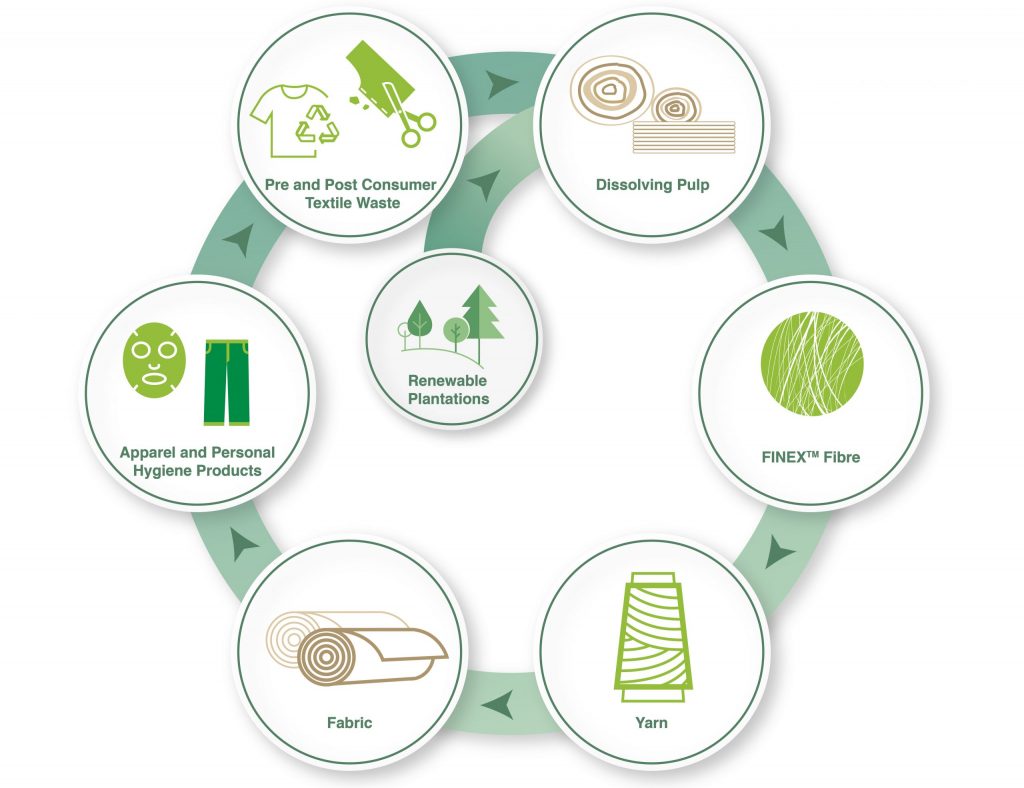
Another highlight was Sateri's recycled fiber brand, FINEX. This brand utilizes cellulose recycling technology to transform post-consumer textile waste into new fibers. This focus on circularity helps reduce environmental pollution and resource wastage, promoting a more sustainable textile industry. Finex's recycled content of up to 50% further underscores Sateri's commitment to eco-friendly practices.
Looking Ahead
Yarn Expo 2024 provided a glimpse into the future of viscose. With a focus on sustainability, innovation, comfort, and functionality, viscose is poised to play a leading role in the textile industry. Innovations at the forefront of this movement are driving advancements that benefit both consumers and the environment.
Intertextile Shanghai 2024: Decoding "Turbulence" - How top trends translate to exhibitors innovations
The recently concluded Intertextile Shanghai Apparel Fabrics – Spring Edition 2024 offered a glimpse into the future of fashion, with the overarching theme "Turbulence" reflecting the complex and ever-evolving landscape of the apparel industry. This theme manifested in four distinct trend stories, each catering to a specific aesthetic and consumer preference. The story while elaborating on the trends also discusses aspects as critically analysed and commented by industry players, also how few of the trends correlate with the products exhibited by different participants, the images/pictures displayed are just indicative.
Grace: Epitomizing timeless elegance, the Grace trend emphasizes luxurious fabrics and sophisticated silhouettes. Think flowing silks, crisp linens, and tailored cuts in muted pastels and classic neutrals. This trend aligns with the continued popularity of athleisure wear, where comfort meets style.
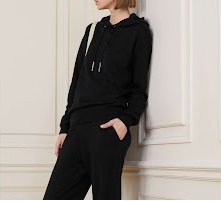
Case in point, Shanghai-based brand Exception de Mixmind showcased a capsule collection of cashmere joggers and silk hoodies, proving that luxury can be effortless. Their booth featured a luxurious cashmere blend crafted from recycled fibers, demonstrating how this trend can embrace sustainability without sacrificing quality.
 Immersive: This trend delves into the world of digital experiences, with a focus on interactive textiles and futuristic materials. Expect to see iridescent fabrics, metallic finishes, and innovative textures that blur the lines between reality and the virtual world.
Lenzing Group, a leading sustainable fiber producer, presented a bio-based iridescent material derived from algae, showcasing the potential of this trend to bridge the gap between sustainability and cutting-edge design. Their material, displayed alongside a concept dress utilizing the fabric with embedded LED lights, offered a glimpse into the future of fashion shows that blend physical and digital experiences.

Switch: Embracing adaptability and functionality, the Switch trend highlights convertible garments and modular designs. Think transformable jackets, multi-purpose accessories, and fabrics with built-in features like temperature regulation or water repellency. This trend resonates with the growing consumer demand for sustainable fashion that reduces waste.
Intertextile exhibitor Texon presented a line of jackets with detachable sleeves and interchangeable linings, allowing for maximum wear throughout the changing seasons. This innovation highlights how the Switch trend can promote responsible consumption within the fashion industry.
"The way we work and live is constantly evolving," says Vanessa Friedman, fashion director at The New York Times. "People need clothes that can adapt to their lives, not the other way around". This sentiment is echoed by companies like Patagonia, who are renowned for their durable, multi-functional clothing designed for an active lifestyle. Patagonia is known for creating durable, repairable garments that can be adapted for different activities. However, some argue that this trend might contradict the "fast fashion" model where clothes are cheaply produced and discarded quickly.
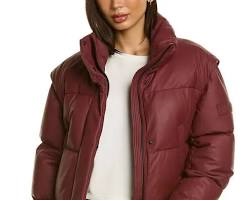 Voices: A celebration of individuality and self-expression, the Voices trend is all about bold colors, artisanal techniques, and a touch of theatricality. Expect to see rich velvets, raw textures, and statement patterns that celebrate personal style. This trend is evident in the rise of independent designers who are using their platforms to advocate for social and environmental causes.
Intertextile exhibitor, Colombo Fabrics, showcased a line of organic cotton and recycled wool fabrics dyed with natural pigments. This collection resonated with the Voices trend, offering designers sustainable materials that empower them to create unique and impactful pieces.
Smaller, independent designers are at the forefront of this movement, offering unique and handcrafted pieces that cater to a niche market. "There's a growing desire for authenticity and self-expression in fashion," says Li Edelkoort, a renowned trend forecaster. "Consumers are looking for clothes that tell their story and reflect their personal style". This trend is creating new opportunities for independent designers and artisans to showcase their work and connect with a discerning audience. For instance, New York-based designer Christopher John Rogers is known for his vibrant, gender-fluid designs that celebrate self-expression. This trend aligns perfectly with the growing movement of "conscious consumers" who seek out brands that reflect their values. 
The Intertextile Directions Trend Forum, curated by DONEGER | TOBE (New York, USA), served as a platform for exhibitors to showcase fabrics that aligned with these upcoming trends. These trends, while seemingly disparate, demonstrate the multifaceted nature of the fashion industry. The desire for comfort and luxury (Grace) coexists with the push for innovation and sustainability (Immersive & Switch). Similarly, the individuality championed by the Voices trend can be expressed through timeless elegance (Grace) or bold, statement pieces.
Intertextile Shanghai Apparel Fabrics 2024 painted a picture of a future fashion landscape that embraces diversity, innovation, and a focus on environmental responsibility.