FW
New Wealth Tax policies impact luxury retail demand in China
The luxury retail sector in mainland China is experiencing a sharp contraction following the implementation of aggressive government policies targeting offshore wealth and investment income. Sales across the country's top 25 premier fashion labels suffered double-digit declines exceeding 10 per cent, reversing a brief market stabilization phase observed earlier in the year. Major international houses, including flagship labels under LVMH and Kering portfolios, reported steep pullbacks in boutique transactions as affluent consumers adjusted spending habits. The downturn coincides with new regulatory measures imposing a 20 per cent levy on offshore trust appreciations and foreign investment returns, directly impacting an estimated US$ 1.2 trillion in mainland offshore assets.
Market re-evaluation and retailer strategies
The sudden cooling of high-end consumption has forced luxury apparel and accessories brands to rethink their regional growth projections as domestic middle-class spending remains subdued. With local equities retreating and macroeconomic headwinds intensifying, high-net-worth individuals have adopted a cautious approach to discretionary spending on premium leather goods and designer garments. We are seeing a direct correlation between capital market trends, wealth taxation, and luxury goods transactions, noted Robert Wu, Head, Baiguan, a Shanghai-based research firm Baiguan. Industry analysts warn that if upcoming seasonal retail windows fail to stimulate buyer engagement, the contraction in China's luxury market may reflect structural rather than temporary adjustments.
Navigating shifting regulatory and economic landscapes
Major international luxury conglomerates design, manufacture, and distribute high-end apparel, leather goods, and accessories globally. Concentrating retail footprints across key metropolitan markets in Europe, North America, and Asia, these corporations pursue expansion plans centered on experiential flagships. Historically driven by robust Asian consumer demand, the sector now navigates shifting regulatory and economic landscapes.
Bangladesh textile mills lobby for stricter yarn import curbs to protect domestic spinners
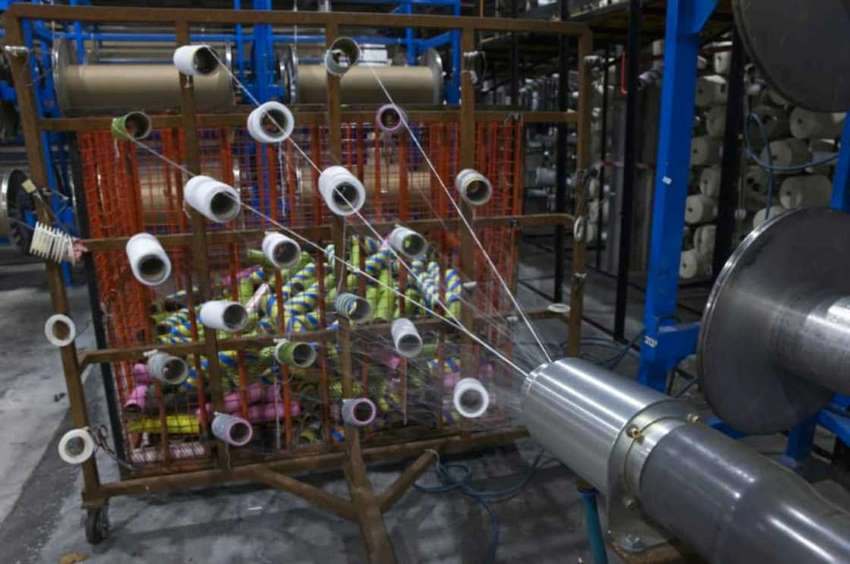
Bangladesh’s domestic textile manufacturing sector has intensified its lobbying efforts for stringent restrictions on foreign yarn inflows, citing severe financial distress among local spinning operations. The Bangladesh Textile Mills Association (BTMA) formally petitioned regulatory bodies to eliminate duty-free bonded warehouse facilities for importing medium-to-coarse cotton yarn variants, specifically targeting counts ranging from 10 to 30. Industry representatives report that local mills are currently saddled with unsold inventory exceeding 120 billion Taka, compounded by severe utility shortages and elevated operational overheads.
Domestic producers argue, unhindered access to cheaper cross-border yarn imports has marginalized local spinning capacities, forcing dozens of production facilities to shutter operations.
Apparel exporters warn of supply chain disruptions
The push for tighter trade controls has triggered sharp pushback from readymade garment exporters, who contend that curbing yarn imports will severely impair their global competitiveness. Apparel manufacturers emphasize, local spinning mills frequently struggle to match the price efficiency and volume consistency required for large-scale international orders. Imposing barriers on essential raw material imports forces the garment sector into a constrained domestic market, elevating production costs just as global buyers demand tighter pricing margins, noted a senior official from the Bangladesh Knitwear Manufacturers and Exporters Association. Economists warn that balancing the survival of upstream spinning units with the export velocity of downstream apparel remains a critical regulatory challenge for the regional textile economy.
Sustaining exports volume with sustainable production
The Bangladesh textile and apparel industry serves as the backbone of the national economy, encompassing extensive spinning, weaving, and garment-assembly units. Catering primarily to major global fashion brands across North America and Europe, the sector continuously navigates complex raw material sourcing challenges, evolving trade policies, and sustainable manufacturing mandates to sustain its export volume.
Ferragamo accelerates global retail revolution with reimagined Rodeo Drive flagship
Italian luxury house Ferragamo has officially reopened its expansive flagship boutique on Rodeo Drive in Beverly Hills, marking the physical debut of its new global retail architectural design language. Developed by Belgian architect Vincent Van Duysen in close collaboration with creative director Maximilian Davis, the roughly 864-sq-m store replaces conventional retail layouts with an intimate, residential atmosphere. The interior design utilizes a sophisticated material palette featuring marmorino columns, textured plaster, hand-finished glossy resin, and deeply veined red marble, creating distinct, relaxed room layouts for ready-to-wear apparel, leather goods, and footwear collections.
Strategic repositioning and market impact
This high-profile launch serves as a critical commercial proving ground for Ferragamo's ongoing brand repositioning efforts within the competitive global luxury market. By aligning Davis's contemporary product vision with immersive store architecture, the brand aims to elevate average transaction values and reinforce client engagement. The brand is proud to reopen their flagship boutique on Rodeo Drive, reaffirming Ferragamo's presence in one of the House's most iconic and historic markets, states Daniella Vitalle, CEO Americas. Industry analysts note, experiential flagship transformations are increasingly vital for luxury apparel brands seeking to stimulate physical retail momentum amidst shifting macroeconomic consumer habits.
Driving growth with retail expansion
Ferragamo is a premier Italian luxury goods company specializing in high-end apparel, leather accessories, footwear, and ready-to-wear collections. Operating globally with a heavy focus on key metropolitan markets, the historic brand pursues strategic retail network upgrades to drive growth, backed by a rich heritage originating from its deep historical ties to early Hollywood craftsmanship.
Gen Z demographics drive US Polo Assn global sales to over US$ 2.7 billion
Global sports apparel powerhouse US Polo Assn has reported a historic financial milestone, achieving US$ 2.7 billion in worldwide retail sales. The remarkable performance is underpinned by deliberate physical store expansions in key metropolitan hubs like Miami and New York City, alongside aggressive digital scaling. The brand currently operates roughly 1,200 retail storefronts and manages over 60 localized e-commerce sites supporting 20 languages. By focusing on accessible pricing strategies with classic polos retailing under USD 50, the brand has successfully captured market share among cost-conscious Gen Z consumers and younger demographics seeking premium casual wear alternatives.
Value proposition and long-term growth architecture
The brand's revenue distribution demonstrates a resilient omnichannel framework, with traditional wholesale accounts generating approximately 55 percent of business, dedicated retail fleets contributing 25 per cent, and digital commerce accounting for 20 per cent. This balanced distribution model protects margins against fluctuating retail foot traffic. Our great price-to-value proposition really matters to working families and young consumers all over the world, notes J Michael Prince, President and CEO, USPA Global. Looking ahead, executive leadership has outlined an ambitious roadmap targeting US$ 4 billion in global retail sales and an expanded footprint of 1,500 branded stores worldwide.
Targeting multi-channel growth and strong financial returns
Established in 1890, U.S. Polo Assn. operates as the official multi-billion-dollar brand of the United States Polo Association, offering casual apparel, footwear, and accessories. Serving international markets across 190 countries with strong footprints in North America and India, the brand targets steady multi-channel growth and strong financial returns.
Lee to blend mid-century cinematic history with contemporary design in new collection
Marking the centenary of Marilyn Monroe, Lee plans to launch a worldwide limited-edition capsule line that blends mid-century cinematic history with contemporary apparel design. The collection draws heavily from archival imagery captured by photographer Eve Arnold, translating Monroe's celebrated on-screen glamour and effortless off-duty aesthetic into modern retail silhouettes. According to brand executives, the initiative taps into rising consumer demand for heritage-driven storytelling, bridging decades of pop culture legacy with current high-street trends.
Crafting iconic silhouettes
At the center of the offering is a modernized iteration of the classic Storm Rider jacket, mirroring the garment famously worn by Monroe during her final film production. Alongside the outerwear, the assortment features the retro-fit Marilyn Jean, designed with a high-rise waist and subtle back shaping darts, as well as a cozy coatigan and a signature halter dress. Retail pricing spans from $47.99 to $187.99, establishing an accessible entry point for collectors and fashion enthusiasts across North America, Europe, Latin America, and select Asian markets.
Heritage denim innovation
A premier global denim and casual apparel brand, Lee specializes in durable workwear, jeans, and lifestyle wear. Operating across international retail channels, the brand focuses on expanding its premium capsule partnerships while maintaining a strong historical foundation dating back to its establishment in Salina, Kansas, in 1889.
Sustainable innovations in focus at Intertextile Shanghai Apparel Fabrics- Autumn
The upcoming autumn edition of Intertextile Shanghai Apparel Fabrics, scheduled from August 25 to 27 at the National Exhibition and Convention Center, is preparing to host over 3,500 international exhibitors spanning 30 countries and regions. Spanning a massive 240,000 sq m of exhibition space, the three-day B2B trade event continues to serve as the critical barometer for global textile manufacturing and apparel sourcing. Industry analysts note, this year's scale underscores a concerted push by global mills and mills-adjacent technology providers to capture rebounding retail demand across Asian and Western markets despite persistent macroeconomic headwinds.
Spotlight on functional materials and digital integration
Reflecting accelerated shifts toward eco-conscious manufacturing and technical utility, the 2026 showcase is introducing enhanced specialized zones focusing on advanced functional textiles, biodegradable fibers, and digital supply chain solutions. Organizers have expanded the Functional Lab alongside dedicated zones like Beyond Denim and the Innovation & Digital Solutions Hub to help brands meet stringent international compliance benchmarks. Senior trade delegates emphasize that integrating verifiable sustainable practices directly into raw material procurement is no longer optional as apparel brands race to comply with evolving environmental regulations across major consumer economies.
A cornerstone event for global trade performance
Intertextile Shanghai Apparel Fabrics is the world's largest biannual trade fair for apparel textiles, accessories, and manufacturing solutions. Key markets span global retail hubs, focusing on ready-to-wear fabrics, technical textiles, and sustainable innovations. Established to foster international supply chain collaboration, it remains a cornerstone event for global trade performance.
Cambodia boosts garment industry competetiveness with new framework
The Cambodian government has officially rolled out the inaugural segment of the Cambodia Skills Framework, focusing specifically on the textile and apparel sectors. Developed by the Ministry of Economy and Finance through the Skills Development Fund alongside formal endorsement from the Textile, Apparel, Footwear and Travel Goods Association in Cambodia, the initiative aims to bridge critical gaps between vocational education institutions and manufacturing requirements. By mapping precise functional competencies, technical skill levels, and career pathways, the newly established digital dashboard addresses long-standing labor productivity challenges that have affected regional manufacturing output. Industry stakeholders note that aligning workforce capabilities with international sourcing expectations is vital as global buyers demand higher adherence to quality and technical compliance.
Strengthening human capital for global markets
As international fashion brands increasingly audit supply chains for advanced technical proficiency and ethical manufacturing standards, the framework provides a standardized benchmark for enterprise-level training programs. Factory operators and corporate planners can now deploy evidence-based competency models to elevate line efficiency, reduce operational waste, and integrate sustainable production techniques across shop floors. Sok Piseth, a regional textile manufacturing consultant, noted that structured human capital development directly enhances factory resilience against volatile global demand patterns. By transitioning from traditional, lengthier vocational programs to targeted, data-backed skill metrics, the nation's garment sector aims to secure a more competitive posture against rival manufacturing hubs across Southeast Asia.
Emphasizing on workforce skilling and sustainable production
The Cambodian textile and apparel industry serves as a primary pillar of the national economy, employing nearly one million workers predominantly in ready-to-wear production. Key export markets span the United States, Europe, and regional Asian economies. Current strategic initiatives emphasize workforce upskilling, sustainable manufacturing practices, and value-chain diversification to enhance long-term financial performance and global market share.
11th Centerstage to reflect shifting consumer preferences towards individual expression
Asia's premier annual fashion showcase, Centrestage, is set to return to the Hong Kong Convention and Exhibition Centre from September 2 to 5, marking its landmark eleventh consecutive edition. Organized by the Hong Kong Trade Development Council and supported by the Cultural and Creative Industries Development Agency, the four-day event will host approximately 270 designer brands hailing from 24 countries and regions. The platform continues to function as a vital commercial nexus for international textile manufacturers, retail buyers, and design houses seeking to expand their market reach across Asian economies.
Spotlight on streetwear culture and digital influence
Reflecting shifts in modern consumer preferences toward individual expression, the upcoming showcase will debut a specialized Hype pavilion designed to harness key opinion leader influence and the burgeoning streetwear segment. Smilely Lam, Associate Executive Director, HKTDC, emphasizes, leveraging regional trade networks helps regional apparel brands secure critical overseas contracts. Alongside more than 30 dynamic runway presentations, including an opening solo show by Kit Wan Studios, the exhibition integrates specialized zones focusing on contemporary design, sustainable production methods, and diverse lifestyle accessories to drive high-value textile commerce.
Emphasizing sustainable fashion
Established as Asia's leading annual textile and apparel trade platform, Centrestage connects global fashion brands, retail buyers, and industry creators. Key markets span Greater China, Southeast Asia, and international export hubs, emphasizing ready-to-wear apparel, sustainable fashion, and accessories.
AEPC urges garment manufacturers to leverage FTA benefits at Tiruppur seminar
At the recently convened seminar in Tiruppur, the Apparel Export Promotion Council (AEPC) urged regional garment manufacturers to leverage India's expanding network of Free Trade Agreements.
Industry leaders attending the seminar emphasized, upcoming trade pacts, including the anticipated framework with the European Union, will grant zero-duty access across vast consumer markets where local manufacturing capacity remains limited. Dr A Sakthivel, Chairman, AEPC, urged regional exporters to scale production capacities and refine cost competitiveness immediately. Prepare yourself for export, increase your capacity, and the future is ours, stated Dr. Sakthivel, highlighting that the nation's trade agreements will soon cover thirty-eight countries and roughly 65 per cent of the global population.
Navigating technical compliance and rules of origin
Translating preferential tariff access into tangible export orders requires rigorous adherence to documentation and sourcing standards. D Sridhar, Additional DGFT official advised Tiruppur manufacturers to master product classification and Rules of Origin protocols ahead of 2027 implementation targets. Experts noted, compliance must be integrated directly into product costing and supply chain strategies rather than treated as an afterthought. By utilizing digital self-certification platforms and optimizing raw material sourcing for garments, southern textile exporters can secure a decisive competitive edge against rival international manufacturing hubs.
Institutional support for garment exporters
Operating as India's premier export promotion body, the Apparel Export Promotion Council supports apparel manufacturers across domestic and international markets. Focusing on export expansion, capacity building, and policy advocacy, the council aims to elevate India's standing in global garment supply chains through targeted trade seminars and international exhibitions.
Trade pacts, integrated manufacturing power India’s textile export ambitions
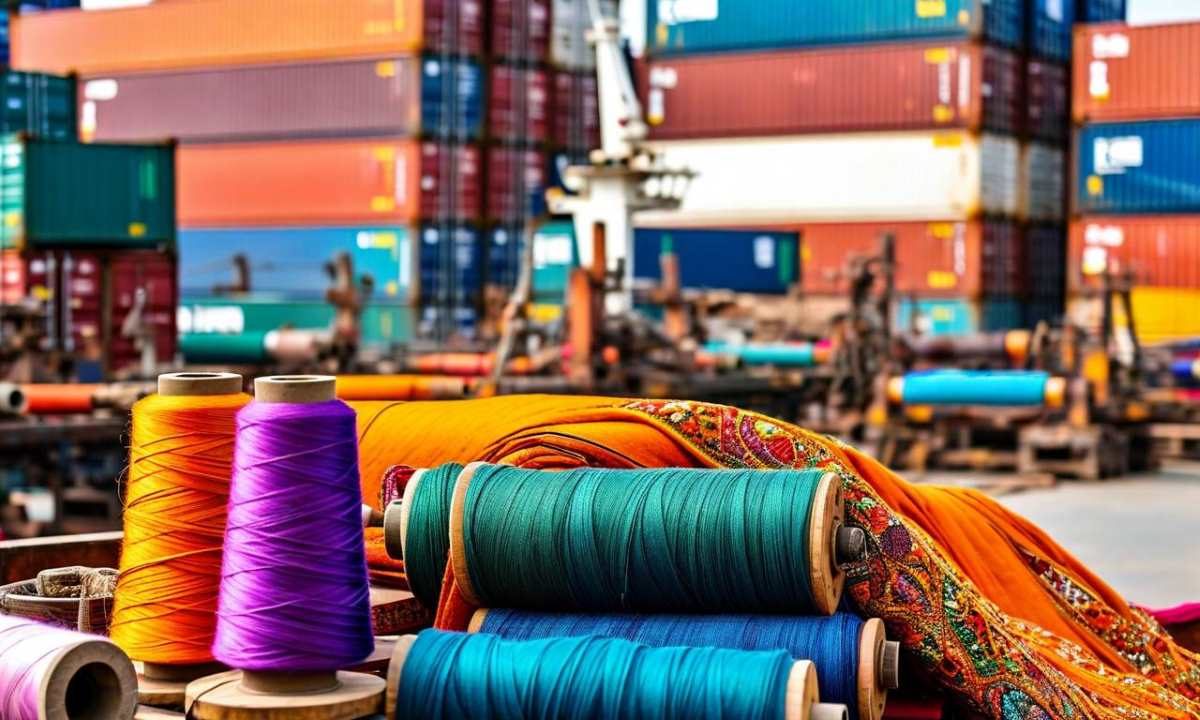
Global apparel sourcing is entering a new phase in which resilience, compliance and manufacturing depth matter as much as cost competitiveness. As global retailers diversify supply chains to reduce geopolitical risks and improve procurement certainty, India is positioning itself not merely as an alternative to traditional manufacturing hubs but as a preferred long-term production partner.
The shift is being reinforced by a combination of favourable trade agreements, government-backed industrial expansion and increasing investments in integrated manufacturing. The implementation of the India-UK Comprehensive Economic and Trade Agreement (CETA) in July 2026 has removed one of India's biggest competitive disadvantages by eliminating import duties on nearly all textile and apparel exports to the UK. Similar negotiations with European partners could further strengthen India's position in global sourcing networks.
At the same time, the Centre's Rs 10,683-crore Production-Linked Incentive (PLI) scheme and the development of seven PM MITRA mega textile parks are encouraging manufacturers to expand capacity, modernise production and move deeper into value-added segments.
Table: India’s textile & apparel export sector overview
|
Indicator |
Position/Value |
|
Current Export Run-Rate (FY26) |
Rs 3.16 lakh cr (approx. $38 bn) |
|
2030 Export Target |
$100 bn |
|
Target Industry Size by 2030 |
$250 bn |
|
India-UK CETA Impact |
Import duty reduced from 12% to 0% (effective July 2026) |
achieving the export target would require annual growth of nearly 19 per cent over the next four years, underscoring the scale of the transformation underway.
Tariff edge
For decades, Indian apparel exporters operated at a tariff disadvantage in major Western markets. Import duties of between 9 per cent and 12 per cent often made Indian products less competitive than those from Bangladesh and Vietnam, both of which enjoyed preferential market access under various trade arrangements.
The India-UK CETA changes that equation by providing duty-free access across almost 99 per cent of tariff lines, including ready-made garments, home textiles and technical fabrics. This substantially narrows the pricing gap while allowing buyers to diversify away from concentrated sourcing bases.
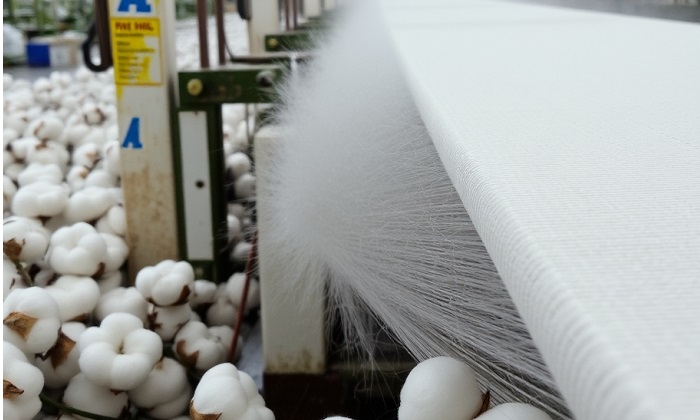
Equally important is India's integrated textile sector. Unlike many competing manufacturing hubs, the country possesses an extensive value chain spanning cotton cultivation, silk production, spinning, weaving, processing and a rapidly expanding man-made fibre (MMF) industry. This integrated structure offers global brands greater supply security at a time when procurement strategies increasingly prioritise resilience over lowest-cost sourcing.
Raj Manek, Executive Director and Board Member of Messe Frankfurt Asia Holdings, believes sustained buyer confidence will determine the next phase of growth. "India's next growth cycle in textiles depends directly on cementing buyer confidence in speed, compliance and large-scale execution. Trade platforms offer global procurement heads a single point to verify compliance, evaluate raw material quality and contract large-scale orders directly with integrated producers."
Building capacity
Despite producing nearly 23 per cent of the world's raw cotton, India has captured only around 3 per cent of global ready-made garment exports. The gap has largely reflected fragmented weaving, processing and finishing capacities rather than any shortage of raw material.
Industry exhibitions and business-to-business sourcing platforms are helping bridge this disconnect by bringing machinery suppliers, fibre producers, garment exporters and international buyers onto a common platform. Such interactions are boosting investments in automation, traceability systems, water-efficient processing technologies and environmental compliance that have become prerequisites for international sourcing.
Himani Gulati, Director at MEX Exhibitions, says the role of trade platforms has evolved significantly. "B2B trade platforms are no longer just transaction spaces; they are infrastructure nodes driving technological upgrades across mid-sized textile enterprises. By bringing global machinery OEMs and chemical suppliers directly to domestic producers, we accelerate the adoption of sustainable processing techniques that international buyers now mandate."
The growing emphasis on environmental, social and governance (ESG) compliance is also pushing Indian manufacturers to upgrade effluent treatment systems, chemical management and digital traceability across their operations.
Moving up the value chain
While cotton apparel continues to dominate India's export basket, manufacturers are steadily shifting towards higher-margin product categories. Cotton garment exports reached Rs 1.39 lakh crore during FY26, reflecting India's continued strength in natural fibres. However, policy incentives are encouraging faster expansion in MMF and technical textiles, segments where global demand is growing more rapidly.
Man-made yarn and synthetic fabric exports rose 3.6 per cent during the year to Rs 42,687 crore, supported by capital incentives under the PLI programme. At the same time, technical textiles used in automotive, medical, industrial and protective applications are attracting significant investment because of their higher value addition and relatively stable demand cycles.
Table: India's emerging value-added textile strategy
|
Segment |
FY26 Trend |
Significance |
|
Cotton Garments |
Rs 1.39 lakh crore exports |
Remains India's largest export category |
|
MMF Yarn & Synthetic Fabrics |
Rs 42,687 crore exports, up 3.6% |
Diversifies beyond cotton dependence |
|
Technical Textiles |
Capacity expansion underway |
Higher margins and specialised industrial demand |
This diversification is expected to reduce dependence on traditional cotton apparel while improving export profitability.
Integration pays
India's largest apparel exporter, Shahi Exports, shows how vertical integration is becoming a competitive differentiator. With support from the government's PLI scheme, the Bengaluru-based company established backward-integrated synthetic fabric processing facilities to reduce reliance on imported inputs. The strategy enabled it to offer European brands fully traceable activewear manufacturing from yarn processing through finished garments at a time when buyers increasingly seek transparent and integrated supply chains.
The integrated model reduced order-to-delivery lead times by around 20 days, strengthening customer relationships and helping secure long-term sourcing agreements. The experience reflects a broader trend across the industry. Tariff parity alone may open markets, but sustained export growth will depend on manufacturers' ability to deliver speed, compliance, scale and product innovation simultaneously.
As international sourcing strategies continue to evolve, India's competitive advantage is being shaped not by low-cost manufacturing alone but by the depth of its industrial ecosystem. If investments in integrated production, technical textiles and sustainability continue at the current pace, the country could move well beyond its traditional role as a raw material supplier to become one of the world's leading value-added apparel manufacturing centres by the end of the decade.