FW
Demand for used clothes in Africa rides on affordability, sustainability: Study
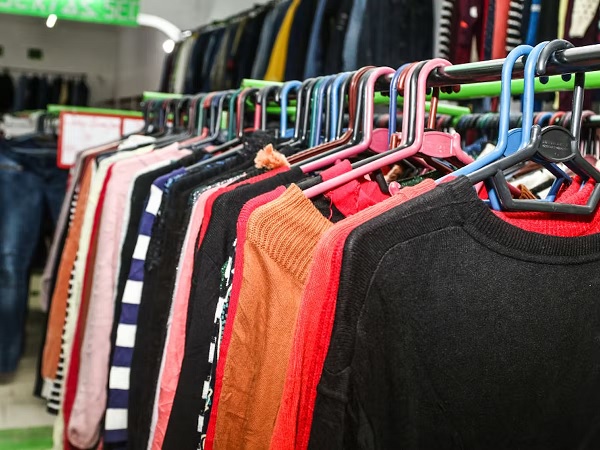
The pursuit of pre-loved clothing is emerging as the most prominent trend in the African market with consumers continually upgrading their wardrobes by donating or reselling used items.
As per an Euromonitor International report, known as Madunusa in South Africa, Okrika in Nigeria, and Mtumba in Kenya, the African secondhand clothing market is diverse. Aimed at all income groups, the market ranges from basic everyday use worn clothes to luxury apparel and thrift clothing. The Voice of the Consumer: Lifestyles Survey 2022 by Euromonitor International shows, Nigerians are the biggest buyers of second-hand clothing with nearly 10 per cent reporting buying and selling used items at least once a week.
Second-hand clothes sold in open markets across Africa are not bought by low-income group consumers only. They are also endorsed by pre-loved clothing shop owners who hunt for well-known brands in excellent condition to resell in their trendier and more upmarket thrift shops.
Uncertainties broadens market
While more formalized markets such as South Africa offer a plethora of options, other African countries offer limited options due to low modern retail penetration. Customers in these markets can buy pre-loved clothes from the few available stores at increased rates.
Recent economic uncertainties have broadened the market for secondhand clothes to include higher income consumers. However, this set prefers to shop either online or in better-maintained thrift stores. Secondhand products are also being bought by aspirational consumers who look to own luxury products at affordable rates.
Anyone can become a reseller in the second-hand clothing industry with little investment. However, some countries have introduced stricter rules for resellers though most of these laws are poorly enforced. For instance, despite a complete ban, import of second-hand clothing continues in Nigeria.
Secondhand clothing bales are handled by multiple people before reaching the final customer either in the same country or neighboring countries that ban secondhand clothes.
An employment, revenue opportunity
In 2019, Kenya spent 42 per cent of expenditure on secondhand clothing and footwear, as per #StateofMitumbaTradeKE. The secondhand clothing industry in the country employs nearly two million people and contributes over KES 12 billion in taxes annually, as per the Kenya National Bureau of Statistics. The market in sub-Saharan Africa offers abundant employment opportunities for governments. However, its growing demand threatens the local textile industry.
Euromonitor has identified other trends as well in Africa. Financial experts are using new services like mobile money to track their transactions. This enables smooth payment transactions, especially in the informal market. Secondhand fashion is being supported by only a small subset of consumers due to sustainability reasons. They consumers are opting for sustainable clothes besides expecting brands to ensure transparency in operations.
As Africans adopt a new path, making drastic personal changes and re-hauling their values, lifestyles and goals, affordability will continue to dominate purchasing decisions. They will continue to shop for pre-loved clothes and to meet their rapidly changing needs businesses will have to customize their offerings.
Fusing street styles with active wear help segment stay ahead in post-pandemic times
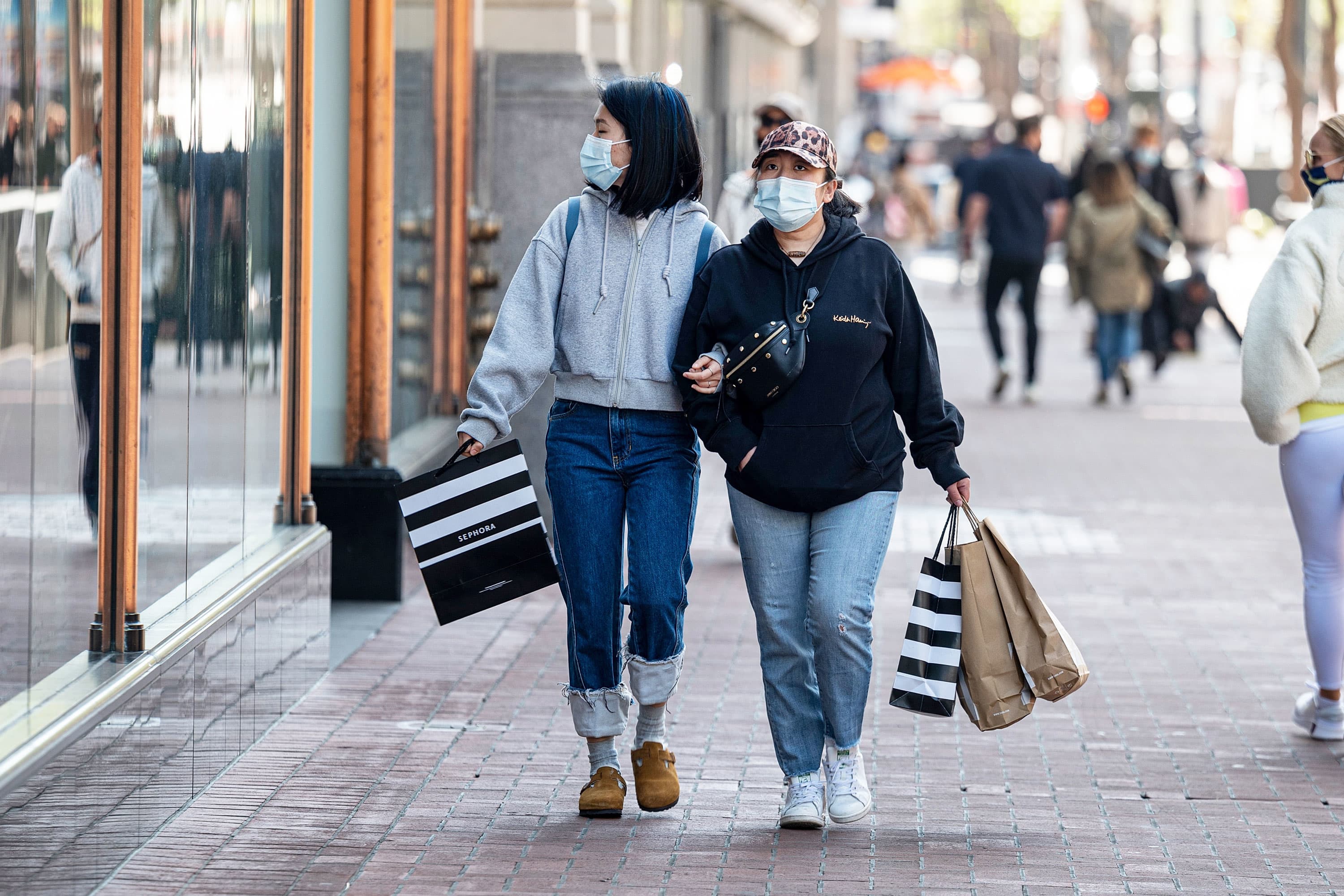
Old habits die hard in the post-pandemic global active-wear segment as consumers still prefer to wear comfortable the clothes they have become used to over the last two years. With healthy lifestyles taking precedence over having a good time and an indulgent lifestyle, majority of consumers (76 per cent) say they are trying to put more emphasis on improving their physical health, revealed a Coronavirus Response Survey (Wave 12, July 2022).
Lifestyle changes augur well for segment
People now prefer to go for a jog in the park rather than meet friends over a drink or coffee after work in the corporate segment. The survey shows, the most popular garments worn in last few months are T-shirts (58 per cent), activewear (31 per cent), denim jeans (30 per cent), athleisure (28 per cent), sweatpants/sweatshirts (26 per cent), and leggings/yoga pants (26 per cent). And the most popular activewear purchases are shirts (72 per cent), bras (63 per cent), shorts/capris (62 per cent), pants (56 per cent), underwear (52 per cent), and sweatshirts/hoodies (47 per cent), according to the Cotton Council International and Cotton Incorporated’s 2022 Global Activewear Study.
A growing number of awareness campaigns to promote sports by various organizations across the globe have spearheaded the growth of active-wear market. The use of environment-friendly green textiles in sustainable method of manufacturing around the world is also a big hit with consumers. Continuation of work-from-home in many corporates as well as leisure activities, such as running and cycling, is strengthening market growth. Also giving a push to the market are celebrity collaborations along with the wide availability of designer active-wear brands through offline and online distribution channels.
Growth a global phenomenon
The global activewear market has grown from $342.9 billion in 2020 to $380 billion this year, reveals Statista, a global leading provider of market and consumer data. It’s projected to reach $455.4 billion by 2027 and fuelled by fitness-conscious consumers and a growth in street-wear, which has led to consumers incorporating activewear into their personal style statements. And as Maria Rugolo, apparel industry analyst at NPD Group states, to look their best, people must also feel their best. While people still want to look fashionable, comfortable clothes versatility remains key reasons why they make a clothing purchase for themselves. With changing economies times, versatile items that can be worn for various occasions and seasons can ease consumers into making an investment during uncertain times.
Merging street styles with active wear
As per a Lifestyle Monitor Cotton Inc report, top brands are concentrating on merging active and street styles, so what is worn at home can also be worn as trendy yet casual street-wear clothes. Signed by McFly is a Black-owned street wear brand that has included cotton stretch body sets, cotton track suits, velour hoodie and jogger, cotton-body/leather-sleeved varsity jackets along with smart streetwear pieces like logo T-shirts and hoodies. Celebrity endorsements for streetwear is the rage with most brands adding cotton-infused clothing that is durable, light and breathable and increasingly used for sports like skateboarding, parkour, and roller skating.
The Naturals, a group of women athletes in male-dominated sports, were chosen by Cotton Incorporated to represent cotton and its natural abilities. This group of athletes including, Leticia Bufoni, a professional street skateboarder and six-time X Games gold medalist, Sydney Olson and Jasmine Moore, a professional roller skater are just some of the many names promoting the market for cotton in a big way.
Active-wear is running fast ahead of the pack with brands laughing their way to the bank knowing it is just a matter of time when the post-Covid complacency of dressing down wanes and the fashion catwalks are back with a bang.
Global luxury brands bank on quick recovery in China market to up sales
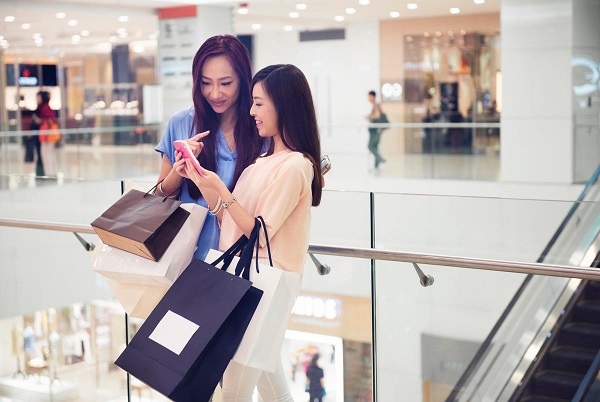
Life is like a game of boomerang and sooner or later, everyone sits down to a banquet of consequences of human actions or natural causes. China quickly recovered from the global economic downturn after Covid 19 and became global saviour of luxury brands almost doubling in size compared to 2019 levels of €60 billion ($60.2 billion).
Lockdowns in China affect business
Before the onset of Covid-19, the Chinese nationality was the largest consumer group of luxury brands, driving 33 per cent sales in 2019 - a share that was expected to grow to 40 to 45 per cent by 2025. Most of that spending used to happen abroad but travel disruptions associated with the pandemic caused much of it to shift to China. The mainland’s share of the global market grew from about 20 per cent in 2020 to around 21 per cent in 2021 and was expected to drive global sales. Things however quickly changed as China went under lockdown, with the highly transmissible subvariant of the virus putting President Xi Jinping’s zero-Covid policy to the test with brands feeling the impact on their top lines.
As strict lockdowns hit key cities, causing store closures and logistical disruptions, it remains unclear about how long sales will be affected. While most luxury brands seemed confident that the market would pick up again once things are back to normal, the strength of local and global macroeconomic headwinds and the extent to which consumer confidence will be greatly impacted. Although the long-term fundamentals of the all-important China market remain strong, how the next six to 12 months will play out remains more of a debate among luxury industry analysts.
Supply chain disruptions
Covid restrictions greatly affect supply chains in Shanghai as most luxury brand warehouses are located in or near the city. This had a ripple effect as far afield as Chengdu, say Bernstein analysts and caused shipment delays of online orders, with many brands still trying to fulfil orders for the last four months.
When restrictions in Shanghai were lifted at the start of June, there was a huge pickup in sales, according to HSBC global head of consumer and retail research Erwan Rambourg with queues outside several luxury malls. So, even if consumers are unwilling to return to physical stores as of now, online sales and remote selling should see a boost as logistical backlogs ease up.
The bullish view is that consumers have saved a lot during the lockdown period and are now eager to spend. However, the bearish view would be that psychology is greatly affected, explains Rambourg.
Over-reliance on China an issue
In China, the latest round of restrictions has been significantly more severe than those in 2020 with food shortages, supply chain disruptions, and a failing economy causing financial instability. But the global apparel industry has already become over-reliant on China as a growth driver. It is time luxury brands focus on finding out high-potential growth markets elsewhere and have a more global geographically diversified business.
However, industry leaders say, just as China has fuelled much of the growth for the luxury industry over the past decade, the market continues to represent a significant untapped opportunity in the decade ahead. Louis Vuitton, the largest brand by sales globally, is estimated to be targeting less than 2 per cent of Chinese population and likely only counts one-tenth of that small portion as current customers, according to HSBC Research.
China has always been an unputdownable country and a little virus is not going to change that forever so currently the global apparel industry is living in hope.
Cambodia apparel, fashion accessories export up 28 per cent
Cambodia’s earnings from exports of apparel and accessories in the first eight months of 2022 were up by 28 per cent.
These accounted for 41 per cent of total January to August exports, inching up by just 0.81 percentage points year-on-year.However, although exports in August alone were up 0.46 per cent year-on-year, this represents a 23 per cent drop from July’s figure, which had risen 27.82 per cent over June.
The uptick in garment exports has been credited to relatively normal production in the country as exporters elsewhere face Covid-linked disruptions.
But the industry in Cambodia has started seeing a reduction in orders last month, reversing a seven-month long trend of increases, due to global economic uncertainty and a slew of other hurdles.This situation is expected to prolong until the end of the year or longer. The garment sector’s top markets are, in order, the US, EU, Japan, Canada and the UK. However the situation in EU is not good at the moment. So orders in general for Cambodia will not see positive results in the second half.
Last year, Cambodia’s exports of apparel and clothing accessories rose by eight per cent over the figure logged in 2020.
Taiwan complies with CPTPP procedures
Taiwan is making a strong bid for membership in the Comprehensive and Progressive Trans-Pacific Partnership (CPTPP).
The country has made amendments to various rules and domestic laws such as establishing the maximum residue level for pork ractopamine and opening the importation of food from Japan. Eleven laws have been identified for amendment to comply with the provisions of the CPTPP, including areas concerning the environment, intellectual property rights, pharmaceuticals and services.
Taiwan has corrected discrepancies between domestic laws and CPTPP obligations.Taiwan’s economic development depends greatly on trade, and bilateral and regional economic integration. In 2021, 24 per cent of Taiwan’s trade in goods came from CPTPP members. Japan, Singapore, Malaysia, Vietnam and Australia are all among Taiwan’s top ten trading partners.
Taiwan expects to leverage its smart machinery and manufacturing capabilities to help CPTPP partners establish smart manufacturing hubs. And Taiwan’s accession to the CPTPP will mean member states will be entitled to tariff cuts in sourcing textile materials from Taiwan.
CPTPP member countries are Mexico, Japan, Singapore, Australia, New Zealand, Canada, Vietnam, Peru, Malaysia, Brunei, and Chile.
The global economy and trade have seen rapid changes in recent years, with the Covid pandemic accelerating the restructuring of the international supply chain.
Archroma offers unique color solutions
Archroma prides itself not as product sellers but system sellers. With Archroma’s deep dive system color book, for instance, customers can take a deep shade and they will be guided on how to make that shade in terms of pre-treatment in knit fabrics. The company offers all kinds of after-chemical treatments that the textile industry has been demanding. So in athletic wear, for instance, the company has bacteria control for medical applications. And there are non-iron shirt chemical ranges for people who are starting going to the office again.
Archroma is a leading specialty chemicals company committed to innovation, quality, service, cost-efficiency and sustainability.
This is one of the biggest textile chemical companies globally and one of the most customer-centric companies, Based in Switzerland, the company operates a highly integrated, customer-focused platform that delivers specialized performance and color solutions in more than 100 countries.
Archroma has acquired Huntsman Textile Effects. Both companies are known for sustainability and innovation and complement each other. Archroma is stronger in chemicals than in dyes, whereas, for Huntsman, its textile effects business in dyes is stronger. The two can bring to the global customers the full i.e. end-to-end range of textile dyes and chemical products.
India withdraws hydrogen peroxide anti-dumping duty
India has withdrawn the anti-dumping duty on imports of hydrogen peroxide from Bangladesh.
The duty was imposed in June 2017. Removal of the duty would enhance exports of the chemical from Bangladesh to India. Before the tariff was slapped, exporters shipped up to 3000 tons of the chemical a month.
Anti-dumping duty is a protectionist tariff that a country imposes on imported products on the ground that the products are priced below the fair market value. In order to protect local industries many countries impose such duties on the products they believe are being dumped in their markets.
Moroccan exports to EU up 33%, emerging strongly for sourciong
Moroccan clothing exports to the European Union (EU) climbed by 33 per cent in the first half of 2022.
With a three per cent market share, Morocco is the EU’s second clothing supplier, behind Turkey but ahead of Tunisia. In addition to the growing exports, Morocco’s average costs in the clothing industry have risen by nearly 14 per cent in a year, ranking sixth among the EU’s top ten suppliers behind Bangladesh, China, Cambodia, Vietnam and Pakistan.
Morocco is becoming a growingly attractive destination for global textile companies. Several brands from the European Union, the UK and the US have been sealing deals with Moroccan companies in the textile industry.
The world’s leading textile groups are migrating from traditional Asian manufacturers to closer markets offering favorable conditions, such as Morocco.Logistical costs, the downturn caused by the pandemic and the increase of salaries in China have induced western textile giants to look for more favorable partners.
Distributors who used to buy exclusively in Asia are now shopping in Morocco. Morocco now has an opportunity to become a major textile player. But there is a need to provide credit insurance for Moroccan producers to ease the export process.Moroccan textile companies which are largely specialized in packaging need to step up and become producers of finished products.
UK fashion industry calls for greater clarity on trade with EU
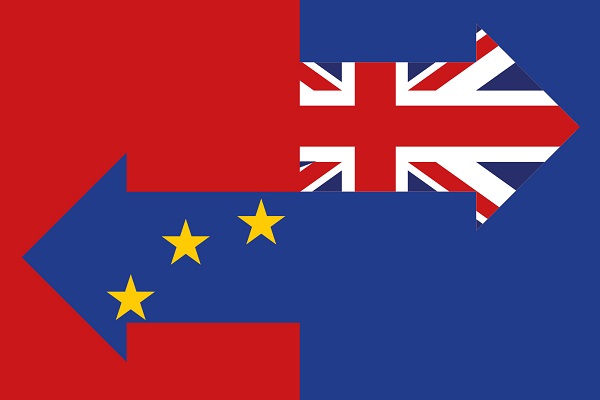
Even after 18 months of UK officially leaving the European Union, the country has failed to resolve bilateral trade issues. As Mark Neale, CEO, Mountain Warehouse opines, supplying materials to retail stores in Europe has become more complicated and tiresome post Brexit. Increased costs and bureaucracy have made trading more challenging in the region with sales of smaller brands and businesses declining.
Customs duties hitting fashion exports
Goods not manufactured in the UK and EU are being subjected to customs duty while crossing the UK-EU border. As a Drapers Online report reveals this is creating profound issues that have become even more complex in the past 18 months. Suppliers are splitting their shipments before dispatching them. They are shipping directly to a warehouse in the EU and separately to a warehouse in the UK, leading to a significant costs escalation.
And as Simon Berwin, Owner, Simon Berwin Advisory and Former Managing Director, Berwin & Berwin explains, his fashion clients are losing customers as they have been unable to supply products into Europe due to an increase in duties. The duties paid by UK businesses and consumers on goods imported into the country have surged by 62 per cent to £4.7 billion. Fashion exports have also been hit hard because of higher duty and customs charges.
UK textile and leather exports to the EU have declined 45 per cent compared to the rest of the world, indicates a Resolution Foundation and the London School of Economic report. The report ‘The Economy 2030 Enquiry: The Big Brexit’, assesses the scale of change caused by Brexit. It attributes the fall in export relationships to the inability of SMEs to afford the costs of non-tariff trade barriers or comply with the rules of origin requirements under the EU-UK Trade and Co-operation Agreement (TCA). And as Guy Mor, Co-founder, 3RD Rock says, many small businesses are dealing with rising shipping, VAT charges and duties. However, businesses can recover import VAT duties through a VAT registration in the EU country of import.
Need for greater clarity on trade issues
In force since January 2021, the Northern Ireland protocol of Brexit withdrawal agreement governs the unique customs and immigration issues at the border in Ireland between the UK and Northern Ireland and the European Union. The remaining of Northern Ireland as a part of the EU for supplies/movements of goods makes certain customs formalities applicable to goods moving between Northern Ireland and Great Britain. This increases the administrative burden of the EU as Northern Ireland requires special border with the Union.
Experts point out, issues are arising because of the requirement of border checks by EU on goods imported from non-EU countries. This is resulting in customs checks at Northern Irish ports, he adds. The UK government is looking to simplify trade between Great Britain and Northern Ireland. But this is threatening its relationship with the EU and creating issues with respect to a united Ireland.
The fashion industry is also calling for greater clarity and a honest dialogue on trade issues with Europe, sums up William Bain, Head - Trade Policy, British Chambers of Commerce.
Cambodian exports up 26 per cent, non-garment products grow higher
Cambodia’s exports from January 2022 to August 2022 were up 26 percent compared to the same period in 2021.
The total value of the country’s international trade rose by 21 percent. Imports increased by 18 percent during the period. Exports increased by 37 per cent.
The US is the biggest market for Cambodia’s products. Vietnam and China are the second and third markets. Garment, footwear, and travel goods have the country’s biggest share of total exports, but the non-garment product exports are on a significant increase.
New factories opening up are viewed as investors’ high confidence. Promulgated investment law and free trade pacts bilaterally and multilaterally are also factors that have opened the markets for Cambodia-made products as well as attracted new foreign direct investments.
But due to the signs of an impending recession in the US and Europe, demand and purchase orders have seen significant drops in the second half of 2022.A quarter of garment manufacturers in Cambodia are looking to partially suspend operations in September or may require their workers to work less hours. Operations in some 100 factories are suspended, affecting around 10,000 workers.The entire sector, consisting over 1,200 garment, travel goods and footwear manufacturers, employs about one million workers.