FW
2024 Textile & Apparel: Key issues shaping global industry landscape
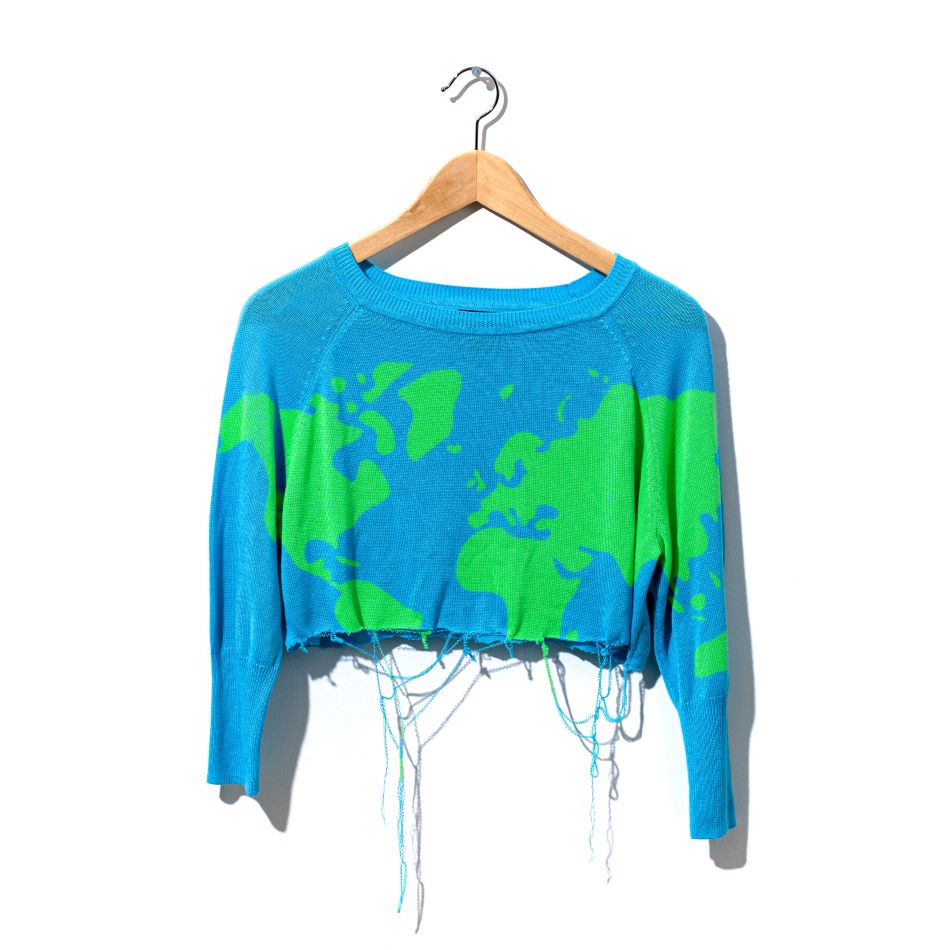
The bustling world of textiles and apparel finds itself in a complex situation of progress and peril in 2024. While consumer demand for sustainable and conscious clothing rises, challenges and concerns weave a tangled web across key regions, economies, and industry segments. Here is a look at the current state of this dynamic industry, examining the pivotal points, pressing concerns, and intricate issues within.
Regional tensions and shifting sands
Asian Crossroads: In China, the traditional manufacturing hub, rising labor costs and environmental concerns are prompting brands to diversify. Vietnam and Cambodia emerge as alternatives, but infrastructure limitations and labor rights issues add complexity. Indian cotton, the world's largest producer, faces a 30 per cent price spike due to inflation and climate change, squeezing textile manufacturers.
European Ambitions: Driven by the Green Deal, European consumers crave sustainable fashion. H&M and Zara invest heavily in eco-conscious lines, but greenwashing concerns linger. A 2023 Fashion Revolution report reveals only 2 percent of fast fashion brands use 100 per cent recycled materials, highlighting the distance between rhetoric and reality.
American Shift: North America witnessed the athleisure boom, with activewear sales projected to reach $350 billion by 2024. Lululemon thrives on its high-quality, functional apparels and strong community, while Nike's Flyknit technology showcases the innovative strides in this segment.
Segmentation battles and shifting paradigms
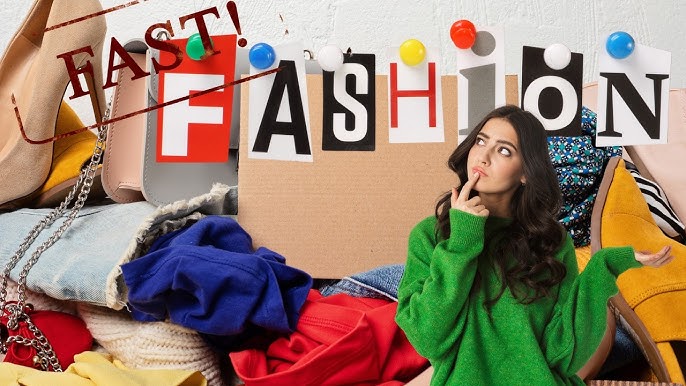
Fast Fashion's Crossroads: Sustainability remains a PR battleground. Shein, the world's largest fast fashion retailer, sees its first profit decline, showcasing the vulnerability to economic headwinds. Reformation's focus on upcycled materials demonstrates the potential for a more responsible model.
Luxury's Green Revolution: Gucci's "Off the Grid" collection redefines sustainable luxury, while Burberry's digital-first approach and Louis Vuitton's "My LV" personalization program illustrate the shift to consumer-centric experiences.
Activewear Embraces Technology: Patagonia's ‘NetPlus’ collection, made from recycled fishing nets, showcases the sustainability focus. Nike's Flyknit technology and Adidas' biometrics integration highlight the increasing tech-enabled landscape.
Challenges and Concerns: A global canvas
Supply Chain Tangles: The war in Ukraine disrupts cotton supply chains, impacting Bangladesh, which relies heavily on Ukrainian cotton. Diversification efforts face infrastructure and labor issues in new regions.
Cost Crunch Squeezes Margins: Rising raw material and energy costs hit all segments. Indian textile manufacturers and Shein's profit decline exemplify the pressure on price-sensitive players.
Sustainability's Double-Edged Sword: Greenwashing remains a major concern, eroding consumer trust. Only 24 per cent of major brands disclose complete supplier information, says Fashion Revolution, underscoring the need for greater transparency.
Navigating the Complexities
The global textile and apparel industry faces a mix of challenges and opportunities. Understanding the unique landscape of regions, economies, and segments is crucial. As Levi Strauss & Co. CEO Chip Bergh says, "The future belongs to those who can connect deeply with consumers, embrace technology, and operate with an eye toward sustainability."
Adapting and innovating are key to thriving in this dynamic world. Embracing regional diversification, investing in technology, and prioritizing true sustainability are threads that can weave a stronger future for the textile and apparel industry. Aditya Birla Group Chairman Kumar Mangalam Birla aptly puts it, "The future belongs to those who can adapt to change, embrace innovation, and build resilient supply chains."
NCTO urges DHS: Enforce Uyghur Forced Labor Prevention Act now
National Council of Textile Organizations (NCTO) President and CEO Kim Glas has voiced strong support for a letter from House Select Committee leaders urging Department of Homeland Security (DHS) Secretary Alejandro Mayorkas to intensify enforcement of the Uyghur Forced Labor Prevention Act (UFLPA). The letter, spearheaded by Chairman Mike Gallagher (R-WI) and Ranking Member Raja Krishnamoorthi (D-IL), emphasizes the urgent need to combat unfair trade practices facilitating the importation of goods produced with forced labor.
Glas highlights the devastating impact of the UFLPA's incomplete enforcement and the de minimis loophole on the U.S. textile and apparel industry. The surge of Chinese cotton from Xinjiang, notorious for forced labor practices, poses a significant threat to American manufacturers. The call for immediate action resonates as the textile industry faces unprecedented demand destruction and challenges exacerbated by lax customs and trade law enforcement.
The NCTO emphasizes the urgency of addressing fraudulent origin claims and the de minimis loophole, which allows millions of illegal products to flood the market daily. Failure to curb these practices not only jeopardizes American manufacturers and workers but also endangers crucial supply chains producing essential goods, including life-saving personal protective equipment (PPE) and military products.
Glas concludes by stressing the imperative of a comprehensive government solution to confront China's predatory trade practices and prevent the infiltration of forced labor products into the U.S. market. The fate of domestic and Western Hemisphere supply chains hangs in the balance, with potential repercussions for factory closures and worker layoffs if immediate action is not taken.
Danish fashion dominates Pure London x JATC
In a remarkable fusion of Danish design and international flair, Pure London x JATC, the London Festival of Fashion, is set to host an extraordinary showcase of diverse Danish brands from renowned fashion powerhouses DK Company and Godske. The event, slated for February 11-13, 2024, at the iconic Olympia London, signals a resounding affirmation of the UK fashion market's growing strength.
Leading the Danish contingent is b.young from DK Company, a brand celebrating individuality through warm hues, inviting textures, lively patterns, and unique accessories. Sales Director Kim Kristensen sees the event as a strategic platform for forging connections and exploring growth opportunities in the UK market. ICHI, Fransa, Saint Tropez, Soaked In Luxury, and other dynamic brands will also captivate buyers with trend-led collections and versatile designs.
Godske, another Danish fashion powerhouse, promises to wow buyers with its sophisticated and elegant offerings. Brands like NOEN, Gomaye, Molly Jo, and Robell specialize in contemporary, timeless, and stylish pieces. Mature fashion is well-represented by SUNDAY, Habella, Tia, and I'cona, offering chic and classic collections.
Gloria Sandrucci, Pure London Event Director, emphasizes the international scope of the event, praising the confidence displayed by DK Company and Godske in targeting the UK customer. With over 300 brands on display, Pure London x JATC promises to be a unique opportunity for both established and emerging fashion players to connect and thrive. The combined show, uniting JATC and Pure London, is anticipated to provide a comprehensive and exciting platform for the fashion industry, fostering connections and rejuvenating the sector post-pandemic.
CMAI’s 78th National Garment Fair 2024 in Mumbai
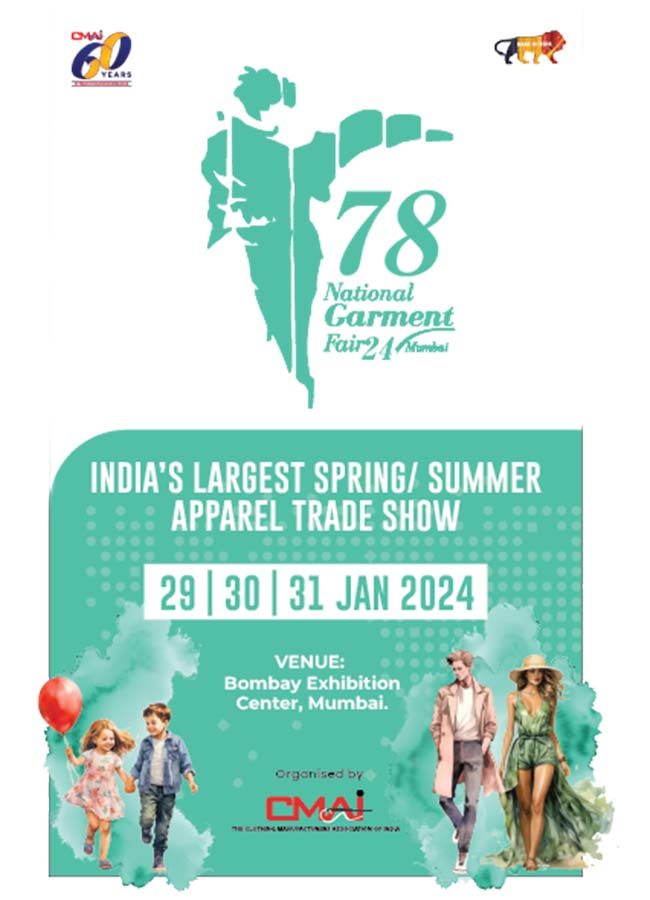
The Clothing Manufacturers Association of India (CMAI) is gearing up to unveil the 78th edition of the National Garment Fair 2024 (NGF 2024) in Mumbai from January 29 to 31, 2024. This premier event is set to showcase the offerings of over 950 garment manufacturers, featuring an extensive array of 1120 apparel brands spanning Women’s wear, Men’s Wear, Kids wear, and Accessories at the Bombay Exhibition NESCO Complex in Goregaon East.
Key platform for industry interaction
The NGF 2024 stands as the much-anticipated biannual trade show that acts as a crucial bridge, connecting national and regional brands, manufacturers, apparel designers, and fashion accessories manufacturers with retailers, agents, distributors, and e-commerce companies. It has earned its reputation as India’s leading trade fair, providing a comprehensive sourcing platform that optimizes both time and cost efficiency for all stakeholders involved.
Insights from industry leaders
Rajesh Masand, President of CMAI, emphasized the significance of NGF 2024 in gauging the industry's future, stating, “The apparel industry has faced challenges with consumer preferences shifting away from traditional apparel categories. Bookings made during NGF 2024 will serve as a key indicator for the outlook of the segment over the next six months.”
Rohit Munjal, Vice President and Chairman of the Fair Committee, highlighted the expansive scale of this edition, covering approximately 7,00,000 sq. ft. of exhibition area spread across 7 Halls. Anticipating a substantial turnout, Munjal expects trade visitors from all corners of India, including national-level retailers and distributors.
Industry stabilization predicted
Rahul Mehta, Chief Mentor of CMAI, expressed optimism regarding the demand for the upcoming spring-summer season. He stated, “Retailers are actively managing substantial inventory, and with the ongoing End of Season Sale (EOSS), we anticipate the clearance of surplus stock, leading to a normalization of bookings. Nevertheless, 2024 is projected to be a stabilizing period, with no substantial upswing expected in apparel sales during this year.”
Market overview
The Indian apparel market, estimated at Rs. 6.80 lakh crores, has witnessed a growth of 15-20% in FY2024. This growth is attributed to distributor network expansions and new store openings. However, the same-store growth has not been as substantial, indicating the need for innovative strategies to drive sustained growth in the industry.
As industry stakeholders converge at NGF 2024, the spotlight will be on forging collaborations, exploring market trends, and revitalizing a sector that is navigating through dynamic consumer preferences and market challenges. The fair is poised to serve as a pivotal juncture for the industry to adapt and thrive in the ever-evolving landscape of the fashion market.
8th GMMSA expo in Jalandhar exhibitors from across the globe
A four-day extravaganza, the 8th Garments Machinery Manufacturers and Suppliers' Association (GMMSA) Expo, being held from January 19-22, 2024, showcases latest innovations in garment manufacturing technology in Jalandhar.
On the inaugural day, over 200 companies from across the globe descended upon the Grain Market on Bahadur Ke Road, Jalandhar Bypass, transforming the venue into a dazzling display of cutting-edge machinery and solutions.
Highlighting the expo’s focus, Teja Singh, President, GMMSA, says, the expo aims to empower garment manufacturers with the tools they need to elevate their game. It will offer everything from enhanced productivity and immaculate quality to cost-effective production, under one roof.
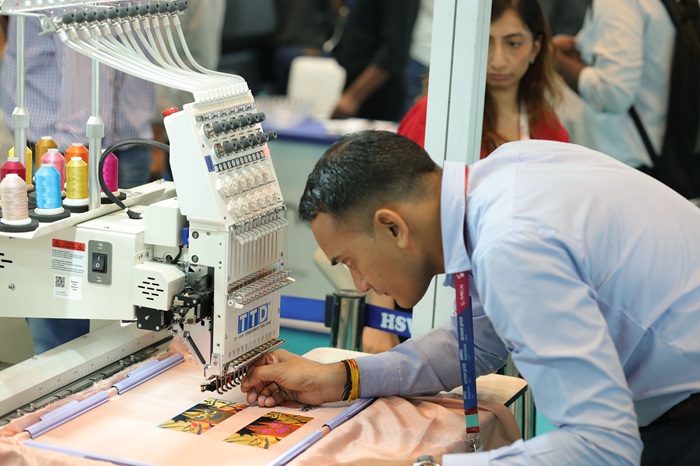
At the expo, an array of machinery, such as weaving looms with lightning-fast speeds, embroidery machines crafting intricate designs with laser-like precision, and cutting-edge finishing equipment promising wrinkle-free perfection captivated the audience. Live demonstrations by skilled technicians further enthralled the visitors, showcasing the capabilities of these technological marvels.
More than just gleaming machines, the expo served as a platform for forging connections, striking deals, and driving the industry forward. The exhibition buzzed with conversations between manufacturers, suppliers, and textile professionals, sharing knowledge, exchanging ideas, and exploring potential partnerships. It is sure to be a catalyst for future positive change, avers Singh.
After a three-year hiatus, Inditex returns to Venezuela with a Zara store
Inditex plans to make a comeback in Venezuela by reopening a Zara store in Caracas under a franchise agreement. This marks the return of the Inditex brand to the South American country since it shut all shops in 2021.
The move signals a potential revival of the Venezuelan market for global brands, as easing US sanctions and relaxed local regulations create a more favorable environment. Grupo Futura, Inditex's new franchisee, previously helped the company navigate complex regulations during the Chavez era and now aims to reconnect them with a burgeoning consumer base.
The opening is expected to take place before the end of the first half of 2024, confirmed Inditex, adding that Grupo Futura will manage the store in Caracas' Sambil shopping center. This strategic partnership leverages Grupo Futura's local expertise and Inditex's global brand recognition to re-enter the Venezuelan market.
Inditex's departure in 2021 stemmed from a revised agreement with its then-partner, Phoenix World Trade. However, Grupo Futura's experience navigating past challenges and its understanding of the current economic landscape make it a suitable partner for Inditex's return.
Once crippled by hyperinflation and currency controls, the Venezuelan economy has shown signs of improvement under President Maduro's recent economic liberalization policies. The lifting of certain US sanctions and the easing of foreign currency restrictions have allowed businesses like Grupo Futura to operate more freely, attracting international brands like Zara back to the market.
Zara's return to Venezuela follows a similar move in Argentina last year, where the brand transitioned to a franchise model after 25 years of direct management. This trend indicates a shift in Inditex's strategy, potentially favoring franchise partnerships for greater agility and local market adaptation.
The reopening of the Zara store also signifies a glimmer of hope for Venezuela's economic recovery and its potential to attract international investment once again. As more global brands consider re-entering the market, Venezuela's retail landscape could see a significant transformation in the coming years.
Bangladesh garment industry faces mixed fortunes in H1FY’24
A vital engine of its economy, the Bangladesh garment industry faced mixed fortunes in the first half of the current financial year. While exports to established markets like the European Union and the US dipped due to economic slowdown, the sector saw encouraging growth in newer destinations.
Garment exports to EU, Bangladesh's largest customer, declined by 1.24 per cent, reflecting the impact of high inflation on consumer spending. Exports to the region’s single biggest market, the US also declined 5.69 per cent due to overall slowdown in the American economy.
However, amidst these challenges, Bangladesh found promising opportunities in non-traditional markets. Exports to Japan, Australia, UAE, South Korea, and Saudi Arabia grew in the range of 9.98 per cent to 40.62 per cent. This helped mitigate the impact of the slowdown in traditional markets and kept Bangladesh's overall export growth positive.
Industry leaders believe that with inflation starting to ease and the gains made in new markets, Bangladesh’s garment exports may rebound in the second half of FY24. However, concerns about the Red Sea crisis and rising freight costs persist.
Bangladesh's garment industry is navigating a complex global economic landscape.
While challenges in traditional markets remain, the sector's adaptability and focus on new markets offer reasons for optimism. The coming months will be crucial in determining the industry's trajectory, with the hope that the resilience and diversification shown so far will pave the way for continued success.
Mimaki DTF printers take the market by storm with sale of over Tx150-75 units
The textile printing world is buzzing with Mimaki's DTF (direct to film) printers. Launched in 2023, the Tx150-75 has already surpassed a staggering 300 units sold across Europe, Middle East, and Africa, showcasing not only its own quality but also the surging popularity of DTF printing.
The Tx150-75 tackles common DTF woes like poor ink ejection and white ink clogging head-on with its built-in circulation system and degassed ink pack. Coupled with Mimaki's signature technologies like the nozzle check unit (NCU) and nozzle recovery system (NRS), the Tx150-75 delivers a smooth, efficient printing experience that minimizes intervention. This fills a crucial gap in the market for a stable and reliable DTF solution.
Arjen Evertse, General Sales Manager, Mimaki Europe says, the Tx150-75 delivers on all fronts, but its popularity also stems from its suitability for both newcomers to DTF and existing businesses handling smaller jobs.
Besides, launched in August 2023, the Tx300-75 has already secured over 100 orders. Boasting all the Tx150-75's capabilities but with a three times faster print speed, it's clearly piqued the interest of high-volume DTF printing businesses.
DTF is revolutionising textile printing by digitally printing directly onto a special film, then sprinkling it with hot-melt powder and heating it. This creates stunningly detailed transfers perfect for customized merchandise, sportswear, and countless promotional applications. Unlike traditional screen printing with its time-consuming plate creation and limitations on color and detail, DTF delivers vibrant hues and intricate designs, ideal for the bespoke textile market.
DTF's versatility in material printing and faster delivery times compared to other processes has made it a game-changer for apparel. Both Mimaki models, at 80cm wide, are 20cm wider than the industry standard, maximizing efficiency and minimizing waste. Additionally, Mimaki's Oeko-Tex Eco Passport certified water-based pigment inks (PHT50) specifically developed for these printers ensure eco-friendly operation.
With Mimaki's DTF printers leading the charge, the future of textile printing looks vibrant, efficient, and full of possibilities.
Tiruppur exporters battered as Red Sea attacks disrupt shipping routes
The Red Sea attacks have had a devastating impact on garment exporters in Tiruppur, India. The attacks have disrupted the shipping route to European Union ports, and the cost of shipping has tripled. This has caused a major crisis for the exporters, who are now struggling to meet their deadlines and fulfill their orders.
The Indian government has directed the ECGC (Export Credit Guarantee Corporation) to desist from raising insurance premiums amid rising cost of shipping to Europe. However, this is not enough to help the exporters, who are still facing a major financial burden.
The attacks have also had a negative impact on the local economy in Tiruppur. The garment industry is a major employer in the region, and the attacks have led to job losses and a decline in business activity.
The situation is still unfolding, and it is unclear how the attacks will ultimately affect the garment industry in Tiruppur. However, it is clear that the attacks have had a major negative impact, and it will take time for the industry to recover.
Levi's extends eyewear partnership with Safilo
The iconic American denim brand, Levi Strauss & Co, has cemented its position in the eyewear market by extending its licensing deal with Italian eyewear specialist Safilo until the end of 2029. This partnership ensures continued global distribution of Levi's-branded glasses, capitalizing on both companies' strengths: Levi's undeniable brand recognition and widespread retail presence across continents, and Safilo's expertise in crafting high-quality eyewear.
For Levi Strauss, this extension underscores Safilo's proven track record in design, manufacturing, and distribution. It makes them the perfect partner to continue bringing Levi’s iconic style to customers around the world.
The extended Safilo deal strengthens Levi Strauss’ presence in a rapidly growing eyewear market that is projected to grow by 4.5 per cent between 2023 and 2028. Leveraging Safilo's global network and design prowess will enable Levi's reach new customer segments and strengthen its brand image as a lifestyle icon.
The Levi's-Safilo partnership will offer a wider range of styles and technologies to cater to diverse preferences, predict analysts. From classic aviators and wayfarers to trendy cat-eye frames and sporty sunglasses, the future promises exciting eyewear options that seamlessly blend Levi's timeless heritage with Safilo's dedication to cutting-edge design.