FW
Partnership between Eastman and Patagonia tackles textile waste
In a bid to combat textile waste, Eastman has forged an alliance with outdoor apparel giant Patagonia. Together, they aim to repurpose 8,000 pounds of both pre- and post-consumer clothing waste.
Eastman will utilize its cutting-edge molecular recycling technology to process the discarded garments, breaking them down into molecular building blocks for the creation of new fibers.
Natalie Banakis, Patagonia's materials innovation engineer, stressed the urgency of addressing apparel waste, noting the growing consumer demand for sustainable solutions.
Meanwhile, Carolina Sister Cohn, Eastman's global marketing lead for textiles, emphasized the transformative potential of collaborations like these in revolutionizing the fashion industry's approach to sustainability.
Cohn expressed confidence in Eastman's technology to foster circularity within the textiles sector and highlighted the necessity of partnerships with forward-thinking brands to drive meaningful change.
The partnership marks a significant step towards a more sustainable future for fashion, with both companies committed to further collaborations throughout 2024 and beyond.
Global Black Impact Summit spotlights powerhouses in sports and fashion
The Global Black Impact Summit (GBIS) 2024 in Dubai on February 27 showcased the profound influence of Black excellence in sports and fashion through two riveting panel discussions.
Moderated by Alycia Powell, Founder of Champions for Impact, the sports panel underscored the pivotal role of Black athletes in catalyzing societal transformation and fostering global unity.
Amadou Gallo Fall, President of the Basketball Africa League, emphasized sports' unparalleled potential for effecting change, citing initiatives like Luol Deng's basketball federation, which spurs economic growth and community empowerment across Africa.
Echoing this sentiment, Sara Rehane, Founder of Africa FC, highlighted the inspirational journey of African football icons like Didier Drogba, who leverage their prominence to advocate for peace and solidarity.
Meanwhile, the fashion panel, steered by Mayowa Adegoke, International Journalist and Speaker, delved into the imperative of representation and entrepreneurship in the fashion sphere.
Jefferson Osey, Co-founder and CEO of Daily Paper, elucidated the profound link between attire and identity, stressing the need for platforms amplifying Black voices and fostering intergenerational legacies.
Thando Magumise, Founder of Ntombi Couture Dubai, emphasized the business acumen requisite in the fashion domain, urging entrepreneurs to safeguard their intellectual property and champion diversity through Black-owned enterprises.
Both panels showcased the monumental impact of Black individuals, not solely as sports icons and fashion mavens, but as catalysts for social progress and economic empowerment within their communities and on a global scale.
Nat Geo, Mandai Wildlife group launch eco-friendly collections in Kuala Lumpur
Nat Geo unveiled its first Southeast Asian adventure-themed retail store at Pavilion Kuala Lumpur. This retail venture showcases a diverse array of premium outdoor and lifestyle apparel and accessories, seamlessly blending functionality with style for both outdoor excursions and urban exploration.
At the heart of Nat Geo Apparel lies a commitment to bridge the gap between practicality and fashion. Their meticulously curated product lineup boasts everything from Gore-Tex windproof jackets and water-resistant hiking pants to tees, joggers, and athleisure ensembles. Notably, the inclusion of Coolmax technology underscores Nat Geo's dedication to eco-conscious materials, offering wearers a blend of comfort and sustainability.
Complementing its apparel offerings, the store features an assortment of accessories, including backpacks, hats, socks, and luggage, all bearing the hallmark of Nat Geo's rugged aesthetic and commitment to quality.
Joyce Yap, CEO-Retail, Kuala Lumpur Pavilion, remarks, the combination of Malaysia's diverse natural landscapes with the rising popularity of technical clothing will resonate strongly with active urbanites.
In a parallel development, Mandai Wildlife Group ventured into the fashion realm with the launch of its eco-friendly Good Threads capsule collection in Singapore. Good Threads capsule collection launched in Singapore is only available locally for Singapore residents and they can also purchase online at goodthreadsbymandai.sg. This 200-piece ensemble underscores Mandai's commitment to raise awareness about sustainable fashion choices, with innovative features such as detachable tote bags and dual-pocket organisers emphasizing the importance of environmental stewardship.
Both Nat Geo and Mandai Wildlife Group exemplify a shared ethos of environmental consciousness and adventure-driven exploration, offering consumers in Malaysia and beyond the opportunity to make meaningful choices in their fashion and lifestyle pursuits.
RIL launches two new initiatives at Bharat Tex 2024
Reliance Industries (RIL) launched two new initiatives at Bharat Tex 2024. The company unveiled the global expansion of the Circular Design Challenge (CDC) besides launching Ecotherm, revolutionary product set to transform the textile industry.
Launched in partnership with the UN in India and Lakmé Fashion Week, CDC has extended its reach to encompass the UK, EU, and APAC regions, inviting designers worldwide to champion circularity and sustainability in fashion.
At the Pavilion, attendees explore offerings from RIL and affiliates, including Alok Industries, Sintex Industries, and more, alongside the R|Elan Hub Excellence Program (HEP) Partners, driving innovation in textiles.
A game-changing fiber, Ecotherm offers a blend of properties tailored for modern consumers: it's lightweight, high bulk, thermally efficient, resilient, soft, and highly dyeable. Its stable pricing and co-branding opportunities make it economically attractive, while ‘Reliance Rishta’ supports the Indian textile industry with specialised products, trend forecasts, and marketing assistance.
To extend product development support, RIL is offering indigenous alternatives like Cotluk Fibers, Sapan filament yarn, and Dull PBT, meeting sustainability demands. Initiatives like the denim revolution and Low Melt Yarn reduce environmental impact and promote national self-sufficiency.
RIL is partnering with designers and industry players to make sustainable fabrics accessible and desirable globally. Through the HEP initiative, the company empowers over 50 industry players with expertise and consultation, ensuring quality textiles. This aligns with their commitment to consumer satisfaction and sustainability.
Domestic textiles shines in nature fibres & sustainability at Bharat Tex 2024
Domestic Textiles, a prominent entity within Grasim Industries, Aditya Birla Group, is set to make its mark at Bharat Tex 2024, India's premier textile festival. With a heritage dating back to 1949, Domestic Textiles is a leader in India's linen, wool, and cotton markets, renowned for its quality, innovation, and sustainability initiatives.
Operating through key units - JayaShree Textiles, Vikram Woollens, and Grasim Premium Fabric - Domestic Textiles stands out in each segment. Linen Club, its flagship brand in linen, offers an extensive collection sourced from authentic European flax. With over 8500 multi-brand outlets and 220 exclusive stores, Linen Club holds the title of India's No.1 Linen Brand, supplying top international and domestic brands like Louis Philippe and Blackberrys.
In addition to linen, Domestic Textiles excels in merino wool and premium cotton fabrics, catering to diverse market needs with brands like 'Soktas' and 'Giza House.' The company's focus on design innovation and customer satisfaction ensures it remains a preferred supplier for leading menswear brands globally.
Central to Domestic Textiles' ethos is sustainability. Through initiatives like 'Wealth-out-of-Waste,' the company upholds a circular economy model, recycling waste linen materials to create new products like blended yarn, linen-rich fabric, and ready-to-wear apparel.. With 16 per cent of energy consumption from renewable sources and rigorous waste management practices, Domestic Textiles received the Corporate Excellence Award at the CII-ITC Sustainability Awards 2022.
Satyaki Ghosh, CEO of Domestic Textiles, Aditya Birla Group, affirmed the company's commitment to innovation and sustainability at Bharat Tex 2024. By blending tradition with modern technology, Domestic Textiles continues to redefine the textile industry's boundaries, ensuring excellence at every step.
The showcase of Domestic Textiles at Bharat Tex 2024 promises to be a testament to its unwavering commitment to excellence in the Indian Textile industry. Through seamless integration of legacy and technology, the company continues to lead the way forward, setting new standards for the textile industry.
Gap unveils Spring 2024 campaign with artist Tyla
American fashion brand Gap unveiled its Spring 2024 campaign with Grammy Award-winning artist Tyla.
A mix of fashion, music, and dance, the campaign embraces Gap's roots as a pop culture brand and commitment to celebrate self-expression and individuality, with the 22-year-old sensation Tyla who embodies the spirit of originality that Gap seeks to champion.
Collaborating with Tyla is the music duo Jungle, recognised for their blend of disco, hip-hop, and funk. Their track ‘Back On 74,’ featured in the campaign, serves as a fitting backdrop for Gap's latest collection, which recently ignited a dance craze on TikTok.
Mark Breitbard, President and CEO, Gap, says, the campaign pays homage to Gap's iconic musical ads of the past while embracing the diverse voices and talents that shape the brand’s present and future.
The campaign highlights Gap's newest linen collection, emphasising the ease and versatility of linen fabrications. From the linen cropped boyfriend shirt to the linen long sleeve button-up, each piece in the collection is designed to empower wearers to express their unique personalities.
Puma anticipates sales decline in H1 FY’24
German sportswear brand Puma anticipates a challenging first half of the year amidst a weakening market, echoing sentiments felt across the sportswear industry.
Puma’s sales during the period in the Europe, Middle East, and Africa (EMEA) region declined due to a 5.2 per cent drop in Q4 sales.
Conversely, the brand’s sales in the Americas fell by 6.4 per cent, primarily due to the devaluation of the Argentine peso, impacting profitability in the first half of the year. Emerging as a beacon of growth, The Asia-Pacific region reported a 2.8 per cent rise in sales driven by robust performance in Greater China and India.
Despite the challenges, Puma reiterated its 2024 forecast, anticipating mid-single-digit percentage growth in currency-adjusted sales and earnings before interest and tax ranging from €620 million to €700 million.
Analysts at Deutsche Bank expressed confidence in Puma's management, suggesting that the company's guidance might be conservative given the industry's outlook.
Puma's shares have trailed behind industry giants Nike and Adidas over the past year, affecting the company's valuation. Exacerbating industry-wide struggles with excess stock, Puma reported a 19.6 per cent decline in inventory by 2023-end, amounting to €1.8 billion.
In terms of product performance, the brand’s footwear sales surged by 12.4 per cent in 2023, while apparel sales experienced a slight decline of 0.3 per cent. This shift reflects consumer preferences favoring shoes over traditional sportswear items like track suits and hoodies.
Cambodia’s T&A exports drop to $11.1 billion in 2023
Cambodia's textiles and apparel (T&A) exports declined by 13.3 per cent to $11.1 billion in 2023. Despite this, the sector demonstrated resilience by setting up 241 new plants, bringing the total active factories to 2,125 by the year's end.
The decline in exports was particularly notable in key markets such as the European Union, where apparel exports fell by 13 per cent to €3.2 billion, and the United States, witnessing a staggering 23.5 per cent drop to $3.3 billion.
Ranking sixth among apparel suppliers to both regions, Cambodia attributed these setbacks as primary contributors to the overall downturn in 2023.
However, when considering the remarkable surge in Western orders during 2022, which amplified Cambodian exports by 15 per cent, the downturn appears more as a necessary correction than a systemic failure.
Nonetheless, concerns loom over Cambodia's relationship with Western markets. The US’s decision not to renew Cambodia's membership in the Generalised System of Preferences program and the reduction of customs advantages through the EU's EBA program have raised alarms among local manufacturers.
This uncertainty has prompted calls for diversification within Cambodia's industrial sector, despite textiles and apparel still comprising at least one quarter of the country's GDP. The allure of Cambodia to Western buyers persists due to its competitive advantage in labor costs, with textile workers earning an average of $61 per month.
This advantage has fueled an 11.24 per cent increase in investments within the local textiles industry, with total investments reaching $18.5 billion last year. Notably, foreign investment, particularly from China, has played a significant role in this expansion.
As a result, Cambodia's textiles and apparel sector now boasts an estimated output volume worth $16.3 billion, according to data from Cambodia’s Ministry of Industry, Science, Technology, and Innovation.
Gap between India’s focus on cotton and global demand widens: GTRI
Posing a significant threat to India’s apparel sector, the gap between the country's traditional focus on cotton apparel and the global demand for synthetic garments has widened, says a new report by the Global Trade Research Initiative(GTRI).
As per the report, developed nations are increasingly consuming clothing made from mixed synthetics, while India's exports in this category remain low. This overreliance on cotton has led to India's share in global garment exports falling as the country has been unable to meet the growing demand for synthetic clothing.
India’s focus on cotton also results in lower wages for workers and limited investments in the sector. Many factories across the country operate only half a year due to the lack of demand for synthetic or winter wear, leading to higher operational costs.
To counter these challenges the GTRI report recommends a shift towards synthetic fabrics, which would enable factories to operate around the year, leading to increased job opportunities and higher wages.
Embracing synthetic fabrics would also allow India to compete more effectively in the international market, says the report. Further, it recommends adapting to the fast-paced nature of the global fashion industry and strengthening contract enforcement and labor laws.
By embracing these changes and leveraging its strengths, the Indian textile industry can secure a prominent position in the global market for the future, adds the report.
The Shifting Fabric of Apparel Exports: Europe's diversifying landscape
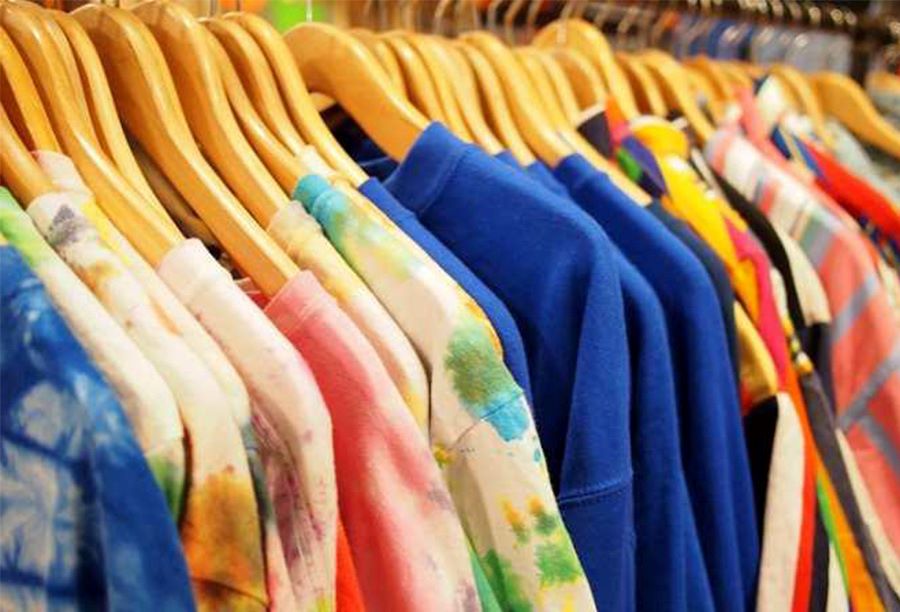
The landscape of apparel exports to Europe is undergoing a significant transformation, driven by changing consumer demands, sustainability concerns, and geopolitical shifts. The European Union (EU) represents a vast and lucrative apparel market, one that is undergoing a significant shift in its import dynamics. While traditional giants like China continue to hold sway, a new wave of players is rising, driven by factors ranging from economic diversification to ethical concerns.
Top exporting countries
As per CBI while China remains the dominant player, its share has been declining (15 per cent in 2022, down from 17 per cent in 2017). Emerging as a strong contender, Bangladesh's share increased from 9.5 per cent in 2017 to 11.5 per cent in 2022, driven by competitive pricing and proactive sustainability efforts. Turkey a geographically close supplier, benefits from preferential trade agreements and holds a 6 per cent share, but faces challenges in production diversification.
India (2.4 per cent), Vietnam, Cambodia are gaining ground, driven by competitive pricing, diversification, and improved compliance standards.
Table: Top Exporters: A changing landscape
| Rank | Country | 2022 Export Value (€) | 2022 Share (%) | 2019 Export Value (€) | 2019 Share (%) | Change (2019-22) |
| 1 | China | 28.7 bn | 15.0 % | 32.4 bn | 16.9 % | -11.4 % |
| 2 | Bangladesh | 21.9 bn | 11.5 % | 17.6 bn | 9.2 % | 24.4 % |
| 3 | Turkey | 11.4 bn | 6.0 % | 10.8 bn | 5.6 % | 5.6 % |
| 4 | India | 4.6 bn | 2.4 % | 4.2 bn | 2.2 % | 9.5 % |
| 5 | Vietnam | 4.4 bn | 2.3 % | 3.3 bn | 1.7 % | 33.3 % |
Data Source: CBI, Eurostat
Changing product categories
As per McKinsey menswear is dominated by casualwear and sportswear, with growing demand for athleisure and premium casuals. Shirts, knitwear, and trousers dominate. In women's wear dresses, tops, and T-shirts are leading categories, followed by activewear and denim. In kid’s wear casualwear and activewear are top sellers, with growing interest in sustainable and ethically produced options. Sustainability is playing an increasingly important role, with demand for organic cotton, recycled materials, and fair labor practices rising. “Consumers are increasingly seeking transparency, sustainability, and ethical production in their clothing choices," says Achim Berg, Managing Director, The European Apparel and Textile Industry Confederation.
Among segments, knitwear sweaters, jumpers, and cardigans remain popular, with a growing focus on natural fibers and comfort. In denimwear jeans and jackets continue to be mainstays, but sustainable and innovative denim is gaining traction. Coats, jackets, and parkas see strong demand, with puffer jackets and technical outerwear gaining popularity in outerwear. As for activewear, lingerie, and swimwear are important segments, driven by rising consumer interest in health and wellness.
Asia leads value segment
Value segment driven by price competitiveness, is dominated by Asian manufacturers like Bangladesh and China. The premium segment has European brands and manufacturers in strong position, focusing on quality, design, and sustainability. For example Portugal’s focus on high-quality, sustainable knitwear and technical textiles has attracted premium brands and boosted its export value. Fashion heritage and innovative designs continue to position Italy as a leader in the premium segment, despite production challenges. Emerging markets like India and Turkey are increasingly targeting mid-range segments, offering good value and quality.
Paradigm shift
"The future of apparel exports to Europe lies in innovation, diversification, and catering to evolving consumer preferences," says Veronica Grimm, Director-General, Directorate-General for Trade, European Commission. The shift is happening on these lines.
Sustainability: A growing focus on ethical production, eco-friendly materials, and circularity is reshaping the industry.
Nearshoring: Rising production costs and geopolitical tensions are mendorong a shift towards sourcing from geographically closer countries.
Technology: Automation, digitalization, and data analytics are transforming supply chains and enhancing efficiency.
Consumer preferences: Shifting towards quality, sustainability, and personalization are driving product development and marketing strategies.
Future outlook
Experts say, sustainability will be a key differentiator, with stricter regulations and consumer demands impacting sourcing and production practices. Regional sourcing, digitalization, and automation will be crucial for competitiveness in a volatile global environment. Premium and niche segments will offer potential for growth, while value/commodity segments will require innovation and cost optimization. Personalization and omnichannel experiences will become increasingly important to engage consumers.
Note: Data collated from various sources