


FW
Easing of global feedstock prices boosts margins across Polyester value chain
The domestic textile sector is witnessing a recalibration of production economics following a sustained downturn in global crude oil and naphtha benchmarks. As of late June 2026, the polyester value chain - specifically producers of Polyester Staple Fiber (PSF) and Polyester Filament Yarn (PFY) - is experiencing a meaningful reduction in input costs. This softening in feedstock pricing provides a crucial buffer for manufacturers currently navigating high operational overheads, offering an opportunity for domestic spinners to optimize procurement cycles before a potential market correction.
Optimizing procurement in a volatile market
Market analysts observe, while polypropylene pricing maintains structural stability, the cost-benefit of polyester-based inputs is currently at its most advantageous point this quarter. The current pricing environment allows textile units to replenish inventory at more sustainable price levels, which is expected to support margin expansion as the market moves toward the upcoming peak season for apparel exports. We are advising our member mills to leverage the current price lag to secure long-term contracts, notes a senior representative from a major textile trade body. This strategic accumulation is particularly critical for exporters targeting price-sensitive international markets, where maintaining competitive fabric pricing remains the primary determinant of order volumes.
Rebuilding competitiveness through cost efficiency
While the immediate relief in feedstock costs is welcome, the broader textile sector remains focused on the long-term impact of this easing. Manufacturers are utilizing these savings to reallocate capital toward higher-value finishing technologies, such as moisture-wicking and antimicrobial treatments for performance apparel. This transition from basic yarn production to value-added fabric manufacturing is becoming the standard for maintaining resilience against regional supply chain disruptions. By locking in lower material costs now, firms are establishing a more robust financial foundation, ensuring that the domestic apparel industry can absorb potential volatility in global energy markets through the latter half of the fiscal year.
Driving export-led growth for textile hubs
The polyester value chain produces synthetic fibers and yarns essential for apparel, home textiles, and industrial fabrics. By transforming petrochemical derivatives like Purified Terephthalic Acid (PTA) and Monoethylene Glycol (MEG) into versatile textiles, the sector serves as the backbone for low-cost, high-performance manufacturing, consistently driving export-led growth for domestic textile hubs.
Performance Days intensifies global reach amid rising demand for functional textiles
Textile exhibition, Performance Days is intensifying its international expansion, underscored by a significant increase in demand for advanced functional fabrics. Following a successful March 2026 edition in Munich, which hosted over 470 exhibitors and thousands of industry professionals, the organization is extending its footprint by curating specialized innovation hubs at global partner events, including the Future Fabrics Expo in Brussels this June. This strategic maneuver reflects a broader industry movement toward ‘Textile-to-Textile’ circularity, as brands aggressively seek to bridge the gap between high-output athletic requirements and mandatory sustainability compliance.
Strategic innovation for a circular economy
The rising demand is largely driven by the urgent need for scalable recycling solutions. According to exhibition leadership, the focus on closed-loop systems - such as recycled down and post-industrial wool blends - has moved from a niche interest to a primary sourcing mandate. The Future Fabrics Expo has become a critical nexus for innovation-driven material development, notes Marco Weichert, CEO. By embedding its proprietary trend forums and expert-led innovation zones directly into international shows, Performance Days is positioning its sourcing platform as the technical backbone for European and global apparel brands. This integration allows designers to access vetted, circular-ready materials, effectively shortening the development cycle for Fall-Winter 2027 collections.
Navigating market turbulence through technical ddepth
While the geopolitical and economic climate remains unpredictable, manufacturers are countering uncertainty by doubling down on technical performance and material traceability. The exhibition’s recent programming has prioritized digital supply chain due diligence and AI-accelerated creative tools, signaling a departure from traditional, volume-based procurement toward value-added, data-backed material selection. As the industry prepares for the upcoming autumn summit in Munich scheduled for October 13-14, 2026, the emphasis remains on systemic solutions that reconcile extreme functional performance with the rigorous environmental standards now required by international trade regulations.
Performance Days is the leading international trade fair for functional textiles, yarns, and accessories. Founded in 2008, it serves the sports, outdoor, and workwear industries.
Headquartered in Germany, it hosts biannual events in Munich and maintains a digital sourcing platform, focusing on sustainable innovation and technical fabric developments for global brands.
Gap Inc to modernize marketing operations with AI integration
Gap Inc has formally launched a comprehensive initiative to modernize its marketing organization by integrating advanced artificial intelligence across its entire brand portfolio, which includes Old Navy, Gap, Banana Republic, and Athleta.
Announced at the Cannes Lions International Festival of Creativity, the project seeks to move beyond traditional advertising by building an AI-orchestrated ecosystem capable of real-time consumer engagement. The company is collaborating with Google Cloud, Zeta Global, and Publicis Sapient to architect a unified marketing intelligence layer, aiming to deliver hyper-personalized content and streamline campaign delivery across its owned digital channels.
Intelligent ecosystems to drive customer relevance
The core of this transformation is the deployment of Athena by Zeta, an intelligence layer designed to unify audience strategy, creative development, and campaign optimization. By leveraging Google Cloud’s Gemini models and sophisticated video generation tools like Veo, Gap Inc. intends to automate complex workflows while allowing its creative teams to focus on brand storytelling. According to Damon Berger, Senior Vice President for Marketing Shared Services, the transition is designed to remove existing data silos, enabling the company to build a marketing model that iteratively adapts to individual consumer behavior. This investment in ‘agentic capabilities’ follows the retailer's ninth consecutive quarter of positive comparable sales, reinforcing management’s commitment to tech-driven growth amid a complex retail landscape.
Future-proofing through data and design
Beyond marketing automation, Gap Inc continues to integrate artificial intelligence into the actual shopping experience, including predictive size guidance and conversational checkout flows. As the company navigates the challenges of balancing promotional intensity with brand elevation, this AI-first operating model is intended to improve operational efficiency and margin protection. By merging a legacy of cultural storytelling with a robust data foundation, Gap Inc. is positioning itself to maintain market relevance in an increasingly AI-native retail environment, where responsiveness to customer intent is becoming the primary driver of competitive advantage.
Gap Inc is a leading global retail house encompassing iconic brands like Old Navy, Gap, Banana Republic, and Athleta. The company operates approximately 3,500 stores worldwide, offering apparel and accessories for all ages. With a renewed focus on AI-led efficiency, Gap Inc. aims to sustain its current positive sales momentum.
Brand Victoria Beckham achieves profitability with $170 million revenue in FY26
Once defined by its struggle to bridge the gap between celebrity influence and sustainable profitability, the Victoria Beckham fashion and beauty empire has successfully navigated its way to a thriving business model. As of early 2026, the company is forecasting an annual revenue of approximately $170 million, marking a significant milestone in its multi-year turnaround strategy. This financial resurgence is underpinned by a departure from a rigid, founder-led operational structure toward a more delegated, performance-driven executive approach.
Digital infrastructure as a growth catalyst
A fundamental component of this success has been the overhaul of the brand's digital ecosystem. By restructuring its paid media strategy, the company has successfully optimized ROI across full-funnel marketing activities. Including AI-powered campaign deployment and a systematic reassessment of product catalogues, these efforts resulted in a 360 per cent increase in paid social revenue and 70 per cent uplift in organic revenue. Unlike legacy luxury houses that prioritize exclusivity through silence, the brand has adopted an ‘experience-first’ digital philosophy. By utilizing interactive sign-up flows that prioritize customer personalization, the brand has secured a one-in-five customer retention rate, proving that digital luxury can balance high-touch service with scalable growth.
Navigating global markets with regional nuance
Beyond digital upgrades, the brand is pursuing an aggressive physical retail strategy, with plans to establish new flagships in New York and Paris. This physical expansion is carefully balanced against regional market intelligence. In the United States and the United Kingdom, marketing communications lean into Victoria Beckham’s personal influence, consistently achieving click-through rates (CTR) of 15 per cent on featured items. Conversely, the brand adapts its narrative for markets like Australia, where engagement is driven by lifestyle-oriented content rather than direct celebrity association. Blending founder-led prestige with highly localized digital tactics, this dual-pronged strategy has positioned the company to capture the ‘conscious urban consumer,’ ensuring its relevance beyond the inner circle of fashion elite.
Founded in 2008, Victoria Beckham is a London-based luxury fashion and beauty house. Its portfolio includes ready-to-wear apparel, luxury beauty products, and eyewear. The company has moved from niche luxury toward broader global retail, supported by strategic collaborations and a strong focus on sustainable, profitable growth.
Vuori expands global presence with over 100 stores in China
California-based performance lifestyle brand Vuori is currently executing a disciplined international rollout, prioritizing top-tier urban centers in China as a cornerstone of its objective to exceed 100 global retail locations by the end of 2026. Rather than pursuing rapid, indiscriminate store proliferation, the brand is leveraging high-precision consumer intelligence to penetrate the premium athleisure segment. Recent operations in Shanghai and Beijing exemplify this refined approach, focusing on affluent urbanites who demonstrate a clear preference for minimalist, high-quality performance apparel over overtly branded activewear.
Cultivating the under-served premium segment
A critical driver of Vuori's expansion is its ability to capture the male activewear segment, which has historically been underserved by competitors favoring female-centric marketing. By maintaining a near 1:1 sales ratio between men’s and women’s apparel, the brand successfully differentiates itself in a crowded market. Industry data suggests that the brand's proprietary fabric technology - emphasizing softness and drape - has provided a significant competitive advantage in China’s rational consumption environment. Furthermore, Vuori’s localized initiatives, such as its recent Chinese New Year collection, reflect a transition toward deep cultural fluency. By avoiding stereotypical design tropes in favor of understated, versatile essentials, the brand has solidified its reputation among consumers who prioritize tactile longevity and technical performance.
Calibrating growth through digital-first integration
Vuori’s international strategy emphasizes a controlled, sequenced entry where digital foundation precedes physical manifestation. By utilizing localized e-commerce platforms to map demand prior to finalizing real estate, the company minimizes the operational risks typical of global scaling. This omnichannel rigor is supported by a valuation of $5.5 billion, providing the capital necessary to sustain premium partnerships with entities such as Pure Fitness. As the brand nears its 2026 store milestone, the focus remains on ‘community-centered retail,’ where each flagship serves not merely as a point of sale, but as an experiential hub designed to build long-term brand equity among high-income, active professional demographics.
Offering premium athletic and casual apparel
Founded in 2015, Vuori is a California-based performance lifestyle brand offering premium athletic and casual apparel. The company targets affluent urban professionals with a focus on men's and women's versatile performance wear. Valued at $5.5 billion, Vuori is currently scaling its physical retail footprint internationally, prioritizing key markets across Asia.
True Religion to expand footprint with four new stores across the US
Iconic denim and lifestyle brand True Religion is expanding its brick-and-mortar network with an aim to reach $1 billion in annual revenue over the next five years. Following successful performance metrics in recent store openings - which boast average four-wall EBITDA margins exceeding 45 per cent - the company plans to establish four additional stores across the US this year, including storefronts in Indiana, New Jersey, Florida, and California.
Ensuring agility with the boutique model
This strategic expansion is underpinned by a shift in retail operations where physical stores are tasked with driving direct sales and brand immersion. Unlike larger format retailers, True Religion is employing a boutique model - averaging approximately 250 sq ft - that allows the brand to remain agile while maintaining a high-touch environment. The brand’s stores are highly profitable and serve as the ideal platform to showcase their craftsmanship while strengthening our e-commerce and wholesale channels, notes Michael Buckley, CEO. By prioritizing markets with proven customer demand and high traffic, the brand is effectively utilizing these small-format flagships to acquire new customers while maintaining high inventory turnover through weekly product drops and exclusive collaborations.
Strategic leadership for market expansion
To facilitate this trajectory, the company recently appointed Kristen Jones, a veteran of retail giants including Skechers and Target, as the new Vice President-Retail. Her mandate involves scaling the physical fleet toward a near-term target of 150 locations, ensuring that each unit functions as a high-performance revenue driver. With total annual revenue projected to reach approximately $550 million this year, the brand is leveraging its current momentum and aggressive marketing campaigns to transition from an urban denim specialist into a comprehensive lifestyle powerhouse. This approach reflects a broader industry movement where digitally native or legacy brands are increasingly reinvesting in the physical consumer experience to reclaim market share and build long-term brand equity.
Renowned for denim and sportswear
Founded in 2002, True Religion is a Los Angeles-based lifestyle brand globally recognized for its signature heavy-thread denim, sportswear, and accessories. Owned by ACON Investments and SB360 Capital Partners, the brand focuses on an urban-casual demographic. With 61 U.S. stores and a growing digital presence, the company is aggressively pursuing a $1 billion revenue target through omnichannel growth.
Natural fibers gain ground as microplastic awareness alters apparel demand

The global apparel industry is entering a new phase of disruption as consumer concern over microplastic pollution begins to materially influence purchasing behavior. What was once considered a niche environmental debate confined to scientific circles has rapidly evolved into a mainstream retail issue, forcing fashion brands to reassess their dependence on synthetic fibers such as polyester and nylon.
Fresh findings from Cotton Incorporated reveal a rise in consumer awareness surrounding microplastics pollution in the US. Awareness levels have climbed to 41 per cent, compared to just 17 per cent in 2017, signalling a profound shift in public consciousness. More importantly for the apparel sector, over half of surveyed consumers now express a preference for garments made from microplastic-free fibers, creating new pressure on sourcing, product development, and merchandising strategies.
For an industry whose modern economics have long relied on the scalability and low cost of synthetics, the transition represents more than a sustainability trend. It points toward a structural rebalancing of fiber demand with implications across spinning mills, textile processing units, and global supply chains.
Sustainability demand meets consumer confusion
Despite growing environmental awareness, the path from consumer concern to purchasing action remains uneven. The research highlights a widening disconnect between sustainability intent and practical decision-making at retail level.
|
Consumer Sentiment Metric |
Percentage (%) |
|
Motivated to act sustainably |
76% |
|
View environmental change as a concern |
73% |
|
Likely to look for microplastic-free fibers |
59% |
|
Aware of microplastics pollution (Current) |
41% |
|
Buy natural fibers specifically to reduce pollution |
37% |
|
Overwhelmed by unclear information |
37% |
The data illustrates a market increasingly receptive to sustainable materials, yet simultaneously overwhelmed by conflicting environmental claims. Around 37 per cent of consumers report confusion caused by inconsistent sustainability messaging, while many remain uncertain about how textile choices, washing practices, or garment composition contribute to pollution.
This information gap is emerging as one of the apparel sector’s biggest commercial challenges. For retailers, the opportunity now extends beyond merely stocking sustainable products. Competitive advantage will increasingly depend on simplifying communication around fiber composition, biodegradability, and environmental impact at the point of sale.
Industry analysts suggest that transparency may soon become as commercially important as design, pricing, or performance attributes.
Fiber selection becomes a risk management issue
The implications of this shift extend deep into global manufacturing ecosystems. Historically, fiber selection decisions were driven primarily by cost efficiency, durability, and scalability. Today, sourcing teams are being forced to evaluate another variable: reputational and regulatory risk.
Synthetic textiles remain under mounting scrutiny because polyester and nylon garments release microfibers during laundering, contributing significantly to environmental microplastic accumulation. As awareness grows, brands heavily dependent on synthetic materials face the possibility of losing environmentally conscious consumers, particularly younger demographics that increasingly prioritize sustainability in purchasing decisions.
The Cotton Incorporated findings indicate that consumer preference changes sharply when biodegradability comparisons are clearly explained. Respondents showed greater inclination toward cotton and wool once informed that synthetic fibers may persist in ecosystems for centuries, while natural fibers decompose comparatively rapidly in soil and marine environments.
This shift is beginning to alter procurement strategies across the industry. Textile manufacturers are now accelerating development of low-impact blends and advanced natural-fiber constructions capable of replicating the stretch, moisture management, and durability traditionally associated with synthetics.
Performance apparel enters transition phase
One of the most commercially significant developments is occurring within the performance and activewear segments categories historically dominated by polyester-based fabrics. A mid-market US apparel retailer recently launched a pilot initiative replacing 20 per cent of its polyester performance fleece collection with a high-twist cotton alternative. The decision was prompted by rising customer concern regarding synthetic fiber shedding during household laundering.
The outcome revealed a notable market shift. Despite carrying a 15 per cent higher retail price, the cotton-based range achieved a 12 per cent increase in full-price sell-through compared to the synthetic counterpart. Consumers cited breathability, comfort, and the absence of plastic-derived materials as primary purchase drivers.
The pilot demonstrates that price sensitivity, while still important, is no longer the sole determinant of apparel demand. A growing segment of consumers appears willing to absorb premium pricing when products align with environmental values without compromising functionality.
For brands, this creates a new innovation imperative: achieving performance equivalence through natural or biodegradable materials rather than petroleum-derived synthetics.
Circularity pressures boost textile innovation
The anti-microplastic movement is also reinforcing the broader shift toward circular fashion systems. Because synthetic fibers are now widely recognized as a major source of primary microplastic pollution, pressure is mounting on fashion companies to rethink garment lifecycle strategies.
This transition is already stimulating investment in next-generation cotton processing, regenerative wool technologies, and biodegradable textile treatments designed to compete directly with synthetic performance fabrics. Textile innovators are focusing on enhancing durability, elasticity, and moisture control while maintaining compostability and lower ecological impact.
For the fashion industry, the stakes are becoming increasingly financial rather than purely ethical. Potential regulatory action targeting synthetic microfiber shedding remains a growing concern in several global markets. Simultaneously, consumer loyalty appears increasingly tied to demonstrable sustainability commitments rather than aspirational branding alone.
The result is a gradual but decisive repositioning of natural fibers from heritage materials to strategic growth assets.
The emerging competitive divide
The evolving consumer narrative around microplastics signals a larger transformation underway within fashion retail. Brands capable of combining transparency, material innovation, and credible sustainability communication are likely to gain long-term competitive advantage.
Meanwhile, companies that remains heavily reliant on low-cost synthetics without a visible transition strategy may face mounting reputational risk and shrinking relevance among environmentally conscious consumers. As the industry goes through this shift, the future battleground in apparel may no longer center solely on speed-to-market or price efficiency. Increasingly, it will revolve around which materials consumers trust to align with both personal performance expectations and planetary concerns.
Global cotton output declines, raising stakes for spinners and fabric makers

A simultaneous drop across the global natural fiber sector is reshuffle-mapping trading dynamics for international textile mills, yarn spinners, and garment brands. June 2026 data released by the International Cotton Advisory Committee (ICAC) in its Cotton This Month report reveals, the global cotton sector is facing a slowdown. World area under cotton is projected to decline 1 per cent to 30.1 million hectares, pushing down total lint production by 2 per cent to 25.7 million tonnes, and reducing international trade by 1.4 per cent to 9.5 million tonnes. For global downstream processors, lower supply heralds an era of higher input costs, shifting regional trade balances, and intense sourcing competition.
Higher input costs leads to upstream reshuffling
The shrinking of agricultural track is largely due to growing production costs. ICAC Economic Affairs Officer Parkhi Vats explains that global fertilizer prices grew over 12 per cent in the first quarter of 2026, worsened by geopolitical volatility in the Middle East and shipping bottlenecks linked to the Strait of Hormuz. Growing cultivation costs, coupled with climate-induced drought patterns and stronger commercial returns from competing crops like corn, are forcing growers to scale back operations. Simultaneously, natural fibers face market pressure from alternative man-made options.
A geographic assessment reveals that major production hubs are facing highly polarized operating environments. Brazil, after four consecutive seasons of aggressive market growth, is reducing operations, with its cotton area projected drop 6 per cent and total production expected decline 10 per cent as growers deal with weak demand signals and high input costs. The US faces an equally steep hurdle, with approximately 98 per cent of its cultivation area facing severe drought conditions, resulting in 6 per cent acreage drop and 4 per cent decline in production.
Interestingly, India stands out as the primary growth driver; its national acreage remains stable at 11.8 million hectares, but a favorable monsoon forecast and strong domestic consumption are projected to drive 8 per cent increase in output. China is focusing on quality-over-quantity, intentionally retiring lower-yielding, water-stressed acreage to achieve a world-leading projected yield of 2,421 kg/ha.
Area and production forecasts
The baseline allocation shifts for the upcoming 2026/27 marketing year highlight how land utilization is directly constraining lint availability. The global balance sheet, derived from ICAC’s Cotton May-June 2026 data, exposes the difference between leading Western exporters and growing Asian domestic processing hubs.
Table: Global cotton global balance sheet
|
Country/ Region |
Estimated area (000 hectares) 2025/26 |
Projected area (000 hectares) 2026/27 |
Estimated lint production (000 metric tonnes) 2025/26 |
Projected lint production (000 metric tonnes) 2026/27 |
|
World Total |
30,408 |
30,104 |
24,561 |
24,107 |
|
India |
11,800 |
11,800 |
5,000 |
5,400 |
|
China |
3,015 |
3,000 |
7,300 |
7,000 |
|
USA |
3,168 |
2,985 |
3,026 |
2,896 |
|
West Africa |
2,426 |
2,441 |
974 |
944 |
|
Brazil |
2,170 |
2,050 |
4,250 |
3,830 |
|
Australia |
— |
— |
1,011 |
937 |
|
Pakistan |
1,900 |
1,910 |
1,100 |
900 |
Impact on yarn spinners and fabric mills
The decline in global lint supply is resulting in downstream ripples, complicating the commercial margins of spinning mills and fabric manufacturers. In major manufacturing hubs, spinning units are operating with smaller margins. While raw cotton supply volumes thin out, upstream polyester fiber prices have increased due to petrochemical logistics shocks this year. This dual cost pressure means spinning units can no longer easily pass raw material increases down the value chain.
The immediate impact is a visible realignment in blended yarn manufacturing. Fabric mills are reworking their material compositions, shifting toward blended yarns and high-performance synthetics to defend their retail price points. To reduce raw material volatility, leading spinning mills are incorporating recycled fibers and specialized synthetic variants. This product mix adjustment allows manufacturers to preserve standard fabric weights and production runs without succumbing to the volatile pricing cycles of the premium natural fiber market.
For a real-world perspective on handling this situation, intermediate textile manufacturers are rewriting their procurement playbooks. For example, Nitin Spinners by using flexible, multi-fiber spinning capacities, corporate operators have capitalized on changing buyer demands. During their earnings call for the final quarter of the fiscal year ending March 2026, the company reported an all-time high quarterly revenue of Rs 859.8 crores, growing 7.4 per cent sequentially. This increase was led specifically by proactive adjustments in yarn pricing and agile product-mix utilization to match rising domestic demand.
As sourcing executive point out, value chain resilience in today’s macro climate demands absolute procurement flexibility. Fabric brands are no longer solely reliant on pure cotton structures. Success belongs to the processors who can blend natural and synthetic inputs seamlessly to insulate gross margins from erratic agricultural yields.
Apparel’s inflation premium in the US signals a tough road for retailers

The latest inflation data from the U.S. Bureau of Labor Statistics has conveyed an important warning for the fashion and retail industry. While headline inflation remains a concern across the broader economy, apparel prices are now rising faster than the overall consumer basket, creating a difficult balancing act for retailers attempting to preserve profitability without undermining demand.
In May 2026, the Consumer Price Index (CPI-U) increased 4.2 per cent year-on-year, reflecting continued inflationary pressures across the economy. Yet apparel prices climbed even faster, rising 4.8 per cent over the same period. The difference may appear modest at first glance, but for a highly competitive and demand-sensitive sector, the 60-basis-point gap carries significant implications. This happens at a time when consumers are already dealing with higher household expenses. With energy prices increasing 23.5 per cent from a year earlier and broader living costs remaining high, apparel retailers face the challenge of passing on higher costs without triggering resistance at the checkout counter.
A delicate pricing equation
For retailers, the concern is not simply that prices are rising. It is that apparel, unlike food, utilities or housing, remains one of the most discretionary categories in household budgets. Consumers can postpone purchases, extend the life of existing wardrobes, or shift toward lower-priced alternatives when economic conditions tighten. Industry strategist Robert Antoshak believes the latest inflation figures highlight a turning point for the sector. While higher apparel prices could indicate that brands still possess pricing power, they could also signal that supply-chain costs continue to work their way through the market. More importantly, they raise questions about how much additional inflation consumers are willing to tolerate.
The challenge for retailers is that every pricing decision now carries consequences. Holding prices firm may help protect margins but risks slowing sell-through rates. Aggressive promotions can stimulate traffic and move inventory, yet repeated discounting can weaken brand equity and erode profitability. As inflation remains persistent, retail operators are being forced to navigate an increasingly narrow path between growth and margin preservation.
Uneven pressure across categories
A closer examination of apparel inflation reveals that not all product segments are experiencing the same dynamics. The latest data shows variation across categories, highlighting why uniform pricing strategies are becoming ineffective.
Table: Inflation scorecard
|
Category |
Month-on-month change (May vs. April 2026) |
Year-on-year change (May 2025-May 2026) |
|
All Items (Headline CPI-U) |
+0.5% |
+4.2% |
|
Core CPI (Excl. Food & Energy) |
+0.2% |
+2.9% |
|
Apparel (All) |
+0.3% |
+4.8% |
|
Footwear |
+0.6% |
+5.2% |
|
Men's Apparel |
+0.4% |
+2.5% |
|
Women's Apparel |
-0.60% |
+3.9% |
|
Women's & Girls' Apparel |
-0.50% |
+4.1% |
|
Energy |
+3.9% |
+23.5% |
Footwear remains the most inflationary segment, posting a 5.2 per cent annual increase and a 0.6 per cent monthly gain. The category continues to show price resilience despite broader consumer caution, suggesting that brands retain stronger price leverage in footwear than in other apparel segments.
Menswear also recorded positive momentum, rising 0.4 per cent month-on-month and 2.5 per cent annually. However, women's fashion presents a different picture. Women's apparel prices declined 0.6 per cent from April, while women's and girls' apparel fell 0.5 per cent during the month. Although both categories remain significantly higher than year-ago levels, the monthly declines suggest that promotional activity is already beginning to influence pricing behavior. Retailers appear more willing to sacrifice some pricing power to maintain inventory flow and stimulate demand. The data reinforces an emerging industry reality: pricing power is becoming category-specific rather than sector-wide.
Costs continue to climb
The inflation challenge extends beyond consumer demand. Retailers are simultaneously dealing with escalating costs throughout the supply chain. Energy prices, which rose 23.5 per cent year-on-year, continue to affect manufacturing, transportation and distribution expenses. Higher freight costs and evolving tariff structures are further increasing inventory replacement costs for brands and retailers alike.
These pressures mean many companies cannot simply absorb rising costs indefinitely. Instead, they must determine where price increases can be sustained and where value propositions need to be strengthened. This tension is becoming visible in consumer behavior. As per National Retail Federation data, clothing and accessories sales by dollar value increased 10.25 per cent annually in May. On the surface, this appears encouraging. However, underlying purchasing patterns suggest a more complicated reality.
Average basket sizes are shrinking even as total sales values rise. This indicates that revenue growth is being driven more by higher prices than by increased purchasing volumes. Consumers are spending more money but often taking home fewer items. The trend suggests growing caution among shoppers and raises concerns about the sustainability of current sales growth rates if inflation remains high.
Rise of defensive spending
Consumers are responding to inflation with strategic purchasing habits. Many shoppers are trading down from premium brands to value-based alternatives. Others are shifting purchases toward private-label products or off-price retailers that offer stronger value propositions. Some are simply delaying discretionary purchases altogether.
These behavioral shifts create substantial risks for retailers that overestimate their pricing power. Inventory accumulation remains one of the industry's biggest threats. Merchandise that fails to sell at full price often ends up in clearance channels, ultimately damaging gross margins. As a result, the relationship between pricing and inventory management has become more critical than ever. Retailers can no longer rely on broad-based inflation to justify across-the-board price increases.
More surgical retail strategy
Many leading retailers are responding with targeted pricing and inventory strategies rather than blanket price adjustments. Advanced analytics are becoming central to commercial decision-making, helping merchants identify where consumers remain willing to absorb higher prices and where promotional support is necessary. Inventory commitments are being refined to reduce exposure to volatile fashion categories while increasing focus on predictable, high-turning essentials.
Private-label development has emerged as another key growth lever. Retailers ranging from mass merchants to regional discount chains are increasing investment in basic apparel categories that offer stronger margins and greater pricing flexibility. These products provide a value-oriented alternative for consumers while helping retailers protect profit. At the same time, promotional spending is becoming more precise. Instead of broad markdown campaigns, companies are deploying targeted, algorithm-driven offers aimed at maintaining traffic without undermining overall pricing integrity.
The road ahead
The latest inflation figures suggest the US apparel industry is entering a more complex operating environment. Rising prices are supporting revenue growth in the short term, but the widening gap between apparel inflation and headline CPI raises questions about long-term demand resilience.
For retailers, success will depend less on the ability to raise prices and more on the ability to manage assortment, inventory and promotional strategies with precision. As consumers become more and more selective in their spending, the winners are likely to be those that can deliver perceived value while maintaining profits. The May data may therefore, reflects more than a temporary inflation reading. It could mark the beginning of a new phase in retail competition one where pricing discipline, category-specific strategies and operational agility become the defining factors separating growth from margin erosion.
Europe’s apparel slowdown exposes the limits of low-cost sourcing
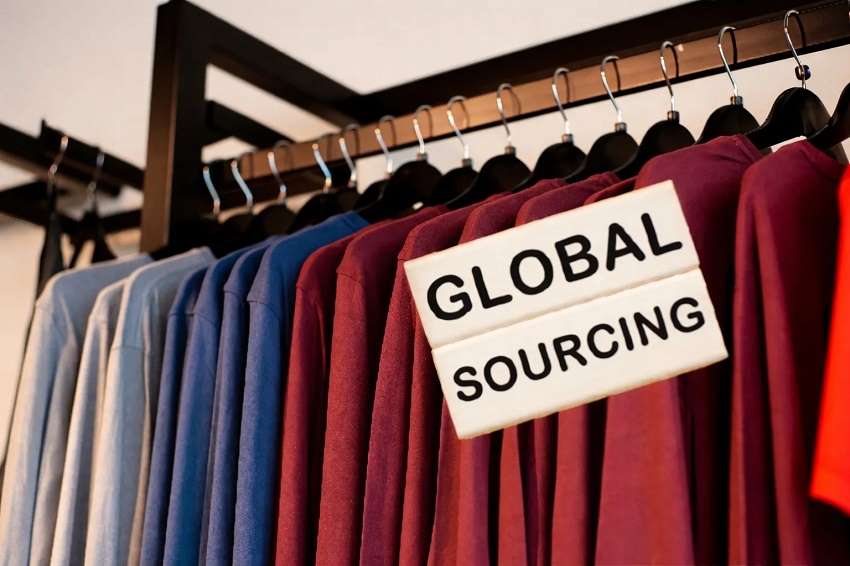
Europe’s apparel market is sending a stark warning to the global garment industry. A sharp contraction in consumer discretionary spending across the European Union has seen a significant drop in clothing imports, exposing vulnerabilities in sourcing models built primarily on low costs and high volumes. Eurostat data for the first quarter of 2026 shows EU clothing imports fell 11.62 per cent year-on-year, dropping to €21.09 billion from €23.86 billion in the corresponding period of 2025. The decline reflects both weakening consumer demand and an aggressive effort by retailers to reduce inventories amid an uncertain economic environment.
The dip was driven by lower purchasing volumes and falling prices. Import volumes declined 5.53 per cent to 1.10 billion kg, while average import prices fell 6.44 per cent to €19.14 per kg. Together, these indicators point to a market increasingly focused on discounting and cost containment rather than growth.
Global sourcing faces a demand shock
The scale of the slowdown has affected nearly every major apparel-exporting nation, but the impact has varied considerably depending on each country's position in the value chain.
Table: Eurostat Q1 2026 global apparel sourcing scorecard
|
Supplier region |
Value (Jan-Mar 2026) |
Value YoY (%) |
Volume YoY (%) |
Price YoY (%) |
|
Global Total |
€21.09 bn |
-11.62 |
-5.53 |
-6.44 |
|
China |
€6.14 bn |
-7.90 |
-1.02 |
-6.95 |
|
Bangladesh |
€4.59 bn |
-19.26 |
-8.32 |
-11.93 |
|
Turkey |
€1.83 bn |
-18.92 |
-20.14 |
+1.52 |
|
India |
€1.23 bn |
-10.15 |
-4.13 |
-6.28 |
|
Vietnam |
€1.05 bn |
-2.12 |
-7.16 |
+5.43 |
|
Cambodia |
€928.09 mn |
-15.88 |
-19.78 |
+4.86 |
|
Pakistan |
€857.74 mn |
-16.67% |
+14.35% |
-27.13% |
Source: Eurostat
The figures reveal a growing difference between exporters competing on cost and those competing on value. Countries dependent on large-volume, low-margin production have experienced the sharpest declines, while suppliers with stronger product differentiation and higher-value offerings have shown greater resilience.
Bangladesh’s volume model under pressure
Among the largest apparel exporters to Europe, Bangladesh emerged as one of the biggest casualties of the downturn. Exports to the EU fell 19.26 per cent to €4.59 billion during the first quarter. Shipment volumes dropped 8.32 per cent to 331.86 million kg, while average unit prices declined 11.93 per cent to €13.84 per kg. The combined impact of lower demand and aggressive price reductions significantly eroded export earnings. The pressure intensified toward the end of the quarter. In March alone, export value declined 19.24 per cent year-on-year to €1.71 billion. Although shipment volumes slipped only 3.29 per cent, average prices fell 16.49 per cent to €13.51 per kg, showcasing the extent of pricing pressure faced by manufacturers seeking to retain orders. The data suggests that Europe’s weakened retail environment is disproportionately affecting sourcing destinations that rely heavily on scale, standardized products and competitive labor costs.
Value-added manufacturing offers protection
In contrast, Vietnam showed how a move up the value chain can give a degree of insulation from market volatility. Despite a 7.16 per cent reduction in shipment volumes, Vietnam's export value declined by only 2.12 per cent to €1.05 billion. The country achieved this by increasing average unit prices by 5.43 per cent to €29.35 per kg, indicating that buyers remained willing to pay premiums for higher-value products.
China also proved comparatively resilient. Although exports to the EU fell 7.90 per cent to €6.14 billion, shipment volumes declined only 1.02 per cent. Advanced manufacturing capabilities, automation investments and diversified product offerings helped mitigate the impact of weaker European demand. These performances highlight an emerging industry reality: pricing power is increasingly becoming a critical competitive advantage as global retail demand softens.
Nearshoring loses edge
The downturn has also challenged assumptions surrounding nearshoring strategies. Turkey, traditionally favored by European retailers because of its proximity and shorter lead times, recorded an 18.92 per cent decline in export value. Shipment volumes plunged 20.14 per cent even though average prices edged up 1.52 per cent to €27.93 per kg. The results suggest that geographical advantages alone may no longer be sufficient when retailers are focused primarily on preserving margins and reducing inventory risk.
Elsewhere, Pakistan illustrated the dangers of competing solely on price. Export volumes rose 14.35 per cent to 90.37 million kg, yet revenues fell 16.67 per cent to €857.74 million because average unit prices fell 27.13 per cent to €9.49 per kg. The Pakistani experience demonstrates how volume gains can become economically meaningless when achieved through deep pricing concessions.
Turning point for apparel exporters
The demand slowdown is occurring against a backdrop of rising manufacturing costs. Geopolitical disruptions, growing logistics expenses and higher petrochemical feedstock prices are increasing pressure on apparel producers worldwide. As a result, sourcing strategies are entering a period of recalibration. More and more retailers are prioritizing suppliers capable of delivering product differentiation, speed, sustainability and margin protection rather than simply offering the lowest production costs.
For exporting countries, the implications are significant. Bangladesh’s recent move to permit direct-to-consumer e-commerce exports reflects a broader effort to capture greater value by reducing dependence on traditional retail intermediaries. Similar initiatives aimed at design ownership, branding, premium materials and digital commerce is likely to become important across manufacturing hubs.
The first-quarter data points to a change in global apparel trade pattern. The era where low labor costs and massive production volumes guaranteed export growth is showing signs of strain. In a slower-growth retail environment, value creation rather than volume generation is emerging as the defining competitive advantage. For apparel-exporting economies, Europe’s import slump may prove less a cyclical downturn than a preview of the industry's next phase.








