FW
H&M posts surprise Q1 operating profit despite weak demand amid soaring inflation
H&M, the world's second-largest fashion retailer, has reported a surprise operating profit of 725 million Swedish crowns ($69.73 million) for the December-February quarter, despite weak demand due to soaring inflation.
This figure comes as a surprise to many, considering that analysts in a Refinitiv poll had predicted a loss of 1.10 billion crowns. H&M has credited the earnings boost to the consolidation of its second-hand platform, Sellpy, which contributed approximately 1 billion crowns to the company's earnings.
Although the company has shown signs of controlling its costs, it is still struggling to compete with major rival Inditex, which owns brands such as Zara. While Inditex has been successful in luring customers back to in-person shopping after the pandemic, H&M's cost-conscious base has been reluctant due to inflation eating into purchasing power.
Despite the unexpected operating profit, H&M's first-quarter revenue, published on March 14, was worse than expected, with sales increasing only slightly and missing most estimates. However, the company still faces challenges in competing with its rivals and keeping up with changing consumer behavior.
Growing number of global retailers withdraw from Myanmar amid political turmoil and labor issues
Global clothing retailers, including Fast Retailing and Marks & Spencer, are discontinuing their outsourced production in Myanmar due to concerns over human rights violations, labor issues, and operational difficulties. The military coup in February 2021 has resulted in the departure of many foreign firms, particularly those with joint ventures with local partners connected to the military. Some clothing brands continue to outsource production to small factories in Myanmar; however, some are leaving due to their inability to improve the country's rock-bottom wages and severance benefits under the local system.
Fast Retailing, which owns the Uniqlo casual wear chain, is the most recent company to leave Myanmar, removing its partners from its list of garment and processing factories. Muji also plans to end sourcing of down jackets and other items from Myanmar by August. Marks & Spencer announced last year that it would exit by March, and Primark has also stated that it is leaving Myanmar.
The daily minimum wage for factory workers has remained at 4,800 kyat ($1.68 at market exchange rate) since 2019, and workplace conditions remain unaddressed under military rule. Increasing power outages and logistics breakdowns pose risks to the management of product deliveries.
The European Union and the European Chamber of Commerce in Myanmar have established a network promoting appropriate levels of employment and will create a framework for monitoring labor conditions. However, responsible withdrawal is a challenge for global firms, and they typically avoid making any immediate decisions due to concerns for the many people in Myanmar who depend on international companies for their livelihoods.
The departure of foreign companies from Myanmar is likely to have a significant impact on the country's economy, which has already been affected by political instability. Clothing exports are a significant source of revenue for Myanmar, with the European Union, Japan, and the United States all reporting record-high imports from the country last year, totaling $4.7 billion. The loss of these exports could further destabilize Myanmar's already fragile economic situation.
As more brands leave Myanmar, consumers may start to demand greater transparency and accountability from the companies they purchase from.
G-Star Raw launches AI-generated collection designed by AI
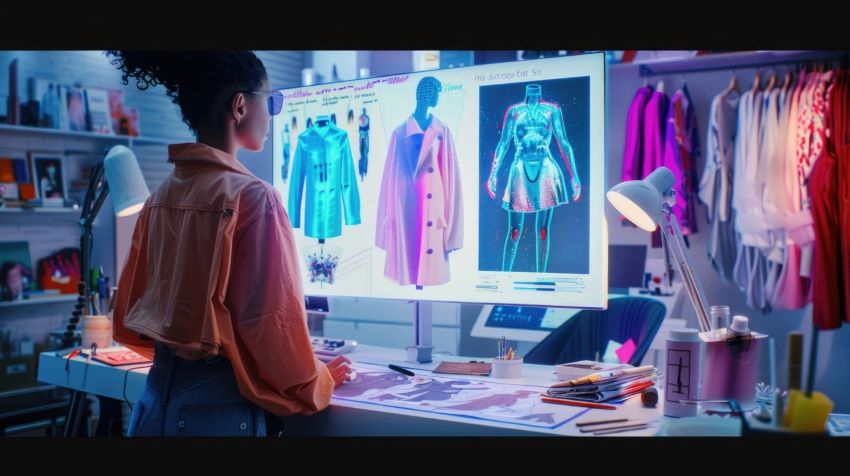
G-Star Raw, a Dutch denim brand, has launched a 12-piece collection designed with the help of Midjourney, an artificial intelligence app.
The app works from prompts input by humans, in this case G-Star Raw designer. The collection was born from the brand’s creation of a digital fashion group, which aimed to explore the potential of AI in design as a creative outlet and a means of reducing waste.
The AI-generated collection includes a “world’s first garment” designed by AI and created in reality: the AI Denim Cape. The piece, made from premium raw denim, is a dramatic couture-like design with bulbous embellishments and functional layering.
It features futuristic 3D ‘G’ shapes on the arms, an adjustable waistband, detailed stitching patterns on the chest and subtle G-Star branding on the left interior section. The cape was created by hand in the G-Star atelier, and G-Star believes that the future of fashion involves enhancing the creative process with AI, rather than taking it over.
The brand plans to experiment more with AI innovation in the future.
Fashion companies urged to Implement worker-centered Living Wages, says QUT study
Despite numerous initiatives promoting living wages for garment workers in the Global South, there is little evidence of any real progress being made, observe and uncover QUT researchers.
The QUT Centre for Justice Modern Slavery Research Group is calling on fashion companies to implement a worker-centered living wage into their purchase orders to truly improve wages for garment workers.
The researchers studied two credible methods for calculating a living wage for specific countries and conditions and found that leading fashion companies and their respective living wage initiatives do not use any meaningful method to calculate a living wage for their workers.
The Fair Wear Foundation (FWF) is the only organization providing a tool to use wage data to price a living wage into a garment's production costs. FWF was founded by activists, labor unions, and retail associations and attracts small fashion brand members striving to be ethical producers. The researchers emphasized that living wage calculations and initiatives must take into account the gendered nature of garment manufacturing and that fashion companies' business models rely on exploitative worker conditions, contributing to them by seeking the lowest prices in developing countries.
Governments in the Global South are afraid that companies will relocate to cheaper countries and suppress workers' calls for higher wages or unionization. The QUT researchers' findings highlight the need for a change in the fashion industry's approach to living wages, urging companies to prioritize fair wages that allow garment workers to meet basic needs like decent housing, food, healthcare, and education costs.
The researchers argue that until companies take responsibility for ensuring fair wages and working conditions, workers will continue to struggle to make ends meet.
Comprehensive development plan set to uplift Egypt's textile industry
The Ministry of Public Business Sector in Egypt is set to open new textile factories in July as part of its project plan to develop the spinning and weaving sector.
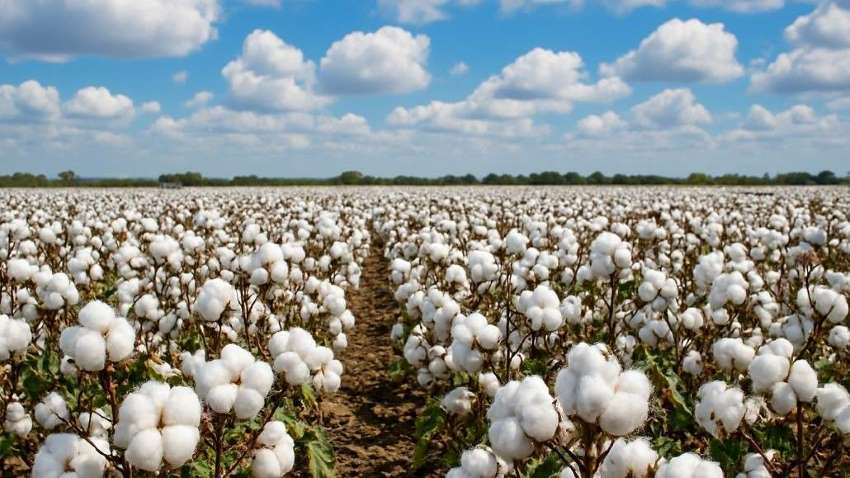
The project is being implemented by the Holding Company for Cotton, Spinning, Weaving, and Clothes, and aims to maximize the yield of long-staple and extra-long Egyptian cotton. Additionally, the project seeks to introduce transformational industries such as oil presses, fodder, and more.
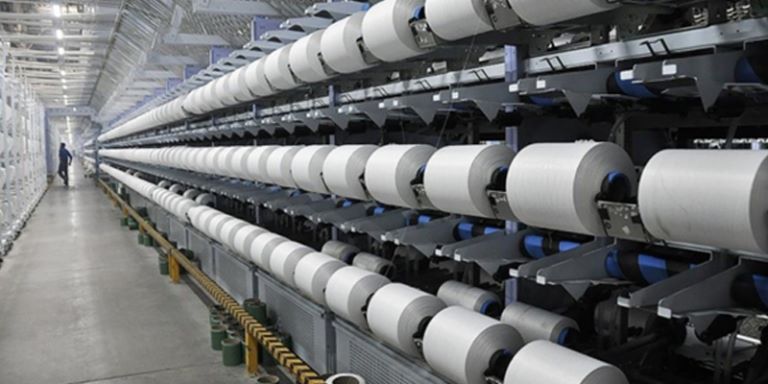
The textile industry in Egypt is undergoing a comprehensive development plan that aims to uplift the spinning and weaving industry within the ministry's companies. The plan, which began in 2018, is set to be implemented over three years and will include the development of cotton spinning companies through weaving, dyeing, and processing.
The ministry stressed the need to improve the costing and pricing systems for the products, develop an effective marketing plan, and open new export markets during his meeting with the company's board of directors and employee representatives.
With these new factories and the comprehensive development plan in place, the textile industry in Egypt is set to make significant strides towards achieving this goal.
Apparel, textile industries unite to tackle audit and standard fatigue with SCI
The apparel and textile industries face a major challenge with audit and standard fatigue, leading to overlapping audits and a lack of consensus on standards.
Standard Convergence Initiative (SCI) works with existing initiatives such as the Social & Labour Convergence Programme (SLCP) to reduce audit and standard fatigue. The initiative also collaborates with the International Trade Centre (ITC) on the Standards Map Database to track progress by third-party standard holders. SCI steps in to provide support to standard holders that need to reduce audit and standard fatigue.
Additionally, SCI connects with the Sustainable Terms of Trade Initiative (STTI) to improve purchasing practices. One way to do this is by reducing the number of overlapping standards and favoring third-party standards over proprietary ones, which is promoted by STTI.
To tackle this issue, the International Apparel Federation (IAF) and International Textile Manufacturers Federation (ITMF) have joined forces through the Standard Convergence Initiative (SCI).
SCI's work, though behind the scenes, has a significant impact on the apparel and textile industries. It ensures that the manufacturing members of IAF and ITMF have a voice in these initiatives and pushes for the reduction of audit and standard fatigue.
New tool set to tackle denim's environmental impact at denim show
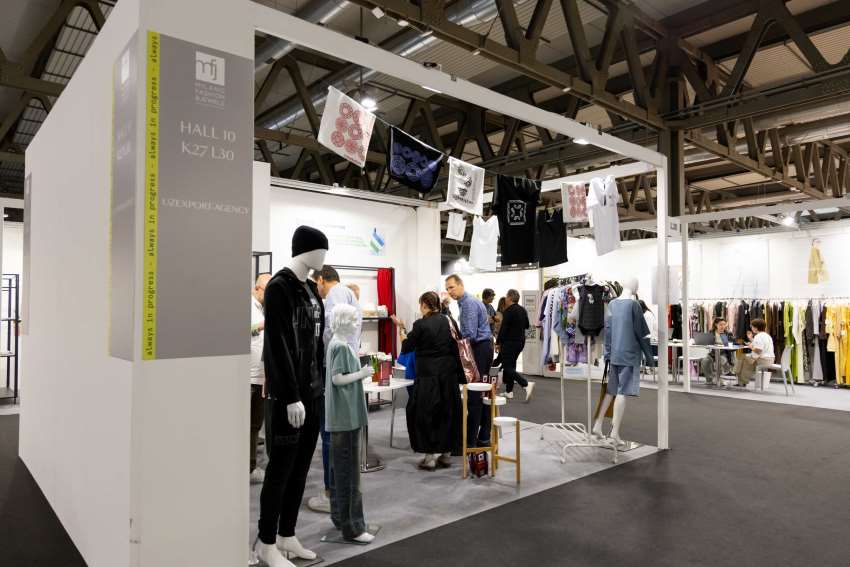
The upcoming Kingpins Amsterdam show is set to debut a new tool that could revolutionize the denim industry's approach to sustainability.
Developed by the Transformers Foundation, the "Transparency Tool" (TTT) scientifically measures the environmental impact of every stage of denim jeans production. This tool uses raw data from a comparison of inputs and outputs for a set of garments to help mills and brands make strategic decisions about the products they are making and buying.
Denim production is notoriously known for its environmental impact, with the fashion industry as one of the largest polluters globally. A report by the Ellen MacArthur Foundation revealed that the fashion industry generates 92 million tons of waste and consumes 1.5 trillion liters of water per year. Denim production, in particular, is known for its water usage, chemical dyes, and energy-intensive processes.
The TTT aims to address this issue by providing a comprehensive view of the environmental impact of denim production. It uses a life cycle assessment (LCA) methodology to quantify the environmental impact of each stage of denim production, from raw material extraction to end-of-life disposal. This data allows denim makers to make informed decisions about their production processes, reduce their environmental impact, and improve sustainability claims. By providing a real and reliable number to sustainability claims, TTT has the potential to change the entire conversation about sustainability in the jeans industry for the better and forever.
The fashion industry is under increasing pressure to improve its sustainability practices, and initiatives like TTT could be a significant step forward in achieving this goal. The TTT's scientific approach to sustainability is a crucial tool in promoting transparency and accountability within the industry. By making informed decisions about their production processes, denim makers can reduce their environmental impact and create a more sustainable future for the fashion industry.
Pakistani T-Shirt exports see impressive growth for second year in a row
Pakistan's T-shirt export industry is enjoying substantial growth in recent years, with a remarkable surge seen in the first two months of 2023.
Pakistani T-shirt market has increased by over 100% for the second year in a row. The country's T-shirt exports to China alone reached USD 5.53 million during this period, a 106% increase compared to the same period in 2022.
Despite facing challenges due to the flood that affected cotton crops, Pakistan continues to hold a prominent position in the global T-shirt export industry, and has several major markets, including the United States, France, and China.
Pakistani T-shirts with Chinese zodiac signs have gained immense popularity in China, contributing significantly to the country's T-shirt export industry. With such positive developments, Pakistan's T-shirt export industry is set to witness further growth and success in the coming years.
H&M, IKEA invest in plant pioneering sustainable regenerated cellulosic fibre
A €35 million pilot plant has been established in southern Sweden to manufacture a new regenerated cellulosic fibre, which is now in the start-up phase.
The venture uses sustainably sourced raw materials from forests and requires fewer chemicals and less water than traditional industry methods to produce the new regenerated cellulosic fibre.
TreeToTextile, a joint venture between H&M Group, Inter IKEA Group, Stora Enso, and LSCS Invest, will have an initial production capacity of 1,500 tons of fibre per year before scaling up and commercialisation.
Man-made cellulosic fibres (MMCF) are growing faster than other textile fibres globally, with several emerging technologies under development. The majority of novel textile fibres are still in relatively early stages of development, but commercialisation is being expedited by partnerships in the value chain.
Stockholm-based engineering firm AFRY has been TreeToTextile's lead consultant and engineering partner since the project's early stages in 2016. AFRY is working closely with technology, textile, pulp, and paper companies to transform their production towards textile fibres.
Global denim fabric market projected to reach $27.9 Bn by 2030, with a CAGR of 4.4% from 2021 to 2030
The global denim fabric market witnessed a market size of $18.1 billion in 2020 and is expected to reach $27.9 billion by 2030, growing at a CAGR of 4.4% during the forecast period of 2021 to 2030, as per the report published by Allied Market Research.
The rise in demand for affordable denim fabrics and the emergence of new socio-economic trends are the major factors driving market growth. However, the market growth is being restricted by the volatility in cotton prices and environmental concerns related to the use of synthetic dyes.
The COVID-19 pandemic had a significant impact on the global denim fabric market. The temporary closure of fabric production facilities due to the global lockdown disrupted the supply chain, leading to a rise in prices of raw materials, especially cotton and cotton yarn. This factor decreased the production of denim fabric, particularly in the initial phase. The fall in income levels of customers resulted in reduced demand for premium denim products.
Based on raw material, cotton held the highest market share in 2020, accounting for 92% of the total market share, and is expected to continue its leadership status during the forecast period. However, the cotton segment is also estimated to register the highest CAGR of 4.5% from 2021 to 2030.
Based on fabric type, the raw segment held the largest market share in 2020, accounting for almost one-third of the total market share, and is expected to continue its dominance during the forecast period. However, the stretch segment is projected to register the highest CAGR of 5.2% from 2021 to 2030.
Region-wise, APAC contributed the highest share in terms of revenue in 2020, accounting for almost four-fifths of the total market share, and is projected to maintain its dominant share by 2030. The same region is also expected to manifest the fastest CAGR of 4.6% during the forecast period. Other regions analyzed in the report include America, Europe, and MEA. The emergence of biodegradable denim fabric presents new opportunities for the denim fabric market in the upcoming years.