FW
Cotton prices decline by 5% Y-o-Y in October 2020
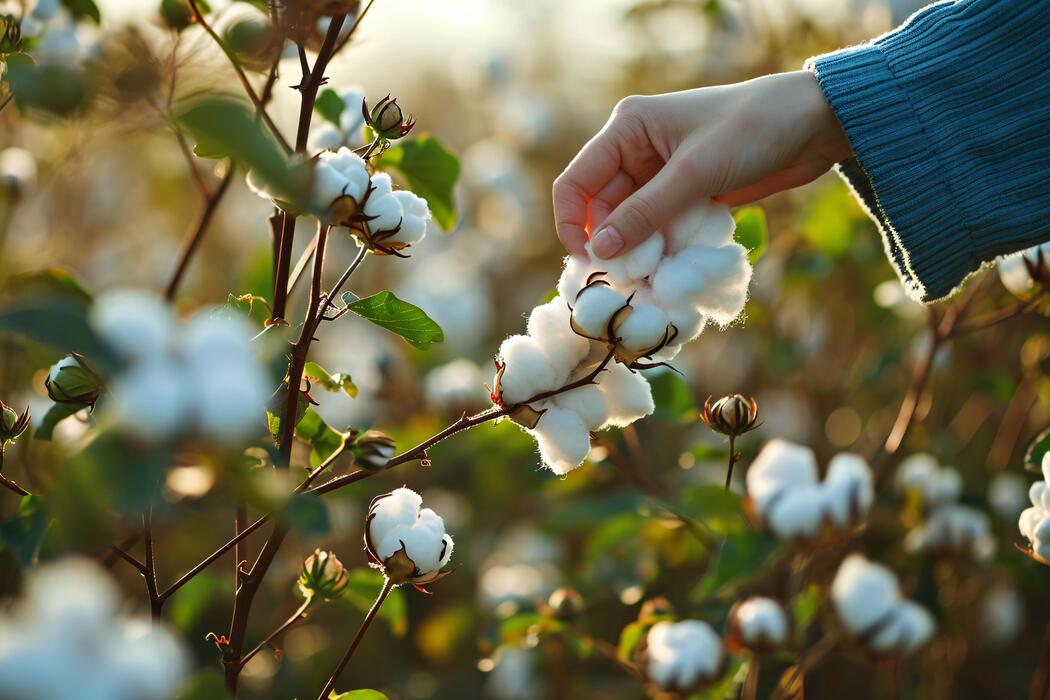
While cotton prices continued to gain by 2-4 per cent month on month (MoM) in October on account of the resumption in demand from the casual wear, knitted and home textile segments, they were lower by about 5 per cent year on year (YoY), according to the October edition of India Ratings and Research’s (Ind-Ra) credit news digest on India’s textile sector.
With the United States Department of Agriculture’s Foreign Agricultural Service (USDA-FAS) estimating a steady cotton production for the current season, it would lead to an oversupply in the Indian market, affecting prices further. However, the Cotton Corporation of India had taken steps to liquidate its inventory during July-September 2020 which would lead to a substantial lower inventory, Ind-Ra said.
Cotton yarn prices continued their recovery in October and remained stronger than blended yarn prices, on due to a higher demand from export markets. Large cotton spinners using the inventories purchased prior to COVID-19 have written-down/inventory losses during the second quarter (Q2) of this fiscal, which is likely to have affected the first half operating margins.
The smaller spinners, having lower cotton inventory and exposure into knitted casual wear, have reported a stellar performance for the second quarter over woven and blended segments.
Yarn exporters continued to witness an uptick in demand during August, with production resuming to pre-COVID levels and flattish on YoY levels. Yarn exports in tonnage terms grew by 38 per cent YoY during August.
Ind-Ra expects it to have improved further during September-October. The recovery in yarn demand with unlocking and resumption of production by mills in neighbouring countries would lead to a rise in shipments.
China signs the RCEP deal
China has signed the Regional Comprehensive Economic Partnership (RCEP) deal that spans 15 countries and 2.2 billion people.
The deal includes several of the region's heaviest economic hitters aside from China, including Japan and South Korea. New Zealand and Australia are also partners, as are Indonesia, Thailand and Vietnam in Southeast Asia.
The trade agreement was first proposed in 2012 as a way to create one of the world's largest free-trade zones. The deal will play an important role in building the region's resilience through inclusive and sustainable post-pandemic economic recovery process. William Reinsch, a trade expert at the Center for Strategic and International Studies said, that the agreement could have consequences in the long term, and added that China's involvement is a sign of its willingness to play a constructive role, despite its aggressive actions in the South China Sea, Hong Kong, and elsewhere.
Others noted that the deal was further evidence of Asia's growing power. Economists at HSBC said that the agreement signals that Asia keeps pushing ahead with trade liberalization even as other regions have become more skeptical.
Indian RMG workers supplying to retail chains face exploitation: Survey
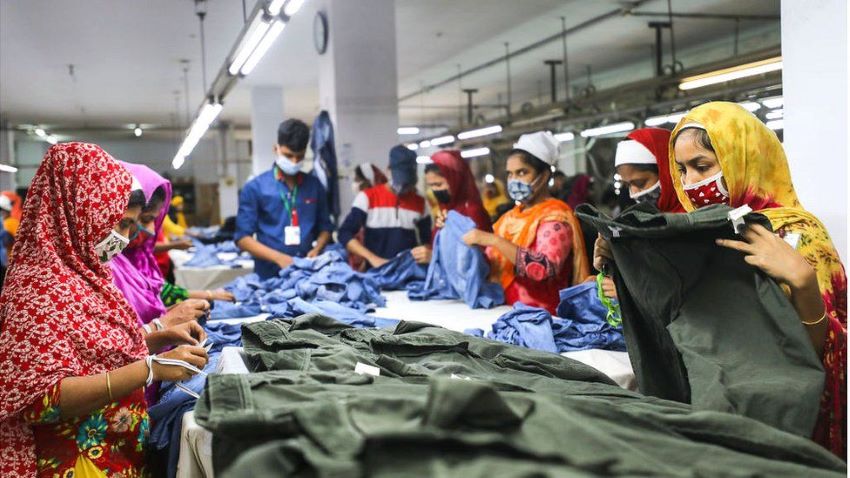
A BBC survey shows, Indian workers in factories supplying the supermarket chains Marks & Spencer, Tesco and Sainsbury's, and the fashion brand Ralph Lauren, are being subjected to exploitative conditions. Women working at a Ralph Lauren supplier reported being forced to stay overnight to complete orders, sometimes requiring them to sleep on factory floor. Similarly, workers at a supermarket supplier are been made to endure conditions which would be unacceptable for staff employed by the same brands in the UK.
The women working at these garment factories all live in poverty in a rural area of South India. According to charity organization Action Aid, forced overtime, verbal abuse and poor working conditions were routine at the factories in question. The three brands are all members of the Ethical Trading Initiative (ETI), and have signed up to its based cod which includes a pledge to ensure working hours are not excessive, overtime is voluntary and that workers are not subject to verbal abuse.
In a statement, Ralph Lauren said it was deeply concerned by the allegations put to the company by the BBC and would investigate. The factory supplying the fashion brand denied the staff members' allegations and said it was compliant with the law.
The three supermarket brands said they were working together to ensure the issues were remedied, in particular on excessive working hours. Sainsbury's said it was insisting on a number of actions the supplier must take in order for us to continue to work with them while Tesco said it plans to prohibit excessive overtime, strengthen grievance procedures and ensure workers were fully compensated at the correct rates for hours they've worked" Marks & Spencer said it plans to undertake regular unannounced audits to ensure its implementation.
Zimbabwe’s textile and clothing exports decline by 58%
As per ZimTrade, Zimbabwe’s clothing and textile exports declined 58 per cent decline to $17 million between January and August this year. Its clothing and textile exports had increased by $42 million during the same period last year. The country’s total exports increased to $2,56 billion between January and August 2020. Largest decline was noted in clothing and textile sector, whose exports declined to $17 million.
To increase sector competitiveness, ZimTrade recommends a coordinated approach to address the challenges faced by players in the sector. It advises the government to make production enablers such as water, energy and transport not only available but also affordable. ZimTrade is also developing export clusters in Matabeleland North and Mashonaland West to increase capacities among local sculptors. It has urged Zimbabwe’s diaspora community for support to create market linkages that would go a long way in boost exports from the sector.
Profits of DSE-listed apparel companies tumble in July-September quarter
The profits of most listed apparel companies in Bangladesh tumbled in July-September quarter due to the collapse in demand abroad amid the coronavirus pandemic. Fifteen of 39 textile and garment Dhaka Stock Exchange (DSE) listed companies who published their first quarterly financial reports, posted lower profits than in the same period a year ago. Nine of these companies made profits during the period while five companies extended their struggle to return to profits.
The woven sector received the major blow as the demand for formal shirts and apparel products dropped, said Anwar-Ul-Alam Chowdhury, Chairman, Evince Textile. Export earnings from the sector declined by 5.78 per cent to $3.88 billion in the July-September quarter, reveals data from the Export Promotion Bureau Of the total earnings , $4.46 billion came from knitwear shipment, which rose 7.04 per cent. Many retailers thought they would do good business during Christmas, the biggest spending season in the western world, but it might not happen because of the second wave. The textile sector performed worse than expected said Mir Ariful Islam, Head-Research, Prime Finance Asset Management Company.
Between July and September, the shipment of apparels grew 0.84 per cent year-on-year to $8.12 billion. Among the listed textile firms, 14 apparel companies incurred loss in the quarter, the highest ratio among all the industries..Safko Spinning was the biggest loser: its EPS was Tk 2.09 in the negative in the quarter, higher from Tk 1.62 in the negative in the first quarter of 2019-20.
H&M fast tracks digitization of operations
As per a Textile Today report, Swedish retailer H&M is fast-tracking the digitization of its operations by optimizing store portfolio and integrating sales channels. The brand has launched a few initiatives to meet new consumer outlooks and offer better client experience, including customer engagement through technology, customer service initiatives, and product transparency. It has extended membership programs to communication app WeChat and launched new payment solutions such as ‘Pay Later in Spain and 12 other marketplaces.
H&M has also launched its ‘Next day’ and ‘Express’ deliveries in 14 markets. The brand offers climate-smart deliveries Italy and Sweden. The brand’s customers in 30 cities of the Netherlands can choose to receive and return items by a bicycle delivery service. Moreover, it’s ‘Find-in-store’ option is available in 22 markets which allows its customers to easily find on their mobile phones if an item of their choice is available in a store or online. Also, ‘In-store Mode’ in 13 markets enable customers to see on their smartphones which items are in the store they are currently in, as well as online; the ‘Click & Collect’ service is available in 14 markets. H&M customers can also locate and buy products online by scanning a QR code.
To ensure product transparency, H&M has developed the Higg Index Tool in partnership with the Sustainable Apparel Coalition (SAC) and other companies. This allows the brand’s customers in select markets to see environmental scores of over 7,000 product pages on the company’s website.
Imogo unveils new sustainable spray application technology at ITA
One of the latest companies to join TMAS, the Swedish Textile Machinery Association – Imogo unveiled its new Dye-Max system at the recent Innovate Textile and Apparel (ITA) exhibition. This Dye-Max spray dyeing technology can slash the use of fresh water, wastewater, energy and chemicals by as much as 90 per cent compared to conventional jet dyeing systems. This is due to the extremely low liquor ratio of 0.3-0.8 litres per kilo of fabric and at the same time, considerably fewer auxiliary chemicals are required to start with.
Such technologies, however, face a number of obstacles to adoption. Imogo therefore has decided to emphasize on sustainable production and use spray technologies for dyeing and finishing processes as a part of it.
The ITA roundtable discussion was attended by Simon Kew, Alchemie Technology, UK, Christian Schumacher, StepChange Innovations, Germany; Tobias Schurr (Weko, Germany; Rainer Tüxen, RotaSpray, Germany and Felmke Zijilstra (DyeCoo, Netherlands.
Plastic Hangers bad for the environment: Arch & Hook survey
A 32-page report by Arch & Hook says, plastic hangers are very bad for the environment. Around 82 per cent respondents said, sustainability plays a decisive role in their purchase of commodities, while only 15 per cent of those cited recyclability as a consideration for hanger selection. Another, 68 per cent respondents claimed ignorance about the type of plastics used in making their hangers which makes it difficult or impossible to recycle them.
Only 5 per cent fashion companies said they deliberately dispose plastic hangers they no longer require, while others did not. Plastic hangers used per year in the UK clothing market add up to 954.6 million; plastic hangers sent out in online clothing orders total 82.6 million; those used solely for the transportation of clothing account for 16 per cent; unit sales of clothing with an associated plastic hanger are 60 per cent.
According to Alana James and fashion consultant Emma Reed, co-authors of the report, hangers remain a largely overlooked area of environmental impact in the industry, despite 60 per cent of all clothing sold being associated with a plastic hanger. Awareness of how many hangers are discarded is really low in retail, especially for the in-transit phase. Fashion professionals are simply not clued up on the answers, they added.
Second COVID-19 wave hits Bangladesh RMG industry
The RMG industry in Bangladesh is again facing tough times with second COVID-19 wave that has hit Europe and the US. As Rubana Huq, President, BGMEA informs, buyers are postponing new orders which might affect export volumes. Apparel exports in Bangladesh recorded a steep fall in October even though the export volume of the clothing items rose in August and September. Buyers also placed fewer work orders for November and December compared to the corresponding period of 2019.
Let-down by this fall in garment exports, some garment makers decided against exporting woven clothing items during the first quarter of 2020–21. From March-June 2020, apparel sector incurred losses as garment exports nosedived due to widespread shutdown enforced to slow the spread of the Coronavirus.
To mitigate the effects of economic slowdown, the government introduced a stimulus package. Earlier, the government provided Tk 75 billion to the owners in loans at a 4 percent interest rate enabling them to pay the workers’ wages. It later gave Tk 30 billion in response to owners’ demand. The factories’ owners drew almost half the offered funds.
Prof Selim Raihan, Executive Director, Sanem said, the loan had a positive impact during the crisis. He advised the government to set up an independent authority to evaluate the initiative to help them make decisions in the future.
Quality and labor upgrade can help boost India’s textile productivity
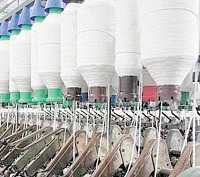 Though India began unlocking its economy from June, normal textile production restarted much later which resulted in loss of many export orders. Ministry of Commerce and Industry stats reveal, India’s textile and apparel exports shrank almost 87.5 per cent year-on-year in April 2020. Since then, the decline has narrowed month by month with exports increasing for the first time by 10 per cent year-on-year in September this year.
From April to September 2020, India’s textile and apparel exports decreased 31 per cent year-on-year to $10.97 billion. Of this, apparel exports accounted for 43.6 per cent of the total industry exports and it declined by 39.3 per cent to $4.78 billion from April to September. India’s export of chemical fiber textiles also declined 38.7 per cent to account for 13.2 per cent of the total textile and apparel exports during the period. The decline in exports of cotton textiles and carpets remained relatively low at 19.5 per cent and 14.4 per cent year-on-year respectively.
Pandemic prevents resumption of production
Not just exports, work censure and production cuts led to textile industry’s production falling sharply during the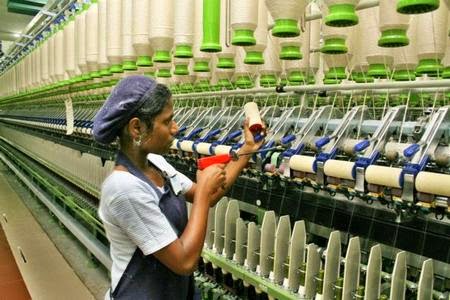 period. As data from the Ministry of Statistics and Planning and Implementation of India shows, in April 2020, India’s textile and apparel production fell 90.8 per cent and 94.1 per cent. Production has not resumed growth as the severity of the pandemic has not yet alleviated. The outlook for the Indian textile industry also remains pessimistic as India’s daily increase in the number of confirmed cases has exceeded 70,000 since September. This resulted in textile factories reducing their production capacities drastically.
US and the European Union are the most important export markets for Indian textile industry. Consumption of textile and apparel products in these markets has gradually begun to recover since May. Retail sales have recovered to about 85 per cent of the same period in 2019. Arrival of peak consumption seasons such as Christmas and Black Friday has spurred consumption prompting brands to place orders.
Export revenues to fall
However, India has been unable to fully grasp these orders due to the aggravation of the pandemic. Rating agency ICRA opines, in mid-October sales revenue of Indian apparel exporters may fall by 25 per cent in FY2020-21 while the revenue of manufacturers focusing on domestic market may fall by around 40 per cent. To bag more orders from the textile and apparel value chain, India needs to upgrade its product quality and customer services besides maintaining good reputation. It also needs to upgrade labor productivity.