FW
Pakistan exporters want customs duty waiver on cotton yarn
Pakistan’s value-added textile exporters want the government to abolish customs duty on cotton yarn imports to support the industry and ensure timely completion of export orders. In a statement, Pakistan Apparel Forum Chairman and former Pakistan Hosiery Manufacturers & Exporters Association (PHMA) central chairman Muhammad Jawed Bilwani said the government should immediately abolish customs duty on import of cotton yarn either by passing through a presidential ordinance or by an immediate act of the parliament in the interest of export industry of the country.
He said value-added textile exporters are facing a tough time due to the unavailability of cotton yarn – a basic raw material– while huge export orders are available with the value-added sector. Moreover, the cotton yarn available locally is below standard hence, exporters are unable to meet export commitment. The PHMA had earlier too demanded the government to allow duty-free import of cotton yarn to facilitate value-added textile export sector; however, the government considered removing the regulatory duty only.
Arvind Kumar Sharma is the new textiles secretary
With textiles secretary Ravi Capoor’s term expiring in December 2020, Arvind Kumar Sharma, the Secretary, Ministry of Micro, Small and Medium Enterprises (MSME), has been assigned additional charge of Secretary, Ministry of Textiles.
Prior to the appointment as MSME secretary he served as Additional Secretary in Prime Minister’s Office. He has experience in grassroot regulatory and developmental administration and is known for his contribution in Gujarat’s industrialisation as Managing Director of Industrial Extension Bureau and as a pioneer of the Vibrant Gujarat experiment.
He is also well known for his experience in infrastructure as he held the position of CEO of Gujarat Infrastructure Development Board (GIDB) for a long time. He has over a decade experience in industry and infrastructure sector.
Kingpins plans to return to physical shows in September 2021
Andrew Olah, Founder of Kingpins is keen to go back physical shows once more. In an open "End of Year Letter" to the denim community, Olah has chalked out events for 2021in both digital and physical forms. He foresees a return to normal in September: “We look forward to being back in action in China in September, Amsterdam in October and in NYC in the late fall of 2021.”
Of course, Kingpins plans to continue its series of online events launched in 2020, as he wrote: “We will do more online shows starting with an event in February to serve the US market and another one in April for Amsterdam and Europe. Our online shows should not end once physical shows return. We love the idea of digital information and the challenge to find new and inspiring individuals to share their stories or their products or inventions.”
They also plan to continue with Kingpins’ Exchange platform, their online marketplace launched in October 2020. The Kingpins’ Exchange will be available in more languages such as Mandarin, Spanish and Portuguese and will feature more enhancements to make the online fabric viewing a more functional tool for sourcing.
He is optimistic that by mid 2021 the global effects of the pandemic could be under control: “The vaccines that are becoming available I’m told are excellent and reliable and this allows one to imagine that by the end of next summer a large part of the world will have immunity against the current virus.”
February edition of Copenhagen Fashion Week will be held digitally
The fall 2021 edition of Copenhagen Fashion Week will be fully digital. Due to the pandemic, Denmark has banned trade fairs until the end of February. Therefore, the organizing body cancelled all physical shows and physical iterations of its popular trade fairs Ciff, Revolver, Dansk Fashion & Textile and Wear.
Copenhagen Fashion Week was to be held from February 2-4. Now, it will take place online on a new digital platform, which debuted last August. Cecilie Thorsmark, Chief Excutive, Copenhagen Fashion Week says, even though it is unwished-for, it is undeniably the right thing to do, and they look forward to being able to meet physically again for the August 2021 fashion week. The brands participating in next month’s digital showcase include: Ganni, Rotate Birger Christensen, Soulland, Rains, Stine Goya and Baum und Pferdgarten.
Various talks, complementing the online presentations, will also be released later this month.
Mark Daley is new Esprit CEO
Mark Daley, has been appointed new CEO of the Esprit group from January 1, after the departure of CEO Anders Kristiansen. Daley, whose fashion and retail distribution career spans three decades, has been for the last two years the CEO of US apparel brand Billy Reid. Between 2010 and 2015, Daley was president Asia-Pacific for Ralph Lauren.
Along with Daley's appointment, Esprit announced hiring of Yung Ting Wan as chief product development officer. Yung Ting Wan is an academic who has also worked for several Asian fashion brands, and was formerly assistant professor at the College of Art and Design at the Beijing University of Technology.
Esprit's new management team is based in Hong Kong now, while the group’s headquarters were previously located in Germany. In the 2019-20 financial year, closed on June 30 2020, the group's sales had fallen by 23.6%, down to HKD9.874 billion (equivalent to €1.09 billion).
Vandewiele takes over Savio Group
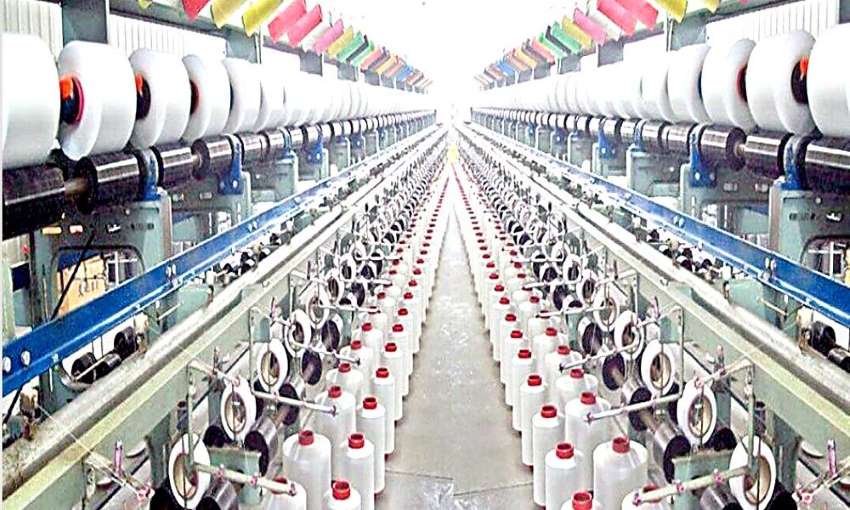
Vandewiele, a leading supplier of carpet and velvet weaving machines and textile accessories, has announced 100 per cent acquisition of the Savio Group. Savio is world leader in the yarn finishing sector, operating in the design, manufacturing and distribution of winding machines, quality control devices and electronic boards for the textile industry.
“We are extremely proud to welcome the Savio Group with its strong tradition and technology in our group. The joining of our technological capabilities, R&D and industrial operations will allow us to grow strongly in the next few years and we are convinced that the Savio Group will be a valued member of Vandewiele,” Charles Beauduin, CEO of Vandewiele, said.
UK high street fashion brands get a boost with £830 million package
The British government has announced an £830 million package for high street fashion brands to help them recover from the pandemic. “2021 will be an immense one for the high street brands as it pursues to recover, adapt and change as a result of the pandemic, the boost package will help us build back better and make town centres a more attractive place to live, work and visit,” Robert Jenrick, Communities Secretary announced.
The UK government launched Future High Streets Fund in December 2018 as a major project to overhaul town centres across the country. The Future High Streets Fund will help areas bounce back through regeneration projects that level up opportunities and create jobs right across the country.” Chancellor Rishi said, “We are supporting our high streets to get through this pandemic through business grants, paying people’s wages and tax deferrals.”
UKFT greets FTA with EU
UKFT welcomed Brexit trade deal with European Union. The EU being the biggest market for UK fashion and textiles industry, the deal should help secure the £7.4 billion of fashion and textiles that the UK sells to the EU every year. UKFT has urged the government to actively help the sector meet the challenges it will face in the immediate future and to invest in the long-term future of the industry in the UK.”
“I am delighted that a deal has been agreed. While we need to see the detail of the deal to fully understand the implications, UKFT will be working with its members to help the industry maintain and grow its exports to the EU and the rest of the world,” Said Nigel Lugg, Chairman of UKFT. It is being felt, trading environment with the EU will be very different even with this deal ,and there is still much that companies need to do.
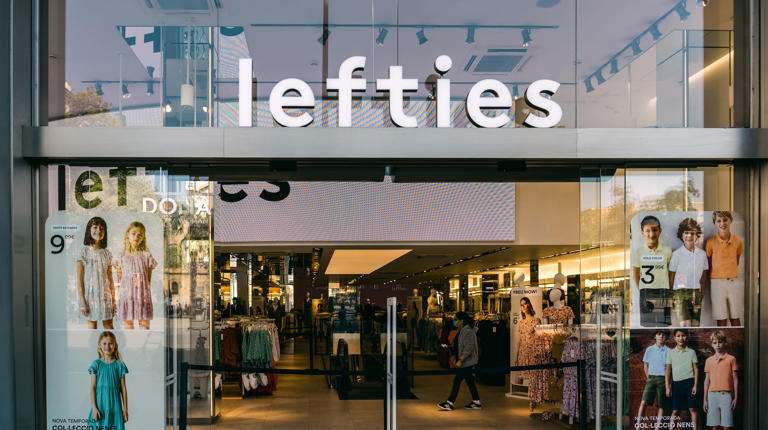
Fashion store closures continue in Jordan retail suffers due to pandemic
Nearly 10 per cent of Jordan’s clothing stores are expected to close during 2021 and additional closings are anticipated during the current year. The sector faces protracted financial burdens, such as piled up utility bills, bank loans, taxes and unpaid rent. Currently there are 10,500 stores, many of which have received written warnings from their landlords to evacuate their shops due to being unable to pay rent. The sector is facing an existential crisis.
“It is time for the government to make bold decisions and initiate positive actions,” says Muneer Deyeh, President, Jordan’s Textile and Readymade Clothes Syndicate. He further added “It is important to take effective and swift measures to minimize the economic impacts of this crisis, so that many entities will not be forced to shut down for good. Emergency cash assistance is needed for hard-hit sectors in order to stay afloat.”
The clothing industry had already been suffering before the pandemic with 600 stores closed in 2019.
Bangladesh union leaders want wage increments to continue
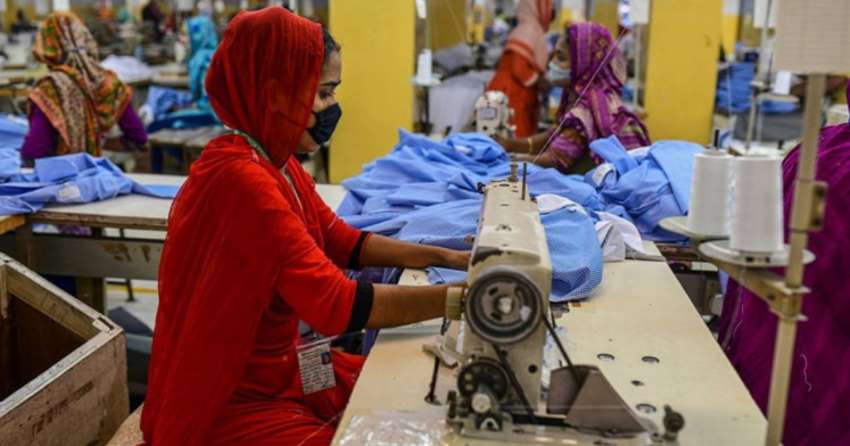
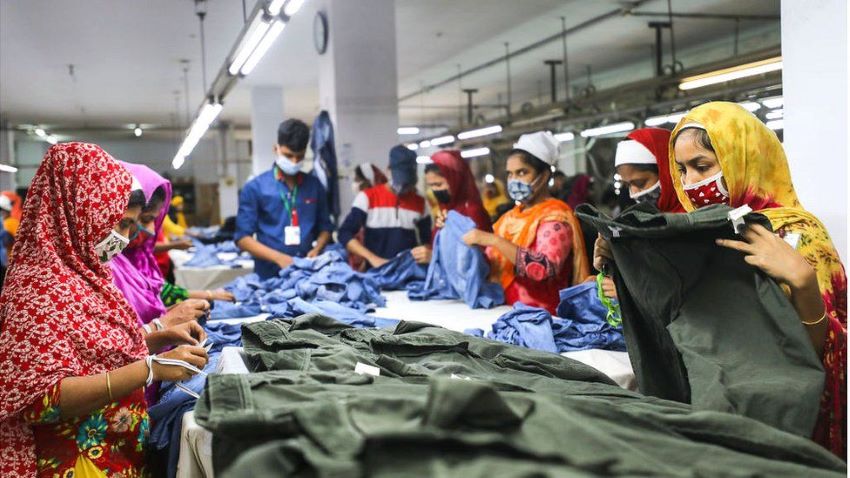
Bangaladesh union leaders want the continuation of a 5 per cent annual increment of wages for garment workers. They argue factories cannot bypass this legal requirement and should provide additional facilities to tide workers over through such tough times. Many workers have become jobless since some factories had to shut down production since March 27 last year
However, knitters demand the government let them suspend it for the next two years for mitigating the Covid-19 fallout. Mohammad Hatem, Sr. VP, Bangladesh Knitwear Manufacturers and Exporters Association (BKMEA) says, they have sent a letter to the labour ministry seeking suspension, citing the severe effects on exports. And the government will take a decision as a neutral body, reviewing the export situation of the garment sector. He argues, many factory owners have not been able to ship the goods made over the past seven to eight months.
It maybe recalled that the increment provision was incorporated in the labour law through a 2013 amendment. Currently, nearly Tk 5,000 crore is disbursed as salary to the garment workers in a month. Meanwhile experts say suspension would put workers in trouble in such challenging times. And the labour ministry does not have the jurisdiction to suspend the increment. Only the minimum wage board for garment workers can do it. However, the board has turned defunct as it had already recommended a minimum wage which was implemented earlier. Moreover, once any benefit is given, it cannot be taken away or curtailed under section 336 of the labour law.