FW
India: Punjab to set up 1.000 acre textile park in Ludhiana
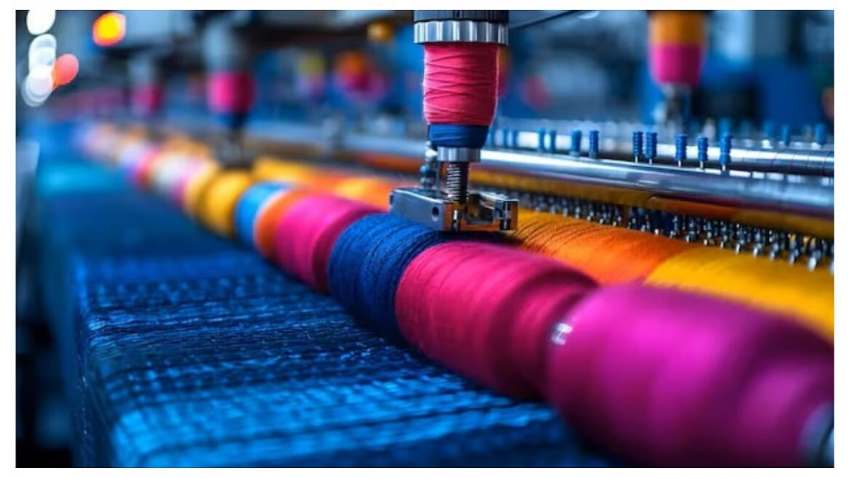
The Punjab government plans to set up a textile park spread over 1,000 acre in Ludhiana to boost exports. As per The Tribute, the textile park will house seven mega industrial estates to be built at the cost of Rs 4,445 crore. Approved under the PM Mitra Scheme, the ambitious industrial project will be a joint venture between the Centre and the state. It will be completed over five years by 2027-28, for which the requisite funds have been approved under the scheme.
The three textile clusters in the state: Ludhiana, Jalandhar and Amritsar, export textiles and garments worth almost Rs 12,000 crore every year. In 2019-20, the three clusters exported textile products worth Rs 11,639.63 crore to the US, UAE, UK, and Australia. Sibin C, Director & Secretary-Industries and Commerce says, Punjab has over 1,200 textile and apparel units employing 1.2 lakh people. The state is home to major textile players such as Trident, Nahar, Vardhman, Shingora, Sportking, Nivia, Savi, Avani Textiles, JCT Mills, and Indian Acrylics, he adds.
Nearshoring benefits manufacturers as demand for Made in USA products rise
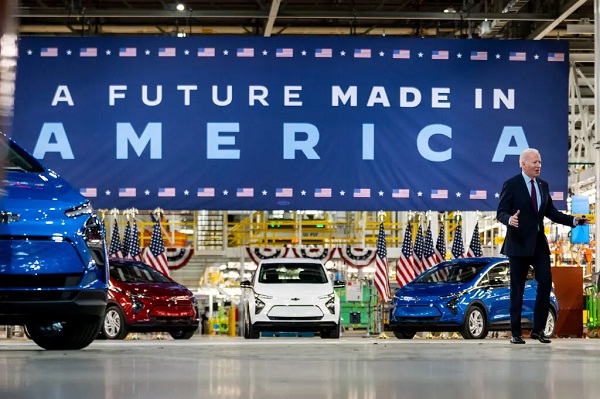
As COVID-induced lockdowns in China snap the links of global suppliers, US manufactures are benefitting from growing ‘Made in USA’ sentiment among consumers. Established in 1992, New Jersey-based Unionwear saw a rapid surge in business this year. With 100 per cent local supply chain, the manufacturer of customized baseball hats, scarves and backpacks, the company witnessed a surge in buyers no longer able to import goods due to lockdown.
About 70 per cent respondents to a survey by the Reshoring Institute showed preference for US-made products over imported goods; 83 per cent are willing to pay over 20 per cent more for locally-made products.
Realizing the benefits of nearshoring
As per information on BR Logistic website, container rates for China-US routes have surged almost three times of the pre-pandemic rates to about $18,000 per 40-foot container. Oil prices have also increased due to the Ukraine-Russia conflict, leading to sharp rise in shipping costs. However, localized manufacturing is helping Unionwear sell products at competitive rates. Before pandemic, baseball caps would cost about 40 per cent more than products imported from China. Currently, they are being sold at $10 per unit in wholesale.
Bigger companies in the US are also realizing the benefits of nearshoring as a more secure and reliable option for manufacturing, says a April report by Thomasnet.com.
Meanwhile some non-resident companies also aim to step up investments in the US. South Korea-based Samsung Corporation plans to invest $17 billion to set up a new facility in Texas for producing advanced semiconductors. To be operational in late 2024, the facility would stabilize global semiconductor supply chain. Released in 2022, the Kearney Reshoring Index shows, 79 per cent manufacturers based in China have either shifted a part of their production to the US or plan to do so in the next three years, and another 15 per cent are planning to follow suit.
Reshoring to make supply more sustainable and carbon-neutral
Meanwhile re-shoring trend in the US has intensified due to the tariffs imposed by Trump government on Chinese imports, says William Reinsch, Industry Expert - International Trade, Center for Strategic and International Studies. Bringing these companies back to the US would help them shorten supply chains, making them more resilient to natural and manmade disasters, explains Nick Vyas, Associate Professor -Operations and Supply Chain Expert, University of Southern California Marshall School of Business.
A domestic supply chain also helps make US companies more sustainable and carbon neutral. He advises companies to adopt the triple bottom-line mindset that also takes into account a company’s resiliency and sustainability besides costs. US companies also need to strengthen relationships with suppliers in the Caribbean, South America and Canada in order to become insulated from rising production costs, Vyas affirms.
Valentino appoint Alessandro Beretta as new Head-Europe
To expand both its retail and wholesale business in the region, Italian luxury group Valentino has appointed Alessandro Beretta as the new Head-European Business
Starting his career at Procter&Gamble, Beretta further moved to Nike as its Partner-Management Director –Europe. He will report to Laurent Bergamo, Chief Commercial Officer, Valentino for the Americas, Europe, Middle East and Brazil.
Founded in 1960 by Valentino Garavani, the group has revamped its operations since mid-2020 and appointed new managers. Controlled by Qatar Investment Vehicle Mayhoolam the company also added Jacopa Venutrini as its new Senior Chief Executive during the pandemic times.
The group's revenue increased by 3 per cent to €1.23 billion last year over the pre-pandemic levels of 2019.
Zara, Guess offer least sustainable collections: Moincoins
Test conducted by Moincoins over the last six months on four of the most popular fast fashion brands show, Zara and Guess offer the least eco-friendly collections while Pull & Bear offers the best. The fourth brand tested was H&M.
Conducted from November 2021 to January 2022, the test included testing T-shirts, jeans, sweaters and dresses from the brands’ eco collections. The testers looked into the sustainability of the materials, textile certifications, quality and durability, as well as the product information given in the online shop and on the product tags. All items were worn, washed, handled and cared for according to the care instructions by Moincoins employees.
The results show that the Guess Eco collection lacked transparency and used the least amount of sustainable materials. The clothing from Guess was the most expensive but had the best quality. Zara’s products were the worst in terms of quality and durability, but some items had textile certifications. H&M Conscious Choice scored average and was the cheapest of all brands tested. Pull&Bear was the surprise winner, ranking highest when it came to sustainable materials and product information.
Turkiye faces 2.98% in rise in consumer prices in May
Turkiye faced a 2.98 per cent rise in consumer prices in May this year while its annual inflation increased by 3.53 points to 73.5 per cent, according to the TurkiyeCumhuriyetMerkexBankasi (TCMB), the country’s central bank. Prices in Turkiye;s clothing and footwear group grew by 4.63 per cent on a monthly basis while annual inflation in the category rose by 3.52 points to 29.27 per cent.
The rise in annual consumer inflation spread across sub-categories in this period, with the most significant contribution coming from core goods and services. In May, subcategories of the core goods group faced annual inflation. The annual price increase in the services group remained relatively flat in transport services while it increased in other sub-categories.
The rise in producer prices persisted in the month due to international commodity prices, exchange rate developments and ongoing supply chain disruptions. In May, annual core goods inflation increased by 3.74 points to 65.32 per cent.
G-III acquires 81% stake in Karl Lagerfield
G-III Apparel Group has finished acquiring 81 per cent stake in fashion brand Karl Lagerfieldfor approximately $214 million. G-III purchased the stake in the brand from a group of private and public investors, led by Fred Gehring of Amton Capital BV. The transaction was funded by G-III with cash on hand. As a result of the transaction, the Karl Lagerfeld brand is wholly owned by subsidiaries of G-III Apparel Group, Ltd.
The brand joins the G-III portfolio of more than 30 licensed and proprietary brands, including DKNYY, Donna Karan, Calvin Klein, Tommy Hilfiger, and Karl Lagerfeld. G-III’s owned brands include DKNY, Donna Karan, Karl Lagerfeld, Karl Lagerfeld Paris, Vilebrequin, G.H. Bass, Eliza J, Jessica Howard, Andrew Marc, Marc New York, and Sonia Rykiel. G-III also distributes directly to consumers through its DKNY, Karl Lagerfeld, Karl Lagerfeld Paris, and Vilebrequin stores and its digital channels for the DKNY, Donna Karan, Vilebrequin, Karl Lagerfeld, Karl Lagerfeld Paris, Andrew Marc, Wilsons Leather, and G.H. Bass brands.
In 2019, Karl Lagerfeld joined the Fashion Pact, a global sustainability initiative seeking to transform the fashion industry through objectives in three areas: climate, biodiversity, and ocean protection.
EFI Reggiani unveils TERRA Pigment Textile Printer at FESPA Global Print Expo 2022
The innovative display graphics and industrial textile solutions from Electronics For Imaging, Inc, at the FESPA Global Print Expo deliver remarkable efficiency, quality and sustainability to help customers drive profits and win new business. The new EFI™ ReggianiecoTERRA pigment solution making its debut there is an advanced integrated solution for streamlined, greener textile printing.
The EFI ReggianiecoTERRA is an all-in-one solution for water-based pigment printing that requires no ancillary equipment for pre- and post-treatment. Its patent-pending technology gives customers a distinct competitive advantage, dramatically cutting energy and water consumption in the overall process for a more sustainable direct-to-fabric printing experience.
Users will benefit from ecoTERRA’s ability to deliver excellent wet and dry fastness, remarkable sharpness in detail and extraordinarily high durability while also yielding longer printhead life with reduced maintenance costs.
The new ecoTERRA ink range features 7 colours – cyan, magenta, yellow, black, blue, red and green – for an expanded colour gamut. An enhanced polymerisation and finishing unit for the EFI ReggianiecoTERRA also gives the fabric a softer hand feel, delivering performance that is in line with the most stringent textile industry requirements.
No action on climate change may double carbon emissions by 2050: GFA Monitor

To achieve net zero carbon emissions goal by 2030, the fashion industry needs to accelerate its response. Failure to do so might result in doubling emissions from the permitted levels to align with the Paris Agreement, warns a new report by the Global Fashion Agenda. Titled, ‘The GFA Monitor,’ the new report fosters collaboration on sustainability in the fashion industry to accelerate the impact. Prepared in consultation with 20 partners and organization, the report offers insights on current industry status, solutions, action needed and proven best practices.
Bringing about universal change
Disrupted by the pandemic and volatile geopolitical climate, the fashion industry needs bold collaborations to redesign operations and bring about universal change, says the report. It guides the industry on the five sustainability priorities outlined in the Fashion CEO Agenda including: Creating Respectful and Secure Work Environments, Creating Better Wage Systems, Circular Systems, Resource Stewardship and Smart Material Choices.
Each priority is explained in the report with expert insights from GFA’s Impact Partners including Fair Labor Association (FLA), the Social & Labor Convergence Program (SLCP), Ellen MacArthur Foundation, Apparel Impact Institute, and Textile Exchange, respectively. These priorities enable the industry to achieve a fair living wage for all, reduce conventional virgin resources and decrease carbon emissions.
Federica Marchionni, CEO, Global Fashion Agenda adds, “The report enables us to create an aligned resource for the industry. It encourages knowledge sharing through expert alliances with multiple organizations in different specialties.”
Global Fashion Agenda collaborated with sustainability insights platform, Higg to establish a base for the measurement of reliability, and consistency of data for industry progress. Data available from brands and retailers on the Higg Brand & Retail Module (BRM) shows the tremendous progress achieved in resource stewardship, respectful and secure work environment and smart material choices. However, a lot still needs to be achieved in the field of Better Wage Systems and Circular Systems, the report states.
Standard to measure industry progress
GFA aims to make The GFA Monitor, an annual standard for the fashion industry to measure industry progress, make it more accountable, offer latest data on the industry, and highlight the required actions to meet its objectives. Lewis Perkins, President, Apparel Impact Institute (Aii) says, “The report highlights the industry’s collaborative nature to accelerate positive impact. We can fill the tremendous gaps existing in the industry only through greater collaboration and transparency.”
Laura Balmond, Fashion Lead, Ellen MacArthur Foundation affirms, the report brings together key industry actors to address challenges and create real change. “Our contribution to the report will help the industry transition from a linear model of take and make waste, to one that eliminates waste and pollution, circulates products and materials and regenerates nature.”
India’s textile industry revenue sees phenomenal growth with 85% rise in FY’22: Wazir Advisors
India’s textile industry saw phenomenal sales and EBITDA growth in FY22 over pre-COVID levels, shows latest Wazir Textile Index compiled by Wazir Advisors for the year FY22. The index based on the analysis of 10 companies highlights, overall grew by 18 per cent Y-o-Y since 2020. Welspun India recorded highest sales at Rs 5,956 crore followed by Vardhman Textiles with total sales worth Rs 5,788 crore. The third highest was Arvind Ltd with sales worth Rs 4, 519 crore.
Overall textile sector revenues grow 85%
In FY22, total revenues of India’s textile industry grew 85 per cent over FY20 levels. However, EBITDA margins of Welspun declined from 20 per cent in FY20 to 18 per cent in FY21 and further to 13 per cent in FY22. Vardhman Textiles EBITDA dropped to 13 per cent in FY21 from 14 per cent in FY20. However, it increased to 23 per cent in FY22. On a consolidated basis, EBITDA margins of the selected 10 players increased 5.0 percentage points.
Cost of raw materials dropped 2.0 percentage points
The average raw material cost of the textile industry grew 36 per cent in FY22 over FY20 while cost of manpower increased 19 per cent. Based on percentage points, raw material costs decreased 2.0 percentage points in FY22 over FY20.
Welspun’s raw material costs highest
Raw material costs of Welspun India grew 53 per cent in FY’21 as compared to 49 per cent in FY’20 and further increased 58 per cent in FY’22, this was by far the highest among all ten companies in the study. The second highest increase was recorded by Vardhman Textiles whose costs increased 54 per cent in FY’21 over 53 per cent in FY’20. However, it declined to 48 per cent in FY’22.
Average employee costs decline by 19%
Compared to FY’20, the average employee cost of the top ten industry players grew 19 per cent in FY’22. However, the average employee cost fell by2.0 percentage points in FY’22 over FY’20. From 10 per cent in FY20, Welspun India’s average employee cost declined to 9 per cent in FY21 and 8 per cent in FY’22.
The employee cost of Vardhaman Textiles increased to 10 per cent in FY21 from 9 per cent in FY’21. However, it fell further to 7 per cent in FY’22. Arvind Ltd’s employee cost also followed a similar patter, increasing to 13 per cent in FY21 over FY20 but falling to 9 per cent in FY22.
Quarter on quarter sales 29% in Q4
The consolidated sales of all 10 textile players quarter-on-quarter (Q-o-Q), grew 29 per cent to Rs 14, 255 crore in Q4 of the year compared to corresponding quarter of previous year. Average EBITDA margins of the companies declined 1 percentage points in Q4FY22 to 6 percentage points compared to 5 percentage points in Q3FY22.
Fiber exports dominate
India’s textile and apparel exports grew at a CAGR of 13 per cent from $34,222 million in FY20 to $43, 435 million in FY22. Triggered by the US ban on exports from China, India’s fiber exports achieved highest growth of 46 per cent from $1,891 million in FY20 to $4,041 million in FY22. This was followed by yarn exports which grew 36 per cent from $3,501 million in FY20 to $6,474 million in FY22. The United Arab Emirates topped with highest share of India’s textile and apparel exports at 36 per cent while the share of exports to Bangladesh increased 7 per cent during the year.
Yarn imports total 26% in FY’22
India’s textile and apparel (T&A) imports have grown steadily since 2020. Imports of filament yarn increased 26 per cent during the year compared to FY20. China continued to be the largest importer of fibers and yarn from India though its share declined by 2.0 percentage points compared to 2021.
MAS Holdings launches new NGO to tackle social and environmental challenges
Sri Lanka-based apparel manufacturer and design-to-delivery solutions provider, MAS Holdingshas launched the MAS Foundation for Change, an independent non-profit organization to tackle social and environmental challenges related to biodiversity loss, ocean pollution, and lack of access to clean water.
Focusing on fulfilling the United Nations Sustainable Development Goals, specifically SDG 6: Clean Water & Sanitation, SDG 13: Climate Action, SDG 14: Life Below Water, and SDG 15: Life on Land, the foundation builds upon the company-wide sustainability strategy, The Plan For Change, by working with other institutions to create large-scale positive impact. The non-profit will first focus on the expansion of the ‘Ocean Strainer’ pilot floating trash trap project introduced by MAS in 2020.
In its inaugural year, the Foundation will focus on the expansion of the ‘Ocean Strainer’ pilot floating trash trap project introduced by MAS in 2020, in collaboration with customers and other like-minded partners, as well as scaling up biodiversity restoration initiatives through reforestation, invasive species removal and enrichment.
The MAS Foundation for Change establishes a unique operational mechanism in which 100 per cent of donor funding is directed towards projects in the field with MAS absorbing all overhead costs. The distinctive model has already attracted global and local partners including the International Union for the Conservation of Nature (IUCN), Parley for the Oceans, the Laudato Si Challenge Foundation, Solar Impulse (part of Sail Lanka Yachting Group), Clean Ocean Force Lanka, and the Galle Conservation Society.