FW
COVID-19 disruptions spur Vietnam’s investments in local materials
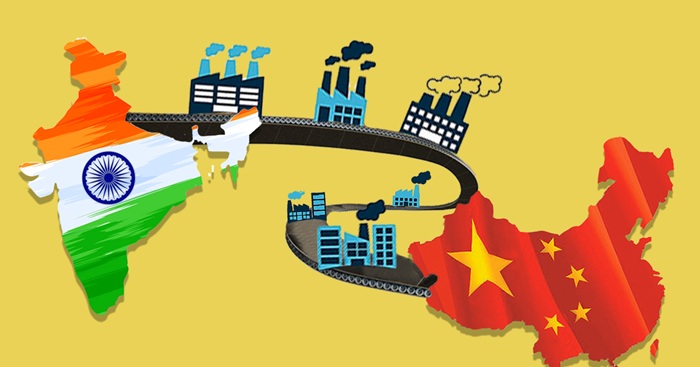
The disruptions in China’s supply chains due to the COVID-19 pandemic prompted many Vietnamese enterprises to invest in production of textile materials to satisfy local and export demand. As per reports, in March, Song Hong Garment and Textile Company kicked off construction of its factory in Nghia Phong Commune in Nam Dinh with 40 sewing and weaving production lines in 75,000 sq mt with investment totaling VND600 billion ($ 26,034,523). The factory, scheduled to be operational in November, is expected to help increase the company’s revenue to VND5 .5 trillion. Prior to this, Trung Quy started operations at its weaving and dyeing facility with annual production capacity of about 2 million meters in Hai Son Industrial Park in the Mekong Delta Province of Long An.
Simultaneously, Nghe Tinh Textile Company got the greenlight to operate a OE yarn manufacturing facility to meet demand of the textile industry producing 18,720 tonne of thread yarn per year. The VND600 billion plant was built in Nam Hong Industrial Park in the Central Province of Ha Tinh’s Hong Linh Town.
In addition to locally-invested factories, Vietnam has also completed Foreign Direct Investment-invested fabric projects including Hong Kong Texhong Textile knitting plant in Texhong Hai Ha Industrial Park in the Northern Province of Quang Ninh with the total investment of $214 million.
According to the Vietnam Textile and Apparel Association (Vitas), in 2020, the Vietnamese textile and garment sector achieved revenue of $35 billion; yet, it spent nearly $20 billion on imported materials including $12 billion on fabrics. Therefore, newly-built factories both help Vietnam to enjoy FTA’s preferential tariff and create more employment for local laborers.
Vu Duc Giang, Chairman, Vitas, said, these newly-built factories have been reducing the shortage of material; however, he noted that enterprises should well study rules and road map for tariff cuts on many goods to most take advantage of FTA.
Ministry working to resolve yarn price issues: President, TEA
Raja M Shanmuugham, President, Tirupur Exporters Association (TEA) assured stakeholders Union Textiles Ministry is working to resolve the crisis arising out of the frequent rise in yarn prices and disruption in supply chains. Shanmugham hoped to come out with a positive solution to the crisis. He said, Indian cotton prices have gradually reduced in line with the reduction in international cotton prices. He expected normal price range to prevail in the near future.
Shanmugham requested the ministry to consider TEA's plea for reduction of yarn prices and also ensure supply of yarn in time as per the commitment given to the members of the association. This could help mutual growth of both sectors in the long run, he added.
Shanmugham hoped the new financial year would give business confidence, prosperity to all exporting units and the stakeholder units connected with exporting units. He appealed to exporting units and the stakeholders units to be cautious and ensure vaccination of members, their employees and others connected with the industry, who were aged above 45.
Japan’s garment imports declined in January ’21
Ministry of Finance, Japan informs, the country’s garment imports declined on a yearly basis to $1.85 billion in January ’21 as compared to $ 2.66 billion imported during the same month in 2020. As per Apparel Resources, shipments by all major manufacturing destinations declined on a Y-o-Y basis, while some of them noted growth on M-o-M basis. China’s shipments declined by 3.60 per cent on a M-o-M basis and by 31.82 per cent on Y-o-Y basis. Vietnam’s shipments plunged by 7.17 per cent on monthly note and 32.17 per cent on yearly note to clock $ 283.97 million.
The value of India’s apparel shipments grew 96.63 per cent on a M-o-M basis to value $ 21 million in January ’21 while it declined by 23.82 per cent on a Y-o-Y basis from January’ 20. Indonesia shipped apparels worth $65 million in January ’21 to Japan – marking 8.70 per cent over December ’20. Bangladesh exported apparels worth $77 million in January ’21, its value declining by 8.77 per cent on monthly note and 27.09 per cent on yearly basis.
Fashion Week Tel Aviv to focus on young local designers on 10th anniversary
Fashion Week Tel Aviv plans to celebrate 10th anniversary by focusing on new generation of local designers. For the sixth year, Fashion Week Tel Aviv will host a slew of eight young designers supported by the national lottery, MiFal HaPais, with two group shows. With 28 shows the week will also include more established names like Vivi Bellaish, Alon Livne, Dorin Frankfurt and Kedem Sasson. All events in the season are pre-recorded, shot at the Eretz Israel Museum, known for its archeological collections.
The season also includes a collective show from students at Shenkar, the advanced engineering, design and art college. Moreover, tapping into the Israeli high-tech sector, and the drive for sustainable fashion, the season will be supported by Kornit, the advanced digital textile printing market leader, which will encourage emerging designers to use its innovative technology to produce their collections on-demand.
Motty Reif, Founder, Fashion Week Tel Aviv, will officially open the season alongwith ubermodel Bar Rafaeli.
BCI China denies allegations of forced labor in Xinjiang
China branch of the global trade body Better Cotton Initiative (BCI) has denied finding any signs of forced labor in Xinjiang province. Li Xuejun, Deputy Director, Standing Committee, Xinjiang Uyghur Autonomous Region said, it focused on improving sustainability across the country. The organization runs field programs in partnership with qualified local actors to deliver positive, measurable change to the environment and to the livelihoods and wellbeing of farming communities.
The initiative is currently focusing its efforts on Hubei, Hebei, Shandong and Gansu provinces. It supports over one 100,000 smallholder farmers in these provinces and is engaging in a constructive dialogue with all interested local actors across China. BCI represents nearly 2,000 member firms and brands around the world, from clothing retailers to cotton farmers. Some multinational companies like H&M and Nike, members of the BCI, are facing a backlash in China after they announced they were to suspend sourcing cotton from Xinjiang.
China records 50% growth in apparel exports during Jan-Feb’21
China reported a 50 per cent Y-o-Y rise in the apparel and accessory exports during January-February’21, says latest data released by the General Administration of Customs China (GACC). As per Apparel Resources, the country also recorded a 48 per cent rise in its garment imports to $1.93 billion in the first two months of 2021. China’s garment and accessory imports rose by 18.20 per cent on Y-o-Y basis in February’21 to $ 815.67 million. However, they dropped on M-o-M basis due to the Chinese New Year holidays.
However, the value of China textile imports declined by around 3 per cent to $2.08 billion during the January-February ’21 period. The country noted 42.20 per cent growth in January ’21 value, while it dropped by around 45.50 per cent on Y-o-Y in February ’21.
Restrict exports of cotton yarn, urges AEPC
To curb price rise and increase supply for domestic manufacturers, the Apparel Export Promotion Council (AEPC) urged the government to restrict India’s exports of cotton yarn. A Sakthivel, Chairman, AEPC requested the government to impose quantitative restrictions on exports of cotton yarn of 26 counts and above.
Sakthivel said, the sector would be hit hard if yarn is exported at the cost of domestic and export-oriented manufacturing industry. He also recommended a duty on export of cotton yarn to reduce domestic yarn prices and increase value addition and employment in the country. According to him, this will also help in increasing garment exports besides resulting in only normal profits to yarn spinners, not the super normal profit owing to the profiteering currently happening.
China forces foreign brands to reject labor abuses report
China is forcing foreign shoe and clothing brands to reject reports of abuses in Xinjiang. The country has targeted H&M, Nike, Adidas and other brands after Western governments banned cotton from its Xinjiang factories due to instances of labor abuses. As per reports, China has confined over one million members of the Uyghur and other predominantly Muslim ethnic minorities to camps in Xinjiang in China's Northwest. Authorities there are accused of imposing forced labour and coercive birth control measures.
The Chinese government has rejected these complaints and said the camps are for job training to support economic development and combat Islamic radicalism. Chinese Official media criticized H&M, Nike, Adidas, Uniqlo and Burberry for expressing concern about reports of forced labor in Xinjiang.
The Chinese Communist Party is known to pressurize foreign clothing, travel and other brands over actions by their governments or to compel them to adopt its positions on Taiwan, Tibet and other sensitive issues. Most comply because China is one of the biggest, fastest-growing markets for global fashion, electronics and other consumer brands.
Bangladesh six per cent RMG units adopt sustainable business models: Study
A new study states, around 6 per cent local garment factories have incorporated sustainability into their business models as a part of their post-pandemic recovery, reports Daily Star. Conducted by BGMEA in association with UNDP and Global Report Initiative (GRI), the study says, post pandemic around 42 per cent factories aim to reduce energy, waste and resource consumption in the next three years by 2 to 15 per cent and greenhouse gas emissions and water consumption every year by 5 to 25 per cent.
Around 34 per cent have been practicing ‘reuse’ or ‘recycle’ for waste policy. Nearly 98 per cent have an environmental grievance mechanism system, of which 6 per cent have taken immediate action on receiving complaints about disposal of solid waste in local waters. Some 15 per cent have used recycled water in production or sanitation facilities and 23 per cent practised rainwater harvesting for gardening, car washing or sanitation facilities.
A majority or 91 per cent use borewell water while 32 per cent sourcing it from municipality infrastructure. The factories claim to discharge water from effluent treatment plants on testing parameters as per the ZDHC guidelines including hydrogen levels, chemical and biochemical oxygen demand, total suspended and dissolved solids, temperature and colour.
The Zero Discharge of Hazardous Chemicals (ZDHC) program has been taken up by a group of apparel and footwear brands and retailers while 9 per cent claimed to discharge treated water in rivers and the rest into sewer lines.
The data claims all participants had an environment management system and reduced plastic consumption by an average of 30 per cent in the past three years
Pandemic accelerates demand for secondhand fashion in India
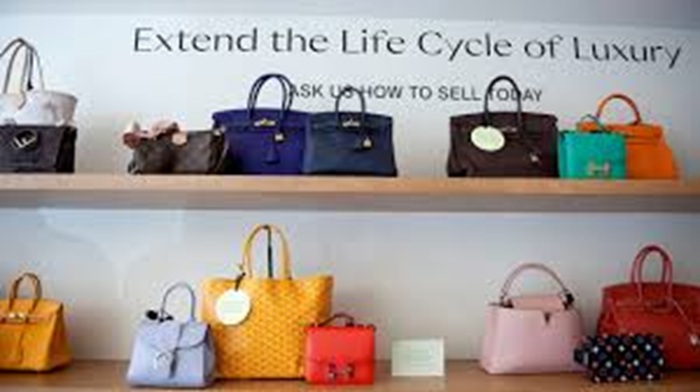
 The pandemic has changed the age old, shabby and worn out image of secondhand fashion and encouraged young Indian fashionistas to embrace pre-worn or used clothes. A report by The Times of India shows, Indian market for secondhand clothes is expected to grow 185 per cent over the next 10 years with many global brands jumping on the secondhand bandwagon. Gucci plans to enter the resale market through its partnership with the The RealReal while denim brand Levi’s launched a buyback program known as Levi’s Secondhand to encourage circular fashion. The economic downturn, brought in by the pandemic, is also boosting demand for secondhand fashion amongst Indians.
Changing trend for seconds
Namrata Iyer, Designer, Illustrator and Founder, The Local Thrift, believes, secondhand fashion has always been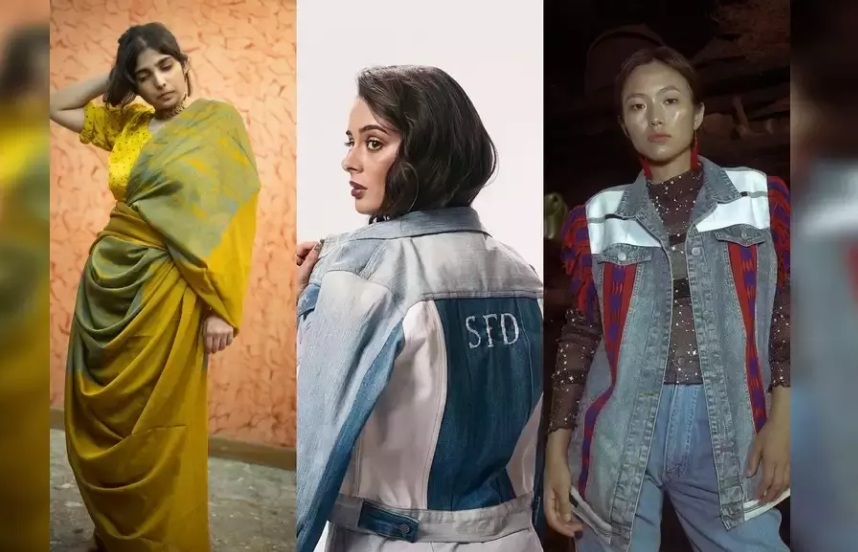 in demand in India with Instagram shops and garage sales existing even before 2020. The pandemic has intensified its significance with young consumers increasingly moving towards responsible fashion. She feels, thrift garments are unique in style, and can help reduce the number of discarded garments. The trends in secondhand fashion also change according to seasons. Stores often have their own hot selling items, dictated by market trends. For instance, earlier, corsets and lingerie were most commonly sold. Now, lighter clothing is more in demand.
New launches, social media spurring demand
Asenla Jamir, Founder and Creative Director, Otsü Clothing Co, attributes the growing popularity of secondhand fashion to shutting down of trendy and reasonable fashion shopping sites. Jamir says secondhand clothing are reasonable compared to other big brands. Her brand upcycles Naga textiles and rescued fabrics to create new shirts, skirts, blazer/jackets, pants, and dresses. This helps reduce mass production, social impact, and environmental wastage and helps promote its own individual and unique styles. The brand also re-uses rescued fabrics in its designs.
Actress Evelyn Sharma has also launched a range of upcycled garments called Seams for Dreams. The owner of a fashion charity foundation says lesser incomes, limited access to retail stores and several other restrictions are driving more consumers to secondhand clothing as they reduce their consumption of fast fashion.
Social media has also helped catalyze demand for secondhand clothes in India, adds Iyer. She cites the example of Instagram which dedicates several pages dedicated to designers and homegrown labels dealing in secondhand clothes. Platforms like these also help consumers across the globe stay connected with each other and promote thrifting/circular/secondhand fashion, adds Asenla.