FW
BGMEA demands reduction in source tax on export incentives
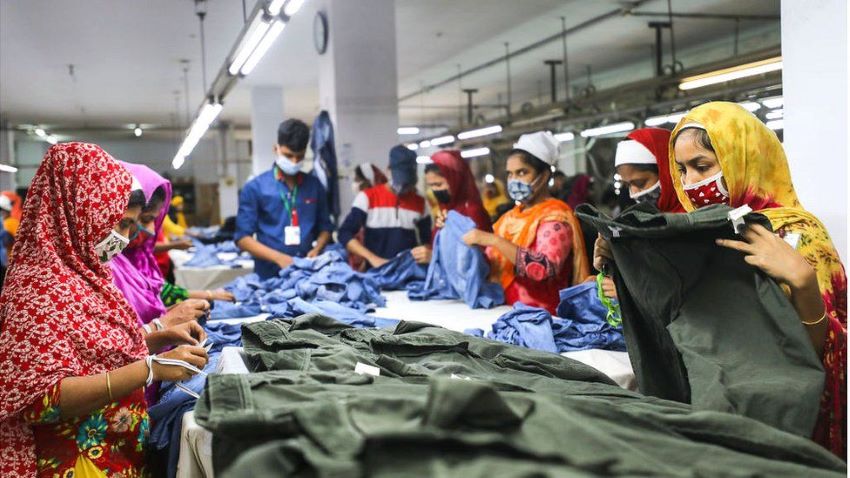
The Bangladesh Garment Manufacturers and Exporters Association (BGMEA) has demanded reduction in the source tax on cash incentive against export earnings to support the readymade garment sector in maintaining export competitiveness amid the coronavirus outbreak.
Rubana Huq, President, BGMEA, has demanded that the National Board of Revenue should reduce the source tax, also known as tax deduction at source, on cash incentive to 5 per cent from the existing 10 per cent to facilitate the sector which is suffering from the negative impacts of the outbreak.
According to her, receipt of export payments from many shipments had become uncertain for exporters as many international buyers from the United States, China, the United Kingdom and other European countries had been declaring themselves bankrupt since the outbreak began in China.
The impact of the outbreak has been devastating on the country’s RMG sector and consequently many apparel factories have been shut down, she said.
International buyers have become worried amid the fear of a second wave of the infection, deteriorating the situation further, she added.
According to the BGMEA, foreign buyers have stopped payment of already exported products along with a slowing down in orders.
Exporters are also facing problems in releasing money in cash incentives from the Bangladesh Bank due to not receiving export payments from foreign buyers, it said.
RMG exporters are also facing a liquidity crisis and other problems amid the situation. Under the circumstances, it will be difficult for the exporters to maintain competitiveness on the global market if tax is deducted at the rate of 10 per cent on cash incentive, Rubana said.
Social commerce to be the major driver of e-commerce in India
 Providing much needed boost to the Indian e-commerce industry, COVID-19 has accelerated the use of technology amongst fashion companies. As an Economic Times reports suggest, companies are adopting new business models to offer customized and interactive shopping experience to customers. One such emerging business model is social commerce which combines the benefits of social media and e-commerce.
A recent survey by PayPal social commerce is projected to become a $100 billion vertical e-commerce by 2025. Growth is being mainly being driven by the use of videos on social media platforms such as Instagram and Snapchat. Regional social networking platforms such as ShareChat and Roposo are also stimulating growth by offering content in vernacular languages. In the last few months, there has been a spurt in homegrown social commerce startups. Big e-commerce players like Flipkart are entering the social commerce space to target consumers in Tier II and Tier III Indian cities.
Indian social commerce market is largely driven by consumers and sellers from smaller cities. Most customers of social commerce players such as Meesho, Shop 101, Bulbul are based in Tier II and III cities. Another factor driving Indian social commerce is the increasing number direct-to-consumer brands. As per a Unicommerce trends report, the number of brands developing their own websites has grown 65 per cent in 2020. Smaller retailers are also marketing their products on social media platforms such as Facebook, WhatsApp, Instagram, etc.
WhatsApp, AI tops business users in India
A large number of businesses are using messaging apps such as WhatsApp to conduct their business. It is one of the most lucrative platforms for small and medium sellers in India. Around one million sellers use WhatsApp in India for conducting their businesses. Companies are building WhatsApp chatbots for retailers to help them manage a large number of orders.
Artificial Intelligence (AI) has also become a major growth avenue for retailers and brands. They are now experimenting with both marketplace and reseller models with the help of AI & automation. Chatbots are being created to help consumers shop directly on WhatsApp. AI tools like simplified product searches, recommendation systems for consumers are helping brands achieve an elevated level of customer satisfaction.
Collaboration with logistic service providers a key growth factor
Inventory management being an important part of the industry, social commerce players need to collaborate with logistic service providers to ensure maximum reach, timely delivery, and low returns. Over the years, these players have been successful in providing a sales platform for small and medium scale sellers by exploring artificial intelligence/machine learning algorithms. AI solutions have also helped these players manage shipments besides providing them with regular delivery updates.
Social commerce also helps smaller sellers become more efficient by providing them with an integrated view of their inventories and orders. The use of this technology is poised to grow with time with social commerce becoming major driver of e-commerce growth in India.
Automated production, CSR, can help European fashion be more sustainable
 European clothing and textile industry is one of the largest polluters in the world, second only to the oil industry. The sector uses around 93 billion cubic/meters of water per annum. Of this, 20 per cent water is wasted. The industry also uses a huge amount of pesticides; 20 per cent of which are used in cotton production.
To curb rising pollution, industry leaders are promoting the “buy less” trend that ensures sustainability in fashion, highlights a study ‘Trends in Apparel’ conducted by Netherland’s Enterprise Agency, CBI. Consumers are being encouraged to use online platforms and apps like eBay and Kleiderkreisel to sell used clothing peer to peer. Also, vintage fashion is being promoted to encourage the use of pre-owned clothing. Brands are also using recycled and eco-friendly materials like low-impact, biodegradable fibres. For instance, H&M has launched ‘Conscious Collection’ made with organic cotton or recycled polyester, it uses 57 per cent recycled or sustainably sourced fibers.
However, brands further need to be aware about new eco-friendly, innovative and sustainable production methods, the study goes on to say. They need to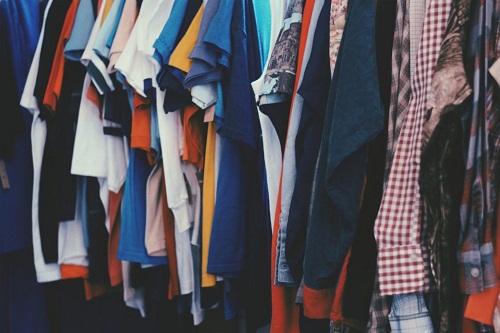 explore new upcycling and recycling strategies, partner other companies to offer circular economic models and educate partners, business customers and end consumers about the positive impact of sustainable brands.
Introduce a CSR policy
Corporate Social Responsibility (CSR) has become one of the more compelling brand purposes. Brands are being transparent about their practices and the practices of their partners along the supply chain. New initiatives like Fashion Revolution’s Fashion Transparency Index that rate apparel companies based on transparency practices are being introduced.
To gain from this trend, brands need to create corporate social responsibility policy, they need to ensure that their factories are safe places to work by eliminating hazardous and outlawed production processes. They also need to publish a list of their suppliers.
Promote digital transformation
Nowadays, buyers expect suppliers to provide them with digital data and product details. Hence, brands need to have a digital transformation strategy with a clear mission and specific objectives. They need to select the most suitable IT management system and integrate it their day-to-day operations. They should also use enterprise resource planning software and analytics tools to collect both internal and external data like fabric data, production times, pricing, lead times, shipping, ecological footprint and sales to generate insights.
Fashion trends for the elderly
The European Union is the second fastest ageing society in the world. Brands need to study the functional needs and quality expectations of these customers and launch different clothing styles for them. They also need to familiarize themselves with the latest fashion trends on social media by following relevant fashion influencers and leading European apparel players.
Activewear outfits are becoming the new norm of the day. Brands need to offer innovative athleisure pieces to satisfy health and wellness needs. They need to master the use of social media marketing, such as using the right hashtags on Instagram to promote athleisure. They also need to innovate and offer high-quality multipurpose items that fit with various activities.
Accelerate automation
With COVID-19, revenues in the global apparel industry are expected to contract by 30 per cent in 2020. To stem this decline, brands need to shift to e-commerce and accelerate automation in their operations. They can also adopt the message strategy by focusing on messages like ‘Work from-home’, ‘Relax and Recharge’ and ‘Keep Moving.’ They can also employ virtual platforms such as ‘live broadcast fashion shows’ from Armani or Valentino. Another strategy they can adopt is to work closely and support long-term partners by clearly reviewing inventory positions and engage in joint planning. They can also introduce new processes and policies such as safety procedures for handling and delivering online orders.
Cotton 2040 to include US Cotton Trust Protocol in CottonUP guide
The Cotton 2040 coalition aims to include the US Cotton Trust Protocol in Cotton 2040’s CottonUP guide which helps sourcing directors make sustainable decisions.
As per a Textile Focus report, the CottonUP guide seeks to address one of the main barriers for companies looking to start sourcing or increase the amount of sustainable cotton they source: the time and resource required to research and implement the most appropriate sourcing approach for their organisation’s sustainability priorities. The guide highlights the business case and main sourcing options for sustainable cotton, provides guidance on creating a sourcing strategy and on working with suppliers, and shares case studies from companies that have already navigated the complex challenges of sourcing more sustainable cotton.
The guide recognizes the US Cotton Trust Protocol as a sustainable cotton standard alongside BCI, CmiA, Fairtrade, myBMP, Organic and recycled cotton. It helps stakeholders within the cotton sector to navigate the complexity, and better understand the major sustainable cotton standards they could adopt, how they work, and select the best options for their business.
Santoni launches new XT intarsia machine
Leading Italian circular knitting machine builder SantoniSpA has launched its new unique XT intarsia machine that combines all of the knitting possibilities of the intarsia technology and stitch transfer technology.
As per a Knitting industry report, the machine is equipped with an integral Toe Closing Device. Itis specifically designed to knit Argyle pattern intarsia socks that meet the increasingly high demands of the fashion market thanks to its excellent level of quality and pattern definition.
The XT machine TC produces exclusive socks that meet Generation 4.0 requirements for higher comfort combined with superior technical performance. These socks have compression areas with precisely positioned elastic yarns, sandwich terry for cushioning and protection effects and mesh areas for higher ventilation and moisture control.Each of these featured areas can have different yarns to better meet the desired customization requirements.
Puma, Iconic offer 5% discount on digital payments
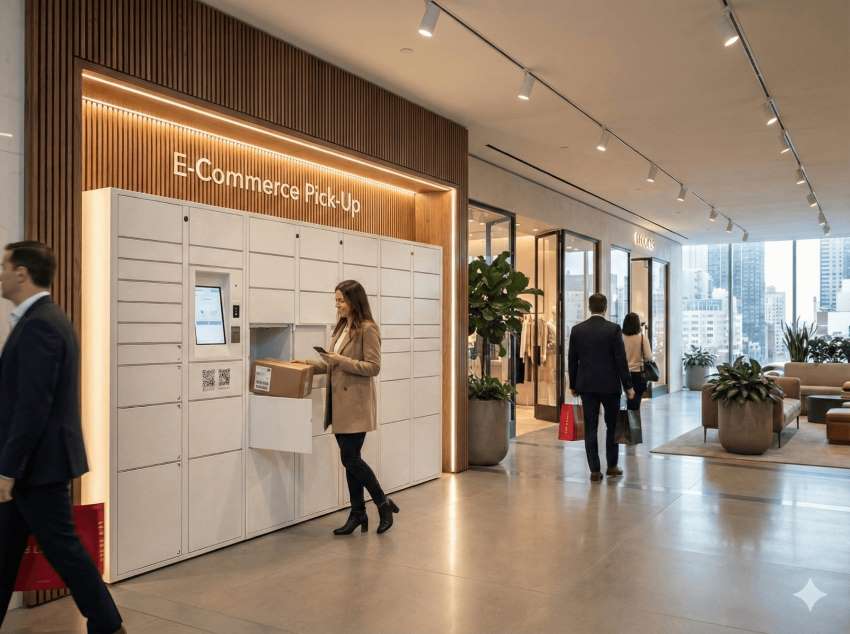
As per an Economic Times report, Puma and department store chain Iconic have started offering their online customers an upfront 5 per cent discount if they choose digital modes of payment. Liberty Shoes charges an extra Rs 49 for a customer who prefers to pay at the time of delivery at their doorstep.
These companies have started discouraging the cash-on-delivery(COD) option, which currently accounts for about 65 per cent of online purchases in India.
According to VibhorSahare, Cofounder, ANS Commerce, between 10 per cent and 30 per cent of COD order are returned by customers compared with 5 per cent-15 per cent for pre-paid orders.
Paytm Mall discontinued the COD purchasing option more than a year ago. After offering discounts on pre-paid purchases, Puma’s share of digital transactions on its webstore went up to 64 per cent from about 61% prior to that.
COD has been the most popular payment mode among Indian consumers and has helped spawn a formidable e-commerce business in India.
E-commerce sites including Amazon, Flipkart and 1mg had suspended the COD option for some months from April as part of efforts to create contactless shopping in a bid to curb the spread of COVID-19. However, the sheer popularity of COD prompted them to restore the payment method recently.
Fiscal stimulus, emerging centers to drive future European luxury growth

With consumers ready to splurge after almost 18 months of restrictions and high prices commanded for products, the European luxury sector is set for a boom. However, investors are concerned about declining valuations of luxury companies, says Martyn Hole, Equity Investment Director, Capital Group. The MSCI Europe Index for apparel and luxury goods rose 20 per cent this year. As per Business of Fashion, the index outperformed MSCI Europe’s previous gain of 12 per cent and given it a PE ratio 35 times estimated 2021 earnings.
The surge also increased the sector’s valuation premium relative to the broader market to a historic high of above 100 percent. Analysts at Barclays Plc affirm, luxury stocks are now placed in the very-expensive category and have little room for improvement in the second quarter. Italian luxury fashion retailer Golden Goose sold a €480 million ($588 million) six-year junk bond this month as investors betted on its ability to sell high-end sneakers for around €400.
Fiscal stimulus, consumer savings drive luxury growth
The European luxury sector is being driven by the stimulus checks in the US, the growing popularity of casual-wear and savings of around €700 billion owing to pandemic-induced lockdowns. As Michel Keusch, Portfolio Manager, Believue Asset Management AG explains, people are waiting to treat themselves and buy things that will make them look good. Yet, the sector may not benefit from the stimulus and reopening of economies as consumers will have a wide range of spending options, ranging from travel and restaurants to theatres and cinemas.
Pandemic to give rise to new growth engines
The over emphasis on mergers and acquisitions and skepticism over demand from China may also put a brake to luxury’s growth engine. Recently, M&A rumors sent German apparel maker Hugo Boss’s stock up 43 times its 2021 earnings while the stocks of troubled Italian shoemaker Tod’s SpA’s soared 66 per cent over speculations of being acquired by LVMH.
Over the next 12 months, the MSCI Europe Luxury Goods Index is unlikely to grow over 19 per cent on the MSCI Europe Retail Index, particularly online retailers like Zalando SE. Yet, newer growth engines, like China’s shopping hotspot of Hainan are likely to emerge, says Sanford C. Bernstein, Analyst, Luca Solca. Overall, the sector’s prospects appear very bright, adds Hole.
Q3 revenues of PVH Corp decline by 18%
The third quarter revenues of PVH Corp, a US-based global apparel companies have declined by 18 per cent to $2.11 billion compared to the revenue of $2.43 billion in the same period last fiscal. The company’s net income for the quarter rose to $69.5 million compared to net loss of $1.07 billion in Q3 FY19.
Total gross profit during Q3 was $1.10 billion while selling, general and administrative expenses were $ 987.2 million.
Sales for Tommy Hilfiger decreased by 12 per cent to $1.08 billion; Calvin Klein sales dropped by 18 per cent to $790.0 million while Heritage Brands by slipped 36 per cent to $238.3 million during the three-month period.
The company aims to focus improving its e-commerce and product offerings, and driving cost efficiencies across the company.
Q3 revenues of PVH Corp decline by 18%
The third quarter revenues of PVH Corp, a US-based global apparel companies have declined by 18 per cent to $2.11 billion compared to the revenue of $2.43 billion in the same period last fiscal. The company’s net income for the quarter rose to $69.5 million compared to net loss of $1.07 billion in Q3 FY19.
Total gross profit during Q3 was $1.10 billion while selling, general and administrative expenses were $ 987.2 million.
Sales for Tommy Hilfiger decreased by 12 per cent to $1.08 billion; Calvin Klein sales dropped by 18 per cent to $790.0 million while Heritage Brands by slipped 36 per cent to $238.3 million during the three-month period.
The company aims to focus improving its e-commerce and product offerings, and driving cost efficiencies across the company.
Cifra introduces Wrap Knit Seamless Technology to beachwear
Cifra has introduced the patented Warp Knit Seamless technology to its beachwear. The technology plays on positive and negative spaces and patterns to enhance the figure with a variety of designs. Beachwear made using this technology is seamless, snug, quick-drying and is run-proof thus adding technology to fashion style.
The beachwear concept is an ode to sustainability and products knitted both in premium polyamide 6.6 and in pre and post-consumer recycled yarns such as Radici Group’s Renycle, a polyamide 6 obtained from production waste, or else Aquafil’sEconyl, made from plastics recovered from the oceans that had been recycled.
Both are combined with an elastomer which is also recycled, in the aim of a full sustainability. From the sea and in support of the sea, with a strong emphasis on design and responsible innovation.