FW
Alex Zucchi appointed as the new President of Cematex
Alex Zucchi, Immediate Past President, ACIMIT and Managing Director & Partner, Ferraro, has been appointed as the new president of the European Committee of Textile Machinery Manufacturers, Cematex.
Being involved in the ACIMIT delegation since 2015, Zucchi is a staunch advocate of sustainability. He has been involved in the promotion of the ACIMIT green label and recycling of textile machinery.
A staunch advocate of the sustainability cause, Zucchi is currently also the managing director and partner of Ferraro, a manufacturer specialising in finishing machinery.
Ernesto Maurer, Outgoing President, led Cematex with great enthusiasm and professional competence for four years. He will continue to be involved as the vice president of Cematex.
An organisation comprising nine national European textile machinery associations such as ACIMIT, AMEC-AMTEX, BTMA, GTM, SWISSMEM, SYMATEX, TMAS, UCMTF and VDMA, Zurich-headquartered Cematex also the owner of ITMA, the world’s largest international textile machinery exhibition.
Euratex elects Mario Jorge Machado as President
In a decisive move aimed at revitalizing Europe’s textile industry, Mario Jorge Machado has been elected as the new President of Euratex during its General Assembly on June 14. Machado, renowned for his strategic leadership in Portugal's textile sector and his role as President of Textile and Clothing Association of Portugal (ATP)since 2019, brings a wealth of experience to his new position.
With a background in Production Polymer Engineering and a strong track record at "Adalberto Textile Solutions, SA," Machado is poised to steer Euratex towards a more competitive and sustainable future.
Addressing the pressing challenges ahead, Machado emphasized the need for Europe to reclaim its industrial growth trajectory, echoing concerns over global competition and the strategic support measures seen in the US and China. His vision for Euratex hinges on advocating a robust industrial strategy that aligns sustainability with competitiveness, emphasizing the importance of consumer-centric legislation and equitable market access for European products.
The Assembly also honored Alberto Paccanelli as Honorary President, acknowledging his longstanding dedication to Euratex and his advocacy for industry transformation and market fairness.
Additionally, the Assembly elected Michael Kamm, Barbara Cimmino, Gregory Marchant, and Ismail Kolunsag to join the Euratex Presidency Team, signaling a diverse and proactive leadership approach. New memberships and partnerships further underscore Euratex's commitment to fostering innovation and collaboration within the textile sector.
Euratex’s latest appointments and partnerships set a strategic course aimed at bolstering European textile competitiveness amid global challenges, setting the stage for impactful industry advocacy and growth.
Epson and AFDS champion sustainable fashion at ASEAN International Fashion Week
Epson, a global leader in professional printing, collaborated with the ASEAN Fashion Designers Showcase (AFDS) to debut the ASEAN International Fashion Week (AIFW) at Singapore's ArtScience Museum. This inaugural event aimed to celebrate and highlight the unique styles and diversity across the ASEAN region while emphasizing sustainable practices in textile printing.
The event attracted over 850 attendees, including members of the public, designers, and industry partners. Epson partnered with 11 AFDS designers to present the Epson Runway Show, featuring pieces created using Epson’s SureColor series printers. These printers, such as the SureColor F6430 and SureColor F9430H, showcased how digital textile printing technology can facilitate sustainable fashion. The designs illustrated innovative approaches to eco-conscious fashion, utilizing dye-sublimation printers known for their high quality and minimal environmental impact.
During the event, Siew Jin Kiat, Regional Managing Director at Epson Southeast Asia, highlighted the collaboration with renowned Japanese designer Yuima Nakazato. Nakazato's avant-garde collection demonstrated advancements in sustainable printed fabrics enabled by Epson’s direct-to-fabric digital printing technology.
In addition to the runway shows, Epson and AFDS hosted a panel discussion focusing on sustainability in fashion and technology. The discussion, moderated by Neva Weber, International PR and Media Director of ASEAN International Fashion Week, featured industry leaders like Desmond Gay from Epson Southeast Asia and international figures from fashion weeks worldwide. Key topics included Epson’s innovations in reducing water consumption and achieving carbon-negative operations.
The event also featured a Pop Up Store where attendees could experience and purchase runway pieces. Epson showcased its textile printers, engaging the public with demonstrations of their capabilities in textile and gift production.
Derek Tan, Head of Sales and Marketing at Epson Singapore, expressed Epson's commitment to driving positive change in the fashion industry through innovation and technology. Hayden Ng, President Founder of AFDS, echoed this sentiment, emphasizing their shared vision for sustainable fashion practices.
The ASEAN International Fashion Week not only celebrated regional creativity but also promoted a sustainable future for fashion through technology and collaboration.
Karl Mayerwins German sustainability award for indigo dyeing innovation
Karl Mayer Group, a leader in textile machinery, has been honored with the German Award for Sustainability Projects 2024 in the "Production" category. The accolade, awarded by the German Institute for Service Quality, DUP Entrepreneur Magazine, and news channel ntv, was presented on June 11 at the Bertelsmann Representative Office in Berlin.
The jury, including former Minister of Justice and Economics Brigitte Zypris, selected Karl Mayer from 70 companies out of 342 nominations for its Bluedye technology.
Bluedye revolutionizes denim production by significantly reducing water and chemical use. Traditional indigo dyeing processes consume vast amounts of resources and emit pollutants. In contrast, Bluedye’s nitrogen-based technology cuts water and chemical usage by at least 50 per cent and 60 per cent, respectively, reducing operating costs by up to 20 per cent.
This innovation supports four of the United Nations Sustainable Development Goals, addressing clean water (Goal 6), sustainable production (Goal 12), improved working conditions (Goal 8), and fostering innovation (Goal 9).
Arno Gartner, CEO of Karl Mayer, highlighted how their technology reduces environmental impact and lowers costs, enabling sustainable jeans production for clients. Bluedye maintains high color quality in denim while significantly cutting resource consumption.
Bluedye has demonstrated its effectiveness through comparative measurements in field tests, proving its economic and environmental advantages. Companies can test this innovative technology at Karl Mayer's denim center of excellence. This award underscores Karl Mayer's commitment to leading the industry towards more sustainable and efficient production practices.
Sourced Sri Lanka planned from June 17-18, 2024 in London
Promoted by Sri Lanka Apparel Sourcing Association (SLASA), Export Development Board (EDB) and the Joint Apparel Association Forum (JAAF), the first ever textile andapparel fashion exhibition, ‘Sourced, Sri Lanka’ will be held on June 17 and 18 at The Lindley Hall in London.
Supported by the Sri Lankan High Commission in London, the exhibition features 50 exhibitors including 10 SME sector companies. It is expected to attract over thousand foreign buyers not only from the UK but also from Europe besides trade visitors from Sri Lanka.
Yohan Lawrence, Secretary General, JAAF, says, the exhibition will showcase new and smaller apparel manufacturing companies from Sri Lanka and showcase them to the world. It will also find partners for them besides boosting local exports to the UK in future, adds Lawrence.
RohithaBogollagama, High Commissioner for Sri Lanka in London, adds, the event should have been held earlier as there is a huge market for local apparel in the UK.
Working alongside event partners, Twenty Twenty Digital, the show organisers willutilisekey brand connections from their years of experience and direct ties to the fashion industry. The event will provide local exhibitors with an opportunity to face a high profile audience of around 500 including members representing top brands, retailers, buyers, manufacturers, importers and also press and media.
Formed in 1993, SLASA aims to promote and foster the growth of the garment industry in Sri Lanka. Dr Kingsley Bernard, CEO & Chairman, Export Development Board, adds, the event gives the SME sector a golden opportunity to enter the UK and the EU markets by finding buyers from the event.
The Lycra Company develops FitSense Denim as a new evolution in stretch technology
To overcome issues faced while creating jeans that truly fit and flatter the broad spectrum of body sizes and shapes, The Lycra Company has developed FitSense Denim, a solution that creates jeans with shaping benefits.
Created in partnership with the China-based Advance Denim and Crystal Apparel, the new Lycra Fitsense Denim is the next evolution in stretch technology. It allows designers to customise the level of stretch in targeted areas of the denim garment for enhanced comfort, shaping and support. Designed with a patented LYCRA dual-core yarn structure, this technology is combined with thermo-responsive fiber, woven into the fabric by Advance Denim.
The revolutionary targeted stretch technology enables denim designers to create the right fit for consumers supporting their specific body parts like the tummy, thigh, bum, leg and waist, says Mark Ix, Director – Marketing, North America, Advance Denim.
Discreet and invisible on the fabric and the garment, this fiber-to-garment denim solution offers endless design opportunities for brands and designers.”
The jeans are being further activated with customised fit patterns on targeted areas by Crystal Apparel. Combining fiber, fabric and a garment processing technology, this approach offers a customisable fit and shaping solution to denim.
A leader in the denim industry, Advance Denim has been pushing the boundaries of innovation since 1987. The company blends tradition with cutting-edge technology to revolutionise sustainable and performance-driven denim.
Since its inception, Advance Denim has saved upto 94 per cent of the water needed in traditional dyeing by advancing sustainable manufacturing methods including BigBox Denim and BioBlue indigo which dye indigo in one big box. Performance innovations such as Freecross Bi-Stretch technology stretch denim in both the warp and weft yarns,help the company provide stretch and recovery while maintaining a vintage look. Advancing Denim further builds on its foundation of innovation through this latest Lycra FitSense® Denim technology.
Diesel reunites with Tom of Finland Foundation for third collaborative collection
Reuniting with the nonprofit organisation established to preserve Finish artist Tom of Finland’s catalog of homoerotic art, Italian denim brand Diesel launched the 2024 Diesel x Tom of Finland Foundation Pride capsule collection.
Designed to celebrate the LGBTQIQ + community, the collection spreads the message of freedom of expression, sexuality and individualism through this capsule collection. Marking the foundation’s 40th anniversary, this third collaborative collection of the Tom of Finland Foundation with Diesel offers 24 garment pieces from various artists including Stuart Sandford, Suzanne Shifflett, Tank, the Hun, Valentine, Henning von Berg and Tom of Finland.
Featuring prints and patchworks, the collection reflects the opinions of artists from the Tom of Finland Foundation It comprises T-shirts, denim jackets, jeans, jockstraps, etc. Each of the garment in the collection has been tailored with a special canvas tape printed with a quotation from the artist. The collection is slated to be launched globally in late June on Diesel’s website and in Diesel boutiques.
Weaving a Stronger Future: Growth strategies for Türkiye's textile & apparel exports

Türkiye boasts of a rich history in textiles, dating back to the Ottoman Empire. Today, it remains a global powerhouse in the industry, ranked the fourth-largest exporter of textiles worldwide as per Statista. This success story is due to a robust domestic industry and strategic export focus.
Sectoral strengths
Türkiye's textile and apparel industry caters to a wide range of products. From raw materials like cotton yarn to finished garments like denim and knitwear, the sector offers a comprehensive product portfolio. This diversification allows Türkiye to cater to varied customer needs across various price points. Turkish mills excel in weaving, knitting, and finishing a wide range of fabrics, from denim and towels to technical textiles.
The industry also boasts of a well-developed infrastructure, skilled workforce, and a strong focus on vertical integration. This translates to efficient production processes and competitive pricing. Turkish craftsmanship shines in carpets, rugs, towels, and bed linens, renowned for their quality and design.
Table: A decade of growth
|
Year |
Textile Exports ($ billion) |
Apparel Exports ($ billion) |
Total Exports ($ billion) |
|
2014 |
10.2 |
14.5 |
24.7 |
|
2015 |
10.5 |
15.2 |
25.7 |
|
2016 |
9.8 |
14.1 |
23.9 |
|
2017 |
10.1 |
15.4 |
25.5 |
|
2018 |
11.2 |
17.3 |
28.5 |
|
2019 |
11.7 |
18.4 |
30.1 |
|
2020 |
9.8 |
15.4 |
25.2 (Pandemic Impact) |
|
2021 |
11.4 |
18.1 |
29.5 |
|
2022 |
(est.) 11.0 |
(est.) 19.2 |
30.2 |
Source: ISIB Istanbul Textile and Apparel Exporters’ Association
Reaching new horizons
Türkiye's export strategy focuses on geographical diversification, with a strong presence in established markets and a growing footprint in emerging regions.
Table: Türkiyes’ key exporting countries
|
Region |
Total textile & apparel exports (2022) in % |
Key countries |
|
Europe |
65% |
Germany, Spain, UK, Italy |
|
Middle East |
15% |
Iraq, Iran, Israel, Saudi Arabia |
|
North America |
10% |
USA, Canada |
|
Asia |
5% |
Russia, Central Asian Republics, Far East |
|
Other |
5% |
Africa, Latin America |
Source: Ministry of Trade, Republic of Türkiye
The European Union remains Türkiye's primary export destination, accounting for roughly 65 per cent of total textile and apparel exports. Germany and Spain are the top two European buyers, drawn to Türkiye's proximity, competitive pricing, and quality products.
However, Türkiye is actively looking beyond Europe. Exports to the Middle East and North Africa (MENA) region are on the rise, driven by cultural similarities and growing disposable incomes. Additionally, the US market holds significant potential, with increasing demand for Turkish-made apparel. Building brand recognition and establishing robust distribution channels are essential for success.
Strategies for continued growth
However, despite its global leadership, Türkiye faces fierce competition from Asian countries like Bangladesh and Vietnam necessitates continuous innovation and cost optimization. Then there are other challenges like fluctuations in Turkish Lira impact export competitiveness. The industry also faces pressure to adopt sustainable practices throughout the supply chain.
To move forward, the industry needs to invest in research and development for new fabrics, eco-friendly production methods, and trend-driven designs will be crucial to stay ahead of the curve. Embracing online platforms can also expand reach and tap into new consumer segments, particularly in emerging markets. Since consumers are increasingly becoming environmentally conscious, implementing sustainable practices throughout the supply chain will enhance Türkiye's brand image and attract eco-conscious buyers. And for stronger and continued growth, Türkiye needs to focus on high-value products. Moving beyond basic garments, Türkiye can specialize in higher-margin products like technical textiles and designer apparel to boost profitability.
Türkiye's textile and apparel industry has a strong foundation for continued growth. By focusing on sector-specific development, diversifying export territories, and embracing innovation, Türkiye can further solidify its position as a global leader in fashion. As the industry evolves, adaptation and strategic investment will be key to weaving a stronger future for Turkish textiles and apparel exports.
14th Intex Bangladesh unites global textile value chain on a single platform in Dhaka
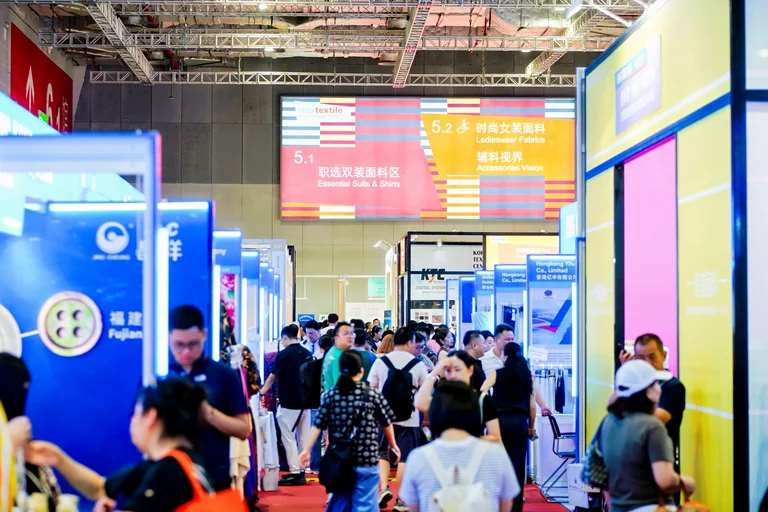
Concluding on a high note, the 14th edition of Intex Bangladesh marked a significant shift in the textile sourcing landscape of Bangladesh as it united the global textile value chain on a single platform. Held from May 30-June 1, 2024, at ICCB in Dhaka, the three-day fair spread across four ICCB exhibition halls, showcased innovative textiles, including functional, organic, and eco-friendly yarns, apparel fabrics, denim, clothing accessories, dyes, chemicals, as well as allied services.
Witnessing a record turnout, the expo connected over 200 suppliers from 10 countries with over 5,800 quality trade buyers and stakeholders from Bangladesh, and international markets. Serving as a global hub, Intex Bangladesh attracted leading domestic manufacturers, exporters, brands, and buying offices from Bangladesh, as well as international buyers from across the globe. The expo set a new record by featuring the largest-ever Indian contingent with over 100 companies under the ‘Made in India’ Textiles Pavilion. It also featured dedicated pavilions from China, Bangladesh, Sri Lanka, and other textile manufacturing countries.
Over 5,800 high quality visitors attended the exhibition. These included decision makers and heads of manufacturing, sourcing and designing teams. Leading domestic manufacturers, international buyers and industry experts from China, India, Saudi Arabia, Southeast Asia, the Americas, Europe and Middle East also explored textile sourcing opportunities at the event.
A few of esteemed dignitaries present at the event included Her Excellency HaznahMdHashim, High Commissioner of Malaysia;MofazzalHossainPavel, President Bangladesh Garment Buying House Association (BGBA) & Managing Director, Dongyi Sourcing Ltd; KSakthivel, Vice Chairman, PDEXCIL;ManojPatodia, Immediate Past President, Texprociland Chaitanaya Kumar Dey, Board Director of Korea-Bangladesh Chamber of Commerce & Industry. MdNuruzzaman, Director General, Dept of Textiles, Ministry of Textiles & Jute, Govt of Bangladesh said, “Intex Bangladesh combines expertise, experiences and opportunitiesto help companies explore new business avenues and accelerate industry growth.”
Abdullah HilRakib, Vice President, BGMEA and Managing Director, Team Group added “To reach the goal of being a $100 billion export market by 2030, Bangladesh needs to focus on regional cooperation. Intex Bangladesh enables this by providing collective effeciencies achieved through combined efforts.”
Nitin Spinners’ revenues for FY24 rise by 21%
Nitin Spinners has recorded a 21 per cent rise in its revenues for FY24 to 2,905.65 crore from Rs 2,406.71 crore in FY2023. However, the company’s Profit After Tax (PAT) declined to Rs 131.52 crore compared to Rs 164.81 crore in the previous year due to higher tax rate during the current year.
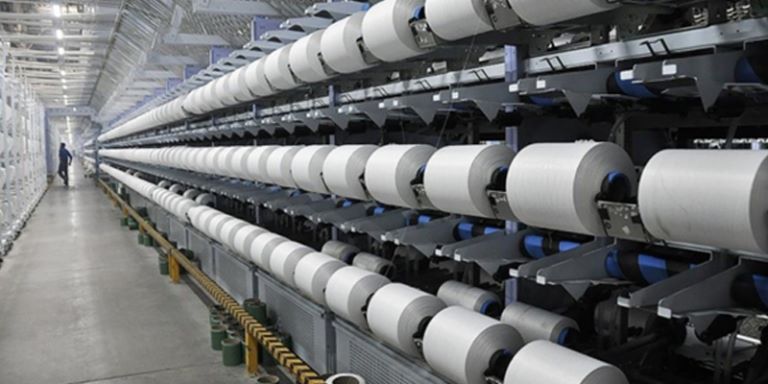
Demonstrating consistent and dependable project execution capabilities, the company recently completed its Rs 955 crore expansion project within the designated timelines. The project involved increasing the capacity of Nitin Spinners to 434,832 spindles, 5,864 rotors, 222 airjet weaving machines, 77 circular knitting machines, and 264 airjet spinning positions.
Dinesh Nolkha, Managing Director, Nitin Spinners, says, the growth demonstrates the company’s unwavering commitment to seizing opportunities and expanding our market presence. The company has improved its operating margins significant by leveraging technology, streamlining processes and investing in its workforce. With its constant pursuit of innovation, operational excellence, and sustainable growth, the company aims to capitalise on the emerging opportunities and navigate any challenges that may arise.
Nitin Spinners has also increased its solar power capacity to 23 MW from 10 MW in the last year. Underscoring its commitment to sustainability and operational efficiency, the company continues to invest in renewable energy.