FW
Coats partners HeiQ for Viroblock technology
Coats, the world’s leading industrial thread company, has partnered HeiQ, a Swiss technology company, to incorporate its Viroblock technology into its engineered yarns. The Coats Innovation Hub – America in North Carolina, US, is adapting HeiQ Viroblock technology to create a new range of threads and engineered yarns suitable for application across a wide range of end-use products. Non-toxic and hypoallergenic, HeiQ Viroblock merges microsilver technology to attract virus particles which then combine with vesicle technology to break down the viral membrane within seconds. The microsilver technology uses recycled silver to enhance its sustainable offering, while the vesicle technology is bio-based.
The agreement also gives Coats exclusive global access to the technology for use in sewing threads. HeiQ Viroblock is among the first textile technologies in the world to be proven effective in laboratory testing against SARS-CoV-2, the virus from the coronavirus family that causes COVID-19.
CRRA honors Guess for sustainability report
The CR Reporting Awards (CRRA) by Corporate Register honored Guess with the award for ‘Innovation in Reporting’ for its FY18-19 Sustainability Report: Evolution! Change for Good. Guess also earned first runner up for CRRA’s ‘Credibility through Assurance’ honor. Guess was chosen for its dedication to clear and engaging messaging within the report. With bold graphics and brand imagery included throughout, the report communicates complicated subject matter—which spans three years—in an organized manner.
The report has been written in accordance with the Global Reporting Initiative (GRI) standards and has been rigorously reviewed by accounting firm KPMG for external assurance. Further, the brand offers the report in a number of different languages, including Spanish, Chinese, French, Italian and Korean, and created an abridged version.
For this year’s awards, Corporate Register received more than 150 entries from 80 organizations to consider for recognition. Over 65,000 industry members vote for winners, who are selected across 11 categories based on the quality of reporting content, communication and credibility. H&M also received accolades for its 2018 Sustainability Report, receiving first place for ‘Relevance & Materiality’ and ‘Creativity in Communications.’
Authentic Brands and Sparc to acquire Brooks Brothers
Authentic Brands Group and Sparc Group will acquire US apparel retailer Brooks Brothers as the two companies have increased their bid offer from $305 million to $325 million. Sparc, a venture backed by brand manager Authentic Brands Group and mall operator Simon Property Group will continue operating at least 125 Brooks Brothers retail locations as part of the deal.
The 200-year old apparel retailer, Brooks Brothers filed for bankruptcy last month, joining a slew of decades-old American retailers that have succumbed to the COVID-19 pandemic.
The retailer had already been struggling as corporate America, including Wall Street, relaxed its dress code for employees, allowing them to choose casual dressing over bespoke suits. The retailer had set a deadline last week to receive offers better than Authentic Brands and Simon Property’s, but none came in.
Lockdown leads to 58% increase in online shopping in Asia Pacific: Adobe
During the lockdown amid COVID-19, 58 per cent of consumers in the Asia Pacific region increased their online shopping frequency, according to an Adobe survey. The research showed three quarters of consumers cited an intention to change their future shopping habits -- with Indian and Singaporean consumers reporting the strongest intention.
With respect to categories, consumers reported an increase in purchase frequency for groceries and media while clothing and home improvements faced the steepest decline. Among all countries surveyed, Indian consumers were the most likely to support small businesses, said the report.
Two-thirds of consumers agree that brands are communicating just the right amount, while nearly one in five believe that brands are not communicating enough. Over half of the consumers suggested they find utility in brand-related Covid-19 updates.
Indian and Chinese consumers were most likely to find these updates useful. The results showed that despite COVID-19 induced lockdown restrictions now being lifted in many parts of the world, the extended time spent confined to the home has had a significant impact on consumers' shopping habits and their interactions with brands.
Interestingly, while almost all consumers surveyed are willing to wait out the continued restrictions, only 61 per cent agree with the continued lockdown measures, signaling an eagerness to resume life per normal.
Conducted by Advanis, a research firm, for Adobe, the study surveyed around 4,000 consumers in selected Asia Pacific countries -- Australia, China, India and Singapore -- in June.
New European M&As to help brands address business challenges
 Pushed by the COVID-19 pandemic, many European fashion labels such as France’s Naf Naf, UK’s Oasis and Italian luxury menswear maker Corneliani changed hands this summer. The deals cracked by these companies’ indicate the kind of transactions likely to happen later this year. European brands, forced to make these deals, were smaller compared to their American counterparts. Weighed down by expensive store networks, these domestic high street and mall brands were amongst the first to crumble amid lockdowns. On the other hand, luxury conglomerates and investments funds like Mayhoola or Eurazeo refrained from striking any deals during the pandemic.
Some UK brands that hit bankruptcy included the popular Oasis and Warehouse labels, both owned by Aurora Fashions. British e-tailer Boohoo too faced rough weather as no investor was willing to purchase the entire business. The retailer had to nab e-commerce businesses and intellectual property for £5.25 million ($6.9 million). It now plans to retain its brand identity through its e-commerce sites while rapidly switching over design, manufacturing and distribution to the group’s own systems, with a relaunch scheduled for as soon as mid-September.
Deals like these reveal that even though the market favors the biggest brands, smaller ones too have an opportunity to survive financial crisis by effectively managing losses. Big US brands facing bankruptcy can be rebooted through e-commerce in case their brick-and-mortar business fails to improve.
Focus on factories and crafstmanship
Fuelled by rising consumer interest in product origin and increased competition among brands to secure the best suppliers, the next round of mergers and acquisitions is likely to focus on factories and craftsmanship. However, governments fear these deals could lead to a loss in cultural values while brands are worried about losing access to suppliers.
Italian fashion trade groups are lobbying for extensive government support as suppliers are falling further behind financially amid reduced orders for the coming seasons, as brands adapt to lower demand. Bigger players in luxury sector of the country are expected to get involved in deals to protect suppliers and craftsmanship.
Large business groups and global firms to join M&A activity
Deal-making in Europe is expected to pick up again this autumn with large groups and global private equity firms expected to join in the activity. Corporate bankruptcies are also expected to surge leading to once-in-a-lifetime bargains. But rather than immediately reverting to the traditional model of buying competing businesses to expand their scale, companies will focus on assets that could help them address challenges.
Technology helps brands enrich customer’s lives with safer, faster delivery
 Technology helps people stay connected with each other irrespective of their physical location. In fashion, technology facilitates communication between a brand and its consumers. It helps lifestyle brands connect with consumers through their well-developed websites and direct to consumer applications. Intelligent personal assistants such as Siri by Apple and Alexa by Amazon accelerate product delivery to provide consumers with a better shopping experience. However, lifestyle brands also need to use technology for the well-being of their consumers.
A platform to voice opinions
Social networking sites have provided consumers with a platform to voice their opinions, says Tania Caringi, Fashion Entrepreneur. Through these platforms, brands can learn about their consumer’s preferences easily and modify product offerings accordingly. Recent studies prove consumers are quite comfortable shopping online. They are willing to purchase over the internet. This trend can help luxury brands increase the value and impact of their online presence.
Most recently, luxury lifestyle brands such as Gucci have been seen on social media creating engaging content. The Gucci official page has tons of 2D animated clips and beautifully executed photography projects. All of these enhanced brand perception.
Offering solutions for safe survival
Brands can also share educational tips on how to use their products on their social media accounts. They can take up human personas and respond to their customers’ inquiries in the most humane way possible. Technology makes it easier for lifestyle brands to be human. As the products and services offered by these lifestyle brands are essential for human survival, technological solutions can make them safe and easily accessible.
To further guarantee the safety of customers, lifestyle brands can explore the Virtual Private Network (VPN) service. This is a series of virtual connections routed over the internet which encrypts data as it travels back and forth between client machine and the internet resources being used, such as web servers. The tool ensures the safety of online users however, it does not restrict daily or monthly traffic, nor does it keep any record of websites visited and files downloaded.
A technology that helps fashion consumers cross the foreign exchange barriers is the blockchain technology. This technology enables consumers to buy a fashion item from any part of the world through the use of digital money. .
Building a fairer sharing economy
Fashion brands need to be cautious with their online marketing initiatives. They must respect their consumers’ time and privacy. Smart advertising campaigns can help them get a better idea about focus areas. SaTT, the smart advertising transaction token, can help brands monetize and quantify the performance of social media posts through a more advanced method.
Brands can also explore fashion platforms based on the sharing economy. However, these platforms do not have a proper system to reward participants. Hence, TimeCoinProtocol, a Fintech Firm has built a decentralized platform, using the EOS blockchain, which helps companies build a fairer sharing economy
Proper inventory control is key to future success of fashion brands
 As per Moody’s, the apparel industry has witnessed a huge business shock due to the global spread of COVID-19. Businesses, categorized as non-essential, are facing indefinite period of low activity with retailers facing months of store closures and depressed consumer demand.
Reduce planned inventory size
The entire situation has raised questions about the validity of the apparel industry’s current business model and whether it needs to be changed. Experts believe the top most priority for apparel and accessories supply chains is to reduce planned and scheduled incoming inventory — especially for brands with less basic, more seasonal and trend-driven fashion.
For example, Guess came up with the idea of right-sizing its inventory. The brand’s inventory declined 16 per cent year-over-year at the end of the fourth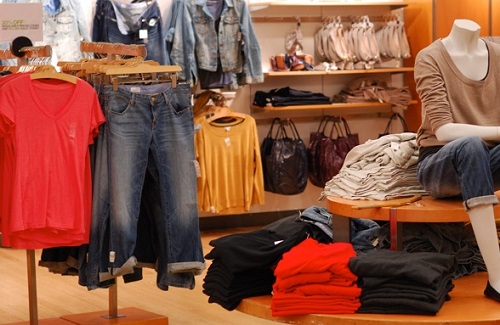 quarter, which Katie Anderson, CFO described as a "clean position" meaning the retailer would not need to heavily discount it or sell inventory into off-price channels.
Brands need to control the size of their inventory and the time of its arrival. They are often surprised when pallets of goods show up at their warehouses. Sometimes, they refuse to receive these shipments which may have dire consequences on future business. However, brands are willing to take this risk rather than hold inventories that they may not be able sell later.
Simplify operations and retail footprint
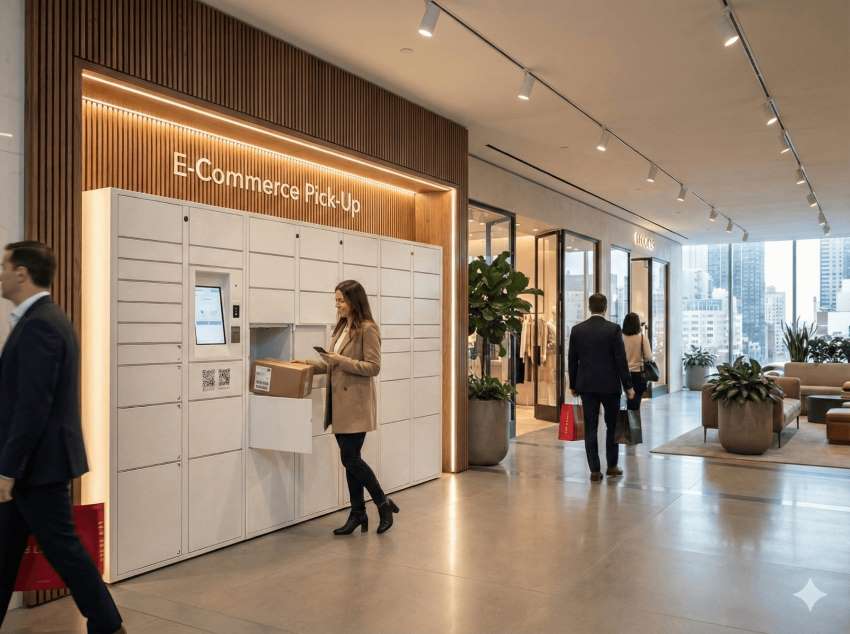
To deal with such problems, brands need to adopt a simple retail footprint and simpler operations. Retailers and wholesalers need to adjust their forecasts and share these changes with manufacturers at every step, believes Balika Sonthaia, Partnery, Kearney. E-commerce helps brands take varied approaches to inventory control from lowering or eliminating free shipping minimums, to closing e-commerce operations for the health and safety of warehouse employees.
However, e-commerce cannot help brands gain access to trapped store inventory. As a result, pure-play e-commerce revenue declined almost 63 per cent in March as compared to a pre-virus benchmark, revealed digital advertising performance tracking service within.
Directing excess inventory to a good cause
Currently, each company faces different set of challenges based on their existing inventory levels, store and warehouse geography, financial health, existing technological tools, supply chain visibility, etc. One of the few universal recommendations for these companies is to plan inventories with an assumption that stores may see very few footfalls.
Instead of bearing the risk of unsold inventory and incurring all carrying costs, retailers could put that inventory to some good use. The COVID-19 pandemic has created many needs for apparel and fabric, whether in the form of masks for healthcare workers or donations for families with interrupted income. Fashion brands can help these workers and families by donating unsold clothes. This will help them to build their identity and cash in on these measures after the crisis is over.
Turkey records over 8% increase in textile exports: AA report
Turkey’s textile industry recorded more than an 8 per cent increase year-on-year in exports, hitting $1.81 billion in July.
An Anadolu Agency (AA) report published Tuesday, which cited Uludağ Exporters Union (UIB) and Turkish Exporters Assembly (TIM) data, showed that the textile and ready-to-wear industry exported to more than 150 countries in July.
Meanwhile, the total exports reached $8.79 billion in the first half of 2020, posting a 15 per cent decrease compared to the previous year.
Germany ranked first among the recipient countries of Turkish textile exports in July with $349.1 million, a 15 per cent increase year-on-year. Spain and the U.K. followed Germany with $248 million and $183 million, respectively.
Meanwhile, exports to the U.S. increased by a whopping 53 per cent in the same period compared to the previous year and reached $109 million.
Turkey’s overall exports reached the highest level of 2020 as they hit over $15 billion amid a rapid recovery from the pandemic.
TJ Maxx cancels work orders worth $85,950
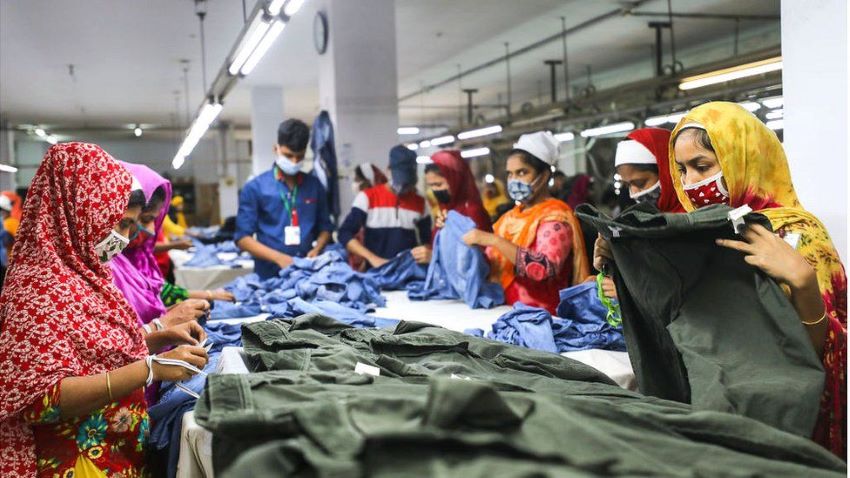
TJ Maxx, one of the largest clothing retailers in the US cancelled work orders of 12,000 units of garment items worth $85,950 and held up payment for 17,700 units of garment work orders worth $125,000 with another local supplier.
It has not been paying its Bangladeshi suppliers their dues, although its parent company paid a substantial amount of dividend to its shareholders during the pandemic.
The TJX Companies, the parent company of TJ Maxx and Marshalls that also got US government credit for COVID-19, distributed $480 million to its shareholders recently.
TJ Maxx has been sourcing garment items from few Bangladeshi factories and it has cancelled work orders with them using the proverbial excuse of a drop in sales and closure of stores during the pandemic.
It pushed to reopen stores amidst the pandemic in May, which led to reopening of 85 per cent of its stores by mid-June. It even had more sales in May than last year.
Hong Kong exports to the US to labeled ‘Made in China’
After September 25, Hong Kong exports to the United States will henceforth made labeled as Made in China, said a notice by the US Customs and Border Protection The move follows China's imposition of a national security law on Hong Kong and a US decision to end the former British colony's special status under US law, escalating bilateral tensions that were already rising over trade war tariffs and the handling of the coronavirus outbreak.
The latest step will see Hong Kong companies subject to the same trade war tariffs levied on mainland Chinese exporters, should they make products subject to these duties. After 45 days, the goods will be marked to indicate that their origin is China.
The step was taken after the United States determined that Hong Kong is no longer sufficiently autonomous to justify differential treatment in relation to China.