FW
Inaugural Catalyst Club edition focuses on intimate networking in the fashion industry
The inaugural gathering of the Catalyst Club in Florence marks a strategic shift toward high-touch, intimate networking within the global fashion and textile ecosystem. Eschewing the conventional trade show format of podiums and panel discussions, the event prioritized a singular, long-table configuration at the Soko Innovation Hub. This environment fostered unscripted discourse among creative directors, manufacturing leaders, and journalists, addressing a critical pain point in the modern apparel industry: the erosion of authentic human connection in an increasingly digital-first landscape. By removing formal agendas, organizers aimed to lower barriers to communication, thereby accelerating the cross-pollination of ideas concerning sustainable manufacturing and supply chain transparency.
From networking to actionable innovation
The initiative, spearheaded by Soko Chimica and supported by Pioneer Denim, underscores a growing industry mandate for collaborative problem-solving. As the sector faces increasing pressure to integrate circularity and advanced chemical innovation, informal platforms like the Catalyst Club are becoming vital conduits for institutionalizing progress. Matteo Urbini, Managing Director of Soko Chimica, emphasized that shifting away from transactional, virtual interactions is essential to building the resilient relationships required to implement systemic change. This debut in Florence serves as a functional case study in community building, positioning the club as a recurring incubator where mid-tier and global stakeholders can align their strategic visions for sustainable denim and material innovation.
Driving industry-wide innovation through intimate discourse
The Catalyst Club is an exclusive, curated network for fashion and denim professionals focused on driving industry-wide innovation through intimate, agenda-free discourse. Its organizer, Soko Chimica, is a specialized chemical company providing research-backed, sustainable solutions to the global textile supply chain, utilizing its Soko Innovation Hub to foster cross-sector partnerships.
Emerging markets redraw the global fashion spending map
The global apparel industry is facing a geographic realignment as rising middle-class in developing economies reshape consumer spending patterns. New data from World Data Lab shows clothing and footwear expenditure is concentrated in emerging markets, forcing global fashion brands to rethink expansion strategies, supply chains and product localization.
The shift also reflects a higher competitive threshold. In 2010, annual apparel spending of about $22 billion was sufficient for a country to rank among the world's 15 largest fashion markets, with Indonesia in the final position. By 2025, the minimum requirement has grown to roughly $30 billion, with Argentina taking the 15th spot. While inflation has contributed to the increase, the larger driver is the rapid expansion of consumer purchasing power across developing economies.
Asia leads growth
The biggest transformation has been led by Asia, where rising disposable incomes have fundamentally altered the global retail landscape. India has emerged as the standout performer, climbing from eighth place in 2010 to become the world's third-largest apparel market in 2025, supported by a 5.2 per cent compound annual growth rate (CAGR).
China has strengthened its position as the second-largest market after recording an 8.9 per cent CAGR, taking clothing and footwear expenditure to $324 billion and narrowing the gap with the US, which continues to lead at $470 billion. The increase mirrors the rapid growth of middle-class consumers. In China, the proportion of people with meaningful discretionary spending has risen from around 20 per cent in 2010 to more than 70 per cent today. Turkey has also moved into the global top ten after expanding its affluent consumer base from just one million to 19 million people over the same period.
Table: Global apparel spending rankings
|
2010 Position |
Country |
2025 Position |
Country |
2010-25 value CAGR (%) |
|
#1 |
US |
#1 |
US |
3.70% |
|
#2 |
Japan |
#2 |
China |
8.90% |
|
#3 |
China |
#3 |
India |
5.20% |
|
#4 |
Germany |
#4 |
UK |
2.20% |
|
#5 |
Italy |
#5 |
Germany |
-0.20% |
|
#6 |
UK |
#6 |
Japan |
-2.00% |
|
#7 |
Brazil |
#7 |
Italy |
-0.80% |
|
#8 |
India |
#8 |
Russia |
3.20% |
|
#9 |
France |
#9 |
Brazil |
-3.20% |
|
#10 |
Russia |
#10 |
Turkiye |
4.10% |
|
#11 |
Canada |
#11 |
France |
-0.50% |
|
#12 |
South Korea |
#12 |
South Korea |
1.30% |
|
#13 |
Spain |
#13 |
Canada |
0.50% |
|
#14 |
Turkiye |
#14 |
Indonesia |
2.90% |
|
#15 |
Indonesia |
#15 |
Argentina |
4.40% |
Mature markets slow
While emerging economies continue to gain ground, several mature apparel markets have slipped in the rankings. Japan fell from second to sixth, while Italy dropped from fifth to seventh and France from ninth to 11th. Spain exited the top 15 altogether. However, these declines do not necessarily indicate weaker domestic demand. Currency depreciation has played a major role in reducing market values when converted into US dollars. Markets such as Japan and Brazil have continued to record stable local-currency consumption despite weaker exchange rates.
For global apparel companies, this creates a more complex operating environment. Expansion decisions now require balancing long-term demographic growth against short-term currency volatility, making local sourcing and regional pricing strategies increasingly important.
Retail strategies evolve
The redistribution of consumer spending is already reshaping corporate strategy. Global fashion companies are shifting investment toward markets where middle-class populations are expanding fastest. At the same time, regional players are leveraging local supply chains, social commerce and faster merchandising cycles to capture growing demand.
Chinese fast-fashion retailer Urban Revivo illustrates this trend. The company has scaled production to serve domestic demand while expanding across Southeast Asia through localized assortments and pricing tailored to regional consumers. These developments are challenging traditional Western apparel exporters that have long depended on standardized global collections. Increasingly, international retailers are decentralizing design and merchandising decisions, allowing regional teams to develop products aligned with local tastes and purchasing power.
As consumer spending becomes more geographically dispersed, retailers are placing greater emphasis on predictive market intelligence. World Data Lab gives long-term forecasts covering clothing, footwear and other consumer categories across more than 200 markets through 2040. By combining demographic trends with household spending projections, the platform helps retailers identify where purchasing power is likely to emerge next.
For fashion companies facing slowing growth in developed markets, such insights are becoming critical for capital allocation, store expansion and supply chain planning. The latest projections underline a broader structural shift: the future growth of the global apparel industry will increasingly be determined not by mature Western economies, but by the expanding middle classes of Asia and other emerging markets. For brands seeking long-term growth, success will depend on aligning investment, sourcing and product development with these new centres of consumer demand.
Shrinking cotton harvest puts global textile supply chains under pressure

The global textile industry is heading into another challenging procurement cycle as falling cotton production and shrinking cultivation areas threaten to tighten raw material availability. According to the International Cotton Advisory Committee's (ICAC) Cotton This Month report for July 2026, global cotton acreage is expected to fall by 1 per cent to 30.1 million hectares during the 2026/27 season, while world production is projected to decline by 2 per cent to 25.7 million tonnes.
Although the decline may appear modest, it comes at a time when textile manufacturers are already grappling with volatile demand, higher production costs and increasing competition from synthetic fibres. The squeeze in cotton availability is expected to raise procurement costs across spinning, weaving and apparel manufacturing, putting additional pressure on already narrow margins. The tightening supply outlook is also reflected in global trade. Cotton trade volumes are forecast to decline by 1.4 per cent to around 9.5 million tonnes as production falls across several major exporting countries, forcing mills to diversify sourcing strategies and strengthen long-term supplier relationships.
Changing cotton trade map
Changing production patterns are reshaping the global import landscape as textile-producing nations adjust to domestic crop conditions. China is expected to increase its share of global cotton imports despite lower domestic production, highlighting continued demand from its vast spinning and textile manufacturing sector. Meanwhile, Bangladesh is maintaining stable imports to support its growing ready-made garment industry, while Pakistan is expected to increase purchases after weather-related production losses.
India presents a contrasting picture. Although it remains the world's largest cotton-growing country by acreage and is forecast to increase production, stronger domestic consumption and healthy yarn exports are expected to reduce its share of global cotton imports.
Table:
|
Leading importers |
Estimated share (%)2025/26 |
Projected share (%)2026/27 |
|
China |
17% |
19% |
|
Vietnam |
18% |
17% |
|
Bangladesh |
17% |
17% |
|
India |
11% |
9% |
|
Turkiye |
11% |
10% |
|
Pakistan |
8% |
9% |
|
Indonesia |
5% |
5% |
|
Others |
13% |
14% |
China's imports are projected to rise as its domestic cotton crop falls by 4 per cent to approximately 7 million tonnes. Pakistan, facing an estimated 18 per cent decline in production to around 900,000 tonnes, is also expected to increase imports to keep its spinning industry supplied. Vietnam, another major textile exporter, is projected to see a slight moderation in import share, although it remains one of the world's largest buyers of cotton.
Rising costs, climate risks deepen challenge
The decline in cotton production is being driven by a combination of economic and environmental pressures. Higher cultivation costs have reduced cultivator’s profits. Global fertilizer prices rose over 12 per cent during the first quarter of 2026 following geopolitical tensions and supply disruptions affecting international shipping routes. Faced with rising input expenses, farmers in several producing countries are shifting acreage toward crops offering stronger financial returns. Brazil shows this trend. After four consecutive years of production growth, the country is projected to record a 10 per cent decline in output to 3.8 million tonnes as growers increasingly favour corn over cotton.
Weather-related disruptions are adding another layer of uncertainty.
In the US, planted cotton area is forecast to fall 6 per cent to 2.9 million hectares, with production declining 4 per cent to 2.8 million tonnes amid persistent drought conditions and rising field abandonment. Australia is expected to experience a similar downturn, with both acreage and production projected to decline by around 10 per cent because of prolonged dry weather.
India, however, remains one of the few bright spots in the global outlook. Supported by favourable monsoon forecasts, the country is expected to increase cotton production by 8 per cent while maintaining the world's largest cultivated area of approximately 11.8 million hectares.
Efficiency gives competitive advantage
With supply tightening and costs rising, textile companies are shifting their focus from opportunistic purchasing to strategic sourcing. Manufacturers are strengthening long-term supplier partnerships, improving traceability and investing in supply chain resilience to reduce exposure to raw material volatility. The emphasis is moving beyond securing volumes to ensuring consistent quality and sustainable sourcing.
China offers one example of this change. The country continues to consolidate production by replacing lower-yielding, water-stressed cotton fields with more productive cultivation areas capable of delivering forecast yields of around 2,421 kilograms per hectare. Such improvements show how productivity gains can partly offset declining acreage.
For apparel brands, stable fibre sourcing has become important as raw material costs directly influence product pricing and inventory planning. ICAC economist Lorena Ruiz expects the Cotlook A Index to trade between 75 and 80 cents per pound during the current season, with a midpoint forecast of 78 cents. While prices remain below the peaks seen in recent years, tighter supplies leave little room for unexpected production shocks.
More volatile supply chain ahead
The latest ICAC outlook suggests the global cotton market is entering a period where supply resilience will become just as important as production volumes. Climate variability, rising agricultural costs and shifting crop economics are collectively redrawing global sourcing patterns.
For textile manufacturers, spinning mills and apparel exporters, the challenge will be balancing procurement costs with stable production while maintaining competitiveness in increasingly price-sensitive retail markets. As natural fibre supplies tighten, strategic sourcing, operational efficiency and diversified procurement networks are likely to become defining competitive advantages across the global textile value chain.
Global Sourcing Expo Sydney 2026 reports 20% growth in attendance
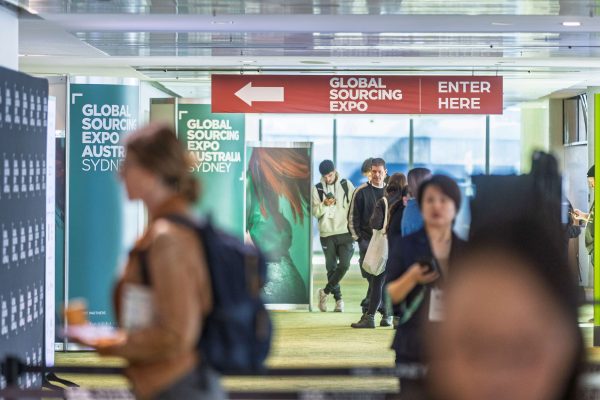
The Global Sourcing Expo Sydney 2026 has officially concluded, marking a watershed moment for Australia’s textile and apparel trade sector. Held at the International Convention Centre (ICC) Sydney from June 16–18, the event recorded a remarkable 20 per cent growth in attendance compared to 2025, welcoming more than 6,500 industry professionals. This uptick underscores a resurgent demand for face-to-face engagement in an increasingly complex and shifting global supply chain.
Bridging international markets and local innovation
The three-day exhibition hosted manufacturers and suppliers from over 20 countries, cementing its status as Australia's premier sourcing platform. By operating alongside the China Clothing Textiles Accessories Expo, the event provided a holistic ecosystem for wholesalers, major retailers, and emerging fashion labels to evaluate materials and negotiate terms firsthand. In an era where digital reliance often masks logistical volatility, the ability for buyers to physically inspect fabrics and establish personal trust with global partners proved to be the expo’s most significant value proposition. Attendees noted that the event allowed them to accomplish in mere hours what typically requires weeks of digital communication, offering a vital competitive advantage for businesses aiming to optimize their sourcing strategies.
Education as a catalyst for industry leadership
Beyond the exhibition floor, the 2026 edition distinguished itself through a robust educational mandate. The Global Sourcing Seminars, emceed by fashion journalist Patty Huntington, became a focal point for attendees seeking insights into AI integration, sustainable manufacturing, and ethical supply chain management. A notable debut, the ‘Learning Lab,’ served as an interactive hub for practical, bite-sized sessions that addressed the immediate pain points of sourcing professionals. Furthermore, the ‘Global Sourcing Summit Masterclass,’ led by expert Jude Kingston, offered a strategic blueprint for both startups and established entities. Participants highlighted that these sessions, particularly the guidance on navigating the transition from concept to commercial success, provided the confidence needed to scale operations while minimizing costly operational errors.
Sustaining momentum toward Melbourne
The success of the Sydney edition has set a high bar for the upcoming Global Sourcing Expo Melbourne, scheduled for November 17–19, 2026, at the Melbourne Convention & Exhibition Centre. As the industry pivots toward more resilient sourcing models, the Melbourne event is expected to build on the Sydney momentum by offering expanded supplier representation and further refined educational programs. With the Australian retail landscape continuously evolving, these biannual gatherings have become indispensable for professionals aiming to harmonize international manufacturing capabilities with the local market's quality and sustainability standards. The high engagement levels observed in Sydney signal a confident outlook for the remainder of the year, as businesses continue to leverage these platforms to secure their supply chains against ongoing global uncertainties.
Bharat Tex 2026: Setting the global standard for textile commerce and innovation

As the industry prepares for a major milestone, Bharat Tex 2026 is set to strengthen its position as the premier global gathering for the textile and apparel sector. Scheduled to be held from July 14 to 17 at the Bharat Mandapam in New Delhi, the third edition of this expansive exhibition promises to be a catalyst for international trade, investment, and strategic cross-border partnerships.
Orchestrated by the Bharat Tex Trade Federation - a powerful consortium of Textile Export Promotion Councils and key industry bodies - in collaboration with the Ministry of Textiles, the event serves as a comprehensive platform for the entire textile ecosystem.
The scale of the 2026 event is historic. Occupying 1.6 million sq ft of exhibition space, Bharat Tex will host over 1,600 exhibitors who will showcase a vast array of products, ranging from raw fibers and yarns to finished apparel, sophisticated home textiles, and high-performance technical textiles. Organizers anticipate a massive turnout, projecting attendance from over 7,000 global buyers and approximately 130,000 trade visitors, underscoring the vital role India continues to play in the global supply chain.
Bridging policy, technology, and sustainable growth
Beyond mere product displays, Bharat Tex 2026 is designed as a think tank for the future of garment manufacturing. The exhibition will feature an intensive schedule of over 100 knowledge sessions, encompassing expert-led masterclasses, strategic roundtables, and high-level panel discussions. These sessions are slated to tackle the most pressing challenges and opportunities facing the sector, including technological integration, sustainable supply chain management, evolving fashion trends, and the impact of national trade policies. With more than 350 distinguished speakers from over 20 countries, the event will offer unparalleled insight into the innovation driving the industry forward.
The event’s professional architecture is geared toward tangible business outcomes. The organizers have structured the four-day program to facilitate roughly 3,500 business-to-business (B2B) meetings and more than 100 business-to-government (B2G) engagements. These structured interactions are expected to culminate in the signing of over 20 memoranda of understanding (MoUs), providing a formal framework for future investment, collaborative technology transfers, and shared sustainability initiatives.
Elevating the Indian textile ecosystem
Bharat Tex 2026 provides a strategic stage for domestic states to broadcast their manufacturing capabilities to an international audience. With eight states participating as primary sponsors and nine additional states and Union Territories showcasing their regional textile ecosystems, the exhibition highlights the geographic diversity of India’s production strength. Furthermore, the event maintains a truly global perspective, welcoming delegations and exhibitors from 14 countries, which ensures a diverse exchange of market intelligence.
To maximize efficiency, the event is utilizing advanced digital tools, including a dedicated Bharat Tex mobile application and a pre-fair directory designed to streamline exhibitor discovery and business matchmaking. Highlighting the industry's commitment to excellence, the CITI Textile Sustainability Awards 2026 will also take center stage, recognizing pioneers who are successfully balancing industrial growth with environmental stewardship. As the industry looks toward the future, Bharat Tex 2026 stands as the definitive intersection of policy, commerce, and innovation.
Promoting India’s textile prowess globally
Bharat Tex is the flagship initiative of the Bharat Tex Trade Federation, an industry-led consortium supported by the Ministry of Textiles. The organization promotes India’s textile prowess globally, facilitating investment, sustainable development, and trade partnerships across the entire apparel and technical textile value chain.
A cooling period for the Turkish apparel sector as export contract in 5MFY2026
The Turkish apparel industry is undergoing a significant cooling period as exports declined by7 4.6 per cent during the first five months of 2026. This downward trajectory reflects a broader cooling of global demand, particularly within the European Union, which traditionally accounts for the vast majority of Turkish shipments. Industry data from the Turkish Statistical Institute indicates, while the sector saw a fleeting recovery in April, the overall five-month volume for knitted and woven apparel declined to US$ 7.59 billion. Manufacturers are currently grappling with leaner order books as global fashion brands maintain cautious inventory strategies to mitigate economic volatility, directly impascting production cycles in major hubs like Istanbul and Bursa.
Operational challenges and strategic shifts
Beyond the cyclical weakness in demand, Turkish producers face persistent headwinds from escalating production costs, including elevated energy and labor expenditures. These factors have eroded the nation’s price competitiveness against lower-cost sourcing destinations such as Bangladesh, Vietnam, and Egypt.
Burak Özdemir, Industry Analyst, Istanbul Textile and Apparel Exporters’ Association notes, the sector is at a critical juncture where relying on traditional mass-market volume is no longer a viable path to growth. We are witnessing a decisive shift toward high-value, small-batch, and sustainable production to defend our position in a premium-focused European market. To maintain operational viability, firms are intensifying their investments in automation and digital monitoring systems, aiming to enhance productivity and reduce resource consumption as the industry prepares for tighter environmental regulations.
Türkiye maintains one of the world's most robust, vertically integrated textile ecosystems, with an annual capacity exceeding 2.5 billion garment pieces. The sector prioritizes high-quality knitwear and technical textiles for markets in Europe, the US, and North Africa, increasingly leveraging sustainability as a key competitive differentiator in 2026.
StockX transitions to multi-experience resale model with peer-to-peer listings
Global marketplace for current culture, Stockx has fundamentally evolved its business model by launching ‘StockX Listings,’ a new peer-to-peer marketplace feature that permits the sale of pre-owned sneakers and vintage apparel. This strategic expansion marks a significant departure from the company’s decade-long reliance on a strictly verified, ‘deadstock-only’ catalogue. By introducing a listings-based experience, the platform aims to capture a larger share of the burgeoning secondary market - a sector increasingly defined by the cyclical lifecycle of ‘buy, wear, and resell.’ This move directly addresses shifting consumer behaviors, as younger demographics prioritize accessibility and circularity over the exclusivity of unworn products.
Technological integration and market dynamics
To support this high-velocity resale ecosystem, StockX has deployed proprietary AI-powered photo analysis and auto-matching tools. These systems allow sellers to list items in seconds by identifying products and pre-filling technical specifications. From a competitive standpoint, the platform is incentivizing user adoption by waiving seller fees at launch, providing a distinct cost advantage over incumbents like eBay and Depop. Greg Schwartz, CEO, StockX, states, the initiative is designed to meet the community ‘where they are today,’ providing a unified experience that blends new and used pricing data. The company is simultaneously preparing to launch ‘StockX Live,’ an interactive shopping feature, further cementing its ambition to serve as a comprehensive destination for the entire product lifecycle.
StockX is a Detroit-based global marketplace for high-demand consumer goods, including sneakers, apparel, collectibles, and electronics. It utilizes dynamic pricing and market data to facilitate secure transactions. While traditionally focused on brand-new, verified luxury and streetwear items, the company is now expanding into comprehensive secondhand and vintage retail.
Chanel secures strategic future for iconic shirtmaker Charvet
Chanel has officially acquired the storied Parisian shirtmaker Charvet, marking a significant consolidation within the French luxury sector. Announced on July 2, 2026, the deal brings the 188-year-old maison under the Chanel umbrella, effectively ending nearly two centuries of independent family ownership by the Colban family. While financial terms remain undisclosed, analysts estimate the value of the acquisition - which includes Charvet’s headquarters on Place Vendôme and its sole production workshop in Saint-Gaultier - at approximately €100 million. This transaction serves as a deliberate move by Chanel to internalize rare manufacturing expertise and secure its foothold in the growing high-end menswear and gender-agnostic apparel market.
Integrating artisanal excellence
The acquisition follows a successful creative dialogue between Chanel’s artistic director, Matthieu Blazy, and the Charvet atelier. Blazy’s integration of Charvet’s signature shirting into his Spring/Summer 2026 debut collection acted as a catalyst for the deal, demonstrating a seamless alignment in aesthetic discipline and technical rigor. Rather than folding Charvet into its existing network of ‘Métiers d’Art’ specialized ateliers, Chanel intends to operate the company as a standalone business. This approach is designed to maintain Charvet’s exclusivity and independence, allowing the maison to continue its bespoke services while benefiting from Chanel’s institutional support to preserve its unique manufacturing traditions and specialized craft.
Addressing evolving luxury consumption
For Chanel, the investment reflects a shift toward catering to a broader, gender-inclusive consumer base. Bruno Pavlovsky, President, Chanel-Fashion Division, notes, the house sees an increasing appetite for high-craft menswear and gender-agnostic tailoring. By maintaining Charvet’s identity as a premier house for men while simultaneously fostering its growing women’s bespoke business, Chanel is effectively diversifying its portfolio beyond its traditional female-centric core. As the global luxury market recalibrates after recent industry-wide downturns, this acquisition positions Chanel to capitalize on a renewed consumer preference for quiet luxury - prioritizing the longevity, artisanal precision, and understated sophistication that both houses exemplify.
Founded in 1838, Charvet is the world's oldest specialist shirtmaker, renowned for bespoke shirts, ties, and silk accessories. Headquartered on Place Vendôme in Paris, it serves a global clientele through its exclusive boutique. It focuses on hand-finished tailoring and traditional manufacturing, recently diversifying into high-end casual wear and footwear.
Global price parity stalls gains from India's cotton duty waiver
According to Indian textile mills, the government's temporary suspension of the 11 per cent cotton import duty, effective until October 30, 2026, provides minimal financial relief. While the waiver was designed to moderate raw material costs and enhance the global competitiveness of Indian apparel manufacturers, current market data from the Cotton Association of India (CAI) indicates, domestic and international cotton prices have reached a near-parity.
Market dynamics and procurement shifts
For the week ending June 26, 2026, the domestic ICS 105 benchmark averaged 79.50 US cents per pound, while the international Cotlook A Index stood at 80.00 US cents per pound. This razor-thin margin of 0.50 cents - approximately Rs 400 per candy - is effectively neutralized by the additional costs of freight, port handling, insurance, and inland logistics associated with foreign sourcing. Consequently, textile manufacturers are shifting their focus away from chasing marginal price advantages. Leading spinning units and yarn producers are now prioritizing fiber quality, long-term supply reliability, and precise delivery schedules to ensure consistent production cycles for international apparel brands, rather than attempting to source cheaper imported raw material.
Sector outlook and resilience
The industry’s strategic redirection highlights a focus on operational stability in a volatile global trade environment. Although the government’s policy move sought to bridge the cost gap between Indian manufacturers and competitors in countries like Vietnam and Bangladesh - who have long benefited from duty-free cotton access - market realities have curbed the anticipated impact. Despite this, the textile value chain continues to invest in industrial clusters to mitigate logistics constraints and meet the high-frequency delivery demands of global retailers. As the sector moves into the latter half of the year, mills are increasingly reliant on internal efficiencies and specialized fiber procurement to sustain export performance amidst ongoing shifts in global supply chains.
Acting as the primary national trade body for the cotton value chain, the Cotton Association of India publishes critical data on crop pressing, domestic consumption, and import-export estimates. The organization facilitates fiber quality standardization and arbitration, serving as a vital authority for growers, traders, and textile mills nationwide.
Indian hits milestone apparel exports to EU in FY25-26
Indian apparel exports to the European Union reached a record-breaking US$4.66 billion in FY25–26, reflecting a significant expansion in the country's footprint within the premium European retail market. This achievement represents a steady 8 per cent increase over the previous fiscal period, driven largely by the Indian textile industry's intensified focus on high-value, sustainable, and compliant manufacturing. As European brands actively diversify their sourcing portfolios to mitigate reliance on traditional manufacturing hubs, India has positioned itself as a primary strategic partner capable of meeting stringent environmental and social governance standards.
Driving value through ESG compliance
The sector's growth is attributed to the adoption of advanced, traceable manufacturing processes that align with the EU's Ecodesign for Sustainable Products Regulation (ESPR). Apparel exporters are increasingly investing in Digital Product Passport infrastructure, a move that has enhanced buyer confidence and facilitated deeper integration into the value chains of major European fashion conglomerates. AEPC leadership noted that the sustained shift toward premium product segments - such as high-performance technical textiles and organic cotton garments - has enabled Indian exporters to capture better margins, effectively moving beyond the volume-based competition that historically defined the sector.
Overcoming logistics and trade volatility
Despite the record figures, the industry continues to navigate significant obstacles, particularly rising freight surcharges and liquidity constraints resulting from regional instability in West Asia. While export performance remains strong, manufacturers are scaling their investment in local regional clusters and integrated parks to shorten lead times and enhance operational flexibility. By focusing on high-frequency, smaller-batch production runs, Indian exporters are meeting the speed-to-market demands of European retailers, ensuring that the country remains a resilient node in the global trade network through H2, FY26.
A critical pillar of the national economy
India’s apparel export industry is a critical pillar of the national economy, specializing in diverse categories ranging from cotton-based fashion to technical textiles. With major markets in the US, EU, and UK, the sector focuses on scaling sustainable production, fostering industrial cluster development, and enhancing global trade compliance.