FW
REDEMPTIVE by Wilson Choi shines at CENTRESTAGE Hong Kong 2023
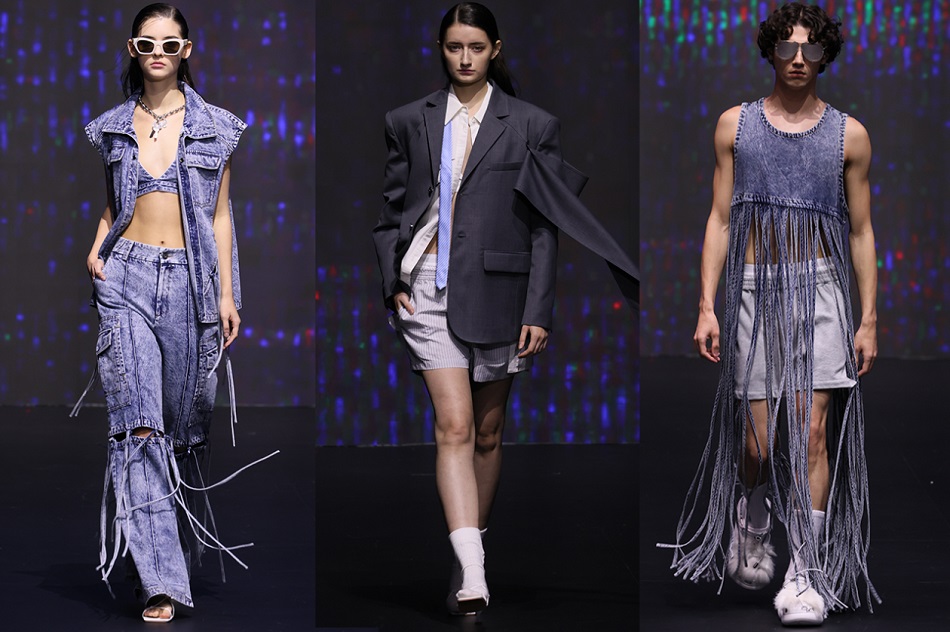
Hong Kong's own fashion sensation, REDEMPTIVE, by designer Wilson Choi took the spotlight at CENTRESTAGE Hong Kong 2023, unveiling its latest collection that seamlessly blended street style with sustainability. This vibrant collection featured an array of ready-to-wear apparel and accessories that not only exuded style but also championed environmental responsibility.
REDEMPTIVE's commitment to sustainability was evident in the materials used throughout the collection. From organic cotton to recycled polyester, the brand embraced eco-consciousness in its designs. Moreover, the collection showcased upcycled pieces, breathing new life into existing garments and setting a remarkable example of sustainable fashion.
One notable aspect of REDEMPTIVE's collection was its inclusivity. It catered to diverse sizes and styles, designed to be a universal fit for individuals of all genders and body types. This commitment to inclusivity resonated deeply with the audience.
CENTRESTAGE Hong Kong marked a pivotal moment in REDEMPTIVE's journey. As one of Asia's premier fashion events, it offered the perfect stage for the brand to captivate a global audience with its innovative and sustainable designs.
Critics and consumers alike showered praise on REDEMPTIVE's collection. The brand's dedication to sustainability and inclusivity earned accolades, solidifying its position as a frontrunner in sustainable fashion in Asia.
A Brand with a Purpose
Founded by Wilson Choi in 2018, REDEMPTIVE is more than just a fashion brand; it's a mission-driven endeavor. Inspired by his upbringing in a modest family, Choi set out to create a fashion brand that would be accessible to individuals from all walks of life, regardless of their income.
Sustainability lies at the heart of REDEMPTIVE's ethos. The brand utilizes a range of sustainable materials, from organic cotton to Tencel, and maintains partnerships with fair trade and ethical suppliers. Further, REDEMPTIVE employs water-saving and energy-efficient production methods, aiming to minimize its environmental footprint.
Beyond sustainability, REDEMPTIVE is socially responsible. The brand actively employs individuals from marginalized groups and donates a portion of its profits to charities supporting these communities. REDEMPTIVE strives to leave a positive imprint on the world, with fashion serving as just one avenue to achieve this goal.
REDEMPTIVE's Triumph at CENTRESTAGE Hong Kong 2023
At CENTRESTAGE Hong Kong 2023, REDEMPTIVE showcased a collection inspired by the theme of "redemption." This captivating collection featured a range of pieces crafted from recycled materials, such as denim jackets and tote bags, symbolizing the brand's commitment to a sustainable future.
REDEMPTIVE's participation at CENTRESTAGE garnered widespread acclaim. Visitors marveled at the brand's dedication to sustainability and social responsibility, recognizing the impact of REDEMPTIVE's mission.
CENTRESTAGE 2023: Fashion's sustainable future takes center stage

As the curtains fell on the 2023 edition of CENTRESTAGE, Asia's premier fashion event, a sense of accomplishment and innovation permeated the air. The four-day extravaganza had not only showcased the latest in ready-to-wear apparel and accessories but had also emphasized sustainability as a cornerstone of the fashion industry's future.
The emphasis on sustainability at CENTRESTAGE 2023 represents a positive step forward for the fashion industry. It underscores the industry's increasing awareness of its environmental and social responsibilities. Additionally, it reflects the growing demand for sustainable fashion among consumers.
The fashion industry is a significant contributor to global environmental issues, accounting for 10% of carbon emissions, 20% of wastewater, and 25% of landfill waste. The spotlight on sustainability is essential to reduce this impact.
Sustainability initiatives in fashion not only reduce the industry's carbon footprint but also enhance the working conditions of garment workers, who often face low wages and unsafe environments. By supporting sustainable brands, consumers can contribute to improving the lives of these workers.
CENTRESTAGE 2023 was a dynamic celebration of fashion, featuring over 240 brands and designer labels from 15 countries and regions. Its global appeal attracted fashion enthusiasts and industry professionals from around the world. Among the standout moments was the Fashion Hong Kong Runway Show, which prominently championed "sustainable fashion" as its central theme. Leading the way were designers such as DEMO, Children of the discordance, and FETICO, renowned for their unwavering commitment to sustainability.
CENTRESTAGE went beyond the runway, offering a plethora of engaging events, including seminars, workshops, and networking sessions. These platforms not only served as a learning ground for industry insiders but also facilitated valuable connections.
The 2023 edition of CENTRESTAGE proved to be a resounding success, garnering positive feedback from both exhibitors and attendees alike. The event holds a pivotal role in fostering the development of the fashion industry in Hong Kong and Asia, acting as a launchpad for brands and designers to showcase their work and connect with potential collaborators.
Emphasis on Sustainable Fashion
A noteworthy takeaway from the event was the prominent focus on sustainable fashion. Many of the participating brands and designers demonstrated their commitment to environmentally conscious practices. This shift toward sustainability is pivotal, underscoring the industry's evolving awareness of its environmental footprint.
The sustainability aspect displayed by exhibitors at CENTRESTAGE 2023 was impressive and reflects the industry's growing commitment to sustainability. Some exhibitors showcased their dedication in the following ways:
• DEMO: This Hong Kong brand wowed attendees with a collection crafted from recycled materials, including ocean plastic and post-consumer waste. Their manufacturing practices included waterless dyeing and zero-waste cutting.
• Children of the discordance: Known for their innovative designs, this Hong Kong brand incorporated sustainable materials like organic cotton and recycled polyester. Their commitment extended to water-based and non-toxic inks for prints.
• FETICO: Making its Hong Kong debut, this Japanese brand displayed a strong sustainability ethos. They utilized sustainable materials, such as organic cotton and recycled polyester, while ensuring their manufacturing processes were certified by reputable organizations like the Global Organic Textile Standard (GOTS) and the Fair Labor Association (FLA).
The event went beyond materials and processes, as exhibitors incorporated sustainability into their messaging and branding. For instance, Hong Kong's V&A drew inspiration from nature and sustainability in both their collection and branding.
The resounding focus on sustainability at CENTRESTAGE 2023 is a welcomed development for the fashion industry. It indicates a growing awareness among designers, brands, and consumers about fashion's environmental impact. Furthermore, it reinforces the idea that sustainable fashion can be stylish, innovative, and responsible.
Emi Funayama, her brand FETICO make mark at CENTRESTAGE Hong Kong

Japanese fashion designer Emi Funayama and her brand FETICO made their Hong Kong debut at CENTRESTAGE 2023, Asia's leading fashion event. The brand was featured in the CENTRESTAGE ELITES show, which showcases the work of emerging designers from around the world.
Funayama's collection for FETICO was inspired by her own personal style and her love of vintage fashion. The collection featured a variety of classic silhouettes, such as A-line skirts and wrap dresses, in bold colors and prints. Funayama also used sustainable materials in her collection, such as organic cotton and recycled polyester.
The FETICO collection was well-received by critics and fashionistas alike. Funayama was praised for her unique aesthetic and her commitment to sustainability.
In an interview, Funayama said that she was excited to bring her brand to Hong Kong. "Hong Kong is a very fashion-forward city and I think my brand will resonate with the people here," she said. "I'm also impressed by the commitment to sustainability in the Hong Kong fashion industry. I think it's important for designers to be mindful of the environmental impact of their work."
Funayama's presence at CENTRESTAGE Hong Kong is a sign of the growing interest in Japanese fashion in Asia. Japanese designers are known for their innovative designs and their use of high-quality materials. Funayama's success at CENTSTAGE is likely to pave the way for other Japanese designers to showcase their work in Hong Kong and other Asian markets.
Emi Funayama and her brand FETICO are well-regarded in the fashion industry. Funayama is known for her unique aesthetic, which blends classic silhouettes with bold colors and prints. She is also committed to sustainability, using organic cotton and recycled polyester in her collections.
Funayama's presence at CENTRESTAGE Hong Kong was met with excitement from critics and fashionistas alike. Her collection was praised for its originality and sustainability.
‘AI x Fashion Reimagined’ at Centrestage Hong Kong
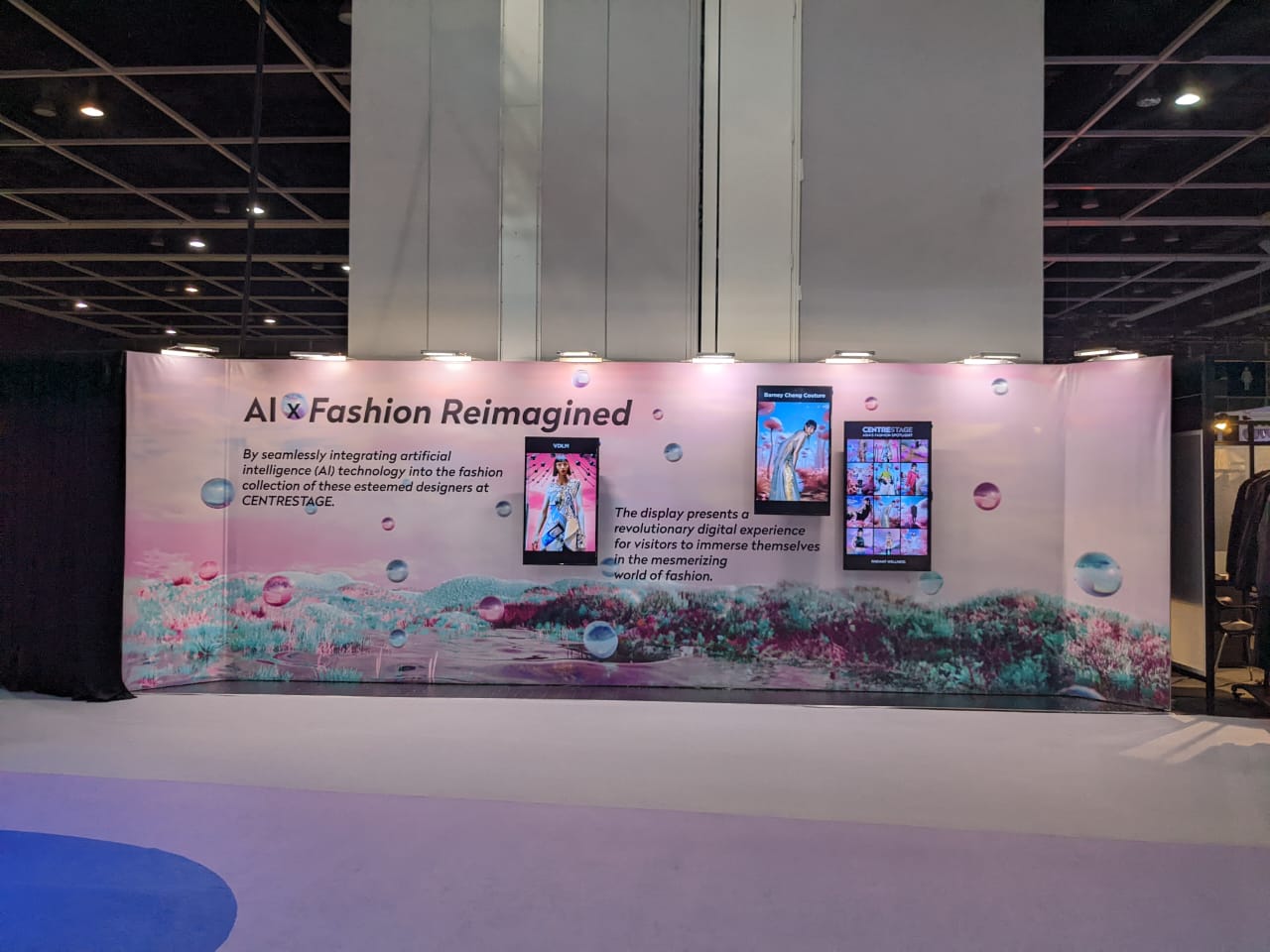
The 2023 edition of Centrestage Hong Kong, Asia's leading fashion event, featured a special section titled "AI x Fashion Reimagined." This section showcased how artificial intelligence (AI) is being used to transform the fashion industry.
One of the most notable exhibits in the "AI x Fashion Reimagined" section was the "Virtual Fashion" exhibit. This exhibit featured a number of virtual garments that were created using AI. The garments were displayed on virtual models, and visitors to the exhibit could interact with them using VR headsets.
Another exhibit in the "AI x Fashion Reimagined" section focused on the use of AI in fashion design. This exhibit featured a number of examples of how AI is being used to generate new and innovative fashion designs. For example, one of the exhibits showed how AI is being used to create designs that are tailored to the individual needs and preferences of each customer.
In addition to the exhibits, there were also a number of talks and workshops on AI and fashion at Centrestage. These events covered a wide range of topics, such as the use of AI in fashion design, production, and retail.
The "AI x Fashion Reimagined" section at Centrestage Hong Kong was a success, and it helped to raise awareness of the many ways in which AI is being used to transform the fashion industry. AI is already having a major impact on the fashion industry, and its importance is only going to grow in the future.
The future of AI in fashion
AI is being used to transform the fashion industry in a number of ways. For example, AI is being used to, Generate new and innovative fashion designs, Create designs that are tailored to the individual needs and preferences of each customer, Improve the efficiency of fashion production, Reduce the environmental impact of the fashion industry AND Combat counterfeiting
As AI continues to develop, it is likely to have an even greater impact on the fashion industry. For example, AI could eventually be used to create custom-made clothes that are perfectly tailored to each individual. AI could also be used to develop new sustainable fashion materials and production methods.
The future of AI in fashion is bright, and it is exciting to see how this technology will continue to transform the industry in the years to come.
IAF launches 'Gateway to Europe' boosting global fashion exports
The International Apparel Federation (IAF) has unveiled an innovative export support solution, 'Gateway to Europe,' designed to streamline and enhance the global fashion export process. This comprehensive service covers marketing and sales, logistics and fulfillment, customs and VAT, financial organization, and compliance with regulations.
Fashion exportation across continents is a multifaceted challenge, requiring expertise in marketing, agent and distributor selection, timely product delivery, and cost-effective fiscal management amidst a complex legal landscape. 'Gateway to Europe' addresses these hurdles by leveraging a network of industry specialists chosen for their track records and fashion industry focus.
One unique aspect of this initiative is its alignment with IAF's global industry association members. Powered by Greenway Logistics, 'Gateway to Europe' presents an invaluable resource for associations to enrich their memberships. National fashion industry associations can collaborate with 'Gateway to Europe' to offer a plug-and-play export service to their members, greatly increasing their chances of success.
This initiative empowers fashion and sports industry associations to facilitate business expansion for their members. To kick off, 'Gateway to Europe' will host a webinar for members of the Canadian Apparel Federation, with plans to extend its services to other non-EU countries in the near future.
TMAS to showcase Swedish Textile Machinery innovations at ITMA Asia + CITME 2023
Key members of the Swedish Textile Machinery Association (TMAS) are set to participate in the upcoming ITMA Asia + CITME exhibition, scheduled from November 19-23, 2023, at the National Exhibition and Convention Centre in Shanghai, China. With robust support from TMAS representatives, local staff, and agents, this event emphasizes the significance of China as a global textile manufacturing powerhouse.
TMAS secretary general Therese Premler-Andersson expressed optimism regarding China's recovery from the pandemic, highlighting its massive domestic market and advanced infrastructure. Despite competition from neighboring countries like Vietnam and India, China's advantages remain prominent, with its factories offering a comprehensive range of garment industry products.
In weaving, TMAS members like Vandewiele Sweden AB and Eltex are addressing a substantial market, primarily in Asia. Vandewiele Sweden AB leverages its expertise to supply weft yarn feeding and tension control units, enhancing productivity in weaving looms. Eltex, with nearly 70 years of yarn sensor technology experience, introduces intelligent solutions that monitor yarn and sewing thread tension, contributing to product quality and safety.
TMAS also emphasizes the role of digitalization, automation, and AI in sustainable textile industry advancements. Members are actively replacing water and energy-intensive dyeing and finishing technologies with innovative digital alternatives. For instance, Baldwin's TexCoat G4 spray technology reduces water, chemical, and energy consumption, aligning with government incentives to promote eco-friendly practices.
TMAS envisions fruitful discussions at ITMA Asia + CITME, supporting China's transition towards more sustainable textile manufacturing processes.
CENTRESTAGE, HK Pavneet Kaur, India wins People's Choice at the Redress Design Award 2023
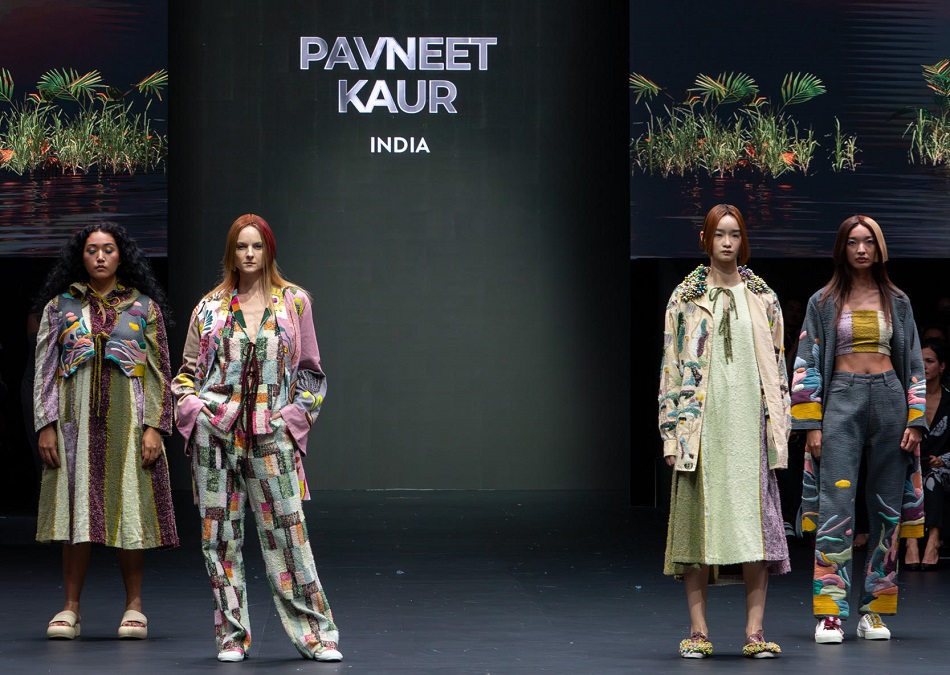
Starting her journey from a small town in UP in India, Pavneet Kaur, to become the People's Choice winner at the Redress Design Award 2023 at Centrestage, Hong Kong.
In the midst of the COVID-19 pandemic, in a small town in Uttar Pradesh, India, a young designer's journey into the world of sustainable fashion took flight. Pavneet Kaur, a 25-year-old creative visionary, stumbled upon a treasure trove of discarded turbans, traditionally worn by Sikh men, hidden away in her father's wardrobe. Little did she know that this humble discovery would serve as the spark for a remarkable odyssey that would lead her to become the People's Choice winner at the Redress Design Award 2023.
Pavneet's story is a testament to her unwavering commitment to sustainability, creativity, and her ability to transform the ordinary into the extraordinary. From her early days of collecting discarded turbans to her groundbreaking collection 'EUTOPIA,' inspired by the solarpunk movement, she has left an indelible mark on the fashion world. This is the tale of a designer who challenged tradition with innovation, made sustainability her core mission, and inspired a global audience with her passion and creativity. Join us as we delve into Pavneet Kaur's extraordinary journey into the heart of sustainable fashion.
The Humble Beginnings
Pavneet Kaur's journey into sustainable fashion started in the midst of the COVID-19 pandemic. In her hometown in Uttar Pradesh, she stumbled upon a trove of discarded turbans, traditionally worn by Sikh men. These vibrant textiles, hidden away in her father's wardrobe, became the catalyst for her remarkable journey.
EUTOPIA - A Vision of Sustainability
Inspired by the solarpunk movement, Pavneet conceived 'EUTOPIA.' Her collection embodied a vision of a bright and ecological future. It featured a dazzling color palette, including neon green, orange, yellow, and pink, symbolizing her optimism for the world of sustainable fashion.
Transforming Turbans into Timeless Designs
Pavneet's creative genius transformed discarded turbans into timeless and oversized silhouettes. Her collection boasted dresses, shirts, and jackets designed to cater to all ages and sizes. These turbans, crafted from cotton and silk, underwent meticulous upcycling using innovative techniques like patchwork and appliqué, ensuring they were not only aesthetically pleasing but also sustainable.
Sustainability at its Core
Beyond aesthetics, Pavneet's collection had a profound impact on her local community in India. She aimed to provide fair employment opportunities to local expert artisans while preserving India's rich arts and crafts heritage. Her work was a testament to her dedication to sustainability and reimagining fashion's role in creating positive change.
Challenging Tradition with Innovation
Pavneet was passionate about working with waste materials and exploring innovative design solutions. Her mission was to challenge traditional fashion practices and inspire a more conscious approach to fashion consumption. Her dedication was evident in every piece she created.
The People's Choice Winner
Pavneet's commitment to sustainability earned her the People's Choice Award at the Redress Design Award. Her journey with the competition was filled with circular challenges, factory tours, and mentorship from industry leaders. She even secured a $2000 prize for winning a sustainable packaging challenge.
Mentorship and Recognition
Throughout her journey, Pavneet had the opportunity to interact with renowned mentors like Orsollad Castro, co-founder of Fashion Revolution. Their guidance and mentorship provided invaluable insights, helping Pavneet take her brand to the next level.
A Testament to Passion and Creativity
Pavneet's journey, from collecting discarded turbans to becoming the People's Choice winner at the Redress Design Award, was a testament to her passion, creativity, and unwavering commitment to driving sustainability in the fashion industry. Her story served as an inspiration to aspiring designers and fashion enthusiasts worldwide, demonstrating that with vision and determination, one could make a profound impact on the world of fashion and contribute to a more sustainable future.
High-tech textile staples propels growth in global apparel industry: Study

Past mid-2023, there is a clear indication that the Indian textile industry is brushing off all setbacks and coursing a revival path. Traditionally the global textile manufacturing segment has traditionally been associated with China, US, the EU collective of France, Germany, Italy, Spain and Portugal. India, Bangladesh and many other countries within the ASEAN group like Cambodia, Thailand, Vietnam, Myanmar, and the Philippines are emerging strong, with China’s hold over the segment being in jeopardy post-pandemic.
Growing demand for sustainable and eco-friendly staple fibers like cotton, jute, and wool in the post-pandemic years are now fiercely competing with synthetic staple fibers like viscous rayon and polyester. Indeed, cotton has remained the most popular among all fibres -- although prohibitively expensive as compared to the others -- due to its multipurpose fiber qualities like cooling, absorption, and softness for summer clothing. Sheep wool with its insulating attributes also remains popular in the production of knitted warm clothing and sweaters.
Textile staples demand to reach $290.6 billion by 2033
A recent study by Future Market Insights (FMI) on the ‘Textile Staples Market (2023-2033)’ of synthetic and natural fibers shows positive growth with the the global textile staples market valued at $170.1 billion in 2023, with sales projected to increase at 5.5 per cent CAGR over the 10-year forecast period. The increased demand for textile staples in various related industries, such as apparel, general and leisure, sportswear, and interior flooring and other segments, is anticipated to reach $290.6 billion in the next decade by 2033. This is indeed a great jump from $161.2 billion in 2022 with a 4.2 per cent CAGR growth from 2018 to 2022.
The value of textile stocks has shot up in bourses and many Indian top-performers such as Trident, AlokInd, KPR Mills, Gokaldas, Welspun, Raymond, Vardhaman Textiles HimatsingkaSeide and Arvind among others are seeing a windfall as their profits catapult to greater highs.
Technical textiles an emerging substitute
The FMI report states not just in India but the entire South and East Asia will be the most lucrative regions for textile staples manufacturers, due to flourishing textile industry and cost-effective raw materials across India, China and South Korea. The US market is also expected to do well with a greater value share of 13.2 per cent in the global market during the 10- year period, as textile manufacturer’s shift from producing basic commodity goods to specialized products such as technical textiles which are substituting conventional fabrics, and even non-fiber materials, such as metals.
Despite all odds, China will continue to be prominent producer and consumer of textile staples globally holding around 70 per cent of the total share in East Asia with a CAGR growth of 6.3 per cent in the global market by 2033. Textile staples, including polyester, cotton, and cellulosic, are bring increasingly used frequently to alter yarn properties and make it more high-tech and they are even finding a market in global construction and industrial sectors.
Brushing aside strong headwinds such as the Covid pandemic, global recessionary trends and volatility in raw material prices, the global textile staples is poised towards significant growth due to rising demand from emerging economies and for home and medical textiles and eco-friendly sustainable textiles.
Sustainable Creativity: Filo & C.L.A.S.S. offer guidance
The textile industry is facing a challenge to become more sustainable and responsible. However, companies often don't know how to navigate the complex world of sustainability.
Filo, a textile yarn show, and C.L.A.S.S., an international eco-hub, have partnered to offer a new service called "Sustainability from A to Z" to help companies on their journey towards sustainability.
The service will provide companies with information and guidance on a variety of topics, including:
• How to integrate sustainability into a business plan
• Certifications
• Measuring environmental impacts and end-of-life assessments
• Ethics
• Energy savings
• Responsible innovation
• New generation communication
• Sustainability reports
"By the word 'sustainability' we are referring to many different concepts," said Paolo Monfermoso, responsible for Filo. "For example, adherence to production models aware of the social and environmental impact, as well as the compliance with European and national regulations, in addition to the increasingly fundamental certifications. Not to mention those who call evident green washing practices 'sustainability'."
"Innovate in the textile industry without having a negative impact on people, environment, oceans, and animals is a complex task," said Giusy Bettoni, CEO of C.L.A.S.S. "It means knowing your impacts and having measured yourself and then knowing how to communicate them in the right way, so that we talk about 'measured' values and not about 'wish lists' and promises."
"That is why Filo and C.L.A.S.S. make themselves available to talk about strategies related to design, responsible innovation, and new generation communication, but through simple information. When we talk about sustainability, nothing has to be taken for granted or considered as ordinary, so that it is fundamental to create new generations values in line with contemporary consumers."
Filo 60th edition opens
The 60th edition of Filo, the Yarns and Fibers Exhibition, opens tomorrow, Wednesday 20 September 2023, at Allianz MiCo – Milan.
The undisputed protagonists of the 60th edition of Filo are the yarns, fibers, and materials proposed by the exhibiting companies, the result of careful research and passion of companies aware of their social and environmental responsibility.
Welcome Exhibition
Welcoming visitors and exhibitors to the fair is an exhibition, designed to underline the milestone of the sixty editions of Filo, which retraces in a lively and streamlined way the thirty years of activity of the Yarns and Fibers Exhibition.
Program
A rich program of meetings is also planned over the two days of the fair. The first is the opening ceremony set for Wednesday 20 September, at 10 am, entitled “Good, Healthy, Clean, Fair and Durable Textiles: Slow Fiber”. Guests of the event are Dario Casalini, founder of Slow Fiber and Barbara Nappini, president of Slow Food Italia.
Not to be missed during the two days of the fair, the dense calendar of events of the “Dialoghi di Confronto” (here the full program) dedicated to crucial themes for the textiles of today and tomorrow and which feature exceptional personalities of the textile industry.
Accessibility
Allianz MiCo Milan, the exhibition site chosen by Filo, is located in one of the most interesting places of the “new” Milan and it is easy accessible by using all means of transportation, from plane to train, from car to public transport.