FW
Brazil set to be fast fashion’s new love with brands increasing Latin American footprint

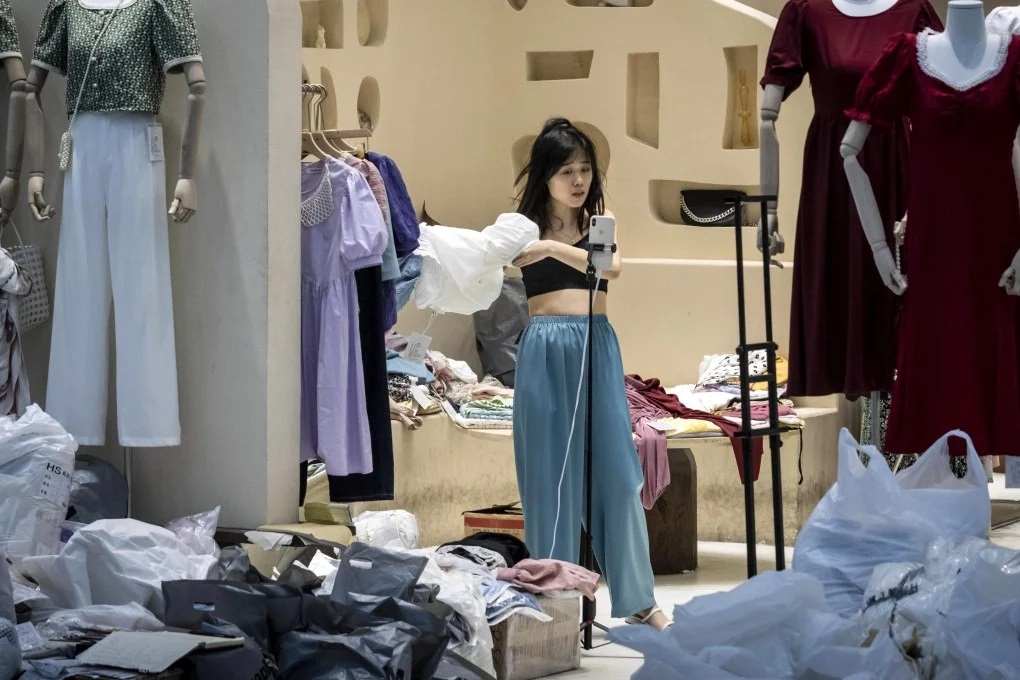
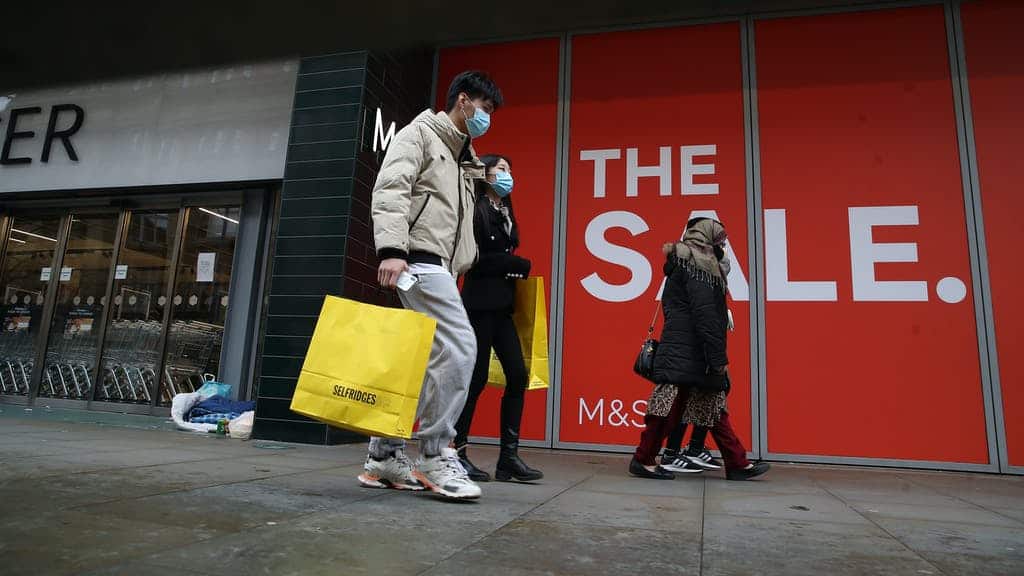
Sustainability overlooked fast fashion brands are playing to the galleries in Brazil with affordability and quick access as their trump cards. The real story according to ScienceDirect is that 65 per cent of Brazilians seek to buy generic products from sustainable companies, but they do not know if the clothing manufacturer is sustainable. It is also observed that the values spent on clothes do not seem to be related to the resulting ecological footprint. It is this situation that fast fashion brands find working for them in Brazil. As a nation, Brazil loves its fashion, and the affordability and access of fast fashion makes it an easy way into wardrobes.
C&A is the fast fashion retail leader
The biggest fashion retailer in the country is C&A. With a mix of physical and online retail, the chain has 300 stores in Brazil, located in over 125 cities across the country. In April 2019 in a first, the Dutch-owned company listed the shares of its Brazilian subsidiary in the country’s stock market. Aiming at boosting operations in the country, the IPO issuance met a lukewarm response from investors for inexplicable reasons and ever since, C&A stock continue to underperform in Brazil, despite being the leader of fashion retail in the country, offering one of the best online purchase support spread across the entire large landmass.
According to Statista, by the end of 2023, Brazil will be the 15th largest e-commerce market in the world. The Brazilian e-commerce market is expected to reach a value of $55.8 billion in 2023, up from $41.8 billion in 2022. In e-commerce, like in many countries, the fashion segment is the largest, accounting for one-fourth of total e-commerce sales in 2022. Amazon and MercadoLivre are the biggest online retailers, and that shows Brazil’s digital maturity not only in market size but also as an attractive new market for international retail brands.
Shein prefers Brazil as its Latin American hub
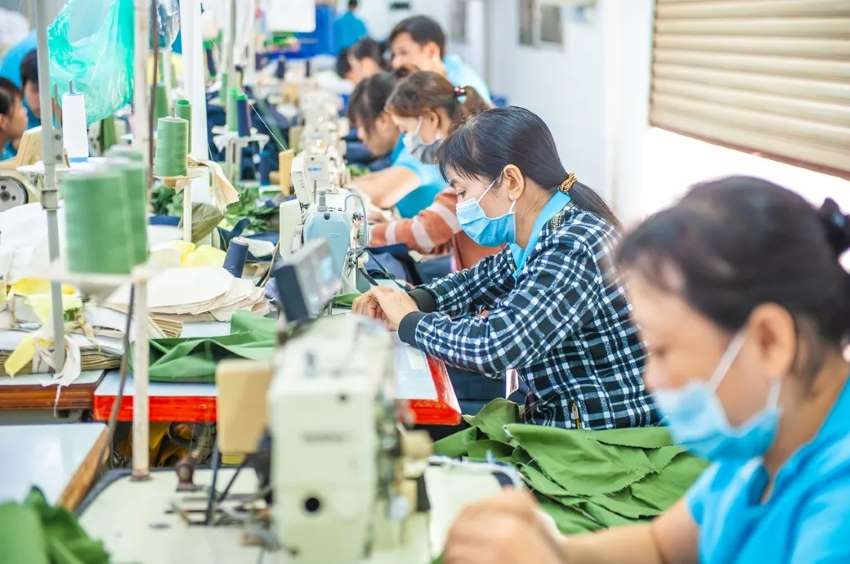
Chinese fast fashion retailer Shein is moving forward with its plan to establish Brazil as a manufacturing and export hub for the rest of Latin America. It expects by the end of 2026, about 85 per cent of its sales will be local, from both manufacturers and vendors. Marcelo Claure, Chairman of Shein in Latin America, has stated the brand’s Latin ambition – that key to Shein’s growth strategy -- is leveraging its global scale and operational excellence to support and contribute to local economies and eco-systems. Claure explained they have seen great success in Brazil since its launch in 2020. The increase in consumer demand came as an opportunity to localise more of the supply chain to benefit consumers, small businesses and the wider economy. Additionally, Shein launched a local marketplace with Brazilian third-party sellers supporting local small and medium entrepreneurs in 2022. The company will onboard 2,000 local manufacturers and create approximately 100,000 jobs by 2026 to support this strategy and produce Shein-branded products.
Similar to Shein, H&M has announced its entry into this football-loving nation in 2025 by opening stores in Sao Paolo and Rio Janeiro. Shein’s success in under three years and H&M announcing its debut, has shifted the spotlight on Brazil and has caught fancy in the eyes of many international apparel retail brands. These events are going to push the economy of the country further. Especially high amount of investment will lead to growth of many industries, and apparel being one of them will definitely progress.
Crocs wins Superbrands Status, Recognising its exceptional 'Branding Excellence'
Crocs, the internationally renowned footwear brand owned by Apparel Group, has won the prestigious Superbrands status. This award is a testament to Crocs' exceptional branding excellence, which has helped it to grow and exceed in the competitive market.
The Superbrands organization is a globally renowned independent authority and arbiter of branding brilliance. The Superbrands status is awarded to brands that have achieved exceptional levels of brand recognition, quality, and customer satisfaction.
Neeraj Teckchandani, CEO of Apparel Group, shared his strategic perspective on the recognition, stating, "Receiving this prestigious Award is both an honor and a valuable affirmation of our strategic commitment to excellence and innovation.
This recognition underscores our relentless pursuit of delivering unparalleled quality and value, reflecting the strength and resilience of our brand portfolio. I am immensely proud of our dedicated team, whose consistent efforts enhance our brand's reputation and strategically position us for continued growth and success in the competitive global market."
Crocs' exceptional branding excellence is evident in its unique ability to resonate with consumers. The brand offers products and experiences that stand out in the marketplace, and it has built a strong following among customers of all ages and backgrounds.
The Superbrands status is a significant achievement for Crocs and Apparel Group. It is a testament to their commitment to excellence and innovation, and their unique ability to connect with consumers.
Boston edition, Global Fashion Summit: Key highlights
Ambition to Action
The Global Fashion Summit: Boston Edition, held on September 27, 2023, convened hundreds of representatives from brands, retailers, NGOs, policy, manufacturers, and innovators to transform ambition into action. The Summit explored the 2023 editorial theme, ‘Ambition to Action’, while reflecting on and responding to what happened at Global Fashion Summit: Copenhagen Edition in June.
Highlights
Fashion CEO Agenda 2023: GFA published Fashion CEO Agenda 2023, a concise report to support the establishment and implementation of leadership strategies to achieve a net positive fashion sector.
GFA Designer Challenge 2023: GFA unveiled the latest response to the GFA Designer Challenge 2023, presented by Smiley. Julius Juul, Creative Director & Co-Founder, Heliot Emil, created an alliance with Upcycle Labs to showcase the possibilities of circular fashion.
GFA Policy Matrix: Americas: GFA launched the GFA Policy Matrix: Americas - a non-exhaustive document that encapsulates a wide array of policy efforts across the Americas.
Fashion Redressed: The Summit presented a new online series titled ‘Fashion Redressed’ that highlights the creativity of the fashion world in finding sustainable solutions.
Circular Models: Trove and Worldly delved into their newly launched study, ‘Where Are Circular Models Effective Sustainability Strategies for Fashion Brands?’, which reveals where and how circular models play an important role for brands working to reduce their emissions.
Next Gen Assembly: The eight members of the first iteration of GFA’s Next Gen Assembly presented their manifesto via a powerful video message to attendees – outlining their aims and ambitions for the groups’ continued work to impact the fashion industry by supporting a sustainable trajectory.
Higher Ground? The recently launched ‘Higher Ground?’ report, by ILR Global Labour Institute and Schroders, was discussed during the session ‘On The Ground: Adaption or Mitigation?’ The report covers the impacts of climate change on global apparel production.
Alliance for Chemical Textile Recycling (ACTR): During the Global Circular Fashion Forum session, the Alliance for Chemical Textile Recycling (ACTR) was launched, representing a group of textile chemical recyclers for cotton, polyester, and blends. The alliance seeks to contribute to solutions for addressing the textile industry’s impact on society, the environment, and businesses.
Innovation Forum: The Summit also presented an Innovation Forum, enabling attendees to meet with 14 sustainable solution providers from across the value chain.
The Global Fashion Summit: Boston Edition was a successful event that brought together key players in the fashion industry to discuss and address the most pressing sustainability challenges. The Summit provided a platform for collaboration, innovation, and action, and it is clear that the industry is committed to transforming ambition into action.
Alliance for Chemical Textile Recycling (ACTR): During the Global Circular Fashion Forum session, the Alliance for Chemical Textile Recycling (ACTR) was launched, representing a group of textile chemical recyclers for cotton, polyester, and blends. The alliance seeks to contribute to solutions for addressing the textile industry’s impact on society, the environment, and businesses.
Innovation Forum: The Summit also presented an Innovation Forum, enabling attendees to meet with 14 sustainable solution providers from across the value chain.
Manitou Group celebrates 50th anniversary
Manitou Group, a global leader in handling, aerial work platforms, and earth-moving sectors, recently celebrated a momentous occasion with the inauguration of its expanded facility in Madison, South Dakota. The expansion coincides with the company's 50th anniversary of manufacturing skid loaders.
80,000-Square-Foot Expansion in Madison
Expansion Details: The new 80,000-square-foot assembly building rejuvenates the existing 325,000-square-foot structure.
Distinguished Guests: The inauguration was graced by esteemed guests, including Mrs. Jacqueline Himsworth (Chairman of the Board), Michel Denis (President & CEO), and State and Local Representatives.
Enhanced Assembly Line: The setup features an expanded assembly line that consolidates all assembly operations under one roof. This streamlines processes and promotes efficiency.
Increased Workstations: The number of state-of-the-art workstations has increased by 30%, totaling 19 stations. Cleverly employing kitting and lean concepts optimizes time and enhances workforce efficiency.
Innovative Shipping Center: A new shipping center ensures efficient handling of the expected increase in production.
Future Ventures: Franck Buisard (Vice President of the Product Unit Compact and Articulated Loaders) emphasized Manitou Group's commitment to investing in South Dakota facilities. The Madison expansion plan is just the beginning; the company is preparing for its next venture—the launch of its Yankton facility.
Significance
This expansion not only signifies growth but also solidifies Manitou Group as Madison's premier employer. The company's investment in the community demonstrates its confidence in the region and its workforce. The expansion is expected to create new jobs and boost the local economy.
The Global Black Impact Summit 2023
The Global Black Impact Summit 2023 is an eagerly awaited event that aims to celebrate and promote Black Excellence. This prestigious summit, held under the theme of ‘Black Excellence: Unveiling the Untapped Potential’, will take place in Dubai from November 31 to December 1, 2023.
One of the distinguished speakers at this summit is Jefferson Osei, the Co-Founder, Director, and CEO of the Amsterdam-based fashion brand, Daily Paper. Osei’s remarkable achievements in the industry make him an ideal representative for this event.
Daily Paper draws inspiration from Africa’s diverse, vibrant, and rich cultural heritage to create contemporary fashion that celebrates individuality and identity. Blending motifs from traditional African design, Daily Paper leads a new generation of African creatives in shaping global fashion trends.
Founded by Osei along with Hussein Suleiman and Abderrahmane Trabsini, Daily Paper is a premier luxury brand that emphasizes African heritage. With retail stores in Amsterdam, New York, and London, the brand showcases a unique blend of Somali, Moroccan, and Ghanaian influences, celebrating the global African diaspora.
In August 2023, Daily Paper unveiled its Fall/Winter 2023 collection, featuring styles designed in collaboration with African artists. These designs seamlessly merge cultural references with modern aesthetics. Additionally, Daily Paper is committed to sustainability and ethical production by creating premium apparel from long-lasting materials while minimizing waste generation.
The Global Black Impact Summit promises to be an event of profound significance, providing attendees with insights from thought-leaders like Jefferson Osei who continue to pave the way for Black Excellence.
SIMA urges government to rescue struggling Indian textile industry
The Indian textiles and clothing industry, primarily reliant on cotton, has found itself in dire financial straits due to a confluence of factors. Over the past year, this crucial sector has faced severe challenges, including plummeting global and domestic demands linked to the prolonged Ukraine-Russia conflict, economic slowdowns in key markets like the EU and USA, an 11% import duty on cotton, and the adverse effects of MMF Quality Control Orders.
Exports of textiles and clothing have suffered significantly, with a 19% decline between April 2022 and August 2023 compared to the previous financial year. Cotton textile exports have fallen by 24%, and cotton yarn exports have seen an alarming drop of 46%. This crisis has forced many spinning mills, particularly small and medium-sized enterprises (SMEs), to teeter on the brink of becoming non-performing assets (NPAs).
In a recent press release, Dr. S.K. Sundararaman, Chairman of The Southern India Mills’ Association (SIMA), highlighted the urgent need for government intervention. SIMA has appealed to Finance Minister Nirmala Sitharaman, seeking the conversion of short-term COVID relief loans into longer-term loans, which would alleviate financial burdens on textile units and prevent their slide into NPAs.
The situation is particularly dire in South India, especially Tamil Nadu, which accounts for 45% of production capacity. High raw material costs, increased power tariffs, and import duties have exacerbated the industry's woes. SIMA has also urged the government to exempt cotton from the 11% import duty during the off-season, which could benefit both cotton farmers and the textile industry.
Furthermore, SIMA has called for exemptions on import duties for American PIMA and Egyptian GIZA Extra Long Staple (ELS) cotton, as these varieties are crucial for value addition and maintaining market share.
The Indian textile industry, grappling with multiple challenges, seeks government support to navigate this turbulent period and ensure its long-term sustainability.
India: RoDTEP Scheme extended for Nine Months
Welcome Step
The Indian government has recently announced the extension of the Remission of Duties and Taxes on Exported Products (RoDTEP) scheme for an additional nine months until June 30, 2024. This scheme offers exporters of 18 products, including items like sarees and lungis, a refund for the duties and taxes they incur.
The primary objective of the RoDTEP scheme is to enhance the competitiveness of Indian exports in the global market.
The Ministry of Commerce and Industry has expressed that the RoDTEP extension would empower exporters to negotiate more favorable terms for their export contracts, given the prevailing international circumstances. The scheme fully complies with WTO regulations and operates through an IT-based system.
The government has also reconstituted the RoDTEP Committee within the Department of Revenue. This committee will be responsible for reviewing and recommending ceiling rates for different export sectors covered by the scheme.
The Committee recently held its inaugural meeting in New Delhi, collaborating with Export Promotion Councils (EPCs) and Chambers of Commerce. They discussed various aspects of the scheme and its implementation, including methodologies.
During these discussions, the EPCs emphasized the necessity of increasing the budget allocation for RoDTEP and providing higher rates for all export items. This, they argued, would help exporters navigate the challenges posed by rising input costs and global competition. Furthermore, they requested timely notifications of RoDTEP rates for all sectors and a simplified claims process.
The Committee assured the EPCs that their suggestions would be taken into serious consideration, and they pledged to expedite their work accordingly.
The extension of the RoDTEP scheme and the government's commitment to supporting exporters are welcome developments. The scheme is expected to play a vital role in boosting India's exports and enhancing the country's global competitiveness.
Daily Paper CEO Jefferson Osei to headline Global Black Impact Summit 2023
The Global Black Impact Summit 2023 is gearing up to be an extraordinary event, with a significant news angle in the form of a prominent speaker announcement. Jefferson Osei, the Co-Founder, Director, and CEO of Amsterdam-based fashion brand Daily Paper, will take the stage at the prestigious summit. Under the theme, 'Black Excellence: Unveiling the Untapped Potential,' this summit is scheduled to unfold in Dubai from November 31 to December 1, 2023.
Osei's participation is a testament to his remarkable accomplishments in the fashion industry, where Daily Paper has taken inspiration from Africa's diverse cultural heritage to create a global brand. The brand, founded by Osei, Hussein Suleiman, and Abderrahmane Trabsini, celebrates the African diaspora through its unique blend of Somali, Moroccan, and Ghanaian influences.
Daily Paper's commitment to sustainability and ethical production further enhances its reputation. Their recently unveiled Fall/Winter 2023 collection, designed in collaboration with African artists, exemplifies their fusion of cultural references and modern design, making them a beacon of innovation in the fashion world.
This summit promises to be a platform for unveiling the immense potential within the Black community. Organized by Energy Capital & Power, it aims to celebrate Black achievements, promote excellence, and explore untapped potential across various fields. Attendees can anticipate thought-provoking discussions and networking opportunities, offering the chance to empower themselves and reach new heights.
Kering taps Seán McGirr as Creative Director for Alexander McQueen
Kering, the global luxury group that manages an array of prestigious fashion houses, including Alexander McQueen, has just announced a significant change in leadership. Seán McGirr, previously Head of Ready-to-Wear at JW Anderson, has been appointed as the new Creative Director of Alexander McQueen.
McGirr's career has been marked by a series of notable achievements, including his work at JW Anderson, where he initially led the men's collections before taking on women's wear as well. His experience also includes a stint as Women's Designer for Dries Van Noten in Antwerp and time spent at Uniqlo's creative offices in Tokyo and Paris, guided by Christophe Lemaire. He began his fashion journey with roles at Burberry and Vogue Hommes Japan.
Gianfilippo Testa, CEO of Alexander McQueen, expressed his excitement about McGirr's appointment, emphasizing that his experience, personality, and creative energy will infuse the brand with a potent creative vision while respecting its unique heritage.
François-Henri Pinault, Chairman and CEO of Kering, shared his enthusiasm for the future of Alexander McQueen under McGirr's direction, emphasizing the brand's significance within the Kering portfolio.
Alexander McQueen, known for its uncompromising creativity and individuality, looks set to embark on a new creative journey with Seán McGirr at the helm, promising an exciting chapter in the brand's history.
H&M’s posts good revenue growth in first nine months, Western Europe remains largest market

Hennes & Mauritz’s (H&M) latest nine-month performance report card spanning December 1, 2022 to August 31, 2023 shows the group’s net sales in Swedish Krona increased by 8 per cent to SEK 1,73,385 million. In local currencies, net sales were flat compared to previous year. Gross profit increased to SEK 87,239 million which corresponds to a gross margin of 50.3 per cent. Selling and administrative expenses amounted to SEK 78,016 million and in local currencies, these expenses decreased by 3 per cent. Operating profit increased to SEK 10,205 million corresponding to an operating margin of 5.9 per cent. In 2022 one-time costs for Russia of SEK 1,751 million were charged against the nine-month result. Adjusted for these one-time costs the increase compared with the previous year was 26 per cent. Post-tax revenue is up 61 per cent to SEK 7,147 million.
Western Europe remains largest market
The report shows H&M’s unquestioned largest market remains within Western Europe with sales at SEK 57,723 million followed by the combined Americas at SEK 39,818 million. Asia, Oceania and Africa contributed SEK 23,074 million in sales.
Within Europe, Eastern Europe fared the lowest at SEK 14,093 million. Sales were temporarily resumed in Russia from August until November 2022. Development in Eastern Europe should be seen in light of H&M group’s operations in Russia and Belarus which completely closed down since November 30, 2022, while operations in Ukraine paused since end of February 2022. Excluding Russia, Belarus and Ukraine, sales in Eastern Europe for the first nine months, increased 17 percent in SEK. Sales during September 2023 are expected to decrease by 10 per cent in local currencies compared to September 2022.
The discontinued operations in Russia account for 4 percent points of the decrease. The figure for September should be seen in the light of unusually hot weather in several of the company’s European markets, which has had a substantial negative impact on sales during the month. H&M plans to gradually reopen most of its stores in Ukraine from November 2023 onwards. H&M clocked SEK 22,723 million and SEK 15, 954 million in these nine months in Southern Europe and the Nordic countries respectively.
Customers a priority over profits
Speaking on the results CEO Helena Helmersson says, “In times of high inflation where household living costs continue rising significantly, it is more important than ever to offer customers the best price and unbeatable value for money. Our highest priority remains the customer offering, where work to improve the assortment and the customer experience is making progress, alongside further integration of the two channels.” H&M is continuing investments in tech, AI and the supply chain, which is enabling improved flexibility, faster response times and greater precision in buying. This leads to customers having access to an even wider and more relevant assortment.
She also emphasized their efforts to create conditions for profitable growth towards long-term goals is taking H&M in the right direction. “The cost and efficiency programme is proceeding at full speed and will continue to have an effect in the coming quarters. With a strong customer focus, improved cash flow and increased inventory efficiency our goal of an operating margin of 10 per cent during 2024 remains.”