FW
China's Luxury Market: Hitting the brakes on a high-speed ride
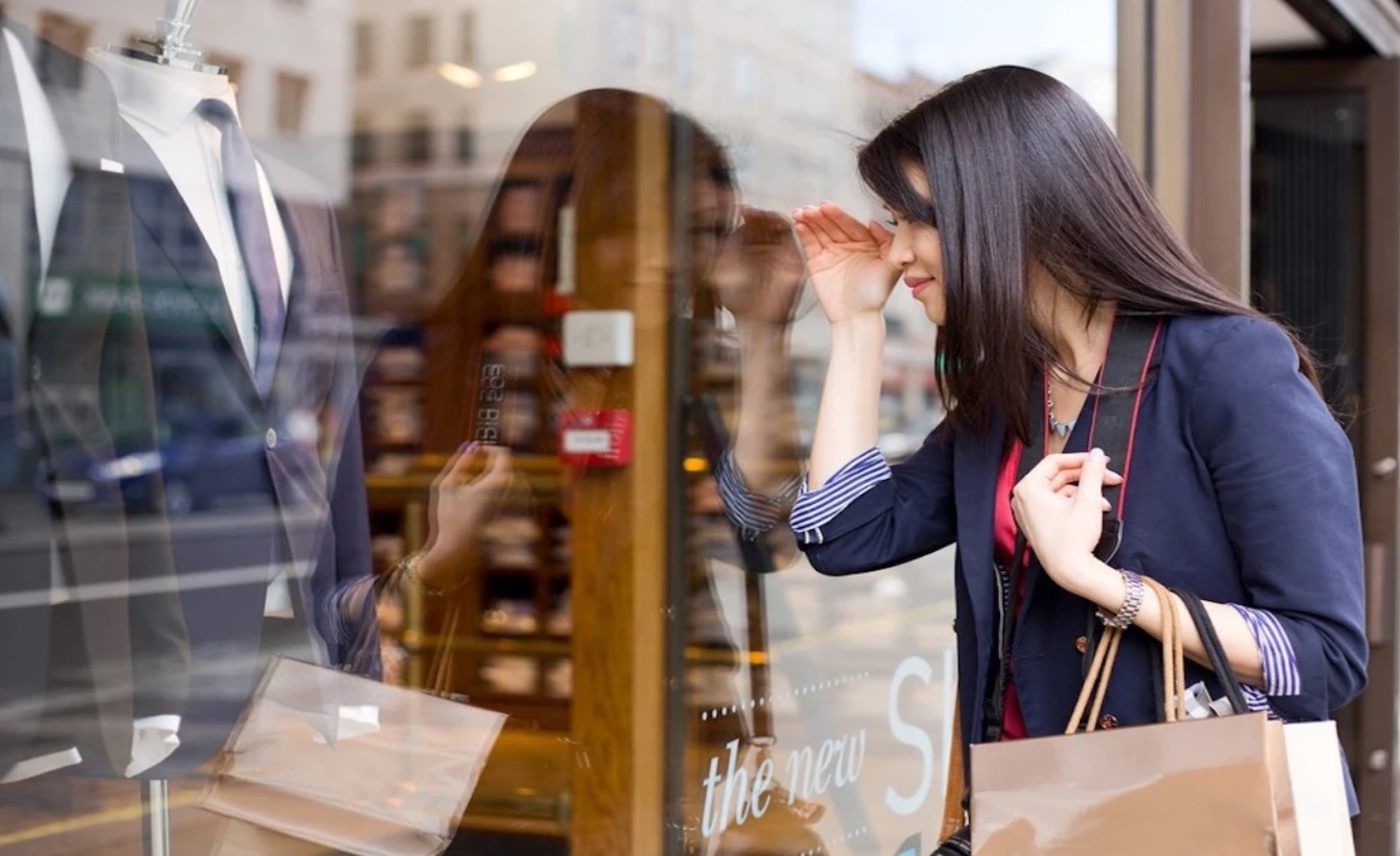
China's luxury market, once a growth engine for global brands, has hit a rough patch. After years of double-digit expansion, sales dipped by 10 per cent in 2022, marking the first decline in five years reveals Bain & Company’s study, ‘Setting a New Pace for Personal Luxury Growth in China’. This shift in consumer behavior has sent ripples through the luxury industry, prompting brands to adapt their strategies.
Reasons for the downturn
Several factors have contributed to the market's turbulence viz:
Zero-Covid policy: Strict lockdowns and travel restrictions hampered in-person shopping and duty-free purchases, a significant portion of Chinese luxury spending says Daxue Consulting study, ‘China's luxury market: shifting consumer values & retail experience’. The strict lockdowns and travel restrictions severely hampered in-person shopping and duty-free purchases, which were a major driver of luxury sales.
Economic jitters: A cooling real estate market, rising unemployment, and Covid anxieties dampened consumer confidence and discretionary spending reports Jing Daily in ‘From boom to uncertainty: Luxury brands face uphill battle as China's growth slows’.
Shifting priorities: Younger generations, a crucial growth engine, are prioritizing experiences and value over logos, with a growing focus on sustainability and social responsibility say McKinsey & Company study. Sustainability and ethical practices are becoming more important purchase drivers.
Impact on global brands
The 2022 market decline hit major brands hard. Kering, which owns Gucci and Saint Laurent, reported a 13 per cent sales drop in China. LVMH, home to Louis Vuitton and Dior, saw a more moderate 3 per cent decline. Indeed, China's share of global luxury sales is significant. For Kering, China accounted for 32 per cent of sales pre-pandemic, while LVMH got around 30 per cent from the region.
Table: Dip in sales of leading luxury brands
|
Brand |
Parent Company |
% Share of China Sales (Global) |
Sales Growth in China (2022) |
|
Louis Vuitton & Christian Dior |
LVMH |
~40% |
-10% |
|
Chanel |
N/A |
~30% |
Not publicly available |
|
Gucci & Bottega Veneta |
Kering |
~35% |
-15% |
|
Hermès |
N/A |
~40% |
Low single-digit decline |
|
Prada & Miu Miu |
Prada Group |
~35% |
-8% |
To adapt to the changing situation luxury brands are ramping up their online presence, offering seamless e-commerce experiences and leveraging social media marketing to reach younger consumers. They are also expanding their domestic store networks due to less international travel in smaller cities and tailoring marketing campaigns to local preferences. Experiential retail is on the rise as luxury brands are creating immersive in-store experiences to engage customers and build brand loyalty. This includes exclusive events, personalized services, and interactive displays.
China's allure endures
Despite the challenges, China remains a crucial market for luxury brands in the long term. In the short-to-mid term recovery is expected with ease as consumer confidence rebounds. However, pre-pandemic growth rates might not be immediately replicated. In the long term China's luxury market is projected to see continued growth, driven by a rising middle class and evolving consumer preferences. Brands that adapt to the changing landscape and cater to a more sophisticated shopper will be well-positioned to succeed.
The highlight is China's luxury market is undergoing a significant transformation. While the immediate future might be bumpy, brands that embrace digitalization, cater to local preferences, and prioritize sustainability are likely to thrive in the long run. The focus is shifting from conspicuous consumption to a more discerning and experience-driven approach to luxury.
Salvatore Ferragamo registers 16.6% revenue decline in Q1 FY24
Q1 FY24, Italian luxury group, Salvatore Ferragamo experienced a significant 16.6 per cent decline in revenues at constant exchange rates. The group attributed this downturn to challenges in the Chinese market, alongside a broader slowdown in sales across all regions and channels.
Highlighting the ongoing volatility in China, Marco Gobbetti, CEO, named persistent weakness in wholesale and travel retail as key factors impacting their performance. Revenues for the period declined to €227 million, falling short of analyst expectations.
Sales in the direct-to-consumer channel saw a slight negative trend in April, though Gobbetti said, these improved over the quarter, with revenues in this channel remaining stable from February to April.
Despite the tough market conditions, Gobbetti assured that the gross margin was not expected to deteriorate further. He emphasised a focus on enhancing top-line performance, pointing out a positive trend in direct-to-consumer sales in Europe.
While facing headwinds in key markets like China, Gobbetti reiterated Salvatore Ferragamo’s commitment to navigate these challenges and seek new growth opportunities for growth, particularly in their direct-to-consumer channels.
J Crew unveils flagship store in New York
J Crew has unveiled its new flagship store on the Spring Street in New York’s Soho neighborhood.
Representing a significant milestone for the brand, the two-story establishment marks the brand’s return to Soho's womenswear scene since the closure of its Prince Street location in 2018 due to declining sales.
Following a tumultuous period that included bankruptcy in 2020, J Crew has undergone extensive restructuring efforts. With Libby Wadle at the helm since November of that pivotal year, the company has experienced a remarkable resurgence, aided by the creative direction of women’s creative director Olympia Gayot and her menswear counterpart, Brendon Babenzien.
Gayot played a pivotal role in the design of the new Soho store, which boasts the largest collection of women’s apparel and accessories typically found exclusively online.
The store allows the brand’s customers to immerse in the J Crew lifestyle, seamlessly blending two key style influences – coastal and urban, notes Wadle.
Rising apparel costs pinch US businesses as consumer confidence slips

The American apparel industry is facing a double whammy: rising import costs for clothes and a consecutive decline in consumer confidence. This trend, reported by Cotton Incorporated in their ‘Executive Cotton Update: U.S. Macroeconomic Indicators & the Cotton Supply Chain - May 2024’, could have significant implications for businesses.
Rising import costs, a challenge
Import costs for apparel, particularly cotton-based items, have seen a significant increase compared to pre-pandemic levels. Cotton Inc. reports a 6.2 per cent rise in sourcing costs compared to 2019. This can be attributed to several factors:
Disrupted supply chains: The global pandemic caused major disruptions in global supply chains, leading to increased transportation costs and port congestion. These issues persist even as economies reopen. "The global supply chain disruptions caused by the pandemic haven't fully resolved," explains Dr Kayla Harrison, a textile economist at the University of North Carolina. "This, coupled with rising fuel costs and ongoing geopolitical issues, is pushing production costs higher for apparel manufacturers overseas, which gets passed on to US importers."
Rising cotton prices: Cotton prices have been volatile in recent years, impacted by factors like weather events and geopolitical tensions.
Increased demand: As consumer demand for apparel rebounds post-pandemic, pressure is placed on already strained supply chains, pushing prices up.
Falling consumer confidence and spending squeeze
The Conference Board's Consumer Confidence Index has seen a worrying trend. It has dropped for three consecutive months, reaching a low not seen since July 2022. This decline in confidence indicates that consumers are feeling cautious about their finances and may be less likely to spend on non-essential items like apparel.
“Consumers are feeling the pinch of inflation across the board," says Mary Peterson, a retail analyst at Bain & Company. "Rising grocery prices, gas prices, and interest rates are all putting a strain on household budgets. This leads to a shift in spending priorities, with apparel likely taking a backseat for many." Cautious spending attitude among consumers, likely due to factors like:
Inflationary pressures: Rising prices across various sectors, including food and energy, are putting a strain on household budgets, leaving less discretionary income for apparel purchases.
Interest rate hikes: The Federal Reserve's decision to raise interest rates could further dampen consumer spending power, as borrowing becomes more expensive.
Economic uncertainty: Geopolitical tensions and concerns about a potential recession are contributing to a sense of unease among consumers.
Impact on businesses
Apparel businesses are caught between rising import costs and declining consumer confidence. With import prices rising, businesses face the challenge of absorbing the additional cost or passing it on to consumers through higher prices. Meanwhile some businesses might choose to reduce inventory levels to manage costs, which could lead to stockouts and lost sales. Businesses might also resort to increased promotions and discounts to attract price-conscious consumers, further impacting profit margins. "We're seeing a lot of companies struggling to find the right balance," says John Lee, CEO of ABC Clothing, a major US apparel retailer. "If we raise prices too much, it could deter customers. But if we don't raise them at all, it could eat into our profits."
According to a recent article in Retailing Today, a major US clothing retailer reported a decline in sales of non-essential items like apparel in their latest quarter. The company attributed this to rising costs and a shift in consumer spending towards necessities.
In fact, some companies are opting for strategic discounts and promotions to entice cost-conscious consumers. Others are focusing on innovation, developing more affordable product lines or using alternative materials with lower costs. For example, XYZ Apparel, another major retailer, recently launched a new line of ‘essential’ clothing items made with recycled materials at a competitive price point. This strategy aims to cater to budget-conscious consumers while maintaining profitability.
Adapting to the new landscape
To move ahead in tough times, the apparel industry needs to adapt to the new economic landscape. For this, they need to diversify their sourcing strategies to reduce dependence on specific regions and mitigate risks associated with supply chain disruptions. Focus on efficiency as optimizing operations and logistics can help businesses manage costs and improve profitability. Highlighting the value proposition of products and focusing on quality and sustainability can resonate with cost-conscious consumers.
Victoria’s Secret reports sales surge in May quarter
Defying expectations amidst heightened promotional activity and stiff competition, Victoria’s Secret & Co recorded an upsurge in sales during the quarter ended May 4. The brand’s net sales dipped by only 3 per cent during the quarter against the anticipated 6 per cent. Online sales notably surpassed brick-and-mortar results.
The lingerie giant has been contending with declining sales over the past couple of years. In efforts to attract customers and revitalise its image, the brand revamped its fashion show, and also expanded its swim and apparel offerings. Its new products received positive response from customers, affirms Martin Waters, CEO, indicating improving sales trends for both Victoria’s Secret and its PINK line.
However, marked by heightened discounting and intensified competition, the brand may continue to face challenges in the North American market, warns Waters. Also, despite the encouraging quarter, the company maintained its full-year guidance unchanged, acknowledging the ongoing complexities of the market.
Jaeqer launched in M&S store on Argyle Street
Iconic fashion brand steeped in over a century of history, Jaeger has now being launched in the M&S store on Argyle Street. The latest addition offers a wide range of stunning styles crafted from the most exquisite fabrics for shoppers seeking the perfect summer ensemble.
Since its inception in 1884, Jaeger has been celebrated for its pioneering use of natural fibers like angora, alpaca, and cashmere. Offering an alternative to the opulent brands lining London's illustrious Savile Row, Jaeger became synonymous with sophistication and affordability. From timeless wool suits to elegant camel coats, the brand has adorned luminaries such as Audrey Hepburn and Marilyn Monroe, cementing its status as a fashion icon.
In a strategic move, M&S acquired the Jaeger fashion brand in 2021 following its unfortunate administration. Now, with its revival at the Argyle Street store, Jaeger joins the ranks of M&S's illustrious portfolio, promising shoppers a fusion of heritage and contemporary style.
The Lycra Company partners DCC to convert QIRA into low-impact PTMEG
A renowned leader in pioneering sustainable solutions for the apparel and personal care sectors, the Lycra Company has entered into a formal agreement with Dairen Chemical Corporation (DCC) to convert QIRA, a BDO brand into low-impact PTMEG, a crucial component in their patented bio-derived Lycra fiber.
This collaboration makes Dairen the first global producer of low-impact bio-PTMEG on a large scale. This strategic partnership builds upon The Lycra Company's previous alliance with Qore in September 2022, aiming to facilitate the production of bio-derived Lycra fiber utilising QIRA. DCC's involvement marks a pivotal step in transforming QIRA into bio-PTMEG, a key renewable element constituting 70 per cent of the fiber's composition. DCC's innovative allyl alcohol process ensures the creation of the lowest-impact PTMEG available, surpassing conventional methods using natural gas or coal, thus significantly reducing carbon footprint.
Emphasising the significance of this collaboration, Lin Shean-Tung, Chairman, DCC, says, it fosters environmentally conscious production practices, asserting sustainability as an essential imperative for the future. Slated to be launched in 2025, the bio-derived Lycra fiber made with QIRA, represents a groundbreaking achievement as the world's premier renewable spandex on a large scale.
Leveraging annually renewable corn as a primary resource, initial assessments suggest a potential 44 per cent reduction in carbon footprint compared to conventional Lycra fiber.
Expressing excitement about the partnership with DCC, Stewart underscored their shared commitment to foster a more sustainable value chain. Simon Chuang, Vice President-Global Sourcing and Procurement, The Lycra Company, lauded DCC's sustained sustainability efforts, emphasising the evolving significance of sustainability as a competitive advantage.
India’s technical textiles to become world’s fifth largest market: Secretary
India's technical textiles sector is experiencing rapid growth, with a remarkable double-digit surge of 10 per cent, propelling it to become the world's fifth-largest market, as stated by Rachna Shah, Secretary, Ministry of Textiles. Speaking at a national Symposium on Advancements in Composites, Speciality Fibres, and Chemicals, jointly organised by the Ministry of Textiles, Confederation of Indian Industry (CII), and Ahmedabad Textiles Industries' Research Associations (ATIRA), Shah underscored the pivotal role of composites in various sectors like infrastructure, aerospace, automotive, defense, and healthcare.
Emphasising collaboration among stakeholders, including industry players, policymakers, researchers, and investors, Shah stressed the importance of addressing cost implications in composite production and enhancing awareness for wider adoption. Vijay Kumar Saraswat, Niti Aayog highlighted the significance of specialty fibers like aramids, carbon fiber, and UHMWPE in diverse applications such as fire-resistant fabrics, bulletproof jackets, and renewable energy solutions.
Saraswat outlined top trends in composite materials, including high-performance resins, carbon fiber-based materials, and biomaterials, accentuating the rising demand for bio-composites in construction and medical fields. Ajay Kumar Rana, Director General, RDSO, discussed the use of geotextiles and geo-composites in the railways sector, emphasising their utility in load-bearing applications and erosion control.
Rajeev Saxena, Joint Secretary, Ministry of Textiles, highlighted the sector's potential to enhance productivity and drive innovation, particularly through the National Technical Textiles Mission (NTTM), aimed at positioning India as a global leader in technical textiles. Saxena outlined various guidelines under NTTM, focusing on research, innovation, startup initiatives, and skill development.
Nilesh M Desai, Director, Space Applications Centre (SAC/ISRO), underscored the significance of composites in aerospace applications due to their lightweight and durable properties, with CFRP and Asto glass fibers being prominently utilised. The symposium was attended by around 150 participants, including officials from central ministries, state governments, industry leaders, scientific experts, researchers, and professionals, reflecting the collaborative efforts driving India's technical textiles industry forward.
Industry leaders meet to discuss issues concerning Bangladesh RMG sector
Leaders from prominent associations within Bangladesh's garment industry convened to address pressing issues affecting their sector. The meeting discussed the recent circulars issued by the Bangladesh Bank, particularly concerning the provision of electricity and gas connections to new factories outside designated economic zones or industrial areas. Additionally, banks were directed to mandate clearance certificates from utility providers before granting loans.
Attendees at the meeting included Mohammad Hatem, Executive President, BKMEA, Mohammad Ali Khokon, President, BTMA, Md Monir Hossain, Vice President, FBCCI, and several other key figures.
Expressing deep concern, the leaders highlighted the precarious state of the garment industry amidst ongoing global trade disruptions. They feared that implementing these circulars would further exacerbate the industry's challenges, stifling growth and deterring potential entrepreneurs from establishing new ventures. Notably, ongoing expansions and new factory constructions could face significant setbacks if these measures were enforced hastily.
Urging governmental intervention, the leaders appealed for a five-year exemption for the garment industry from these circulars, emphasising the critical need for uninterrupted power and gas supply.
The meeting also addressed issues pertaining to customs, VAT, and income tax. Business leaders urged the National Board of Revenue (NBR) to streamline processes, making them faster and more efficient to bolster sustainable industry growth. Proposals included reducing the tax at source from 1 per cent to 0.5 per cent to alleviate operational costs and maintain competitiveness, with hopes for favorable consideration in the upcoming budget.
Furthermore, discussions revolved around Bangladesh's transition from a Least Developed Country (LDC) status and strategies to sustain competitiveness post-graduation. Leaders stressed the necessity of policy support to attract increased investment in promising sectors for overall economic prosperity.
Provide essential support to uphold RMG competitiveness, urges BGMEA
At a meeting with Ahansul Islam Titu, State Minister for Commerce, SM Mannan (Kochi), President, BGMEA urged policy makers to uphold the competitiveness of Bangladesh's Readymade Garment (RMG) industry by providing essential support.
Convened at the Bangladesh Secretariat, the meeting highlighted the challenges posed by ongoing geopolitical crises and the global economic slowdown. Emphasising on the need for policy support, Manan noted, reduced consumer spending and declining garment orders and exports have compounded the industry's difficulties.
Additionally, rising production costs have further strained the sector, Mannan averred. He urged policy makers to simplify the business procedures and expedite the unloading of imported machinery, equipment, and raw materials.
Emphasising the link between a conducive business environment and export success, Mannan urged for uninterrupted gas and electricity supply, along with favorable policies. He highlighted the impending loss of trade facilities post-2026 following Bangladesh's LDC graduation, underscoring the need for timely policy interventions to attract increased investment.
Mannan also advocated for food rationing for garment workers under the Ministry of Commerce's purview, citing its role in safeguarding the sector and bolstering exports for overall economic growth.