FW
Global apparel industry slumps in March 2024, import-export fall amidst low consumer confidence
The global apparel industry witnessed a significant slowdown in March 2024, with both import and export figures dropping across major markets reveals Wazir Advisors May 2024 report, ‘Apparel trade scenario in key global markets and India’. This trend aligns with declining retailer inventory levels and weakening consumer confidence, reflecting a concerning picture for the near future.
Imports decline reflect waning demand
Import data for key markets like the US, EU, UK, and Japan paints a grim picture. The US, the world's largest apparel importer, saw a 6 per cent year-on-year (YoY) decline in imports to $5.9 billion in March 2024. Similarly, the EU, UK, and Japan experienced significant drops of 8 per cent, 22 per cent, and 26 per cent respectively, highlighting a global decrease in demand. The decline in apparel imports signifies a shrinking apparel market in major regions.
Import decline aligns with the retailer inventory data from Q4 2023. The data suggests a substantial decrease in inventory levels compared to the previous year, indicating that retailers are cautious about stocking up due to weakening demand.
Table: Decline in apparel imports in major markets March 2024
|
Market |
Value ($bn) |
YoY change (%) |
|
US |
5.9 |
-6 |
|
EU |
7.1 |
-8 |
|
UK |
1.4 |
-22 |
|
Japan |
1.7 |
-26 |
Consumer confidence, inventory levels reflect weak demand
The situation is further compounded by declining consumer confidence. In the US, consumer confidence reached a seven-quarter low of 97.0 in April 2024, signifying a hesitant consumer base less likely to splurge on apparel. This lack of confidence is likely to further dampen demand and hinder a swift recovery for the apparel industry. The report also reflects significant drop in retailer inventory compared to previous year. This indicates stores are selling through existing inventory and not placing large orders for new apparel. Weakening consumer confidence and declining inventory levels suggest a drop in demand for apparel.
Export woes for major suppliers
The export story is no brighter. Key supplier nations like China, Bangladesh, and India also experienced declines or stagnated growth in their apparel exports for April 2024. China, the world's leading apparel exporter, witnessed a 3 per cent YoY drop to $11.3 billion, while Bangladesh and India saw flat growth compared to April 2023. This suggests that the slowdown is impacting both ends of the global apparel supply chain, but supplier nations are still managing to export some apparel. In fact, the decline in apparel exports is slower than the decline in imports, indicating some continued demand for apparel globally.
Table: Declining exports from key suppliers
|
Market |
Value ($bn) |
YoY change (%) |
Change from March 2024 |
|
China |
11.3 |
-3 |
0 |
|
Bangladesh |
3.3 |
0 |
10 |
|
India |
1.2 |
0 |
-2 |
US apparel retail sales a puzzling trend
The report presents a puzzling trend in the US apparel retail sector. While US apparel store sales in April 2024 were estimated to be 3 per cent lower than April 2023, online clothing and accessory sales in Q1 2024 dropped by only 1 per cent compared to the same period in 2023. Interestingly, on a year-to-date (YTD) basis, US apparel store sales are still 3 per cent higher than in 2023, suggesting some underlying resilience. So while apparel imports, consumer confidence, and inventory levels all point to weak demand, US apparel store sales show an unexpected increase.
However, this resilience seems limited. April 2024's home furnishing store sales mirrored the broader trend, dropping 2 per cent YoY, with YTD sales a concerning 14 per cent lower than in 2023. This indicates discretionary spending may be shifting away from non-essential items like apparel and home furnishings.
The UK market also reflects a cautious consumer. April 2024 saw UK apparel store sales remain flat at £3.3 billion, indicating an 8 per cent YoY decline. However, a positive sign emerged in the form of a 7 per cent growth in online clothing sales for Q1 2024 compared to Q1 2023. UK apparel store sales are stagnant, while online sales are growing. This suggests that UK consumers may be shifting their shopping habits towards online channels.
The Wazir study reveals global apparel industry is experiencing a slowdown, with declining imports, exports, and retail sales in some regions. Weakening consumer confidence and decreasing inventory levels are contributing factors. However, the data also suggests some variation across regions and channels. US apparel store sales show an unexpected increase, while UK online sales are growing. Further investigation is needed to understand these inconsistencies and predict future trends in the apparel market.
McKinsey report finds apparel industry needs to revamp sourcing strategies

A recent global survey by McKinsey & Company of apparel chief procurement officers (CPOs) highlights five key themes shaping the industry's approach to sourcing. The findings indicate a significant shift towards prioritizing efficiency, supply chain resilience, and sustainability, with a growing emphasis on collaboration with suppliers.
Key challenges
Demand volatility: Fluctuations in consumer demand and the bullwhip effect disrupt the supply chain, leading to shortages and overstocking.
Geopolitical tensions: Rising geopolitical instability is prompting brands to diversify their sourcing footprint to mitigate risk.
Sustainability regulations: Increasing regulations require brands to ensure ethical and environmentally friendly sourcing practices.
Competition: Fast-fashion giants like Shein are disrupting the market with rapid innovation and lower costs.
Five themes shaping apparel sourcing
Efficiency amidst volatility: Brands are prioritizing efficiency across the sourcing process to combat volatility and rising costs.
Rebalancing footprint: Brands are looking to diversify their sourcing bases to mitigate risk and improve speed and agility. Nearshoring is gaining traction, but challenges remain.
Strategic supplier relationships: Brands are forging deeper, long-term partnerships with suppliers to improve planning, resilience, and efficiency.
Sustainability: Sustainability is a growing priority, with brands working with suppliers to meet environmental and social responsibility goals. Data transparency is crucial for effective sustainability efforts.
Digitalization: Brands are embracing digital tools like 3D modelling and data analytics to improve decision-making, transparency, and efficiency.
To move ahead brands need to adopt certain strategies. To begin with they need to utilize data-driven strategies to establish sustainable sourcing goals that deliver economic value. Collaborate with suppliers for value-backed sourcing, material innovation, and cost optimization. Engage in transparent price discussions with suppliers using cost analysis tools. And build strong, mutually beneficial relationships with suppliers through value-sharing models and joint planning.
As the apparel industry transforms brands along with suppliers need to adopt new strategies, prioritize collaboration, and leverage digital solutions to build a more resilient and sustainable future.
China reclaims top spot as India's trading partner its impact on textiles, apparel sector
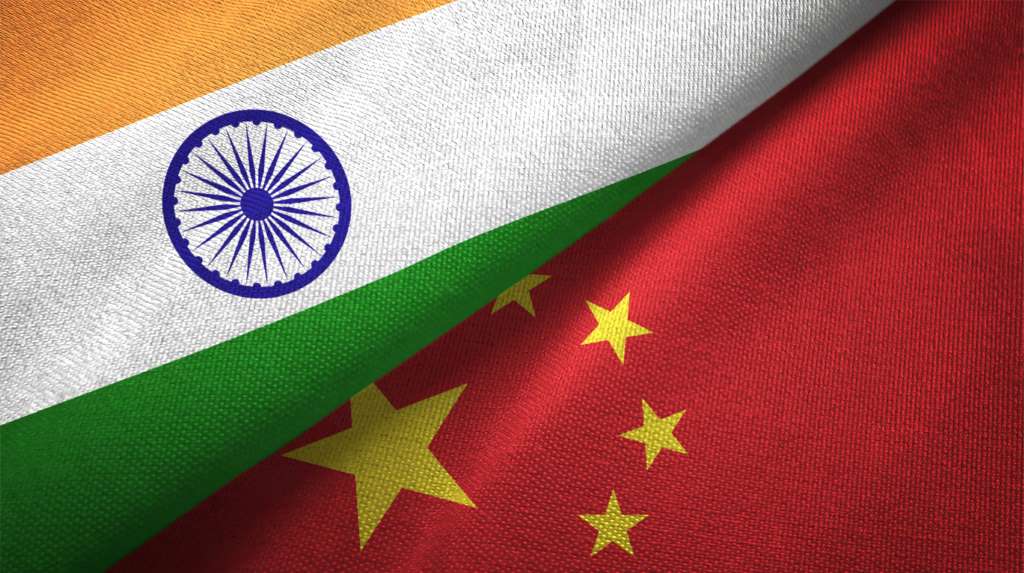
China has regained its position as India's largest trading partner in fiscal year 2023-24, edging out the US by a narrow margin, as per Global Trade Research Initiative (GTRI) statistics. This shift has significant implications for the textiles, apparel, and fashion sectors in all three countries.
China previously held the title of India's top trading partner from 2013-14 to 2017-18, and again in 2020-21. This dominance was largely due to China's established manufacturing base and competitive pricing in textiles and apparel. Indian consumers have a long-standing preference for affordable Chinese clothing, while China relies on Indian cotton, a key raw material.
China's dominance stems from a total trade volume of $118.4 billion with India, edging out the US by a mere $100 million. While India's exports to China rose by 8.7 per cent, imports grew a substantial 44.7 per cent, highlighting a growing trade deficit. This trend reflects China's established position as a manufacturing powerhouse, catering to India's demand for affordable clothing and textiles.
The US seeks closer ties
Despite losing the top spot, the US-India trade relationship remains strong. . The US, is focusing on a strategic shift. The US is actively seeking to deepen economic ties with India, focusing on areas like high-tech goods and advanced textiles. This could lead to increased collaboration in areas like sustainable and innovative fashion within the US and Indian markets. While bilateral trade remains strong, the US is prioritizing diversification of its trading partners and fostering innovation in the textile industry.
India's balancing act
India sits at the centre of this dynamic. The increased trade with China offers access to a vast and cost-effective production base. However, the growing trade deficit and potential security concerns are prompting India to explore alternative partnerships and boost domestic manufacturing. The government's initiatives like the ‘Make in India’ program aim to incentivize local production and reduce reliance on imports.
The impact on textiles & apparel
The global textile industry is witnessing a shift towards ethical and sustainable practices. This trend is creating opportunities for Indian manufacturers to position themselves as a more responsible alternative to China.
Competition: Renewed India-China trade could intensify competition in the global textile and apparel market. Both countries are major exporters, and a focus on cost-effectiveness might lead to price wars.
Supply chain reliance: India's dependence on Chinese suppliers might continue, potentially hindering efforts to develop a robust domestic textile manufacturing industry.
Shifting consumer preferences: Growing awareness of ethical sourcing and sustainability practices could push Indian fashion brands to look beyond China for suppliers, especially in Southeast Asia.
Indeed, the evolving trade landscape between India, China, and the US presents both challenges and opportunities for the textiles, apparel, and fashion industries. Here's what to watch out for:
India's policy focus: Will India implement policies to promote domestic textile manufacturing and reduce reliance on Chinese imports?
US-China trade relations: How will the ongoing trade war between the US and China impact global supply chains and sourcing strategies?
Rise of alternative suppliers: Can Southeast Asian countries like Vietnam capture a larger share of the Indian apparel market?
The future of textiles, apparel, and fashion trade now hinges on how these three major players navigate the changing geopolitical and economic landscape.
Global kidswear market to reach $286.9 billion in value by 2032: Report
Valued at $194.1 billion in 2022, the global kidswear market is projected to grow at a CAGR of 4.1 per cent from 2023-32 to reach $286.9 billion by 2032. The market encompasses a wide range of clothing, footwear, and accessories designed specifically for children aged 0 to 17.
According to a report by Allied Market Research, the apparel segment held the largest share in the global kidswear market in 2022, and is expected to maintain its dominance throughout the forecast period. This segment includes outerwear such as coats and jackets, special occasion dresses, tops like blouses and sweaters, and bottoms like trousers and skirts.
There is a growing demand for sustainable and ethical fashion, driven by the desire for eco-friendly materials and ethical manufacturing practices. The digital transformation has reshaped the market as e-commerce and online shopping continue to expand.
Character licensing remains popular, and there is an increasing selection of inclusive and gender-neutral clothing. The rise of fast fashion has catered to parents seeking trendy and affordable items for their children. The market growth is supported by the increasing number of children globally, rising disposable incomes, parental aspirations for quality wardrobes, and awareness of children's clothing quality.
Holding the largest share in 2022, the boys segment is expected to continue its dominance during the forecast period. Athleisure clothing also remains popular for its comfort and adaptability. Environmentally conscious consumers are increasingly aware of sustainability and eco-friendly clothing options.
By distribution channel, the supermarket & hypermarket segment held the largest market share in 2022 and is expected to maintain its dominance during the forecast period. These supermarkets and hypermarkets not only offer a wide range of kid-friendly clothing and promote private label brands that provide cost-effective yet premium options but also embrace seasonal promotions and sustainability, and enhance their online presence to attract customers.
Region-wise, Asia-Pacific dominated the kids wear market in 2022 and is expected to continue this trend during the forecast period. The region's growing and younger population drives the demand for children's clothing, creating opportunities for manufacturers and retailers.
However, the COVID-19 pandemic has disrupted the apparel industry due to strict lockdown restrictions. Additionally, the pandemic has led to changes in consumer behavior, with more people staying at home. These changes have had both positive and negative impacts on the kids wear market.
Sri Lankan labor law reform faces uproar from Rights Groups
Amnesty International, Clean Clothes Campaign, and Human Rights Watch are calling for a halt to Sri Lanka's proposed labor law reforms. The organizations allege the reforms would weaken worker protections and violate international standards.
These concerns echo those of Sri Lankan unions and civil society groups who have been protesting the reforms for months. The proposed changes reportedly remove international minimum standards like the eight-hour workday and protections against unfair dismissal. Additionally, limitations on overtime pay, annual leave, and freedom of association are worrying signs for worker rights.
Aruna Kashyap from Human Rights Watch stresses the importance of transparency and consultation, warning that implementing these reforms without adequate discussion could have severe consequences for Sri Lanka's garment industry and worker protections.
Ineke Zeldenrust from Clean Clothes Campaign emphasizes the vulnerable position of workers during the economic crisis, noting that Sri Lankan workers urgently require legal safeguards and strong unions. She expressed concern that the reforms might violate international labor and human rights standards.
The Sri Lankan government has not yet responded to the criticism. The proposed reforms come at a time of economic hardship for the country, with many Sri Lankans struggling to afford basic necessities. Weakening worker protections could exacerbate these issues and lead to further unrest.
Sportswear brand On appoints Laura Miele as independent board member
Swiss sportswear brand On has appointed Laura Miele as its independent board member, where she will also serve on the audit committee.
Currently engaged as the President, Electronic Arts-Entertainment and Technology, Miele oversees the company’s portfolio of licensed and owned IP, along with the its central development services and CTO organisations.
Before assuming this role in 2023, she served as the Chief Operating Officer of EA. Over the past few decades, Miele has played a pivotal role in executing several complex structural transformations at EA, including leading the company’s shift to digital delivery, expanding into new consumer demographics, and actively growing EA’s player network.
In addition to her role at EA, Miele has been involved in managing commercial, creative, and central technology teams. She served as a governor of the British Film Institute in 2022 and is a member of the Paley Media Council and the NAACP Entertainment Advocacy Council. She also serves on the Advisory Board for The Game Awards and previously held a position on the board of the Silicon Valley Community Foundation.
Founded in the Swiss Alps in 2010, the brand On, has since expanded its presence to more than 60 countries.
Fashion industry in Saudi Arabia to grow at 48% CAGR from 2021-25
The fashion industry in the Kingdom of Saudi Arabia is poised to grow at a CAGR of 48 per cent from 2021-25, as per a recent report by the Small and Medium Enterprises General Authority.
According to this report, the fashion industry contributed 1.4 per cent to the Kingdom’s gross domestic product in 2022. The total value of the fashion sector, including international brands, stood at $24.6 billion in 2022, with the domestic fashion industry valued at $12.5 billion.
Burak Cakmak, CEO, Fashion Commission, emphasised the Kingdom’s broad transformation across various industries, including architecture, music, film, art, and food. He noted that the diverse initiatives led by the Fashion Commission are revolutionising the fashion sector, elevating local talents to global stages while focusing on growth and sustainability.
The Fashion Commission focuses on developing local talent. It has launched comprehensive educational programs, workshops, and mentorship opportunities to nurture the growth of Saudi nationals in the fashion sector. Additionally, the commission supports small and medium enterprises (SMEs) by providing essential resources to help businesses scale and grow.
As of 2022, the fashion industry in Saudi Arabia employed over over 230,000 people, according to the Monsha’at report. Women made up to 52 per cent of this workforce. By 2027, the women’s apparel market in the Kingdom is projected to grow by 20 per cent, while the men’s market is expected to expand by 27 percent during the same period.
AlphaTauri unveils key looks for SS25
AlphaTauri introduces Cirrus, an innovative Spring/Summer 2025 collection that transcends traditional seasonal constraints. Inspired by the ethereal beauty of Cirrus clouds, the collection emphasizes lightness, breathability, and fluidity through advanced technology and minimalist design.
Cirrus features ultra-light jackets and parkas that integrate micro-holes and laser perforations for superior ventilation, alongside ripstop weaves and ultra-matt finishes that ensure durability without compromising weightlessness. The knitwear range further embraces this ethos with innovative knit structures and strategic ribbing for enhanced airflow, utilizing 3D wholegarment technology to ensure seamless motion and reduced environmental impact.
Highlighting user-focused innovation, AlphaTauri blends technical and natural fibers to enhance performance and aesthetics. Premium cotton yarns plated with cooling Lyocell, Coolmax blended with cotton and cashmere for moisture-wicking comfort, and linen-cotton blends structured with 3D wholegarment technology illustrate the fusion of functionality and design.
The color palette draws from summer’s delicate hues, combining sandy beige, cloud grey, navy, fog blue, stone, off-white, and pink mist for a tranquil and sophisticated ensemble. Outerwear ranges from €230 to €650, knitwear from €180 to €300, and women’s Power Stretch Jersey items from €160 to €320, making Cirrus a versatile, stylish solution for unpredictable weather.
Chanel to boost retail investment by 50%
Chanel plans to increase its investment in its retail network by at least 50 per cent this year as the French design house aims to secure prime locations amid fierce competition with other luxury groups.
Owned by the billionaire Wertheimer family and headquartered in London, Chanel will continue to further integrate its supply chain with fresh acquisitions, following a dozen such deals last year.
The brand has also acquired buildings on New York’s Fifth Avenue and Avenue Montaigne in Paris. Made famous by the pioneering designs of founder Coco Chanel, the company has seen rapid growth as sales hit $19.7 billion last year, a 16 per cent increase from 2022 on a like-for-like basis, while operating profits rose 10.9 per cent to $6.4 billion.
Chanel has also more than doubled its revenues and headcount over the past decade, according to Leena Nair, CEO. The brand remains one of the most resilient alongside top-tier players such as Hermès and Brunello Cucinelli, benefiting from their high-end positioning and wealthy client base. Chanel reported double-digit sales growth across all categories, with Europe and Asia growing in the high teens and low 20s, respectively, despite industry concerns about the slowing Chinese economy. The Americas saw a softer growth rate of 2.4 per cent.
After increasing its investment in the business by 83 percent last year to $1.23 billion, Chanel plans to invest even more in 2024. The brand plans to invest in the US market, which according to Philippe Blondiaux, Chief Financial Officer, is still an under-developed market for luxury based on certain wealth indicators.”
In China, Chanel is ‘under-distributed,’ with only about 18 boutiques in the world’s second-biggest economy, far fewer than some of its rivals. The brand plans to continue investing in China even though Chinese consumers have resumed traveling abroad for shopping.
Some of Chanel’s clients have expressed concerns about steep price increases. The average price of luxury goods tracked by HSBC has risen 50 per cent since 2019, while the cost of a classic Chanel flap bag has more than doubled to over €10,000. Chanel says its price increases reflect higher material costs and inflation and will maintain its current policies. Pricing contributed 9 per cent to its sales growth in 2023, with a 7 per cent increase in volume, Blondiaux says.
PVH signs individual binding agreements to support collective bargaining in Cambodia
PVH signed individual binding agreements to support collective bargaining in Cambodia at the Global Fashion Summit in Copenhagen. The agreements were signed in collaboration with ACT (Action, Collaboration, Transformation), IndustriALL Global Union and member unions.
These agreements aim to enable higher wages, better working conditions, and sourcing commitments from brands. They will benefit not just PVH’s supply chain in Cambodia but the supply chains of all signatory brands sourcing from the the country
The template created at the summit sets an example for a positive impact on global human rights in the supply chain and demonstrates things can be achieved with collaboration and commitment to drive progress, says Michael Bride, SVP - Corporate Responsibility and Public Affairs.
These individual binding agreements between brands and IndustriALL Global Union are one of the first-ever brand-supported collective bargaining agreements in the garment and footwear sector. The agreements support effective and sustainable industry collaboration among all actors across the value chain. They showcase strong leadership by brands, employers, and unions in the sector, signaling a new era in wage approaches, freedom of association, and responsible purchasing practices.
Athit Kong, President, Coalition of Cambodia Apparel Worker Democratic Union, opines, the agreements bring all parties in the sector and supply chains to the negotiating table. Kong also notes, as one of the first-ever legally binding agreements, they promote accountability and better social dialogues in these sector