The Indian apparel industry is recalibrating its export strategy in response to the Union government’s ambitious goal of reaching US$ 1 trillion in national exports by FY 2026-27. At a recent Board of Trade meeting, Piyush Goyal, Union Commerce and Industry Minister challenged domestic firms to move beyond comfortable local market reliance, emphasizing that aggressive international branding and scale are essential to securing a greater share of global trade.
Strategic roadmap for competitiveness
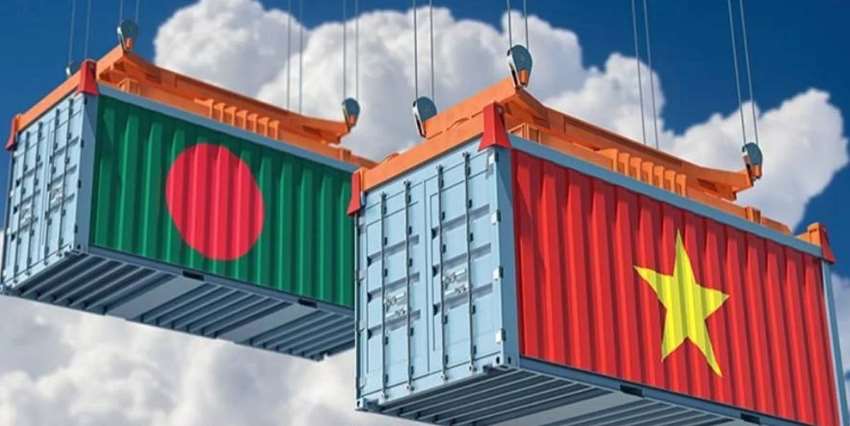
To bridge the gap between current performance and the national export target, the Apparel Export Promotion Council (AEPC) has presented a comprehensive proposal to the Ministry. Dr A Sakthivel, Chairman, AEPC, notes, while the industry faces headwinds from volatile global demand and geopolitical uncertainties, expanded market access via Free Trade Agreements (FTAs) with 38 countries offers a significant opportunity. The council’s recommendations include the establishment of a ‘Green Transformation Fund’ for sustainability-focused investments and a ‘Special Scheme for the Apparel Sector’ designed to simplify duty-free fabric imports and streamline compliance. These measures aim to lower operational costs, which currently remain higher in India compared to competitors like Vietnam and Bangladesh.
Scaling through innovation and integration
Manufacturers are increasingly looking toward the PM MITRA parks to achieve the required economies of scale. Early data indicates, firms operating within these integrated hubs are realizing a 15–20 per cent reduction in overheads through shared infrastructure and optimized logistics. However, scaling production is only part of the solution. Industry leaders stress that future growth hinges on accelerating the adoption of Industry 4.0 technologies, such as AI-driven quality control and robotic cutting, to enhance product quality and meet the stringent compliance standards set by major Western buyers. By pivoting toward these high-value segments and leveraging FTAs, the sector aims to transition from a volume-based model to one defined by quality, sustainability, and technological prowess.
The Indian textile and apparel sector is a cornerstone of the national economy, serving as a massive employment generator across the value chain. It encompasses diverse segments, from traditional handlooms and cotton textiles to man-made fibers and technical textiles, with a strategic growth focus on large-scale manufacturing and international brand visibility.