Inditex profit up 24 per cent
Inditex’s nine-month profit rose by 24 per cent.
Inditex raised prices by five per cent to offset rising costs. The price rises helped offset weakening global demand for clothing.The world’s biggest fashion retailer’s store and online sales rose 19 per cent from a year ago.
Known for its ability to quickly deliver the latest designs to consumers thanks to its flexible sourcing, Inditex has lately been offering more high fashion Zara pieces designed for special occasions.The approach has allowed it to sell higher-priced items and attract shoppers from the luxury segment of the market. Sales increased 11 per cent during the third quarter, a slower pace than in previous months, reflecting a weakening consumer environment. The company’s second quarter sales increased 16 per cent from the same period a year ago.The fashion giant’s sales between the start of November and December 8 increased 12 per cent from a year ago. Sales were positive in all geographic areas. But the company will have to deal with more cost increases over the coming months including pressure from workers for higher salaries.
Inditex is the parent company of brands like Zara, Massimo Dutti, Pull&Bear and Bershka. Zara continues to be the strongest brand in Inditex’s mix.
Operations of cotton yarn mills fall
The operating rate of cotton yarn mills in China has reduced continuously. Chinese cotton yarn mills have still not recovered to normal production due to the loss of spinning and the difficulty of procuring cotton.
With December about to end, it is hard for mills to recover their operating rate to the high level in September. On the other hand, the expectation on the future cotton yarn market turned from pessimistic to slightly optimistic as the relaxation of the epidemic control policy increased the confidence of market participants and ZCE cotton futures were firm.
Downstream fabric mills and traders had few stocks in hand, and the willingness to stock increased obviously compared to previous stages.Price-rising sentiment moved up with the improvement of sales and firm ZCE cotton futures. Offers in some mills rose and the discounts given at previous stage were canceled. But the trading sentiment was still not as good as that in the previous year.
The inventory of cotton yarn mills was not low, and cotton yarn prices were still under control. If the future market sustains, cotton yarn prices may start rising. After all, the overall cotton yarn inventory pressure has relaxed this year in terms of overall stocking volume.
Lenzing gets top rating for climate action
CDP has awarded Lenzing an A rating for leadership in corporate transparency and performance on climate change.
Lenzing is a supplier of sustainably produced specialty fibers. CDP is a global environmental non-profit and is seen as the gold standard of environmental reporting with the richest and most comprehensive dataset on corporate and city action.
Through significant demonstrable action on reducing climate impacts, water security risks and deforestation, Lenzing is leading on corporate environmental ambition, action and transparency worldwide.Wood, the pulp derived from it and water are some of the most important raw materials for the sustainable production of cellulosic fibers from Lenzing and also part of the most important focus areas of Lenzing’s sustainability strategy. Lenzing assumes responsibility by striving for sustainable procurement based on environmental certificates and responsible and efficient use of these valuable resources. Lenzing sources wood and dissolving pulp from sustainably managed forests and plantations and not from ancient, protected or endangered forests.
Lenzing’s biorefinery process ensures that 100 percent of wood constituents are used to produce dissolving wood pulp for fiber production, biorefinery products, and bioenergy. With its Refibra and Eco Cycle technologies, Lenzing offers solutions for transforming the textile and nonwovens industries towards a circular economy.
Bangladesh share in apparel trade rises
Bangladesh’s apparel trade share increased in 2021. This is clearly a positive note for Bangladesh’s textile and apparel industry. As the industry is bouncing back with high-hopes despite multifaceted global challenges apparel entrepreneurs have upgraded the technology and product quality as well as capacity. Thus, despite Covid and the Russia-Ukraine conflict brands and buyers keep on placing orders with the readymade garment industry.
Bangladesh wants to elevate its share in the global apparel business to ten per cent by 2025 from the current six per cent. The industry is focusing on diversifying markets and apparel products to swell its growth. In July to November of fiscal year 2022-2023, Bangladesh’s apparel exports to non-traditional markets grew by 24 percent.
Bangladesh is the second-largest exporter of clothing after China. The country is gaining from its favorable sourcing destination with its high reputation in transparency and circularity i.e. sustainable factories, comparatively low labor cost, smooth supply chain while globally leading fashion retailers are trying to down their apparel sourcing from China. Despite China’s strong performance in 2021, China accounted for only 23 per cent of US apparel imports in 2022, much lower than 36 per cent in 2015. Similarly, China’s market shares in the EU, Japanese, and Canadian garment import markets also fell over the same period.
Hohenstein opens testing facility in China
Hohenstein has opened a testing lab in China.
Starting in the first quarter of 2023, the new textile laboratory will supplement the company’s Hong Kong laboratory capacity with testing and on-site inspection services in the hot spots of textile production. The new laboratory will offer suppliers, manufacturers, brands and retailers a wide range of textile testing services.
With more than 40 offices and laboratories, Hohenstein is an international partner for independent testing, certification and applied research around the human-textileenvironment interaction. Through standard or customized testing, and interpretation of the results, Hohenstein solves problems, verifies claims and helps partners bring better, safer products to market – more sustainably. The laboratory locations in Germany, Hong Kong, Bangladesh, India, Hungary, and now Shanghai, offer shortened turnaround and sample transport times.
In some locations, Hohenstein offers sample pick up services from the customer to the lab for testing. The laboratory locations in Germany, Hong Kong, Bangladesh, India, Hungary, and now China offer shortened turnaround and sample transport times. In some locations, Hohenstein offers sample pick up services from the customer to the lab for testing.No matter where the examinations, tests and analyses are carried out, all these laboratories work with state-of-the-art equipment and the same high standards.
Footwear and leather exports to Wana up 20 per cent
Indian footwear and leather exports to Wana (West Asia and North Africa) grew by 20 per cent in the first half of 2022.
In the Wana region, the UAE and Saudi Arabia are the major markets. Indian footwear and leather exports to the UAE grew by 31 per cent during the first half of 2022. Exports to Saudi Arabia grew by 22 per cent. The footwear and leather industry is emerging out of the pandemic slowdown when exports declined by 28 percent. However, there was a significant recovery in the last fiscal with exports registering a growth of 32 per cent overall and the growth trend is continuing this year as well.
India is working toward getting zero duty access through free trade agreements in leather goods, sportswear and footwear. About 7,000 small industries units are connected with the footwear sector which holds great significance to the economy and foreign exchange earnings of the country.Nearly 40 per cent employed in the sector are women and for every 1000 pairs that are produced or sold, 425 jobs are secured.
India is the second largest producer of footwear and leather garments. Practices like zero-waste discharge, salt-free tanning, and occupational health and safety interventionscan increase production and export ten times in the near future.
Burberry gets A for climate initiatives
Burberry has achieved an A score for leadership in climate change from CDP.
CDP is an environmental non-profit. Burberry is one of a small group of organisations to achieve an A rating, with nearly 15,000 companies assessed. Burberry has a longstanding commitment to responsible business, with ambitious targets across its four strategic priorities: product, planet, people and communities.
Most recently, Burberry was one of the first companies globally to receive approval from the Science Based Targets initiative (SBTi) for its net-zero emissions target. Burberry has a continued commitment to transparency as it works to achieve its ambitious goalsand will continue to push for greater change across the industry and beyond. Environmental transparency is the first vital step towards a net-zero and nature-positive future.
In a year of ever-increasing environmental concerns around the world – from extreme weather to unprecedented losses to nature – the need for transformational, urgent and collaborative change is more critical than ever.CDP’s annual environmental disclosure and scoring process is widely recognised as the gold standard of corporate environmental transparency. A detailed and independent methodology is used by CDP to assess these companies, taking into account publicly-disclosed information, how organisations are tackling environmental risks and demonstration of best practice, such as setting and reporting against meaningful targets.
Intertextile Shanghai to feature four trends
Intertextile Shanghai Apparel Fabrics will take place in China, March 8 to 10, 2023.
The event will predict the upcoming season’s trends and will have four distinct trend stories: Mission Earth, Poetic Sensuality, Alternative Cults, and Energetic Reset. The Trend Forum will display a range of exhibitors’ fabrics that exemplify the four predictive stories.
The story of Mission Earth allows visitors to collectively rediscover the beauty of age-old artisanal crafts, the untamed glory of various flora and fauna, and the wonder of the world’s natural phenomena. Poetic Sensuality captures the rhythmic nature of the human spirit. Visitors can get a feel for luminous satin, luxurious decorative damasks, and sensual sheer voiles, while being dazzled by the majestic effects on show, such as vivianite mineral print, sumptuous monochrome, shadowy floral, and mysterious water colour. Alternative Cults will feature colours that express joy and free-spiritedness, and fabrics that are sustainable and folksy, prints and patterns hatare culturally inspired by influences such as carnival, festive bohemian, kitenge, and truck art. Energetic Reset pairs smart designs with punchy colours, allowing the freeform to take shape, turning the complex simplistic, and converting chaos to cheerfulness.New age materials, such as recycled polyester, lab-grown cotton, and biodegradable fibers, will be in the spotlight.
On-trend samples will be prominently featured and labeled, allowing buyers to source and be inspired by the various materials, textures, patterns, and colours on show, all in one central area.
Wearables shipments to India may reach 117 million units
Shipments of wearables to India are expected to reach 117 million units next year.
Growth is expected to be led by smart watches and on the back of brands trying to crack the offline segment, bringing in new features and form factors. Smart watches and earwear are nowhere close to their final form and there are a multitude of advances that the market can expect in the next year in terms of features and form factors.
There may be a significant shift in focus from just consumer acquisition to retention, and hence innovation both in terms of hardware and insights. There will probably be a spike in demand for the calling functionality in smart watches, along with increased demand among children and the elderly.
India’s wearables market has 61 million users. Some are a combination of a watch and a fitness device; some are smart watches or smart bands separately. Pricing of these products has remained a critical filter for their mass adoption. Since most customers in India are price sensitive, pricing of the wearables would be critical. Also, the rate of growth is expected to fall sharply to 17 per cent on year from a steep 51 per cent in 2022, amid worries of an economic downturn as well as an expected saturation of the high selling audio accessories segment.
Avatar red carpet showcases Tencel
Tencel and RCGD Global have collaborated in spotlighting eco-conscious red carpet looks at the world premieres of the film Avatar in London and Los Angeles.
Tencel is Lenzing’s flagship textile brand. Tencel branded lyocell fibers and Tencel Luxelyocell filament featured in bespoke looks and styling items by Tyler Ellis, Huntsman and Vivienne Westwood, worn by Zoe Saldaña, Henry Cavill and Hollywood power couple Suzy Amis Cameron and James Cameron.
RCGD Global and Tencel showcase occasionwear using materials made of cellulose-based botanic materials or recycled materials to drive circular economy in fashion. To qualify as an RCGD Global eco-conscious garment, each piece must be made from sustainable materials - including organic, recycled or repurposed fibers. For Tencel, red carpets further promote the adoption of sustainable materials in luxury fashion and beyond since red carpet events not only reach a wider audience, they are also great platforms to demonstrate that fashion can be sustainable.
Through leading by example, Tencel and RCGD together hope to propel the fashion and textile industry towards a more sustainable and circular future. Avatar: The Way of Water carries an important sustainable message and Tencel and RCGD wanted to shine a light on fabric innovations and showcase eco-conscious fashion in a way that mirrors the film’s core theme.
More...
Technology empowers fashion’s future as VTOs enhance customer experience

No industry, including fashion can be immune to the science and technology that is transforming businesses across the world. As technology continues its onward march towards greater enhancements, the world of fashion is seizing the opportunity to open up to more creative solutions – from product design to commercialization, digitalization is the way forward.
From drawing board to market
Launched in New York in 2017, SEDDI was incepted to create the best virtual-try-on (VTO) experience for fashion brands and consumers with the intent of brands trying to get it right the first time, and thus reducing returns and wastage that end up in landfills. This happened when its founder Graham Sullivan, then an operating partner in a New York private equity firm was increasingly frustrated trying to buy clothes online. SEDDI positions itself on the insight that virtual fashion as it is, can do better, as the current, buy-try-return process inconveniences most – the fashion industry loses around $450 billion annually thanks to this and the environmental damage results are 18.6 million tons of fashion waste in landfills. SEDDI’s solution is cutting-edge software the fuses science and design to reinvent how fashion is retailed to consumers. This cloud-native software is built for accurate engineering of fashion.
Unique and first
SEDDI is the fashion industry’s first 3D CAD platform. This is a unique amalgamation of science, engineering and data to create top-of-the-line virtual simulations that the fashion industry has not had access to before. The platform also makes 3D design and collaborative work of design teams, suppliers and customers easy with a cloud-native SaaS platform. The intuitive tools facilitate a next-to-no-learning curve whilst expert support is provided 24/7 online. SEDDI’s friendly API makes for seamless integration with existing 3D design software of fashion companies and their workflows. The SEDDI approach is technology first – with significant early investments, grants and research, it was able to bring together scientists, technologists, designers and futurists to work together to create its unique portfolio of products.
SEDDI’s portfolio of firsts
SEDDI’s first product, aptly named Textura has changed the way virtual fabric libraries are created and scaled. It uses AI to generate realistic digital fabrics based on real textile mechanical and optical data, machine learning and years of research into the physics of textiles. Any fabric can be uploaded into the library from any scanner on to the cloud and then tested on drape and movement on digital forms.
SEDDI’s flagship product, currently in pilot stage, is named Author. Dedicated to 3D garment engineering, it simulates the entire collaborative work of the whole fashion supply chain. It’s a cloud-native 3D CAD platform that realistically models seams, stitching, cloth and body interaction – providing a shared web environment to prototype garments, evaluate fit and make decisions together.
The SEDDI technology assists fashion brands make thoroughly analysed and informed production-ready decisions based only on digital assets. Gareth Sullivan is immensely proud of SEDDI and how it has perfected VTO that no one else could. He agrees that the VTO experience is not only complex and intricate, but also involves so many challenges that many startups tried and abandoned the quest.
SEDDI is confident that it is the game changer that will revolutionise the fashion industry as brands and retailers can engage their products directly with consumers, accumulate very specific data that changes the purchase cycle through minimum returns and wasted items.
Growing awareness, need to be in trend drives up fashion rental market: Studies
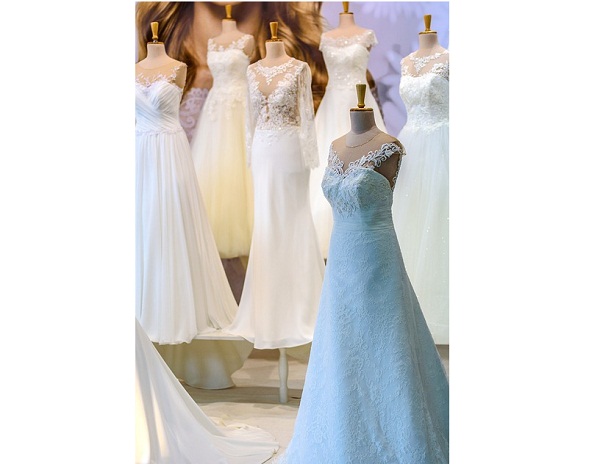
The new kid on the block in the apparel market is the growing segment of rental fashion garments as the need to wear newest fashion trends on a budget by social influencers and Gen Z keeps growing. As fashion brands' rental market for specific occasions fuel growth few top luxury brands are now jumping into the rental and resale bandwagon. With industry forecast expectations of the global online market for clothing rentals expanding at a strong CAGR of 11 per cent between 2021 to 2031 many brands are now eyeing the icing on the fashion market cake.
Garments on rent were earlier considered to be inferior hand-me-downs and out-of-date, many customers kept their fashion seconds a secret as it came with a social stigma. However, it’s a changed situation now with social media taking over and people recognizing the practicality of hiring expensive garments for a one-time use instead of splurging on buying one. Renting designer clothing, wedding and graduation outfits and many other occasion-specific clothes costs just a fraction of the original cost and is just as glam.
“Growing sustainability awareness and the technologically sophisticated Indian youth are driving the industry's expansion. Rental fashion offers various solutions, including tackling the waste problems of fast fashion and promoting a circular economy by extending the lifespan of clothing. Rentals are a mindset change business and since transparency and brand values are important to Generation Z and millennials, they appreciate brands that are digitally focused and environmentally friendly,” explains Aanchal Saini, CEO, Flyrobe, a wedding dress rental service.
Social media penetration revamps market
Technological advancements, internet penetration, growing popularity of fashion vlogs and film industry and increasing popularity of online retail over the last few years are the strong factors driving market. Subscription model is a new style that the clothing rental market is beginning to adopt. It appeals to retailers that must quickly adjust to shifting consumer tastes before particular styles become unpopular.
The size of the online clothing rental market is expected to significantly grow between 2021 and 2031 and is projected to produce $1.8 billion. Future Markets Insights in its study has forecasted the US has emerged as a highly lucrative market, accounting for nearly 95 per cent of the North American rental market. The UK is performing well within the Europe market with an 11.8 per cent Y-o-Y growth in 2021. Germany and France are strong contenders while demand in China and South Korea is expected to be higher than in Japan. Manufacturers are showing increased attention to children's segments as kids have become more style and brand conscious and yet outgrow their clothes quickly. However, due to the plethora of unorganized manufacturers selling low-cost, non-branded goods, hampering the branded segment, this is a tricky segment indeed.
Diversifying its product offering, experimenting with various business strategies, and taking into account customer input, the industry has evolved. Some major players dominating the market are: Rent the Runway, Rotaro, GlamCorner, Gwynnie Bee Company, Mine for Nine, among others.
With the environmentally friendly option of recycling clothes having become the new normal, today’s consumers are sharing outfits with practicality and versatility going hand in hand. The new cool of luxury garments is a revamped and pre-loved one and it is here to stay.
2023 is the year of luxury leather
The luxury leather industry is set to grow in 2023. Leather accessories are the most desirable and fashionable objects to look out for in 2023.
Rendering a touch of sophistication to minimalist outfits, leather bags, wallets and shoes have historically accentuated looks and the luxury market for these goods will only boom in 2023. As the traditional consumer becomes more modern, new colorways are being desired for leather accessories in the coming year. Box bags with minimal embellishments and simplistic designs are making a great comeback to achieve that perfect elegant look.
After the pandemic, brands which offered luxurious travel leather goods are still on the recovering spiel and this is expected to scale positively as the world opens up faster. As physical appearances for occasions are also increasing, gifting leather accessories as a token of appreciation exudes both elegance and class. All of these contributing factors will only help snowball the fashion frenzy, and increase the revenue of significant market vendors. Luxury leather accessories are adorned by an eclectic mix of people, from business tycoons to the youth, from high-class women to travelers seeking durable and spacious bags, therefore demonstrating its significant and growing impact on the fashion industry.
As the key players continue to drive high revenues, it will be interesting to see new players capitalize on this growing taste for leather accessories and give traditional brands a run for their money in 2023.
India: Good Fashion Funds help Pratibha upgrade
Good Fashion Fund has helped Pratibha Syntex upgrade its spinning, processing, and garment divisions. There has been a positive, compounded effects along Pratibha’s value chain.
Pratibha Syntex has installed new spinning equipment, solar panels, a continuous tumble dryer, and made enhancements to effluent treatment. The new spinning equipment (card chute, comber, ringrame, autoconer) operates significantly more efficiently than the legacy machinery, both in terms of energy use and waste generated.
Investment in solar panels is ongoing but already more than 30 per cent of use is met by renewable energy and additional installations are planned aimed at increasing that share to 50 per cent.
The continuous tumble dryer has replaced several pieces of equipment used for treating fabrics and has fully eliminated the need for water and has significantly reduced power use in this process.
In order to achieve complete circularity and reduce the need for freshwater, Pratibha is setting up a process whereby neighboring wastewater is treated in addition to their own, using the resulting clean water in their process.
Good Fashion Fund is a funding drive to increase sustainable manufacturing practices launched by Fashion for Good, a global platform for fashion and textile innovation. Pratibha Syntex is into cotton, fibers, fabrics and apparel.