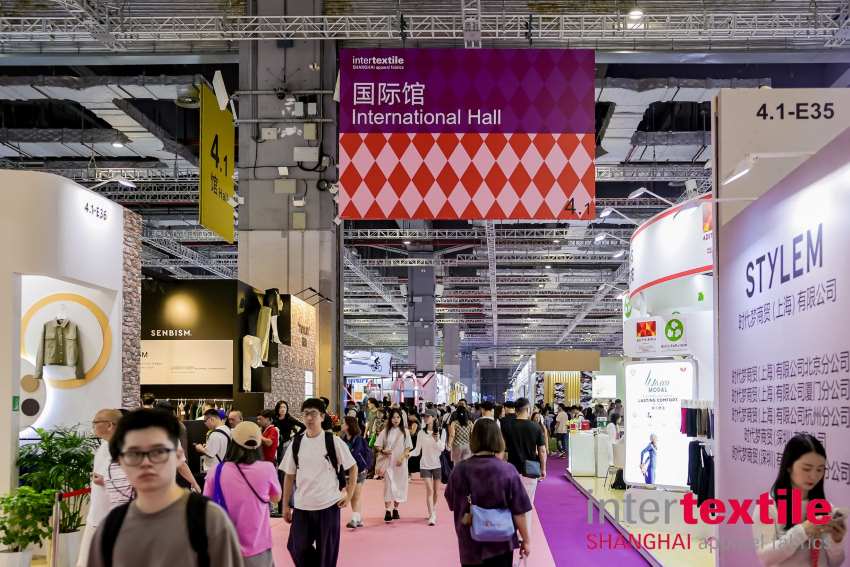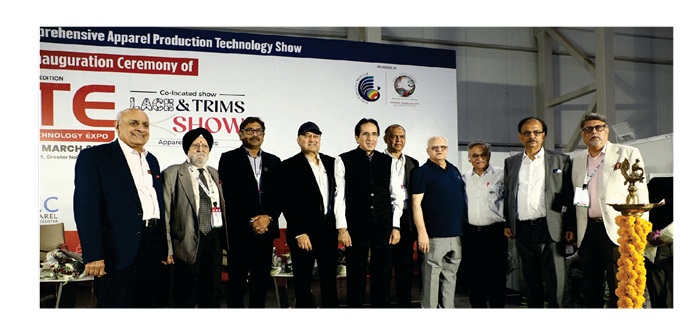
The conclusion of the 39th Garment Technology Expo (GTE 2026) in Greater Noida has signalled a decisive shift in South Asia’s apparel sector toward high-tech, automated production. Drawing over 18,900 B2B visitors to the India Expo Centre & Mart, the four-day event served as a critical platform for manufacturers grappling with rising operational costs and a shifting global trade landscape. With 200 exhibitors representing 650 brands across 140,000 sq ft, the rise in participation - evidenced by previous exhibitors booking larger floor spaces - highlights an industry-wide urgency to modernize traditional shop floors into ‘smart factories.’
Cross-border innovation and the rise of AI-driven production
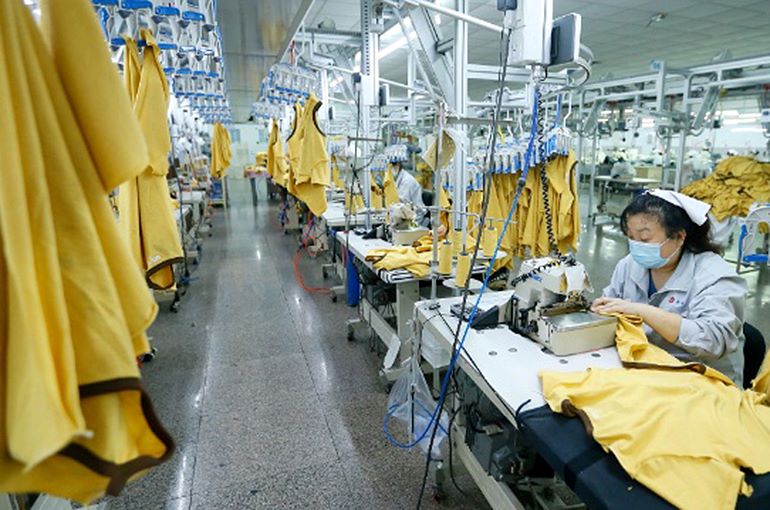
A significant strategic development at this year’s Gexpo was the heavy presence of international technology providers, particularly from China, specializing in AI-powered automation and knitting machinery. These exhibitors introduced intelligent production systems designed to reduce reliance on manual labor while increasing precision in garment finishing and assembly. The showcase emphasized that the next phase of Indian apparel manufacturing will likely be defined by the ‘smart factory’ model, where real-time technology comparisons and live machinery demonstrations provide a roadmap for operators to upgrade their skills alongside these advanced systems.
Government alignment and future sector growth
The expo’s relevance was further enhanced by its status as an MSME-approved event with support from the Ministry of Textiles, providing a bridge for smaller enterprises to access government-backed technology adoption schemes. Beyond immediate sales, the event integrated academic insights through the National Institute of Fashion Technology (NIFT), which provided trend forecasts to help manufacturers align their production capabilities with future market demands. As the industry prepares for the 40th edition in Bengaluru this September, the focus remains on leveraging these technological collaborations to maintain India’s competitive edge against evolving global tariffs and volatile market expectations.