US lawmakers urge AAFA for fair wages in Bangladesh
US Congress members, including Rep. Alexandria Ocasio-Cortez, penned a letter urging the American Apparel & Footwear Association (AAFA) to support fair wages and labor rights for Bangladeshi workers.
Criticizing Bangladesh's recent inadequate wage hike, the lawmakers called for AAFA's robust backing. The letter aligned with the Biden administration's stance and emphasized US brands' role in demanding better wages and rights.
It urged engagement in Export Processing Zones, warning against repeating unfair wage-setting paths. Endorsed by various organizations, the letter stressed reassessing minimum wage decisions while upholding fundamental workers' rights.
Superdry expects profit to dip despite cost control
With an unusually warm weather hitting sales of its autumn/winter collection, and consumers’ curbing expenses on fashion, UK-based fashion retailer Superdry expects its profit to dip this year.
A manufacturer of jackets and clothing inspired by American vintage styles and Japanese-inspired graphics, Superdry tried to raise funds and control costs by limiting its expenses on digital marketing and existing wholesale business in the US.
However, its business continues to remain low. For the six months ended October, 28, the brand’s retail sales declined by 13 per cent while wholesale sales fell by 41.1 per cent.
Currently, the brand’s sales are down by about 7 per cent on a like-for-like basis.
According to the British Retail Consortium, the brand’s retail sales in the UK remained tepid in November despite Black Friday deals.
Its revenues are expected to remain weaker than market expectations despite cooler, climatic conditions boosting sales, says Clive Black, Analyst, Shore Capital.
Tejin Frontier launches new high-performance fabric
Teijin Frontier has launched a new Microft MX high-performance fabric made from highly-deformed cross-section multifilament yarn.
The yarn used to make the fabric is made by mixing single filaments of polyester and nylon using a unique spinning technology. These filaments produce deep colors and are give the fabric an appearance of a finely woven chambray due to difference in dyeing effect of both fibre elements.
Having a V-shaped highly deformed cross-section, the new fabric is both bulky and soft at the same item. Its nylon-polyester mix helps it combine desirable features from both materials, such as the abrasion resistance and color development capabilities of nylon and the water absorption, quick-drying properties and shape stability of polyester.
Teijin Frontier plans to promote the Microft MX fabric for use in 2025 spring and summer outdoor clothing and sportswear collections. The company will further broaden its applications to functional innerwear and fashion clothing, with an aim to sell 500,000 m per year by 2026.
Apparels combining style with functionality have been gaining in popularity in recent years, reports Teijin. Fabrics with superior functionality and new looks and textures are in demand, Yet, progress in developing materials combining the texture and functionality of polyester and nylon, has been slow, the company adds.
BAM Bamboo Clothing launches new Flexa Collection
British sportswear brand BAM Bamboo Clothing has launched a new Flexa collection that blends bamboo-based fibers with Amni Soul Eco, a green fiber produced and distributed by Fulgar.
On correct disposal, the fiber biodegrades ten times faster than conventional products.
The new Flexa collection focuses on this accelerated decomposition. It offers seamless and comfortable sportswear that is ideal for toughest training regimes. The collection comprises a body suit, a top, women‘s leggings and a men’s active top.
The Flexa Balance Body suit in the collection is made entirely from the Amni Soul Econ fiber. It has a seamless structure and is ideal for yoga sessions. The crop top provides medium support during training. The top has a V shaped neck at the back which provides consumers with total freedom of movement.
Leggings made with the Amni Soul Eco fiber are stretchy, hard-wearing and super-comfy during use. While Men’s Flexa Long Sleeve Active Top is ideal for open air running.
An international leader in the synthetic fiber sector, Fulgar produces and distributes nylon 6.6 and covered elastomers in the textile and technical fabric sectors. Launched in the late 1970s at Castel Goffredo in Italy, Fulgar has carved out a position as sector leader on the international scene, confirming its international approach with new production centres and installations.
US tops textile and clothing imports from Vietnam: VITAS
United States became the largest importer of textile and garments products from Vietnam with shipments to the country surging to over $11 billion by the end of September 2023.
As per Vu Duc Giang, Chairman, Vietnam Textile and Apparel Association (VITAS), this year, Vietnam also expanded its export base to 104 countries and destinations.
Japan followed as the second largest importer of textiles and garments from Vietnam with shipments worth $3 billion to the country. The third largest importer of textiles and garments from Vietnam was the European Union whose imports totaled $2.9 billion, South Korea, with textiles and apparels imports worth $2.43 billion ranked fourth, while Canada with imports totaling $850 million and China with garment and textile imports worth $830 million ranked fifth and sixth respectively. .
Jackets remained the most exported clothing item from Vietnam during this period with exports totaling $4.38 billion. Those were followed by trousers with over $3.85 billion worth of exports and shirts with exports of $1.87 billion.
Vietnam can reduce its dependency on large markets by diversifying markets, products, customers and partners, opines Giang. In 2022, the country earned an export revenue worth over $44 billion. However, in 2023, its export earnings are expected to decline by over 9 per cent. to over $40 billion.
Decathlon continues supply to Russia despite sanctions
Despite numerous western companies exiting the Russian market amidst the Russia-Ukraine war, French sports and leisure goods conglomerate Decathlon continued to supply clothing to its Russian client Desport, through a 'shell company' in Dubai.
Decathlon supplied Kalenji jogging jackets, Wedze ski jackets, Quechua pants and shoes worth $12 million to the Russian company. The company airlifted these clothing items from their factory in Bangladesh, where they were by an intermediary company.
Owner of Decathlon, the Mulliez Group, remains one of the few French companies to maintain its operations in Russia. Most of the company’s operations are concentrated in Auchan, which generates over 10 per cent of its sales.
Despite the suspension of commercial activities in its Russian stores and online site a few after the commencement of the Russia-Ukraine war, Decathlon secured permissions from the local authorities to sell its products in 36 stores owned by a Russian entity named ARM.
The goods were procured by Decathlon from it Asian suppliers and purchased by a subsidiary based in Singapore who transshipped the goods via Dubai
Pakistan’s cotton imports decline to record low in FY 23-24
Pakistan achieved a remarkable feat by reducing its cotton imports bill to $2.4 billion in FY23-24, as the domestic production revived.
According to annual projections for 2023-24, cotton imports may not even secure a spot in the country's top 10 import categories.
However, this remarkable feat was achieved amidst challenging economic circumstances, including strict central bank restrictions imposed due to a foreign exchange liquidity crisis.
The average burrowing cost for the entire year is expected to remain significantly above 15 per cent, says Muhammad Sualeh Ahmad Faruqui, Secretary of Commerce.
The industry also suffers from the discontinuation of concessionary financing schemes and tightening of subsidised energy tariffs, he adds.
Over the past three fiscal years, Pakistan’s cotton import bill averaged $2.25 billion annually, making it the fifth-largest imported component by the country.
However, despite this, Pakistan is unlikely to meet cotton output target in this marketing year as production is likely to remain a million bales below the average production from FY18 to FY22, adds Faruqui.
Contrasting global economic trends, with plummeting cotton prices and a potential recession in key export destinations also make the future of Pakistan’s spinning industry uncertain.
However, if Pakistan’s cotton production in the current year reaches the same level as that in FY21-22, its imports will remain restricted to 4.5 million bales. This will enhance the total domestic supply to 13 million bales, adds Faruqui
Demand for imported cotton in the local market has declined, avers Faruqui. Though the frequent shortfalls in domestic production necessitate imported cotton, a surge in demand in recent years, have boosted industry prospects, he adds.
India’s role pivotal in US Cotton industry growth: CCI
In-depth discussions on the US cotton industry growth are incomplete without a focus on India’s role in global cotton consumption, said Peush Narang, Representative, Cotton Council International (CCI) at its annual Cotton Day seminar in Coimbatore, India.
The Indian textile industry is deeply influenced by the combination of high quality US cotton with innovation, responsible production and technology in the sector, added Will Bettendorf, Director-South Asia, CCI. The combination of US cotton with the ingenuity of the Indian textile mills yields an excellent, sustainable and high-quality product for India's leading export markets, he added further.
Talking about Cotton USA SolutionS®, Bettendorf said, it is one of the innovative programs that differentiates US cotton through data, service and intelligence. Its five business-building offerings demonstrate the role of US cotton plays in boosting a textile mill's productivity, efficiency and profitability.
These state-of-the-art services are complimentary for mills meeting the US cotton purchase requirements, and members of the US Cotton Trust Protocol, a program setting a new standard in sustainable cotton production, Bettendorf added.
According to him, the Trust Protocol’s goals are not just quantifiable and verifiable but also a measurement of the key sustainability metrics in US cotton production.
The Trust Protocol has collaborated with Supima to enhance supply chain traceability and make farm-level, science-based data available, noted Marc Lewkowitz, President & CEO, Supima.
Launching Supima's AQRe™ Project, a new platform to facilitate the real-time, credible and responsible sourcing of textiles made with Supima cotton, Lewkotwiz noted, the US has a distinct role to play in India’s textile sector. CCI has been holding direct meetings with its partners to support the deep ties between the two nations, he informed.
A non-profit trade association, CCI promotes US cotton fiber and manufactured cotton products around the globe with its Cotton USA™ trademark. The organisation is spread across 50 countries with 20 offices around the world.
Working with spinning mills, fabric and garment manufacturers, brands, retailers, textile associations, governments and the USDA, CCI promotes the use of US cotton and aims to make it the most preferred fiber for mills/manufacturers, brands/retailers and consumers.
Luxury brands retain exclusive image but adopt inclusive marketing strategy
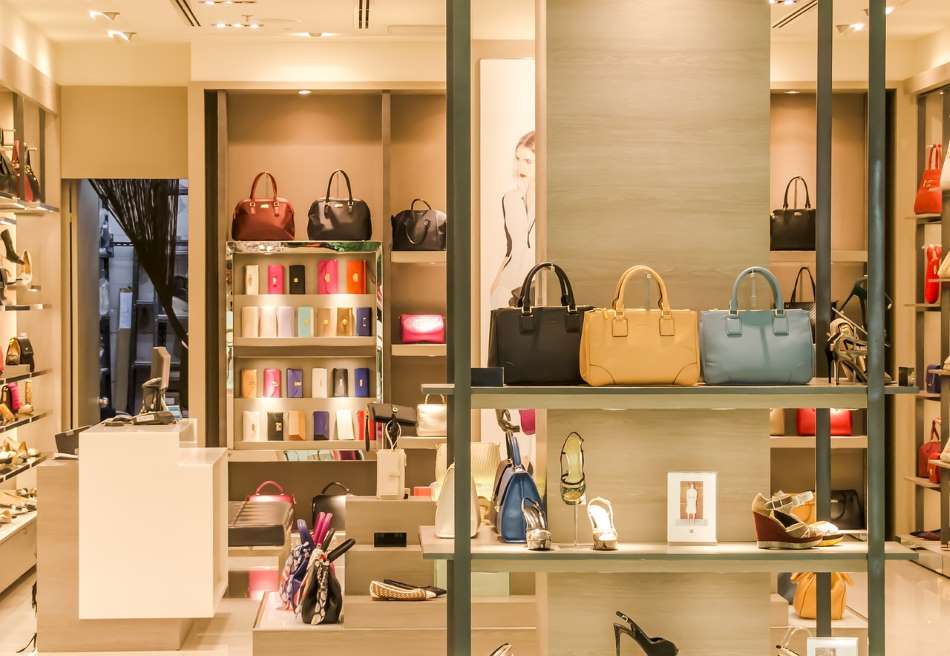
Once upon a time, luxury was the symbol of exclusivity, an expensive proposition for the select few. For decades, there were a few luxury brands, mainly of European origin, that had the rights on exclusivity. Leading global luxury brands like Hermès, Chanel, Louis Vuitton and Dior maintained a tight grip on retail operations, mainly through their own outlets which allowed them to avoid discounts and fully control their brand image. The marketing mantra for this upper-most echelon of brands was they were never on discount. Of course these brands held the much-awaited sales a couple of times a year to clear stock and move in with the next season’s collections, tantalizing and teasing those who couldn’t afford them otherwise.
However, times have changed. Europe is no longer the only region producing all things luxury. International brands from Japan, the United States and other parts of the world have entered the market. Making inroads into this sector are bridge brands that have positioned themselves as affordable luxury. In this mix, e-commerce made its presence felt, the preferred shopping platform for the younger millennials and Gen Z consumers, hungry for luxury experiences. This dynamic caught the iconic luxury brands off-guard and they scrambled into competitive mode, including discounts, coupons and online loyalty points.
Elevated image dresses down to gain more sales
Last week, while studying the performance of luxury brands during the most popular buying season across most parts of the world, Wall Street Journal stated that the indications are clear – luxury brands are reaching out to a customer base that was not necessarily on their radar.
It seems that contrary to many marketing gurus pronouncing the luxury sector as recession-proof, many luxury brands are not being able to move their inventory at a desired rate and have started turning to what they term as inclusivity through even discount channels that are anything but prestigious. Early holiday shopping season discounts from high-end fashion retailers like Bergdorf Goodman of New York raised concern that an underwhelming performance leading up to Christmas could lead to inventory stockpiling, potentially dragging labels into a discounting spiral that would cheapen their image.
Luxonomy, an online site dedicated to the study of the sector has recently stated that pricing strategy is a powerful tool that should be considered, while going after the bigger consumer base for inventory clearance. Luxury brands offer a perceived value of excellence and the premium association may run the risk of value erosion when discounting happens. Additionally, the high-profit margin will also drop with such tactical selling. End of the day, all things luxury are purchased based on emotional triggers rather than practical requirements.
Embracing artificial intelligence to manage inventory
Analysts say fashion houses are overall much better equipped than during the crisis of 2008 and 2009, when the spending slowdown was sudden. On the subject of direct-to-consumer sales by high-end labels in the personal luxury goods market, according to a Bain report, figures have increased to 52 per cent in 2023 compared to 40 per cent in 2019. Many larger and legacy brands are actively working with artificial intelligence to not only do a more precise sales forecast and thereby adjust production, but also interpret trends to fine-tune seasonal collections and classic portfolios associated with their labels. The report also states that technology is playing a crucial role to avoid overstock issues as AI-powered tools are adept at examining macro indicators such as historical sales of similar products and trends scraping on social networks as variables.
It certainly looks that luxury brands are dealing with a different set of perceptions and values that younger consumers have inculcated through their generational priorities and are carefully treading water to retain their exclusivity as they broaden their customer base.
Junior's Fashion Week unveils glamorous fusion in Hyderabad
Junior's Fashion Week (JFW) dazzled at The Westin Hyderabad Mindspace, unveiling Lee Cooper Kids' collection amid opulence.
ZOOP by Titan, the accessory partner, and prime sponsor Kidsup elevated the spectacle, featuring iconic brands like Emporio Armani, GUESS, Stella McCartney, and Sonia Rykiel. Rookie USA's showcase added allure with Nike, Jordan, Levi's, and Converse. ZOOP, Titan's cherished kids' watch brand, embodied timeless style.
The Lee Cooper Kids Club celebrated diversity, offering versatile, comfortable collections. JFW, a fusion of fashion and business, forged global alliances. Teaming up with Junior's Model Management, it empowered young talents, emphasizing "Confidence is Beautiful."
The event, organized by Junior’s Brands Private Limited, garnered recognition and drew high-net-worth buyers, influential mothers, and media channels. The Hyderabad edition promised radiant exposure and opportunities for brands and talents alike.
More...
EURATEX Manifesto: A blueprint for a competitive textiles industry

In anticipation of the upcoming European Parliament elections from 6 to 9 June 2024, EURATEX, the European textile and apparel association, has released a Manifesto outlining 15 key requests aimed at fostering a competitive European textiles and clothing industry. The Manifesto comes as Europe faces a pivotal moment, with the outcome of the elections determining the formation of a new European Commission.
Driving entrepreneurship for a competitive industry
EURATEX emphasizes the vital role played by the textile and apparel sector, contributing significantly to European wealth, jobs, and growth. With 192,000 companies employing 1.3 million workers and a turnover of €167 billion, entrepreneurship is touted as the cornerstone for a competitive industry, providing high-quality, sustainable products through innovation, creativity, and design. The association calls for recognition from policymakers and an open dialogue to establish favorable conditions for operation in both internal and global markets.
Crafting a smart EU industrial policy
Central to EURATEX's vision is the development and implementation of a "smart" EU industrial policy. The association advocates for policies that enhance competitiveness without burdening businesses with excessive administrative hurdles. EURATEX proposes a "competitiveness test" for new legislation, ensuring a critical examination of its impact. Additionally, the association urges investment in innovation, digitalization, and sustainable energy access at competitive prices.
Balancing sustainability with competitiveness
While committed to sustainability, EURATEX calls for economic realism in implementing the EU Strategy for Sustainable Textiles. With 16 regulatory proposals on the table, the association stresses the need for coherence, enforceability, and applicability for SMEs to prevent market exit. EURATEX warns against fragmentation caused by varying national regulations, hindering growth prospects for European textiles.
Ensuring free and fair trade
As the second-largest global exporter of textiles and clothes, Europe, with $224 billion in merchandise sales, aims to secure open, free, and fair global markets. EURATEX emphasizes the importance of trade agreements offering effective market access and a level playing field for EU companies. The association calls for coordinated efforts with member states to enforce trade laws, ensuring protection against free riders.
Incentivizing demand for sustainable textiles
Recognizing the challenges posed by premium prices for sustainable products, EURATEX proposes standard requirements and fiscal incentives to drive demand. The association advocates for green public procurements by public authorities, integrating sustainability criteria into evaluation grids.
Alberto Paccanelli, EURATEX President, underscores the urgency, stating, "These elections are a turning point for the future of Europe and its industrial base." The Manifesto serves as a blueprint for aligning European industrial practices with global standards, fostering a greener, wealthier future through collaborative efforts.
Swiss firm Rheiazymes joins ITMF as Corporate Member
In a pioneering stride towards sustainable textile practices, Rheiazymes, a biotech startup, takes center stage with its proprietary molecular bio recycling technology. Their inaugural application, YARN-TO-YARN, addresses the recycling void for synthetic yarn blends and functional textiles, utilizing natural enzymes to champion eco-friendly solutions.
Christian Schindler, the Director General of the International Textile Manufacturers Federation (ITMF), underscores the significance of embracing innovative entities like Rheiazymes. He emphasizes the pressing need for scalable recycling solutions in the textile value chain, applauding the collaboration between established industry leaders and startups to foster sustainable and commercially viable answers.
Sandra Grimmer, CEO & Co-Founder of Rheiazymes, highlights the global impact of winning the ITMF Start-up Award 2023. The accolade has not only elevated their international visibility but has also facilitated increased access to the global textile value chain.
Grimmer emphasizes the crucial role of ITMF as a unique international platform, providing a conduit for Rheiazymes to engage with and understand the concrete needs of the industry worldwide. With groundbreaking solutions in the pipeline, Rheiazymes aims to transform the textile sector into a beacon of sustainability.
Pure London x JATC fashion extravaganza unveils iconic line-up at Olympia
The upcoming Pure London x JATC show, slated for February 11-13, 2024, at Olympia London, promises a vibrant convergence of global fashion trends across distinct destinations: Footwear & Accessories, Jewellery, Menswear, and Sustainable offerings. The announcement has generated buzz with its eclectic mix of new entrants and returning favorites.
In the spotlight is the Footwear & Accessories showcase, featuring international must-have shoes and an expansive array of accessories. Spanish brand ALPE seamlessly blends tradition with innovation, while Natural World presents ecological footwear crafted from 100% organic materials. The Australian brand SOEK introduces ethically sourced sunglasses, and Lefrik showcases high-performance accessories made from recycled plastic bottles.
The Jewellery destination is set to dazzle with trendsetting suppliers like Pig & Hen, renowned for sustainability and unique design, and Narratives The Line, offering a celebratory range mixing materials and techniques. Sustainable fashion takes center stage, with brands like Outerknown and Kusan Accessories championing environmentally conscious practices.
Menswear is making a grand return to Olympia, with an enlarged destination featuring a spectrum of styles, from formal to lifestyle and heritage. Brands like Remus Uomo and Gianni Feraud add sophistication with modern tailoring and a rich history in leather manufacturing.
JATC Creative Director Juls Dawson expresses excitement about the current exhibitors, hinting at more additions to the lineup. The eagerly anticipated festival is set to host over 300 brands, making it a must-attend event for fashion enthusiasts. Save the date for Pure London x JATC, The London Festival of Fashion, from February 11-13, 2024, at Olympia London, promising a fashion extravaganza not to be missed.
HCM City unveils exhibit showcasing Vietnam's fashion evolution
Harper’s Bazaar Vietnam magazine presents "Vietnam’s Fashion Journey 2000-2023," an exhibition celebrating the remarkable growth and diversity of Vietnam’s fashion industry. Showcasing over 100 creations from influential designers like Nguyen Cong Tri and Tuyet Le, the event offers insights into their biographies, collections, and global achievements.
Nguyen Cong Tri, a member of the Asian Couture Federation, contributes signature pieces from his renowned collections, including "Em Hoa" at Tokyo Fashion Week 2017 and "CONG TRI Fall/Winter 2019" at New York Fashion Week, where his designs garnered international acclaim. Tri's creations have adorned global icons such as Adele and Beyoncé.
Tuyet Le, a Hanoi-based designer, presents her exceptional designs worn by international celebrities like Cecilia Cheung and Pia Wurtzbach. Recognized as the Designer of the Year at the Harper’s Bazaar Star Awards 2022, Le has left an indelible mark on the fashion scene.
The exhibition, open until December 23 at the Global City urban area in Thu Duc City, also pays homage to Vietnam’s fashion evolution through reality shows like Vietnam’s Next Top Model and Project Runway Vietnam. An additional highlight is a dedicated section showcasing the traditional Vietnamese craft of silk and handloom weaving.
Nguyen Tran Thien Huong, editor-in-chief of Harper’s Bazaar Vietnam, emphasizes the exhibition's purpose: to commemorate Vietnam's fashion achievements in the early 21st century and honor those who have significantly contributed to its development. Admission to this exploration of Vietnam’s vibrant fashion landscape is free, inviting enthusiasts to delve into the country's sartorial evolution.