Turkish textile industry finding its feet amid challenges
"Contributing 7 per cent to the country’s GDP, and consisting of more than 55,000 textile and clothing companies that provide two million textile jobs, Turkish textile industry has come off age. In 2015, textiles and clothing products accounted for 19.2 per cent of Turkey’s total exports. With textile industry being largely cotton-based, Turkey is the world’s third-largest cotton importer, as domestic output is not sufficient to meet demand. Having said that, cotton production in Turkey is slated to rise by 15 per cent this year, growing to 425,000 hectares of planting area and 650,000 tonne of total cotton production."
Contributing 7 per cent to the country’s GDP, and consisting of more than 55,000 textile and clothing companies that provide two million textile jobs, Turkish textile industry has come off age. In 2015, textiles and clothing products accounted for 19.2 per cent of Turkey’s total exports. With textile industry being largely cotton-based, Turkey is the world’s third-largest cotton importer, as domestic output is not sufficient to meet demand. Having said that, cotton production in Turkey is slated to rise by 15 per cent this year, growing to 425,000 hectares of planting area and 650,000 tonne of total cotton production.
Global uncertainties a fear
The EU has now become Turkey’s top export partner with a share of 48.1 per cent of Turkish exports. However, the looming threat of Brexit may change that. Also, with Donald Trump as President of the US a lot is expected to change for Turkey’s textile industry but how exactly it will change remains uncertain. Many textile and fabric manufacturers in Turkey fear the Trump administration may place hefty tariffs on goods imported to the US from Turkey, but whether or not this will become reality remains unclear as of yet.
Meanwhile Turkey itself is facing upheaval and threats to public safety. In 2016, Turkey experienced multiple ISIS-related bombings and terrorist attacks, the most widely reported one being the attack on Istanbul’s Ataturk Airport in June 2016. This increase in terrorism is causing many Western clients and consumers to avoid doing business in Turkey. Turkey has lost its traditional markets in the region for its exports—Yemen, Iraq, and Syria—to civil war and other political and humanitarian crises.
Russia was once also a large market for Turkish textiles but Russia-Turkey relations have been on the decline since November 2015 when Turkey shot down a Russian jet; in retaliation Russia imposed economic sanctions on Turkey. Though the economic damage to the textile market—and numerous other markets—has already been done, the two countries have since worked together to try and rebuild their partnership.
Impact of Syrian crisis
Syria was once an important supplier of raw materials for Turkish textiles, but the Syrian crisis has drastically changed this. The economy and most industrial production markets in Syria have been decimated. The Islamic State now reportedly controls Syria’s cotton production and supply and Turkey officially refuses to accept imports of ISIL-controlled cotton. As Syria has traditionally been one of Turkey’s main suppliers of raw cotton, this is negatively impacting Turkey’s textile industry and forcing them to look for other ethical but high-priced sources of cotton.
Additionally, Turkey is now home to more than 2.5 million Syrian refugees. More than 660,000 school-age Syrian children in Turkey are not in school; a large percentage of these children are illegally working textile jobs in order to help provide for their families and make ends meet.
Positive steps towards improvement
Currently, Turkey does not recognise Syrian refugees as refugees; it instead puts them under ‘temporary protection’, which offers them more rights than traditional refugee status but for a shorter period of time. The Turkish government claims that it is taking steps towards better protecting Syrians in Turkey, particularly children, and are putting measures in place to punish companies that exploit unregistered or underage refugees for labour.
Turkey is also expected to increase its cotton production this year, which will put it on track to become less dependent on external sources of cotton, saving the textile and apparel industry both money and ethical dilemmas. Working to improve relations with Russia will also boost the textile industry.
The Turkish Government’s ‘Turquality’ programme is also expected to help boost the textile and apparel market in the country. The programme is intended to provide subsidies to companies and manufacturers in order to assist with marketing and strategic positioning of products.
Chic Spring 2017 at Shanghai from March 15 to 17

Chic Spring 2017 will take place from March 15 to 17 in Shanghai. This show, termed as Asia´s largest fashion trade show, will again attract the international world of fashion.
As many as 1,200 international and national fashion exhibitors will present new trends and tendencies for fall/winter 2017/18 at this show. More than 100,000 trade visitors from all over China and other nations are expected to visit the exhibition too.
In the international segment, a total of 18 regions and nations will be participating. Among them, there would be big national pavilions from countries like Italy, France and Germany. Turkey will be present with a national pavilion as well. Further individual exhibitors would come from Spain, UK and Switzerland. Also present would be Peru, Japan, Taiwan, Hong Kong, South Korea, Canada and Thailand.
Due to the high demand for shoes and bags in the Chinese market, special attention will be paid to these product categories in all segments of the fair. For the first time Chinese brands will be concentrated under the title Shanghai Bag Expo at the show. Technical progress in the fashion industry will be a topic at CHIC. Companies such as Regentsoft and Qishon will present their innovations in the fields of software for multi channel solutions 3D technology.
Rising demand attracts numerous sports brands to Korea
Premium sportswear brands from around the world are making a beeline for Korea. One such is Under Armour, a US-based sportswear brand known for its sweat-absorbing compression shirts. Another is Lululemon Athletica, a Canadian yoga apparel brand dubbed the Chanel of yoga apparel because of its high price tags and premium quality.
In contrast to the sluggish fashion industry, Korea’s sportswear market has shown continuous growth. Last year, sales showed a 5.8 per cent year on year increase from 2015. Sales this year are expected to rise 4.4 per cent. K2 Korea, an outdoor-oriented fashion group, will bring German sportswear brand Dynafit to Korea this spring. The brand was originally a ski gear manufacturer. It will rebrand itself as a training and running apparel brand in Korea.
Fitness freaks in Korea will have abundant apparel choices starting this year. In response to foreign brands’ arrival, domestic fashion houses are gearing up to go head-to-head with them. LF, a fashion arm of LG Group, will launch a sports line of its New York-based brand Jillstuart with this year’s spring/summer collection. It is the first time that LF will present a sportswear brand that includes diverse sports categories, from training to yoga. The company will open 150 shops by 2020.
Reducing trade costs can boost exports
India has the opportunity to improve its share of global trade, especially in exports, through increased competitiveness. It will probably be the only country to deliver nearly double-digit growth in container trade this year.
Reducing costs by a fourth can substantially boost exports in sectors like textiles, pharmaceuticals, electronics and auto components. Costs can be reduced by prioritizing digitization, inland infrastructure development, an efficient regulatory environment and developmental training. These can boost exports by five to eight per cent.
Indirect or hidden costs of trade in textiles, pharmaceuticals, electronics and auto components accrue from unreliable transport services and regulatory or bureaucratic delays and are as high as 38 to 47 per cent of the total logistics cost. A ten per cent reduction can boost India’s competitiveness and contribute additional revenues of up to 5.5 billion dollars annually.
Indian ports and terminals are well placed to deliver efficiencies and higher productivity. Terminals can collectively contribute better to lowering costs of trade with certain interventions such as market driven tariff regime, better rail connectivity from ports and reducing middle men or increasing transparency in inland movement of cargo.
APM terminals in Nhava Sheva has consistently increased its container throughput and productivity since 2006 and as a result has improved India’s liner shipping connectivity, delivering an additional nine per cent in trade.
Readymade garment units in Solapur eye Rs 1,000 cr. business in two years
Solapur-based garment units manufacturing readymade school and corporate uniforms have drawn up plans to achieve Rs. 1,000 crore in revenues in the next two years, according to a top official. Joint Secretary, Sri Solapur Readymade Kapad Utpadak Sangh, Amit Kumar C. Jain said that the units in Solapur can easily do a business of Rs. 1,000 crore in two years. He said that the Sangh had recently conducted a uniform and garments fair which would fetch an additional business of Rs 200-250 crore. They have also received enquiries from international buyers based in Sudan, Iran, Iraq, Czech Republic and Kenya for readymade school uniforms. So much so, representatives from Sudan have also eveinced interest in putting up a manufacturing unit in Solapur, he claimed.
There are more than 1,000 garment units in Solapur employing more than 60,000 people. The units do an annual business between Rs 600-650 crore and boast a market share of 7 to 8 per cent, he said. The Indian readymade uniform market size is pegged at Rs. 18,000 crore, of which the organised sector accounts for nearly Rs 12,000 crore. Uniform-making units are scattered across seven to eight major cities such as Tirupur, Kolkata, New Delhi, Mumbai, Indore and Ludhiana.
Pakistan: Industry wary of much delayed textile package
Pakistan Prime Minister Nawaz Sharif has unveiled the much-awaited textile package worth Rs 180 billion. In the current year, the government has already provided a reduction in power tariff and has tried to provide uninterrupted power supply to the textile industry. Moreover, five exports sectors have already been declared zero rated. Now, the government is trying to appease powerful stakeholders in some or the other way since the election campaign is gaining momentum each day.
The package was delayed by a couple of years. When international prices started to decline in 2013-14, the exporters somehow needed this package anyway. On the external front, exporters were getting lower prices for their products. On the internal front, they faced gas and electricity load-shedding and even higher power tariff. Caught by the electricity issue in the beginning, the government turned a blind eye.
Small and medium sized exporters were hurt when rupee appreciated against dollar from 105 to 98. Many went out of business due to forex volatility. That was the time when exports started to decline and industry clamoured for a relief package, but the government denied it. By keeping rupee strong for so long, the government has aggravated the problems of exporter since exports are of low value-added nature which cannot command higher prices. Under these circumstances, a planned package is required to upgrade the industry.
The package is a generic one without a differentiation strategy. There is always a need to differentiate between small and large exporters. In an ideal situation, small exporters are subsidies dependent, while large exporters can easily look after themselves. The span of the package is short it will last 18 months. The first six months of the package are unconditional that the export subsidies would be given out without any commitment from the industry. The rest are conditional on expansion of exports. In this short span, the industry cannot re-orient itself and gear for high exports. Furthermore, the chances of new entrants in the export business are minimal.
Mom jeans among denim trends
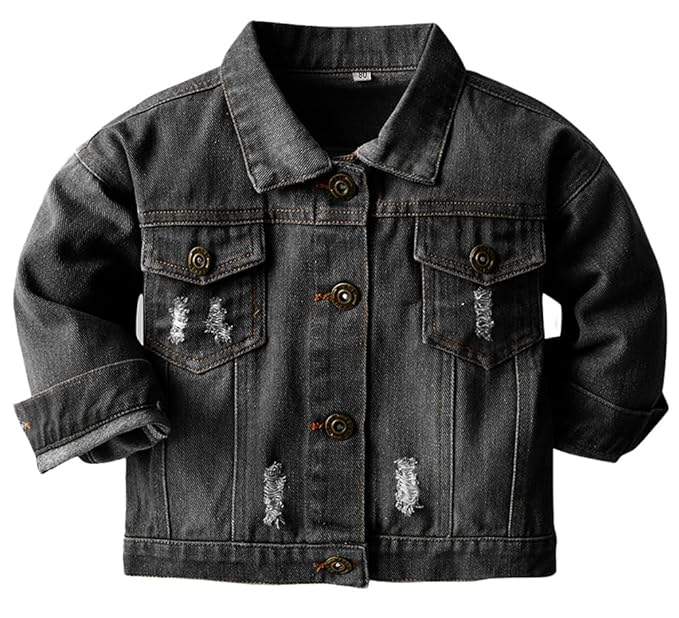
Denim trends for 2017 include mom jeans, cropped kick-flares and customised pieces. Mom jeans are high-waisted with a tapered leg. They look just as good with trainers as they do with a pair of heels. A waist belt helps bring balance. The cropped kick flare flatters most body shapes thanks to the cut of the leg. Customised jeans have fringes, super rips and step hems, with embroidery and badge details.
Since distressed edges have come and gone, as also culottes, high waist jeans and the boot cut. So the way forward is super-low-cut, low-rider jeans. On the catwalk, designers now mix jeans with their hand-beaded evening gowns. Low rise jeans are expected to be back in a year. Boyfriend jeans often have a turn-up. They can be paired with pointed heels and a jacket, or with chunky boots and an embroidered sweater.
Flares of all lengths are in. Authentic, vintage-looking blue jeans with minimal stretch and a high rise are in. The high rise non-stretch jean with a slim tapered leg is trending. Cropped flares are continuing to have a real moment. Vintage silhouettes remain the key players in fashion denim. Double frays are an alternative to wearing distressed jeans in places like the office, where rips and holes go too far.
Victoria's Secret pledges to trace sources of its wood-based fabrics
Joining the ranks of fashion companies addressing human rights and deforestation, Lingerie giant Victoria's Secret known for its racy bras and thongs has pledged to trace the source of its wood-based fabrics, its parent company has said. In a new policy statement, the parent company, L Brands said it aimed to eliminate sources of wood pulp, used to make rayon, viscose and modal that contribute to rainforest destruction or violate the rights of local people.
L Brands is the latest in a growing number of US fashion companies to commit to investigate its supply chain for products from destructive regions and stop using those sources by the end of 2017, according to Rainforest Action Network (RAN). Ralph Lauren Corp, whose designs are popular on Hollywood's red carpets, adopted a similar policy earlier this month.
Production of wood pulp can involve clearing forests to build eucalyptus plantations and taking land traditionally used by indigenous communities, campaigners say. The issue is particularly acute in Indonesia, a major producer of wood pulp. The Victoria's Secret catalogue features voluptuous models clad in tiny thongs, push-up bras and cheekini panties, and its top models who appear in its popular fashion shows are known as its Angels.
Lambodhara Textiles promoters settle case with Sebi
Markets regulator Sebi says it has settled a case with the promoters of Lambodhara Textiles for alleged violations of takeover regulations on payment of Rs 55.25 lakh as settlement fee. It was alleged that the promoters of the Lambodhara Textiles violated Sebi SAST (Substantial Acquisition of Shares and Takeovers) Regulations 1997 by acquiring 68,077 shares of the company through off market mode.
While one of the promoters, Vimala Radhakrishnan, had acquired 5,500 shares of the company in June 2009 through off market mode, another promoter, Giulia Bosco had purchased 62,577 shares in August 2010 through the same method. It was also alleged that the two promoters had acted in concert with company’s other promoters and Strike Right Integrated Services.
After finding the promoters had violated norms, Sebi initiated adjudication proceedings. While the proceedings were in process, the entities proposed a settlement through the settlement mechanism upon payment of Rs 55.25 lakh as settlement fee. Thereafter, Sebi’s High Powered Advisory Committee (HPAC) recommended that the matter may be settled on the payment of the amount offered. This was also approved by the panel of whole-time members of Sebi, following which the entities remitted the amount in October.
Sebi said enforcement actions including commencing or reopening of proceedings, could be initiated if any representation made by the firm is found to be false. Under the settlement mechanism, entities can seek to settle cases with the regulator after payment of certain charges and other expenses.
G-20 asks countries including India to air their views on e-commerce
For the first time, a forum of G-20 has asked various countries to air their views on e-commerce. These countries include India. In three issue notes circulated to the governments of member countries, the forum has asked for views on enhancing the readiness of countries to engage in digital trade and how the WTO can promote ecommerce and measuring the digital economy.
It is now said that India is likely to face pressure from developed countries to open up its e-commerce sector. The German G-20 presidency aims to develop a conceptual framework for measuring cross-border digital trade it is aid. In addition, the G-20 could explore the applicability of WTO rules for digital trade including potential limits of and gaps within these rules and assess its development dimension.
A commerce ministry official acknowledged that G-20 has sought comments on digital trade for the first time. The issue is likely to be taken up at the G-20 meeting this year.
India does not allow foreign investment in business to consumer e-commerce retail. Amazon and foreign investor-funded Flipkart function as marketplaces. Citing lack of international accounting standards and common understanding as challenges in capturing the digital trade in statistics, G-20 noted that the uptake of ecommerce is uneven. It has called for full participation of SMEs in developing countries and less developed economies to benefit from online trade.
More...
14th DTG exhibition to be held in Dhaka from February 23 to 26
The 14th edition of the Dhaka International Textile and Garment Machinery (DTG) exhibition will be held from February 23 to 26. The fair, one of the largest trade fair of its kind in Bangladesh is likely to be attended by over 1,000 exhibitors from 33 countries including India.
Exhibitors will showcase a variety of equipment, products, technologies as well as services and information concerning all the textile and garment processing and production aspects such as spinning, weaving, and more. Jointly organised by Bangladesh Textile Mills Association (BTMA), Chan Chao International and Yorkers Trade & Marketing Service, the fair will include a Celebrity Hall for the first time this year. The hall, located on the ground floor of Bangabandhu International Conference Centre (BICC), will be used to highlight high-end overseas apparel fabrics and accessories brands.
Inspired by prosperous economic outlook and competitive labour force of Bangladesh, many international brands will come to attend the fair to develop a solid presence and tap better business opportunities in the country. Among them are world’s leading brands covering comprehensive textile & garment supply chains, such as Mayer & Cie, Pai Lung, Santoni, Shima Seiki.
DTG is renowned for its high turnout of international exhibitors and trade visitors. It is widely seen as a must-visit, leading textile and garment machinery fair in Bangladesh. Bangladesh enjoys duty-free exports to the EU under the most privileged ‘Everything but Arms (EBA)’ trade scheme, and gains a lot of support from its global trade partners. Among them, Germany, now the single largest export outlet for Bangladesh-made garments next to the US, has promised to help the country’s garment industry double its export volume. With these robust advantages, the Asian country is emerging as a new garment manufacturing hub in Asia.
Bangladesh: Garmentech ends on a successful note
The four-day-long 16th edition of Garmentech Bangladesh-2017 ended successfully. The Fair that concluded last Saturday showcased latest apparel technology besides interactions among renowned technology leaders from all over the world at the International Convention City in Dhaka.
The second day of the exposition on January 19 marked the beginning of a seminar organised by Textile Today which addressed the opportunities and challenges before the garment manufacturers in the nation's quest for global leadership in readymade garment (RMG) exports. At present, Bangladesh is the world's second largest RMG manufacturer and exporter after China. In the last fiscal, the nation exported garment worth $28 million. However, the aim of the Bangladesh Garment Industry is to reach $50 million worth export by 2021, the year the country marks its 50 years of independence.
Anas Shakil Country Head (Bangladesh), ThreadSol conducted a talk on unit cost economics as the key for garment export growth in Bangladesh. He emphasised to ensure meeting the target of $50 billion by 2021, Bangladesh will need to be more competitive in terms of cost. Cost per garment determines the profitability of the garment business. And this cost per garment will have to be lowered or maintained.
As per past trends, the main reason for Bangladesh's dominancy over other South and Southeast Asian markets has been low labour costs. However, with recent developments on strengthening of labour unions and demand for higher wages, this advantage is on the verge of being dented. In this case, technology like ThreadSol will play an extremely important role in overcoming the excessive manual intervention and fabric wastage the industry witnesses today. ThreadSol solutions, intelloCut and intelloBuy ensure that the garment manufacturer buys the right amount of fabric and the fabric wastage is brought down to under 1 per cent.
WTiN, TPF 2017 join hands to drive development of digital printing
"WTiN, in association with the TPF2017 (Shanghai International Digital Printing Industry Fair), the leading international trade fair for digital textile printing in Shanghai – will organise ‘WTiN China Digital Textile Conference (CDTC)’. TPF 2017 will be held from April, 19 to 21, 2017 at the Shanghai New International Expo Center (SNIEC). The focus will be on latest industry trends, Chinese and international print technology developments, inks and other consumables."

WTiN, in association with the TPF2017 (Shanghai International Digital Printing Industry Fair), the leading international trade fair for digital textile printing in Shanghai – will organise ‘WTiN China Digital Textile Conference (CDTC)’. TPF 2017 will be held from April, 19 to 21, 2017 at the Shanghai New International Expo Center (SNIEC). The focus will be on latest industry trends, Chinese and international print technology developments, inks and other consumables. It will also include insights into the unique creative business opportunities provided by digital textile printing technology, and into the supply chain advantages of digital printing over traditional analogue methods. The speakers line up has more than 18 experts and leaders of textile digital printing industry. Nearly 250 industry elites will gather to witness the development of digital printing industry.
Digital printing in China

China is the world’s biggest producer of digitally printed textiles. Year 2015 saw a strong increase in installed base of digital printing capacity in China, as well as in the number of domestically manufactured textile machines. By the end of the year, almost 6,000 dedicated digital textile printers were recorded to be operating in the country, with a capacity to produce over 191 million sq. mt. of digitally printed fabric annually. In addition, there could be as many as 2,000 more adapted roll-to-roll or flatbed machines being used in textile and garment printing applications. All these activities add up to substantial demand for both ink and transfer paper in the Chinese marketplace. WTiN estimates, the growth rate of digital textile printing production in China could be up to 150 per cent from 2014-2019. Digital textile printing's market share will be 7.2 per cent in 2019, with market expectations to reach 2,000 sq. mt. of total yield, and 100 per cent equipment replacement. WTiN estimates digital textile market growth at 30 per cent in 2016
Focus on new business opportunities
The conference will attract leading digital printing machinery companies, ink suppliers, digital printing consumables and design software. As the most influential conference in digital textile industry, CDTC will be a platform for suppliers and users to discuss the opportunities and challenges of this rapid-growing industry.
Incidentally, this is the second time WTiN and TPF have collaborated. In 2016, speakers from Reggiani, SPG Print, Kornit, Sensient and Digitex shared their views on the opportunities and challenges brought about by rapid development of digital printing. Next year, more information and ideas will spread at CTDC 2017.
Buyer mission and business matching
International buyer missions from all over the world will converge at TPF 2017, invited by UBM overseas branches and overseas media partners of TPF. It will give exhibitors an opportunity to gain more insights about overseas demand and expand their business. Visitors from Italy, Spain, England, India, Korea and other countries join in as a part of buyer missions.
Workshops an added attraction
To provide more opportunities for exhibitors to promote their high quality products and new technologies, TPF 2017 will organise several product and technical presentations. Workshops on different topics will be held, giving all an opportunity to gain knowledge about digital printing and its development, as well as market insights and design trends. They will focus on the hot topics of digital printing, such as applications of digital printing, ink technology, print head technology, design software and printing design trends. Industry specialists will share their knowledge to help companies stay competitive.
Sourcing at Magic in the US to focus on Africa
Sourcing at Magic to be held in the US, February 20 to 23, will host an Africa Pavilion on the show floor with countries such as Kenya, Ethiopia, Madagascar, Mauritius, Nigeria, Rwanda, South Africa, Lesotho, Ghana, Cameroon and Uganda participating. The show will highlight the bustling African region with multiple factories and seminars. It will look at how the Trump administration may impact various free trade agreements and international trade relationships.
Experts will analyze the cause and effect between supply chain and recent challenges in the global economy, such as the elimination of TPP, continued rise of costs in China and trade issues between the US and China. Over the past couple years, serious interest in African countries as a major sourcing destination for apparel has grown.
With the recent renewal of the African Growth and Opportunity Act (AGOA) through 2025, which allows certain countries in sub-Saharan Africa duty-free access to the US market, the buzz around Africa has become even louder. Major companies including PVH, VF Corp, H&M, Primark and Tesco began sourcing a portion of their garments from this region a few years ago and it quickly made its way to the forefront as a region of opportunity for many apparel brands. Africa offers a great solution for cost sensitive orders and the ability to create high quality products that are not time sensitive.