India has the opportunity to improve its share of global trade, especially in exports, through increased competitiveness. It will probably be the only country to deliver nearly double-digit growth in container trade this year.
Reducing costs by a fourth can substantially boost exports in sectors like textiles, pharmaceuticals, electronics and auto components. Costs can be reduced by prioritizing digitization, inland infrastructure development, an efficient regulatory environment and developmental training. These can boost exports by five to eight per cent.
Indirect or hidden costs of trade in textiles, pharmaceuticals, electronics and auto components accrue from unreliable transport services and regulatory or bureaucratic delays and are as high as 38 to 47 per cent of the total logistics cost. A ten per cent reduction can boost India’s competitiveness and contribute additional revenues of up to 5.5 billion dollars annually.
Indian ports and terminals are well placed to deliver efficiencies and higher productivity. Terminals can collectively contribute better to lowering costs of trade with certain interventions such as market driven tariff regime, better rail connectivity from ports and reducing middle men or increasing transparency in inland movement of cargo.
APM terminals in Nhava Sheva has consistently increased its container throughput and productivity since 2006 and as a result has improved India’s liner shipping connectivity, delivering an additional nine per cent in trade.

- 1
- 2
- 3
- 4
- 5
- 6
- 7
- 8
- 9
- 10
Trends-Fabrics (Denim-Kidswear) trends for Spring/Summer 2026-27 by Drapers
For the Spring/Summer 2026-27 season, the kidswear denim market is defined by a shift toward lightweight comfort, playful aesthetics, and... Read more
Cost spiral across fibers, chemicals and logistics squeezes India’s apparel expo…
India’s textile manufacturing sector has entered one of its most financially strained periods in recent years as increasing fiber, yarn,... Read more
How India’s textile recycling network is becoming a global ESG blueprint
India’s textile industry is mounting an aggressive defence against growing international criticism that developing economies are becoming dumping grounds for... Read more
Cotton trade under pressure as war risks and tariff chaos raise apparel costs
The global textile and apparel industry is entering a high-stakes period of volatility as the ongoing Iran war creates a... Read more
Copenhagen GFA summit 2026 signals reset in global apparel finance
" " The global apparel, textile, and fiber manufacturing industries are entering a decisive phase of financial and operational realignment, as... Read more
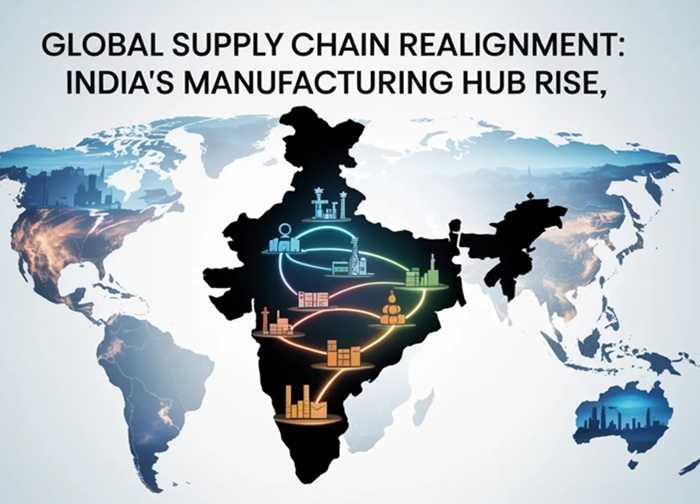
Global apparel supply chains realign as India navigates trade volatility
The global apparel and textile sector is experiencing a significant structural shift, as major manufacturers and retailers move away from... Read more
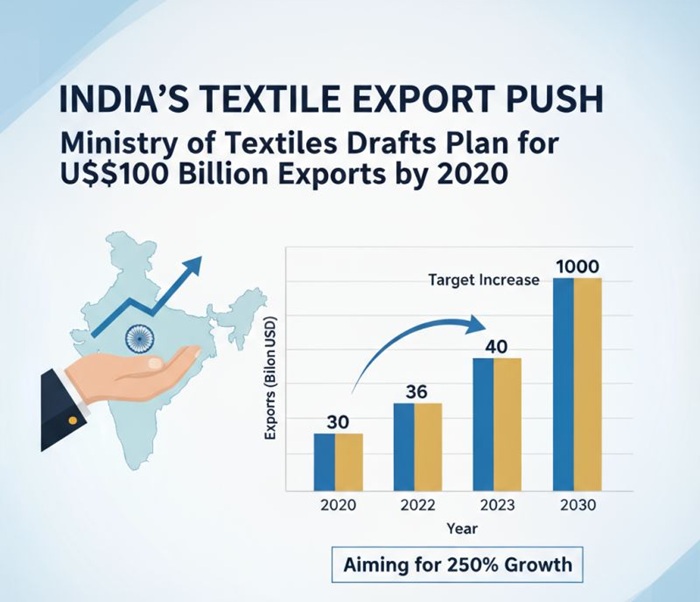
India’s textile sector targets global supply chain shift with $100 bn export pus…
As global brands push up efforts to diversify sourcing beyond traditional manufacturing hubs, India is repositioning its textile industry through... Read more
India balances farm interests and export ambitions with temporary cotton import …
" " The textile industry has received a policy reprieve after the Ministry of Finance eliminated the 11 per cent import... Read more
Global supply chain strain deepen as fashion brands tighten sourcing costs
The global apparel industry is dealing with growing sourcing tension as big fashion retailers intensify efforts to reduce procurement costs... Read more
From Voluntary to Mandatory: Asia’s manufacturing hubs lock in green compliance …
The multi-billion-dollar Asian apparel export market is entering a enforced sustainability era, where environmental and labour compliance is no longer... Read more