Crocs’ revenues to grow to $6 billion by 2026
Revenue of US footwear company Crocs, are expected to touch $6 billion by 2026. The company’s revenues grew by 66.9 per cent to $2.3 billion in 2021 as sales surged across all geographic zones. Sales of the Broomfield, Colorado-based company grew 85.9 per cent to reach $1.6 billion in its native Americas market on a constant currency basis, while revenues in Asia Pacific grew by 21.5 per cent to $350.2 million. Revenues from Europe, Middle East, and Africa grew by 41.7 per cent to $356.2 million in 2021.
Revenue from the direct-to-consumer channel grew 64.4 per cent to $1.1 billion compared to $693 million last year. On the other hand, revenue from the wholesale channel grew 69.4 per cent to $692.9 million in 2020. Digital sales grew 47.6 per cent in 2021 while net income grew to $725.7 million for the year, compared to $312.9 million in 2020. Diluted earnings per share increased by 149.8 per cent to $11.39 per share.
The company revenues grew by 42.6 per cent in fourth-quarter to $586.6 million. The growth was fuelled by a continued strong demand from consumers. The company expects the acquisition of Heydude to complete. Both Heydude and Crocs brands will contribute to the company's total sales growth targets in the next four years.
Australian wool prices to rise as workers return to office
Prices of Australian wool are forecast to rise as workers return to office again, shows a new report by agricultural bank Rabobank. Demand for office wear will revive driving wool prices further, adds the report Dennis Voznesenki, Agricultural Analysts, Robobank, says, imports of woolen suits have returned to pre-pandemic levels in France. The bank forecasts the Australian benchmark merino wool price will trade, on average, between $13.50 and $15 per kg in 2022, up seven per cent on the 2021 average.
Government data shows Australia’s import of wool increased 39 per cent to 317 million kg of during the January to November 2021 period. Peter Morgan, Executive Director, Australian Council of Wool Exporters and Processors, says, the wool sector is still reeling from the initial 'kick in the guts' as a result of the pandemic.
Environmentalists and new graduates setting new green factories in China
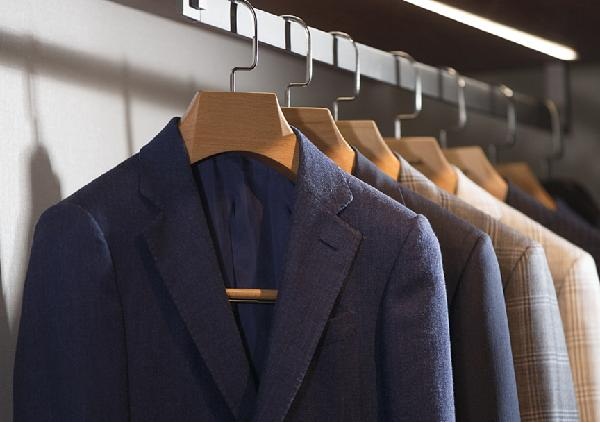
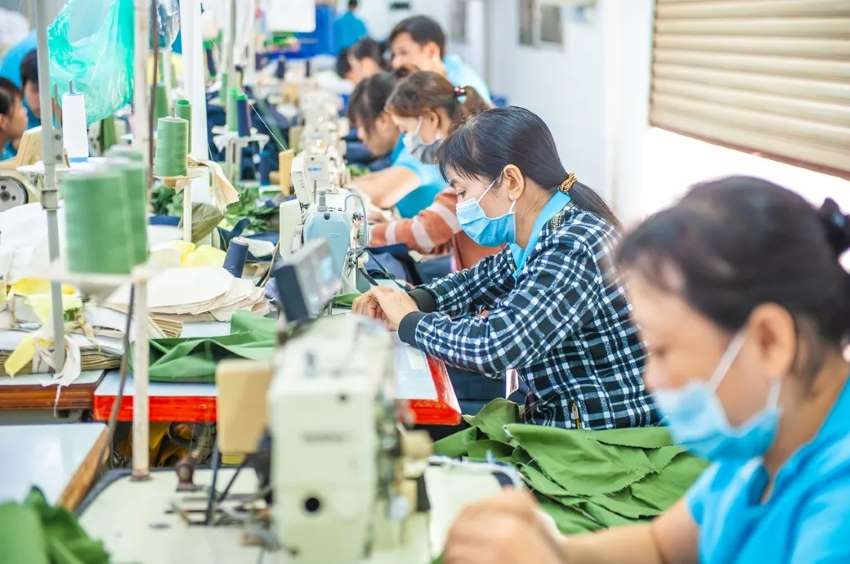
In the first 10months of 2021, China's textile and garment exports exceeded $256 million in value. Local researchers also focused on making the industry greener during this time.
High demand for waste process techniques
Known to create 92 million tons of waste globally, China’s textile industry is not environmentally friendly, says a China Global Textile News report. The industry is seeing high demand for waste process techniques, especially after China tightened laws for discharge of textile waste, adds Wang Bijia, Associate Professor, College of Chemistry, Chemical Engineering & Biotechnology, Donghua University. It is looking for alternative techniques for waterless dyeing and processing, he adds.
Bijia has already applied his recent continuous processing techniques for knitted fabrics to a demonstration line in a factory in Shandong. The new technology helped save 70 per cent of the factory's water usage and 65 per cent of the electrolytes in the water. China was the largest exporter of textile and clothing products in 2019, as per IKAR data analysis. It had about 24,000 companies in the business till the year. This makes achieving sustainability in the industry challenging. However, the sector is attracting many environmental professionals and new graduates to return home and establish their own companies in the country.
Apply advanced techniques to textile manufacturing
A group of Chinese graduates from Europe have set up Peersphere for developing 100 per cent new biodegradable materials from seaweed. The new material can serve as an alternative for animal leather. The company sees good prospects for its technologies in China, says Cheng Hanwen, Partner. It won the first prize at Kering Generation Award in 2021 for sustainable development in clothing industry. Plans are to use the €100,000 prize money to expand and look for more manufacturing partners.
Cai Jinging, President, Kering-Greater China says, the company was encouraged by the outpouring enthusiasm and participation from the entrepreneurs and startups at the awards. She expects young entrepreneurs educated in top universities overseas to come back and set up companies in China. Such startups will not only be introduced to industry leaders but also provided funds and other amenities, adds Jinging.
Shi Dinghuan, Chairman-Experts Committee, Energy Investment Professional Committee, Investment Association of China, notes, China should learn from European countries and start applying advanced clean technologies in textile manufacturing. The committee is now working to form standards for zero-carbon industrial parks and companies. These standards will guide companies to formulate plans and find appropriate technologies, adds Dhinghuan.
New sports bras styles, colors enhance buyer’s navigation experience

Earlier restricted to grey and black tones, sports bras are being revamped with new colors and fabrics. Green hues Khaki, Olive and Sage are dominating the color palette for sports bras in 2022 with green accounting for 9 per cent of entire color palette. As per an Edited report, products in neon shades are seeing lower demand at retailers Gap, Athleta and Gymshark.
High impact design gain popularity
Sports bras boasting of a high impact design are gaining popularity as seen from the growing demand Marks & Spencer’s new S/S’22 range launched under active wear brand Goodmove. Featuring the brand’s innovative cup technology, the range offers front adjusting straps for maximum support.
Demand for seamless styles continues
The popularity of seamless bras continues in 2022 with demand on boohoo and PreetyLittleThing increasing 53 per cent and 48 per cent respectively. The new no-seam sports bra range by H&M has been widely appreciated by shoppers as have been the new seam-free bra collections launched by Forever 21, TALA and Free People.
Investment in sustainability increases
Compared to 28 per cent last year, around 29 per cent sports bras are being made from recycled materials. Adidas has launched a new range made from 79 per cent recycled polyester in collaboration with Peloton. US brand Athleta has also launched products made from 13 per cent recycled nylon and polyester. Nike and Athleta have introduced products containing lyocell.
Brands are launching sports bras made from recycled fabrics. H&M increased its share of recycled styles across the US and UK 150 per cent year-on-year. Missguided has increased its range of recycled sports bras to 23 compared to just nine options last year. Similarly, retailer Hush has launched S/S’22 range made of 78 per cent ECONYL® recycled polyamide. Other DTC brands selling sustainable sports bras in the market include Boody, Nube, Tala, Girlfriend Collective, Boob Design, etc.
Price range widens with more retailing options
The price range starts at $28 as in case of adidas and goes up to $108 with Lululemon’s Enlite high support bra being the most expensive. Puma has witnessed a 14 per cent rise in sports bra prices due to the availability of more retailing options and collaborations with Goop and Liberty.
Rise in raw material prices, use of sustainable materials and rising consumer demand are boosting prices in the UK. Retailer Gymshark's prices for fit seamless bras surged £20 to £25, while prices of Apex Sports Bra have increased to £45 from £40 last year. The average price of Nike's sports bras has also surged 8 per cent YoY, with the brand offering more options in the £35-£40 price range.
Promoting eco-friendly products
Sports bras are classified according to their low, medium and high impact. They are mostly made with specialized fabrics as in case of activewear brands Nike, adidas and Lululemon. Next has introduced a sports bra guide to educate shoppers on suitable styles while Marks & Spencer has launched a range of post-surgery bras. Adidas is offering two options in its Stella McCartney range. Together, these brands aim to create a smoother navigation experience for shoppers. They also plan to introduce a sustainability filter or use symbols to show eco-friendly products on their websites.
Vietnam’s factories to continue production despite rising COVID-19 cases
Reversing their earlier policy of sweeping lockdowns, Vietnamese garment factories will continue production this year despite record COVID-19 infections. As per a Daily Star report, unlike nine months ago, Vietnam has vaccinated over million of its factory workers. The country has been relaxing curbs in recent months with the government planning to lift restrictions on arriving international flights.
According to the Health Ministry, over 76 per cent of its population has been fully vaccinated. The American Chamber of Commerce in Hanoi anticipates a better 2022, says Adam Sitkoff, Executive Director. The government has already set a target of 6.5 per cent economic growth in 2022. Smooth factory operations in Vietnam will also help free up supply chain bottlenecks.
Victoria’s Secret plans fashion show in the metaverse
Victoria's Secret plans to relaunch its annual fashion show in the metaverse. As per a Business Insider report, the lingerie giant filed a trademark application with the US Patent and Trademark Office to sell virtual goods such as clothing, undergarments, and footwear. The brand also plans to trademark virtual goods and entertainment services such as photos, images, videos, and recorded footage to use in virtual fashion shows.
Victoria's Secret is among major brands such as Nike and Adidas to be filing patents to protect their brand in the metaverse. The brand plans to bring its fashion show back in some form in the future but hasn't confirmed what that would look like or when it will happen. However, the new show will not feature the scantily dressed models, who walked its show for years and were abandoned in June in favor of a new group of spokeswoman.
Nominations for Annual Sewn Reshoring Award announced
Seams and The ReshoringInitiative, who participated in the ‘Made in USA/Reshoring’ panel at the Sourcing at MAGIC event in Las Vegas, announced nominations for the third Annual Sewn Reshoring Award.
The panel discussion focused on steps companies can take to increase their efforts with reshoring production for Made in the USA. Harry Moser, President, The Reshoring Initiative and Will Duncan, Executive Director, Seams participated in the panel.
This prestigious award is open to all companies that have successfully reshored the sewing of any product to the US, accelerating the Made in America movement. Eligibility for this award must include production reshoring from offshore back to the U.S. or represent new production that has taken market share from imports between January 1, 2017 and June 30, 2022. There will be awards for three industry categories: cut and sew manufacturers; brands/OEMS/vertical retailers; and textile providers (products produced in the United States). Relevant companies for any sewn products are encouraged to apply.
The Lycra Company launches new technology for RTW and wovens range
Global leader in developing innovative fiber and technology solutions, The Lycra Company has launched the Lycra® Dual Comfort technology for ready-to-wear (RTW) and wovens range. The technology will help the company provide garments with functional performance benefits and sustainable features.
Lycra® Dual Comfort technology combines comfortable stretch and cooling comfort with long-lasting shape retention. Its Lycra® T400® fiber resembles spun yarn in texture and appearance. It offers low-impact, comfortable and versatile garments with thermal comfort. The technology offers all-day comfort to consumers as garments are able to hold their shape throughout the day. The technology also helps keep the consumer cool and dry. Its fibers contain both recycled and renewable content for reduced impact.
The technology is the perfect solution for the emerging ‘new utility’ trend that blends rugged performance with tailored elegance.
SVP Global Textiles’ Q3 FY22 net profit grows 23.87 per cent
In its Q3 FY22 ended December 2021, India's leading compact cotton yarn manufacturer, SVP Global Textiles’ net profit grew by 23.87 per cent to 41.23 crore as against a net profit of Rs 33.29 crore recorded in Q3FY21. The company’s EBITDA for Q3FY22 grew by 11.62 per cent to Rs. 94.66 crore compared to EBITDA of Rs 84.81 crore in Q3FY21. Income from operations grew 9.75 per cent in Q3FY22 to Rs 406.69 crore.
The company is setting up a 4,375 mtpa Greenfield facility for technical textiles at Jhalawar, Rajasthan, with an investment of Rs 100 crore. It recently changed its name to SVP Global Textiles from SVP Global Venture. Foray into technical textiles is also going as planned and it hopes to achieve 25-30 per cent revenue growth post completion of the expansion plans.
Established in 1898 by VallabhPittie, SVP Group manufactures polyester, polyester and cotton blend, and 100 per cent cotton yarn across three state-of-the-art manufacturing facilities in Jhalawar (Rajasthan), Ramnad (Coimbatore) and Sohar (Oman). The company aims to become a world-leading, fully integrated textile company in manufacturing yarn, fabric and garments.
R&B Denims posts Rs 19.75 per cent net profit growth in Q3
In Q3 FY2022, denim manufacturer, R&B Denims posted a 19.75 per cent growth in net profit to Rs 6.5101 crore against a net profit of Rs 5.4366 posted during the second quarter ended September 30, 2021. The company’s income during the quarter grew by 24.18 per cent to Rs. 81.2630 crore compared to Rs. 65.4417 crore during the period ended September 30, 2021.
For the fiscal ended December 2021, R&B denims posted a 22.99 per cent growth in net profit to Rs 6.5101 crore against profit of Rs 5,2932 crore posted in the during the fiscal ended December 31, 2020. The company’s income grew 32.56 per cent to 81.2630 crore during the fiscal against an income of Rs 61.3019 crore during the fiscal year ended December 31, 2020.
More...
PVH included in 100 most sustainable companies list for fifth time
For the fifth consecutive time, Calvert Research & Management has included PVH in its list of Barron’s 100 Most Sustainable Companies. As per a Bakersfield report, analyst ranked the company fifth while it ranked first in the apparel retail category. The company strives to continuously improve through inclusion and diversity, sustainability and strong governance. PVH focuses on sustainability as the core of its multiyear plan and strives to improve in the area, says Stefan Larsson, Chief Executive Officer. However, it needs to step up efforts to achieve Forward Fashion targets, reduce negative impacts to zero, increase positive impacts to 100 per cent and improving lives across our value chain.
Developed by Calvert Research & Management, Barron’s 100 Most Sustainable Companies ranking first rated top 1,000 largest publicly traded companies by market value before analyzing and ranking these companies in 230 ESG (environmental, social, and governance) performance indicators.
Louis Vuitton to raise global prices
LVMH's top fashion brand, Louis Vuitton plans to raise global prices to offset increased manufacturing and transportation costs. Price rise will affect Louis Vuitton stores selling leather goods, fashion accessories and perfumes worldwide. Chinese social media bloggers estimate, prices of few handbag models such as Capucines would rise by 20 per cent or more in China. Website tracking the luxury market, PurseBop speculates, the increase would range between 4 per cent on the lower end and 15-18 per cent on average on the higher end.
Luxury goods companies have been leveraging the benefits offered by the COVID-19 pandemic by increasing the prices of high-end fashion items and accessories. Chanel increased prices on some of its handbags three times last year, with the price of the Classic Flap bag increasing by over 60 per cent since the beginning of the pandemic.
Asics reports 121.8 per cent rise in operating profit in 2021
Japanese clothing and footwear brand Asics, has reported 121.8 per cent increase in operating profit to €83.1 million during the year ended December 2021 compared to the same period a year earlier. The brand’s revenues grew by 13.7 per cent across Europe, Middle East and Africa (EMEA) region.
The brand has attributed growth to surge in revenues from wholesale and online channels. Its e-commerce revenue across the EMEA grew by 16 per cent during the year compared to 2020. Asics’ wholesale sales across the EMEA region surged by 13 per cent year-on-year, with 27 per cent increase in Italy, 19 per cent in Germany, 16 per cent in France and 18 per cent in South Africa. Founded in 1949, Asics’ products include footwear, clothing and accessories.
Jennifer Sey quits as Levi Strauss & Co’s brand president
Jennifer Sey, Brand President, Levi Strauss & Co has resigned from her post after being forced to quit her job for voicing her opinion that schools should remain open during the COVID-19 pandemic. Sey spent around 23 years in the company, serving as its global brand president since 2020.
Since the beginning of the pandemic in 2020, Sey has vocally opposed the US public schools’ closure mandate, writing op-eds, appearing on local news shows and organizing rallies in support of keeping schools open. As her views went public, Sey alleges the company’s head of corporate communications, its legal and HR departments and Bergh warned her that she should reflect on her statement.
Her responsibilities would be fulfilled by Seth Ellison, Executive Vice President and Chief Commercial Officer on an interim basis.