Global consumption of apparel products slipped by 7.92 per cent in 2015. The slower consumption comes as a challenge to leading readymade garment exporting countries, which have seen negative growth. Bangladesh though is the exception. Bangladesh’s global market share in clothing products rose to 5.9 per cent in 2015, which was 5.1 per cent in the previous year.
China, the number one exporter accounting for a 39.26 per cent global market share, has seen a 6.37 per cent decline in its exports to world markets in 2015 followed by Turkey and Indonesia. Economic ups and downs in the developed countries have cast a shadow on employment. As a result, consumption of clothing products has declined.
Appreciated dollar exchange rate in supplier countries may be another reason behind the fall in global consumption. China’s exports are falling because buyers are shifting orders. China itself is turning to quality but higher labor costs are pushing production costs up. This shift is seen as an opportunity for readymade garment manufacturers in Bangladesh. They feel if they move fast enough orders from buyers will rise significantly. After the economic recession in 2008, global consumption of clothing products witnessed a decline by 13.23 per cent in 2009.





World apparel purchases plunge in 2015
- 1
- 2
- 3
- 4
- 5
- 6
- 7
- 8
- 9
- 10
Profit, Purpose, and Pixels: The new equation in apparel manufacturing
The global textile and apparel industry, one of the oldest and most resource-intensive sectors, is at a crossroads. Once defined... Read more
Apparel consumption rises in Europe, supply pressures hit Asia: Wazir Advisors r…

In a world where apparel has long been both an economic indicator and a cultural barometer, the September 2025 Wazir... Read more
Action, Not Ideology: GREENEXT Expo 2025 puts the 'How' in sustainability
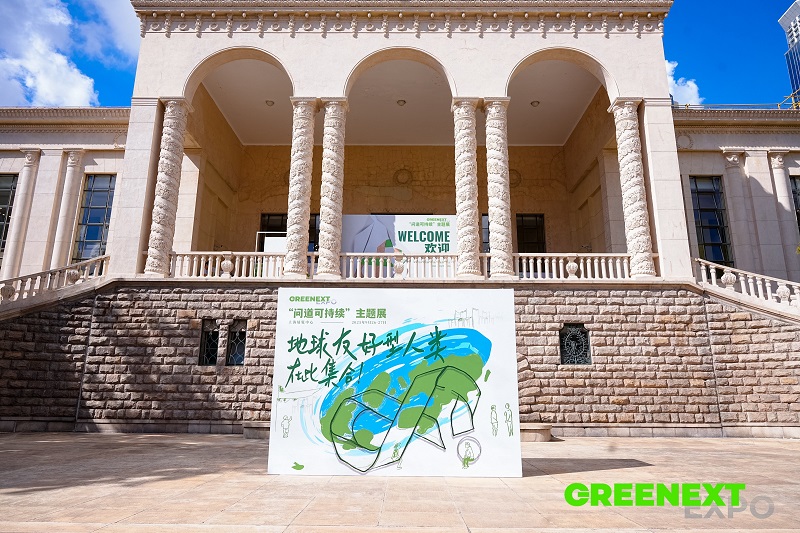
The GREENEXT Expo 2025, held over two days on September 26-27, 2025 at the Shanghai Exhibition Center, not merely as... Read more
Global Sourcing Expo: Seminar series to showcase future of fashion, retail, and …

The Global Sourcing Expo is set to return to the Melbourne Convention & Exhibition Centre from November 18-20, 2025, with... Read more
Intertextile Shanghai Apparel Fabrics Final Review - An indispensable platform f…

Organized from September 2-4, 2025, the Intertextile Shanghai Apparel Fabrics – Autumn Edition reaffirmed its status as an indispensable platform... Read more
Texworld Apparel Sourcing Paris: Europe's leading platform for the T&A indus…

The 57th edition of Texworld Apparel Sourcing Paris successfully reinforced its status as the premier platform for the global textile... Read more
Reports don’t cut emissions, the hidden cost of corporate sustainability

At a time when corporate sustainability has moved from a fringe concern to a core business metric, a disconnect is... Read more
The AI-Powered Future of Apparel Manufacturing Is Here: CISMA

The future of apparel manufacturing is here, and it’s smarter, faster, and more integrated than ever. This was the overwhelming... Read more
From catwalks to cloud, the digital future of global fashion retail

The fashion industry has always thrived on reinvention, but its latest transformation is not being dictated by catwalks in Paris... Read more
Rags to Revenue report highlights why the US needs a textile recycling system no…
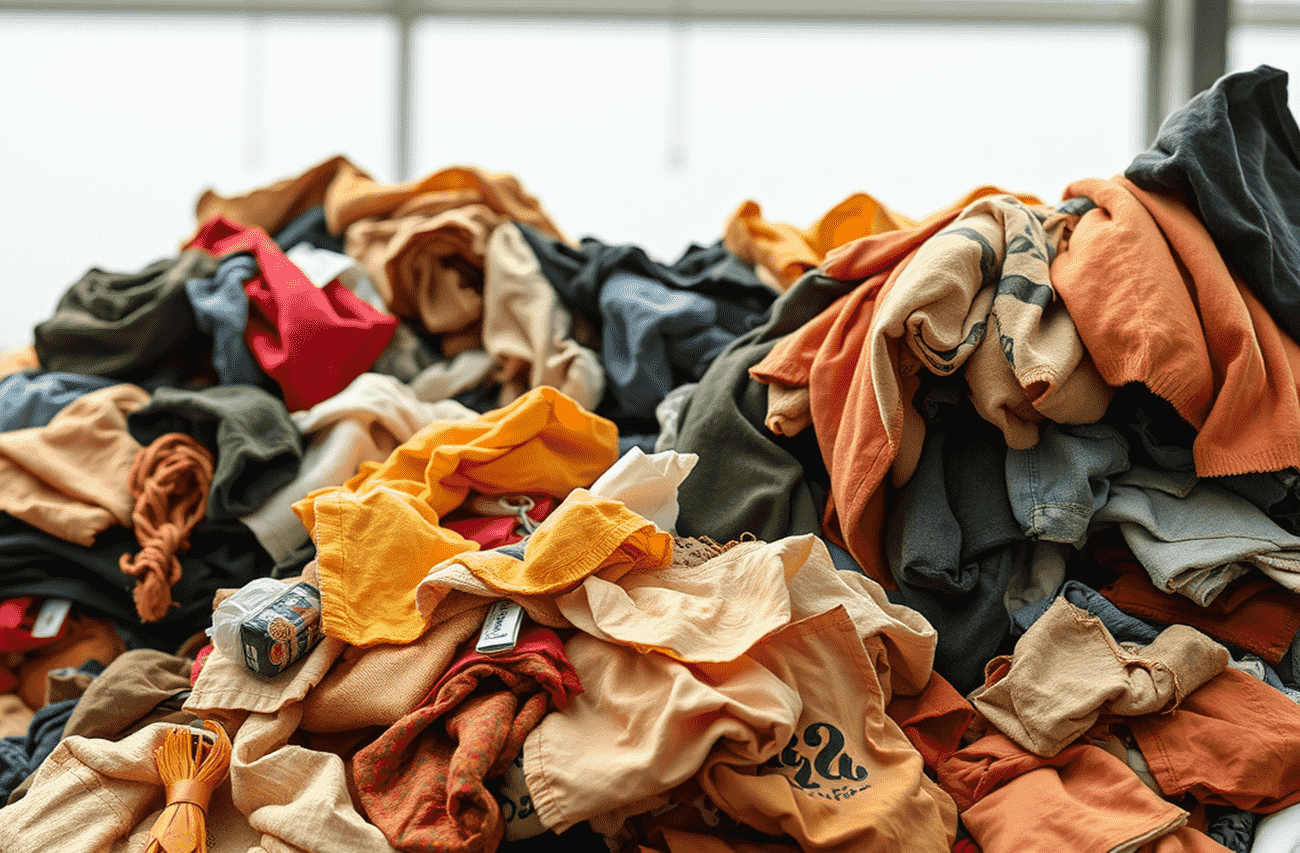
The US has a major textile waste problem. Every year, millions of tons of discarded clothing and household fabrics end... Read more

