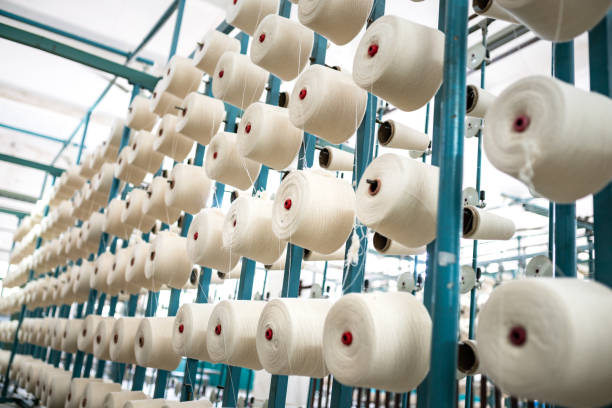
A sustained correction in crude oil and petrochemical benchmarks is reshaping the economics of synthetic yarns, widening the cost gap between polyester and cotton and giving textile manufacturers a fresh incentive to optimise fibre blends. The decline in upstream crude prices has flowed through Asian petrochemical chains, lowering costs for purified terephthalic acid (PTA) and monoethylene glycol (MEG), the principal feedstocks for polyester. The adjustment has pushed export prices for 1.4-denier virgin polyester staple fibre (PSF) at Chinese and Southeast Asian ports to around $0.84-$0.88 per kg.
For spinning mills, knitters and weavers in India, Bangladesh and Vietnam, the correction has translated into yarn procurement savings of roughly 5-8 per cent over the past two financial quarters. But the benefit is not uniform. Mills that accumulated fibre inventories at higher prices are facing inventory valuation pressure, making faster stock rotation and feedstock-linked pricing increasingly important.
The widening spread
The critical change is not simply that polyester has become cheaper. It is that polyester is now trading at a substantial discount to cotton, creating a stronger case for substitution in price-sensitive applications.
Table: Comparative fiber economics and production dynamics
|
Fibre |
Production drivers |
Benchmark price |
Yield/efficiency |
Major demand exposure |
|
Virgin PSF (1.4D) |
Crude/naphtha, PTA + MEG |
$0.84-0.88/ kg |
98-99% usable yield |
Activewear, fast fashion, nonwovens, home textiles |
|
Upland Cotton |
Crop yields, weather, acreage |
$1.72-1.82/kg |
88-92% after cleaning losses |
Shirting, denim, jersey, innerwear |
|
PC 65/35 Yarn |
Agricultural + petrochemical inputs |
$2.15-2.30/kg |
Established ring/rotor systems |
Workwear, uniforms, retail basics |
At current levels, virgin PSF carries an estimated 48-52 per cent cost advantage over physical upland cotton on a landed mill basis. Cotlook A and ICE cotton prices around 78-82 cents per pound reinforce the difference.
That spread matters because mills can alter fibre ratios without completely redesigning their manufacturing infrastructure. When cotton prices rise, production can shift towards 65/35 or 52/48 polyester-cotton blends, particularly in products where performance, durability and price are more important than a pure-natural-fibre proposition.
Polyester therefore acts as an effective price ceiling on medium-staple cotton. Cotton prices can rise only so far before downstream buyers have an economic reason to switch specifications.
Industrial vs agricultural supply
Polyester’s advantage emerges from the predictability of industrial production. Polymer and fibre plants can adjust run rates as per market conditions, while cotton remains vulnerable to weather, pests, acreage decisions and crop failures. Tightening global cotton inventories could increase this difference. Recent assessments by the International Cotton Advisory Committee and the US Department of Agriculture point to pressure on world carryover stocks as weather affects production across key growing regions.
This does not mean polyester will replace cotton. Rather, it strengthens the bargaining power of synthetic fibres in applications where consumers and brands are unwilling to absorb higher raw-material costs.
Blends emerge the margin tool
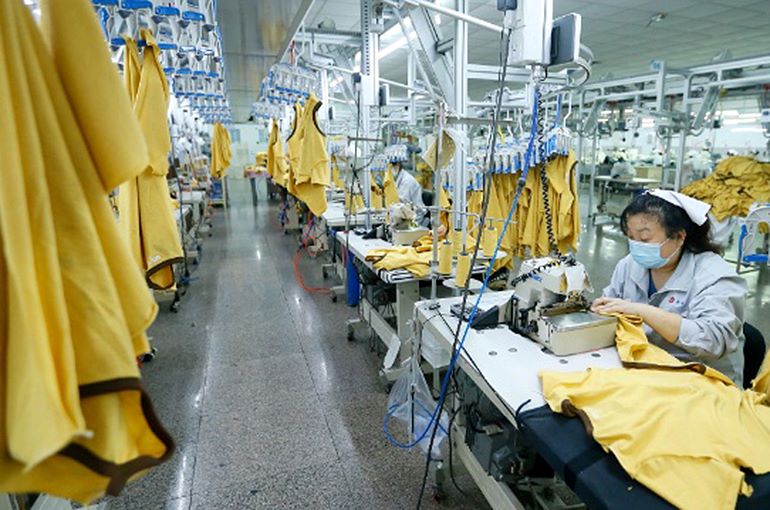
The impact is already visible across Asian manufacturing centres. Surat’s synthetic textile industry has been able to exploit lower PSF and DTY costs by adapting water-jet and rapier looms to polyester-viscose and polyester-cotton filament blends. This has helped producers maintain operating rates at around 84 per cent despite weak export conditions.
A similar response is emerging among Bangladeshi exporters. Knitwear manufacturers facing fixed-price orders from European and US discount retailers have adjusted selected jersey programmes towards cotton-polyester blends. Re-engineering fabric specifications from 100 per cent cotton to combinations such as 60/40 can reduce fabric costs while retaining broadly comparable commercial characteristics. The significance is greater than the immediate saving. Blending gives manufacturers a hedge against volatile cotton prices while allowing them to defend margins on fixed-price export contracts.
The sustainability contradiction
The synthetic price correction, however, creates a new dilemma for retailers. Lower virgin polyester costs can protect gross margins and shelf prices at a time when consumers remain price sensitive. Yet the same economics can make sustainability commitments more expensive.
Recycled polyester continues to command an estimated premium of 18-25 cents per kg over virgin PSF because of constrained waste feedstock and higher processing costs. As European sustainability regulations, including Ecodesign requirements and Digital Product Passport frameworks, increase pressure on material traceability and circularity, brands must balance immediate sourcing economics against longer-term compliance.
This creates a two-speed synthetic market: cheaper virgin fibre strengthens commercial competitiveness, while regulatory requirements increasingly reward recycled and traceable inputs.
Margins move upstream
For integrated producers such as Indorama Ventures, the correction is less straightforward than for independent spinners. Exposure across petrochemicals, PET, polyester fibres and recycling provides greater ability to manage feedstock cycles, but also makes margins dependent on the spread between upstream costs and downstream fibre prices.
For textile manufacturers, the immediate lesson is clearer. Falling petrochemical costs are not merely reducing yarn prices; they are changing the relative economics of fibre selection. The widening polyester-cotton spread gives mills greater flexibility to redesign blends, protect fixed-price orders and manage inventory risk.
The next phase of competition will therefore be determined less by the absolute price of cotton or polyester than by how quickly manufacturers can translate changing feedstock economics into fibre substitution, product engineering and procurement decisions. In an increasingly margin-sensitive apparel supply chain, that flexibility could become as valuable as the raw-material saving itself.