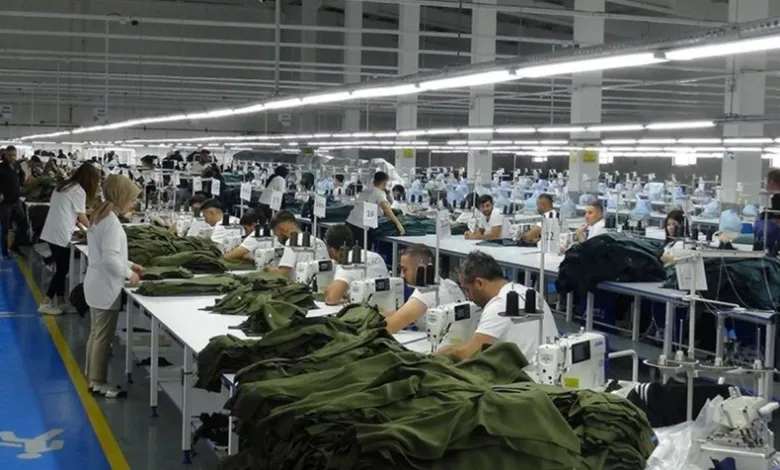
Vardhman Textiles is executing a comprehensive capital expenditure framework valued at Rs 3,660 crore to deepen vertical integration across its spinning, fabric processing, and finished garment divisions. This strategic outlay addresses structural shifts in international retail sourcing, as major apparel brands and department store chains increasingly consolidate vendor relationships in stable, compliant manufacturing hubs. Rather than simply expanding raw volume, the initiative targets advanced technical textiles and high-precision garment assembly to capture higher margins in competitive export destinations. Global fashion houses are demanding robust traceability and rapid turnaround times from single-source partners, notes Ramesh Kumar, Senior Textile Analyst, Apex Market Research. Vardhman's capital deployment directly targets these compliance and velocity requirements.
Navigating cost volatility and margins
The heavy modernization drive unfolds against a backdrop of steady financial performance, with operational revenues registering near Rs 9,652.33 crore and FOB exports holding close to Rs 3,986.44 crore despite macroeconomic headwinds. Sector consolidation - marked by millions of localized spindles exiting the market over recent cycles - has opened strategic room for financially robust entities to expand market share. By channeling substantial resources into green-energy infrastructure and automated factory floors, the company aims to insulate its operating margins from fluctuating raw material expenses and tightening international environmental regulations, securing long-term supply contracts across Western retail markets.
Pursuing aggressive integration and green energy adoption
Vardhman Textiles is a leading vertically integrated Indian manufacturer specializing in cotton yarn, grey and processed fabrics, sewing thread, and ready-to-wear apparel. Operating primarily across domestic and international markets including the United States, Europe, and Asia, the company pursues aggressive integration, green energy adoption, and financial resilience, building upon a heritage of more than six decades in industrial textile production.