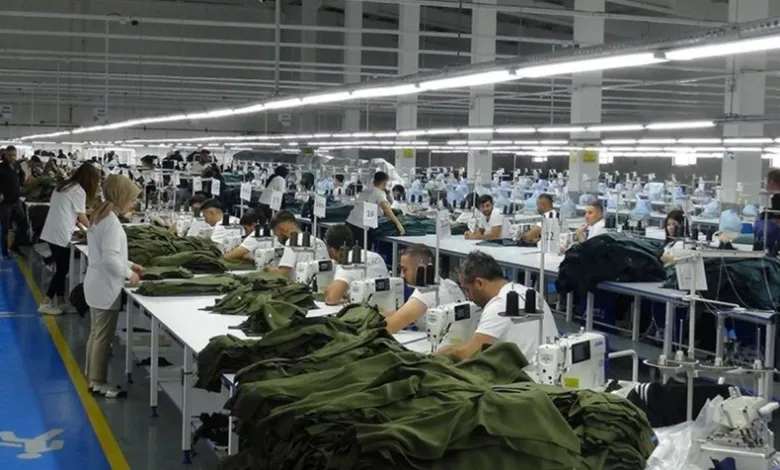
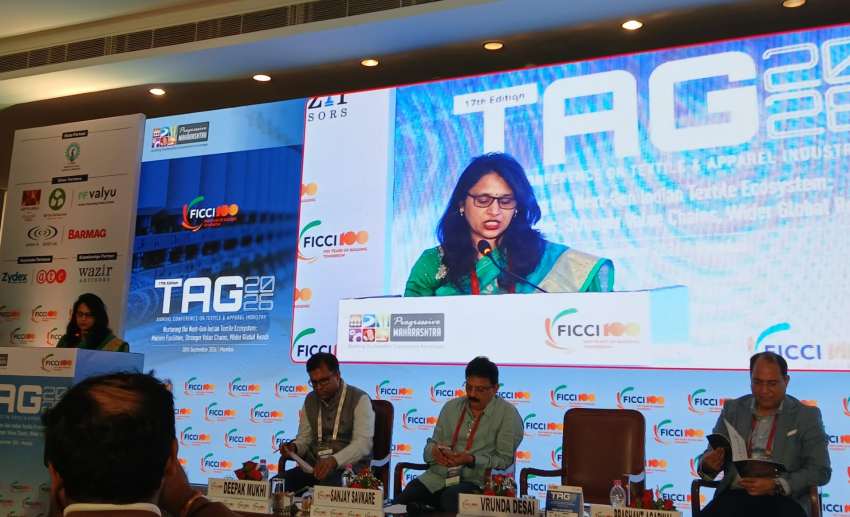
The Bangladesh RMG sector is accelerating structural reforms to align with stringent European Union environmental mandates. International development organization Solidaridad, alongside the Dutch embassy in Dhaka and key industry associations, has officially rolled out the Circular Textiles Bangladesh initiative. Initially integrating five manufacturing units, the pilot program introduces advanced digital tracking architecture and carbon-reduction protocols designed to secure long-term export competitiveness.
Shared financial responsibility across supply chains
Industry stakeholders warn that smaller manufacturers face severe capital constraints when retrofitting factory floors with automated internet-connected monitoring equipment. Association leaders emphasize that global fashion brands must share the financial burden of digital compliance rather than shifting total implementation costs onto localized suppliers. Manufacturers must retain clear data ownership while establishing interoperable systems that eliminate redundant administrative overhead across international buyer networks, remarks a senior official from the Bangladesh Knitwear Manufacturers and Exporters Association.
Building robust digital infrastructure
Circular Textiles Bangladesh is a strategic multi-stakeholder framework focused on advancing circularity, supply-chain transparency, and carbon reduction in the apparel sector. Operating primarily within export-oriented manufacturing hubs, the initiative aims to build robust digital infrastructure, streamline regulatory compliance, and future-proof the nation's multi-billion-dollar textile export economy.